Book Appointment Now

Key Strategies for Baseball Team Success
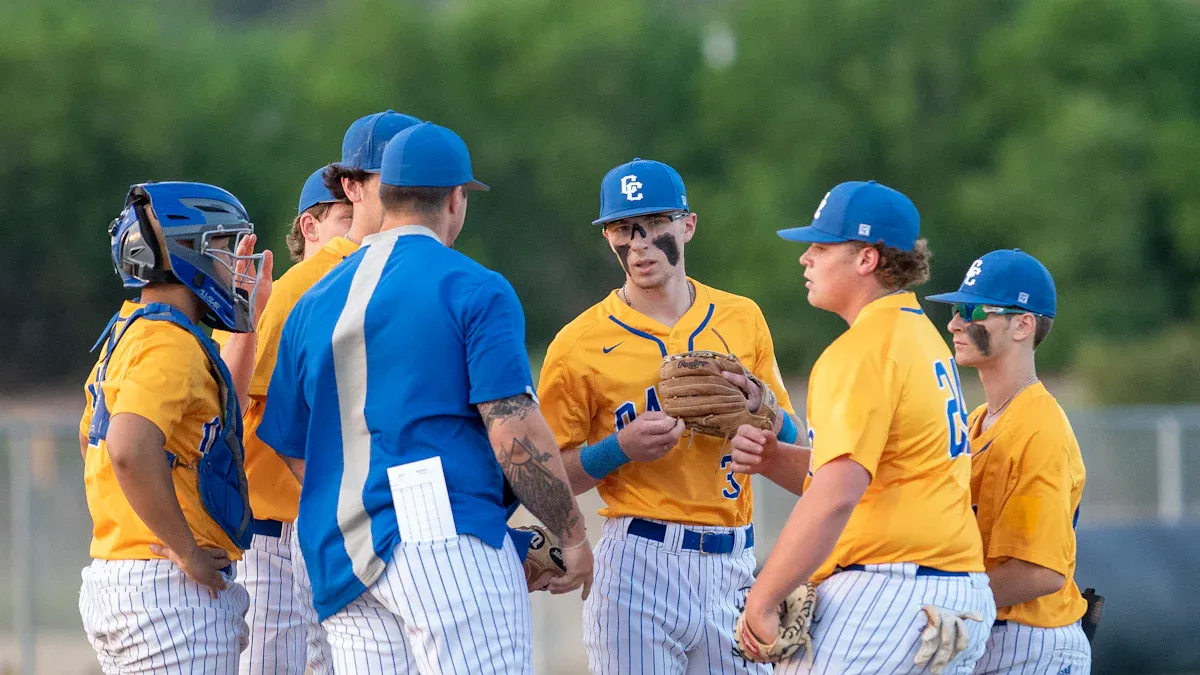
Baseball is more than just a game; it’s a test of teamwork and strategy. Success on the field requires players to trust one another and understand their roles. For instance, teams like the Tampa Bay Rays have shown that strong communication and trust can lead to improved performance. Recent statistics reveal that factors such as balanced offense and pitching dominance significantly influence winning records. By focusing on these elements, you can help your team achieve baseball team success.
Key Takeaways
Build trust through teamwork. Strong relationships among players lead to better performance on the field.
Understand your role. Each player’s unique contribution fosters accountability and enhances team culture.
Develop leadership skills. Effective leaders inspire teammates and create a positive environment for success.
Focus on skill development. Personal growth and regular feedback are essential for improving performance.
Embrace resilience. Overcoming challenges together strengthens team bonds and promotes a supportive culture.
Trust in Teamwork

Building trust within a baseball team is essential for achieving success. When players trust each other, they perform better and work together more effectively. Trust creates a strong foundation for teamwork, allowing players to focus on their goals without worrying about their teammates’ intentions.
Building Relationships
Fostering relationships among players can significantly enhance team culture. Here are some activities that help build trust:
Team Dinners: Sharing meals creates shared memories and fosters camaraderie. This bonding can lead to improved teamwork during games.
Group Activities: Engaging in fun activities during downtime helps players decompress and reset. This relaxation enhances their performance in subsequent games.
Rotating Leadership Roles: Giving every player a voice makes them feel valued. This practice boosts confidence and contributes to better team dynamics.
Mentorship: Older players mentoring younger ones promotes respect and growth. This relationship strengthens team unity.
Recognition: Acknowledging individual efforts through awards reinforces positive behaviors. This recognition contributes to a strong team environment.
These activities not only build relationships but also foster team spirit, which is crucial for baseball team success.
Learning from Mistakes
Mistakes are part of the game, and how a team responds to them can define their success. Here are some strategies to learn from errors:
Focus on the Present: Concentrating on the current moment enhances performance. Players should avoid dwelling on past mistakes.
Resilience: Developing resilience helps players recover from setbacks quickly. This quality allows them to bounce back stronger.
Flushing Mistakes: Teaching players to ‘flush’ mistakes encourages them to view failures as feedback. This mindset helps them learn and improve.
Growth Mindset: Encouraging a growth mindset allows players to see failures as opportunities. Instead of feeling defeated, they learn to view mistakes as steps toward mastery.
By embracing these strategies, players can improve their performance and contribute to a positive team culture. Trust in teamwork is not just about relying on each other; it’s about learning and growing together.
Understanding Roles
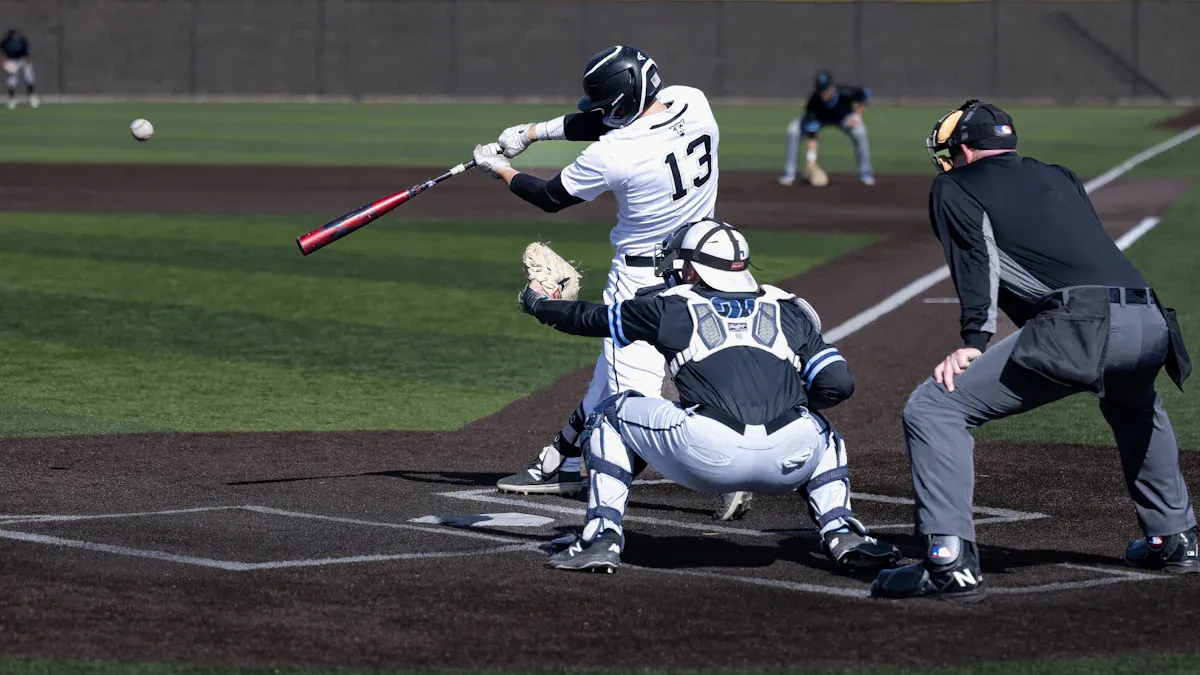
Understanding your role on a baseball team is crucial for achieving success. Each player contributes uniquely to the team’s overall performance. When you recognize your responsibilities, you enhance the team culture and foster a sense of accountability.
Individual Accountability
Individual accountability means taking responsibility for your actions and performance. Here are some ways you can promote accountability within your team:
Be enthusiastic and humble. Engage with your teammates regularly to build trust.
Challenge yourself and your teammates to improve. Support each other through struggles.
Establish clear expectations for behavior and performance. Make sure everyone understands what is acceptable.
Implement consequences for lack of accountability. This helps everyone recognize the importance of their actions.
Foster a culture of peer accountability. Encourage teammates to hold each other responsible for their actions.
When players embrace accountability, they contribute to a positive team culture. Teams that prioritize accountability often perform better on Game Day. They prepare thoroughly and communicate effectively, leading to improved attention to detail.
Team Contributions
Team contributions are vital for building a strong team culture. Here are some key aspects to consider:
Team contributions foster trust and a shared commitment to success. When everyone works together, motivation and cohesion increase.
A positive team culture enhances overall performance. Conversely, a negative culture can lead to disjointed efforts and poor results.
Championship teams build a culture where every player buys into a shared goal. They embrace their roles and support one another.
By understanding your role and contributing positively, you help create an environment where everyone can thrive. This understanding leads to improved performance and greater chances of achieving baseball team success.
Leadership and Guidance
Leadership plays a crucial role in fostering a positive team culture. When players see strong leaders, they feel motivated to contribute to the team’s success. Effective leaders inspire their teammates and create an environment where everyone can thrive.
Developing Future Leaders
To develop future leaders within your baseball team, consider implementing the following strategies:
Foster Baseball IQ: Dedicate practice time to teach the mental side of baseball. Encourage players to think critically about the game.
Encourage Communication: Incorporate drills that require vocal teamwork. This practice enhances communication skills among players.
Promote Accountability: Assign small leadership roles to build confidence. Teach players to hold each other accountable for their actions.
Create Mentorship Opportunities: Pair experienced players with newcomers. This relationship instills responsibility and provides relatable role models.
Highlight Positive Examples: Celebrate leadership moments publicly. This recognition reinforces positive behavior and motivates others to step up.
By focusing on these strategies, you can cultivate a new generation of leaders who will contribute to the overall success of your team.
Indicator | Description |
|---|---|
Leadership Self-Efficacy | Managers believe in their capabilities, which is crucial for effective leadership. |
Leader Identity | Managers recognize their role as leaders, which strengthens their authority and influence. |
Knowledge, Skills, and Abilities (KSA) | Managers develop a broad set of skills throughout their careers, enhancing their leadership effectiveness. |
Self-Awareness | Understanding their strengths and weaknesses helps managers know when to lead and when to delegate. |
Communication Skills
Effective communication is vital for team cohesion and performance. When players and coaches communicate openly, they build trust and understanding. Here are some effective communication strategies to consider:
Use Specific Terms: Players should use consistent terms and phrases during gameplay. This practice avoids confusion and enhances clarity.
Nonverbal Cues: Body language plays a crucial role in conveying emotions and intentions. Players should be aware of their nonverbal signals.
Enhance Team Cohesion: Effective communication ensures everyone is on the same page. This alignment reduces the mental load for players, allowing them to focus on performance.
Bridge Differences: Communication helps bridge generational and personality differences. This connection fosters a more inclusive team environment.
When players understand the rationale behind specific pitch calls, they are more likely to execute with dedication. This understanding leads to improved performance and unity within the team.
True player development begins when skill coaches, strength coaches, and athletic trainers communicate effectively rather than working in isolation.
By prioritizing leadership development and communication skills, you can create a strong foundation for your baseball team. This foundation will enhance team culture and ultimately lead to greater success on the field.
Skill Development
Skill development is crucial for achieving baseball team success. You must focus on personal growth to enhance your performance on the field. A well-structured personal development plan can guide you in this process.
Personal Development Plans
Creating a personal development plan helps you identify areas for improvement. Here are some effective strategies to consider:
Identify Areas for Improvement: Focus on specific skills, such as hitting for power or improving your pitching command.
Create a Balanced Training Plan: Include strength training and skill practice in your routine. This balance ensures you develop both physically and technically.
Monitor Progress: Regularly assess your performance and adjust your plan based on your progress and fatigue levels.
Using tools like Trosky 365 can enhance your training. This app offers daily challenges and interactive content that help you improve your skills and values, essential for success both on and off the field.
Feedback Mechanisms
Feedback plays a vital role in skill enhancement. It helps you understand your strengths and areas needing improvement. Here are some benefits of effective feedback mechanisms:
Benefit | Description |
|---|---|
Visual Representation | Coaches can show you videos of your performance to clarify techniques and mechanics. |
Identifying Areas for Improvement | Video analysis helps coaches pinpoint specific flaws in your technique, aiding targeted training. |
Tracking Progress | Coaches can review videos over time to assess your improvement and adjust training plans accordingly. |
Building Trust and Communication | Video feedback fosters collaboration between you and your coach, enhancing the learning process. |
Incorporating feedback into your practice sessions can make them more effective. Regular feedback helps you refine your skills and boosts your confidence. Remember, practice should be enjoyable. Make practice fun to keep your motivation high and celebrate small wins along the way.
By focusing on personal development and utilizing feedback mechanisms, you can significantly enhance your skills. This commitment to growth contributes to a positive team culture and ultimately leads to greater baseball team success.
Resilience and Support
Problem-Solving Together
Baseball teams often face challenges that test their resilience. When adversity strikes, you and your teammates must come together to solve problems. Here are some effective strategies for tackling challenges as a unit:
Analyze Performance Trends: Use technology to track player performance. This data helps you adapt strategies quickly. For example, the Texas Rangers utilize analytics to provide immediate insights after games. This practice empowers players and coaches to adjust their game plans based on fresh data.
Collaborate on Solutions: Engage in discussions with your teammates and coaches. Sharing perspectives fosters a sense of unity and encourages innovative problem-solving.
Embrace New Technologies: Teams like those in the KBO League have adopted systems to reduce umpiring errors. This collective effort improves consistency and demonstrates how teams can adapt to challenges together.
By working together, you can turn obstacles into opportunities for growth.
Learning from Adversity
Adversity is a natural part of baseball. Learning from these experiences builds resilience within your team. Here are some ways to cultivate this mindset:
Embrace Failure as a Learning Opportunity: Analyze mistakes to identify areas for improvement. This approach helps you grow as a player and as a team.
Focus on the Process: Set goals based on skill development rather than just winning. This shift in focus encourages a growth mindset.
Seek Support: Engage with your coach and teammates for encouragement. A supportive environment enhances morale and helps everyone cope with challenges.
Support during tough times can significantly impact players’ motivation and performance. A positive team culture fosters resilience, allowing you to bounce back from setbacks. Remember, baseball inherently presents challenges. Embracing these moments teaches valuable lessons about perseverance and teamwork.
By prioritizing resilience and support, you create an environment where everyone can thrive. This commitment to overcoming adversity contributes to your baseball team success.
Achieving success in baseball requires a combination of strategies. You must focus on teamwork, individual roles, and effective leadership. Here are some key takeaways:
Teamwork: Trust and communication among players enhance performance.
Understanding Roles: Each player contributes uniquely, fostering accountability.
Leadership: Strong leaders inspire and guide the team.
Skill Development: Personal growth and feedback are essential for improvement.
Resilience: Overcoming challenges together builds a supportive environment.
By implementing these strategies, you can create a culture that promotes growth and success. Remember, consistent effort and collaboration lead to long-term achievements in baseball.
Goal Type | Examples |
|---|---|
Program Development Goals | Establish a feeder program by partnering with local youth leagues |
Competitive & Championship Goals | Win a district or state championship within five years |
College & Player Development Goals | Have at least two players per year sign with college programs |
Embrace these principles, and watch your team thrive on and off the field! ⚾️
FAQ
What is the most important factor for baseball team success?
Teamwork is crucial. When players trust each other and communicate effectively, they enhance performance and create a positive environment.
How can I improve my skills as a player?
Focus on personal development plans. Identify areas for improvement, practice regularly, and seek feedback from coaches and teammates.
Why is leadership important in baseball?
Strong leadership inspires players and fosters a positive team culture. Leaders guide teammates, promote accountability, and enhance overall performance.
How can teams handle adversity?
Teams should embrace challenges as learning opportunities. Collaborating on solutions and supporting each other builds resilience and strengthens team bonds.
What role does communication play in a team?
Effective communication ensures everyone understands their roles and strategies. It fosters trust and unity, leading to improved performance on the field.