Book Appointment Now

Effective Basketball Defense Tips for Dominating the Court
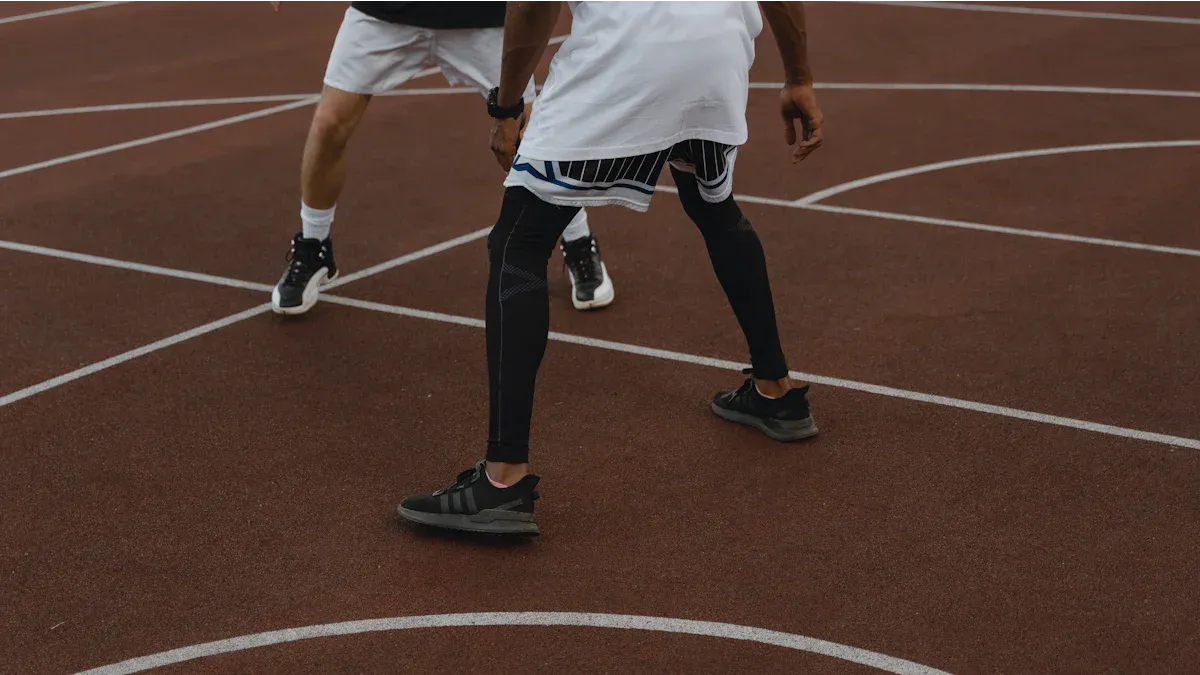
In basketball, defense plays a crucial role in determining the outcome of games. Strong defensive skills can stop opponents from scoring and create opportunities for your team. When you master basketball defense tips, you gain a competitive edge on the court. You not only protect your basket but also build confidence in your abilities. Focus on improving your defensive techniques, and you’ll see significant improvements in your game.
Defensive Fundamentals
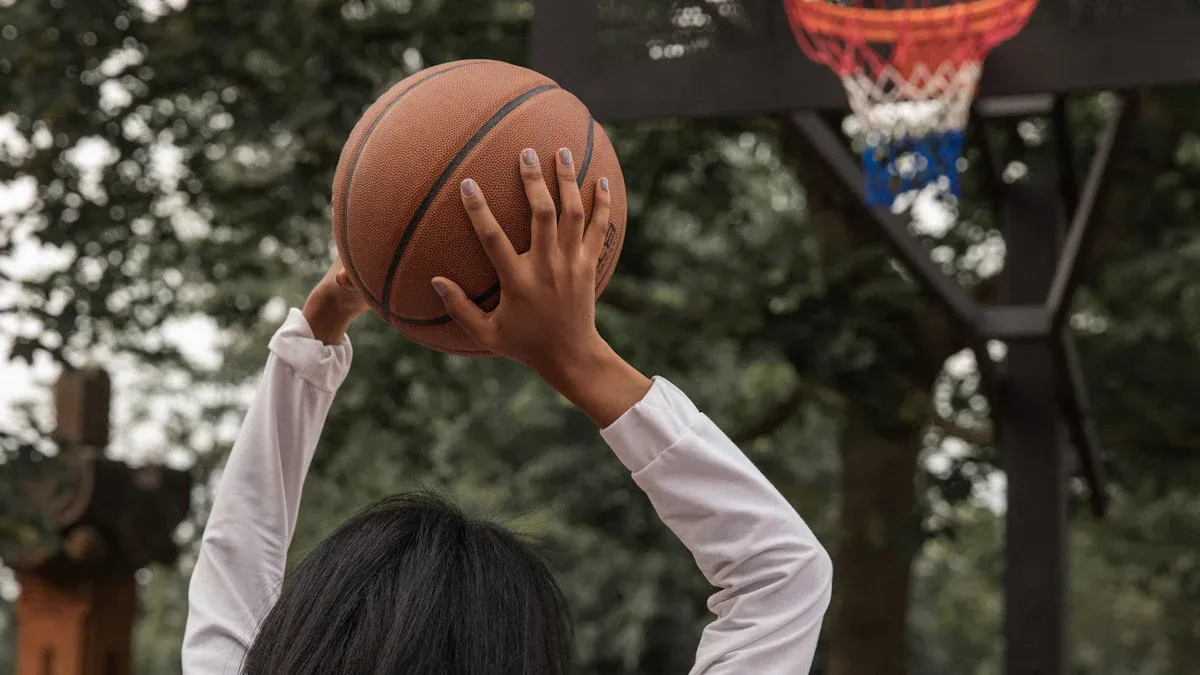
Stance and Positioning
Your defensive stance sets the foundation for effective basketball defense. A proper stance allows you to react quickly to offensive players. Here are some key principles to remember:
Maintain proper positioning between your man and the ball.
Deny all penetrating passes to prevent offensive advances.
Stay close enough to stop the player you are guarding if the ball is passed to him.
Be ready to help teammates by being close enough to the player with the ball to prevent penetration.
Always be prepared to stop the ball if it is in front of you.
A balanced stance enhances your ability to react effectively. It allows you to anticipate the offensive player’s movements. The table below outlines how a proper stance reduces the likelihood of being beaten by an offensive player:
Evidence Point | Explanation |
|---|---|
Balanced Position | A proper defensive stance enhances a defender’s ability to react quickly and effectively to an offensive player’s movements. |
Anticipation | By maintaining a balanced stance, defenders can better anticipate and counter the offensive player’s attacks. |
Force Application | Proper stance allows defenders to apply force in the opposite direction of the offensive player’s movement, improving their ability to move quickly in either direction. |
Footwork Essentials
Footwork is crucial for successful defensive plays. Good footwork helps you stay in front of your opponent and react to their movements. Here are some effective techniques to improve your footwork:
Forcing you one way, top foot inside your body: Attack the top foot when the defender’s foot is inside your frame. This creates an advantage to get to the rim.
Forcing you one way, top foot outside your body: Attack the bottom foot when the defender’s foot is outside your frame, as this opens a path to the basket.
Playing you straight up, feet aligned with your feet: Jab with your dominant foot to create an open stance and exploit any reaction from the defender.
Incorporating drills like “Close Out, Slide & Backpedal” can enhance your footwork. This drill focuses on improving closeout speed, deceleration control, and movement coordination. It teaches you to quickly close the gap to contest shots effectively, disrupting the offensive player’s rhythm.
Anticipation and court awareness are also critical components of elite basketball defense. They enable you to predict opponents’ actions and respond effectively. For example, if your opponent consistently takes the ball out of bounds the same way, you can position yourself to intercept the pass. Knowing what someone will do is worthless without acting on it. Anticipate the movement and challenge it to gain an advantage.
Key Basketball Defense Tips
On-Ball Defense
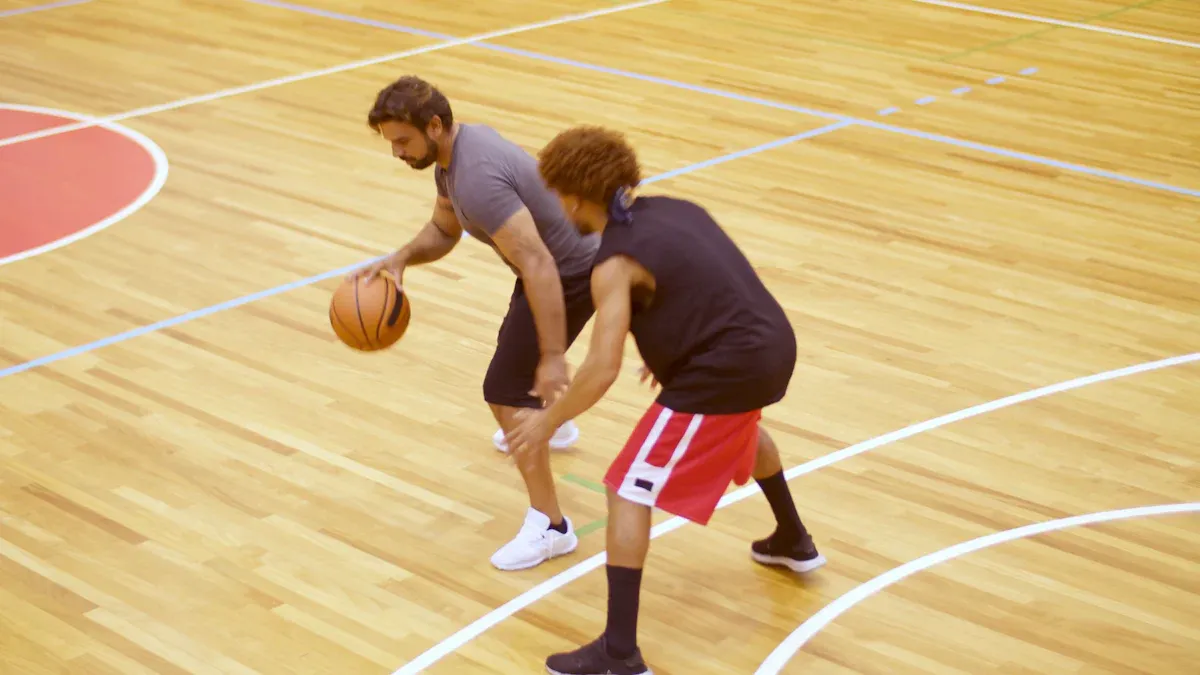
On-ball defense is crucial for limiting your opponent’s scoring opportunities. It involves staying close to the offensive player and applying pressure. Here are some key techniques to master:
Technique/Strategy | Description |
|---|---|
Allowing for defensive footwork | Adapt your movements based on the offensive player’s actions. |
Walling up and verticality | Maintain a strong position without fouling. |
Chest stops and aggressive ball pressure | Apply pressure to disrupt the ball handler’s rhythm. |
Help and gap positioning | Position yourself to assist teammates while covering gaps. |
Close-outs | Quickly approach the shooter to contest their shots. |
Effective on-ball defense can significantly impact your opponent’s shooting efficiency. For example, players like Rudy Gobert have shown that strong on-ball defense can lower opponents’ shooting percentages. Gobert allowed only 45% of shots when defended, compared to the average of 49% against typical defenses. This illustrates how mastering basketball defense tips can lead to better outcomes for your team.
Help Defense
Help defense is essential for team defense. It involves supporting your teammates when they are outmatched. Here are some strategies to enhance your help defense:
Combo Defense: Use a mix of zone and man-to-man defense to counter penetrating offenses.
Triangle Zone: Form a triangle with three defenders while two deny passes, improving coverage.
Key aspects of help defense include:
Key Aspects of Help Defense | Description |
|---|---|
Rotating quickly | Contest drives effectively. |
Recovering to shooters | Prevent open three-point shots. |
Communicating constantly | Maintain team organization. |
Drills that develop help defenders are crucial. They should learn to read space and make smart decisions during defensive disadvantages. Incorporating drills like the Overload Scramble can improve communication and rotation among defenders. This drill requires defenders to adjust their positions based on the ball’s movement, enhancing their ability to respond effectively.
Rebounding Techniques
Rebounding is vital for limiting the opposing team’s scoring chances. Here are some effective techniques:
Defensive rebounding: Focus on blocking out offensive players before securing the rebound.
Hit and Get Drill: This drill emphasizes blocking out and securing rebounds in game-like scenarios.
Halfcourt Hustle Drill: This drill encourages quick reactions to shots, emphasizing hustle and aggression.
Defensive rebounding correlates strongly with team success. Teams that excel in defensive rebounding often have higher win percentages. This is because effective rebounding not only limits opponents’ scoring opportunities but also facilitates fast breaks, leading to more scoring chances for your team.
Incorporating these basketball defense tips into your practice will enhance your skills on the defensive end. Focus on mastering on-ball defense, help defense, and rebounding techniques to become a dominant player on the court.
Game Situation Strategies
Fast Break Defense
Fast breaks can catch defenders off guard. To counter this, you must prioritize your positioning and communication. Here are some effective strategies:
Get Back Quickly: Sprint back to your defensive position as soon as the ball changes possession.
Identify the Ball Handler: Focus on the player with the ball. This helps you anticipate their next move.
Wall Up: Create a barrier by positioning your body between the ball handler and the basket. This forces them to make tough decisions.
Utilizing these techniques can disrupt the offensive flow and limit scoring opportunities during fast breaks.
Adjusting to Opponents
Every opponent presents unique challenges. You need to adapt your defense based on their strengths and weaknesses. Consider these strategies:
1-2-2 Defense: This formation limits dribble penetration and disrupts offensive flow. It’s effective against teams that rely on driving to the basket.
Triangle-and-2 Defense: Use this strategy to neutralize two dominant offensive players while maintaining strong team defense.
Toughness: Coach Dan Hurley emphasizes that toughness is crucial for elite teams to withstand offensive pressure.
Adjusting your defensive formations can create confusion for the offense and exploit their weaknesses.
Late-Game Strategies
In close games, your defensive adjustments can influence the outcome. Here are some key strategies to implement:
Aggressive Defense: Apply pressure to create turnovers. This can shift momentum in your favor.
Strategic Fouling: Manage the clock by fouling when necessary. This can limit scoring opportunities for your opponent.
Full-Court Press: Use this tactic to apply pressure and force mistakes. It can lead to quick steals or easy baskets.
Being aware of team fouls is essential. Aim for quick steals or immediate fouls to stop the clock in critical moments.
Incorporating these game situation strategies into your defensive play will enhance your effectiveness on the court.
Mental Aspects of Defense
Building a Defensive Mindset
A strong defensive mindset is essential for success on the basketball court. It instills discipline, teamwork, and a strong work ethic. Here are some key benefits of developing this mindset:
It sets the tone for the game.
It disrupts the opponent’s offense.
Mastering defensive techniques fosters mental toughness and enhances overall basketball IQ.
When you approach defense with the right mindset, you become more effective in your role. You learn to anticipate plays and react quickly, which can lead to game-changing moments.
Communication with Teammates
Effective communication is vital for a cohesive defense. Top basketball teams use various techniques to enhance their defensive communication:
Clear instructions ensure all players understand their roles.
Active listening fosters trust and encourages player feedback.
Non-verbal communication, such as body language and hand signals, enhances understanding on the court.
Constructive feedback focuses on solutions rather than just pointing out mistakes.
Managing emotions and maintaining a positive atmosphere is crucial for team morale.
Regular team meetings help clarify expectations and reinforce strategies. When players communicate effectively, they coordinate their actions better, reducing defensive breakdowns.
Composure Under Pressure
Maintaining composure under pressure can significantly impact defensive outcomes. Here are some methods to help you stay calm during intense moments:
Drill Name | Purpose | Key Focus Areas |
|---|---|---|
Comfort in Chaos | Teaches players to stay calm under pressure and finish effectively. | Absorbing contact, footwork, mental focus |
Barkley Series | Integrates contact naturally to build toughness and composure. | Staying low, absorbing bumps, finishing |
Defensive Pressure Drills | Helps players protect the ball and maintain composure during games. | Real-game feel, confidence building |
Additionally, focus on playing with confidence, maintaining presence, and bouncing back from mistakes. These skills enhance decision-making and strengthen team chemistry. Players like LeBron James exemplify how composure can lead to effective defensive plays in high-pressure situations. His ability to read the game allows him to make crucial stops that can change momentum.
Incorporating these mental aspects into your game will elevate your defensive performance and help you dominate on the court.
Effective defense is crucial for basketball success. Strong defensive skills can significantly impact your team’s performance. Research shows that offensive efficiency is equal to defensive efficiency in playoff success. This means both aspects are vital for winning games.
To improve your defensive skills, practice consistently. Here are some steps to follow:
Position yourself correctly and perform defensive slides to simulate game scenarios.
Start drills at moderate speeds, then increase to game speed for real pressure.
Incorporate a live dribbler in drills to practice maintaining effective positioning.
By focusing on these tips, you can develop into a dominant player on the court. Remember, mastering defense not only enhances your individual performance but also contributes to your team’s overall success. 🏀
FAQ
What is the importance of help defense in basketball?
Help defense is crucial. It allows teammates to support each other when an opponent drives toward the basket. By positioning yourself correctly, you can help prevent easy scoring opportunities.
How can I improve my defensive stance?
To improve your stance, keep your feet shoulder-width apart. Bend your knees slightly and stay low. This position helps you react quickly and maintain balance while defending against opponents.
What drills can help enhance my defensive skills?
Drills like “Close Out, Slide & Backpedal” and “Overload Scramble” can significantly help. These drills improve footwork, communication, and overall defensive awareness, making you a more effective defender.
How do I maintain composure during high-pressure situations?
Focus on your breathing and visualize successful plays. Practicing under pressure can help you stay calm. Remember, maintaining composure allows you to make better decisions on the court.
Why is communication important in defense?
Effective communication helps you and your teammates coordinate defensive efforts. Calling out screens, switches, and player positions ensures everyone knows their responsibilities, which can significantly help your team’s defensive performance.
