Book Appointment Now

How to Select the Right Sports Gear for Your Sport
Choosing to select the right sports gear is crucial for both your safety and performance. Did you know that inadequate sports equipment contributes to increased injury rates? That’s why understanding the unique requirements of your sport is essential. By selecting the right sports gear, you can significantly enhance your athletic performance. It improves aerodynamics, manages moisture, and even provides muscular support. With the right gear, you not only perform better but also feel more confident while playing.
Key Takeaways
Choosing the right sports gear enhances safety and performance, reducing injury risks and boosting confidence.
Research sport-specific requirements to select gear that meets your activity’s unique needs, ensuring optimal performance.
Prioritize comfort and fit when selecting gear; poorly fitting equipment can hinder movement and increase injury risks.
Invest in high-quality gear for durability and long-term savings; cheaper options may lead to more frequent replacements.
Consult coaches and read user reviews to make informed decisions about gear that suits your skill level and enhances your performance.
Sport-Specific Requirements
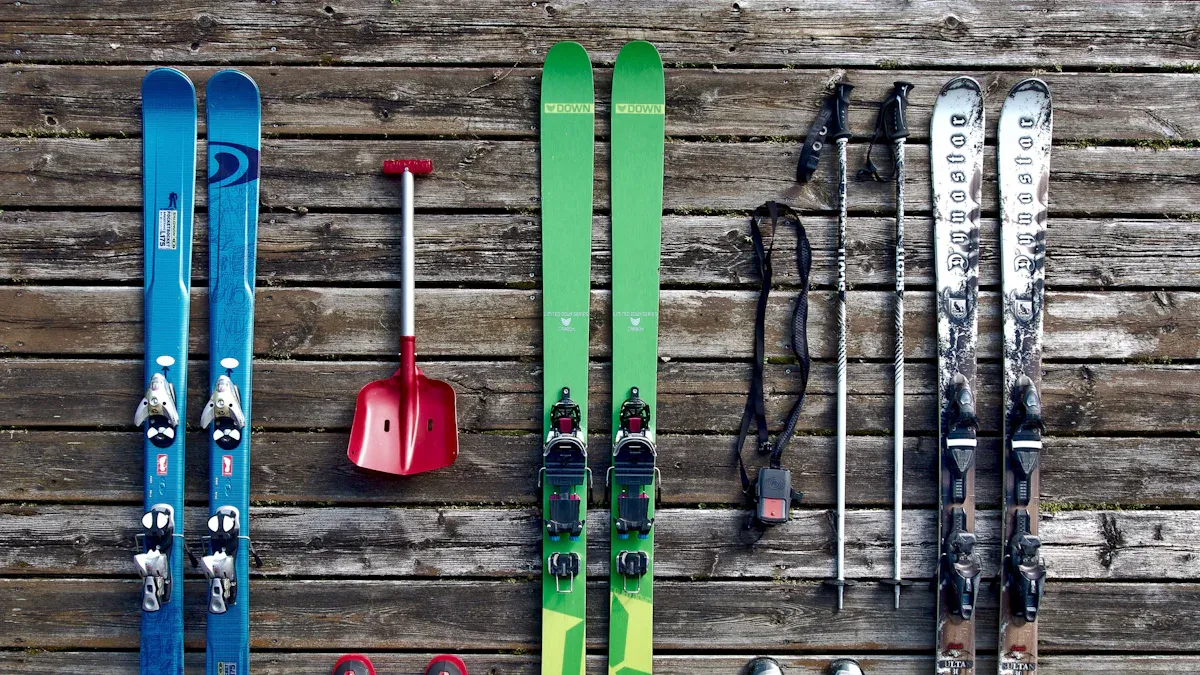
When you think about sports gear, it’s essential to recognize that different sports have unique needs. Each sport demands specific equipment to enhance performance and ensure safety. Let’s break down some common types of sports gear and how to research your options effectively.
Types of Sports Gear
Here’s a quick look at the essential gear for popular sports:
Cycling:
Cycling jersey
Bib shorts
Socks
Cycling shoes
Football:
Football leggings
Football captain’s tape
Football shinguard
Football bracelet
Football footband
Football visor
Basketball:
Basketball sleeve
Basketball armband
Basketball headband
Basketball handband
Basketball bracelet
Understanding these specific requirements helps you select the right sports gear tailored to your activity. For instance, cycling gear focuses on aerodynamics and moisture management, while football gear emphasizes protection against impacts.
Researching Gear Options
Before making a purchase, take the time to research your gear options. Here are some key factors to consider:
Performance Improvement: High-quality gear can enhance your speed, agility, and precision, leading to better athletic performance.
Safety: Equipment that meets safety standards reduces injury risks, especially in contact sports.
Durability: Investing in durable gear saves money over time as it withstands wear and tear.
Comfort: Ergonomic designs and quality materials improve comfort, allowing you to focus on your performance.
Versatility: Quality equipment can often be used for multiple activities, reducing the need for specialized gear.
Remember, whether you’re playing a contact sport like football or a non-contact sport like baseball, the right gear is crucial. Contact sports require extensive protective gear due to the high risk of injury from physical contact. Non-contact sports still benefit from specialized equipment, as seen in baseball where players need protection from fast pitches.
By understanding these sport-specific requirements, you can make informed decisions that enhance your safety and performance on the field or court.
Comfort and Fit
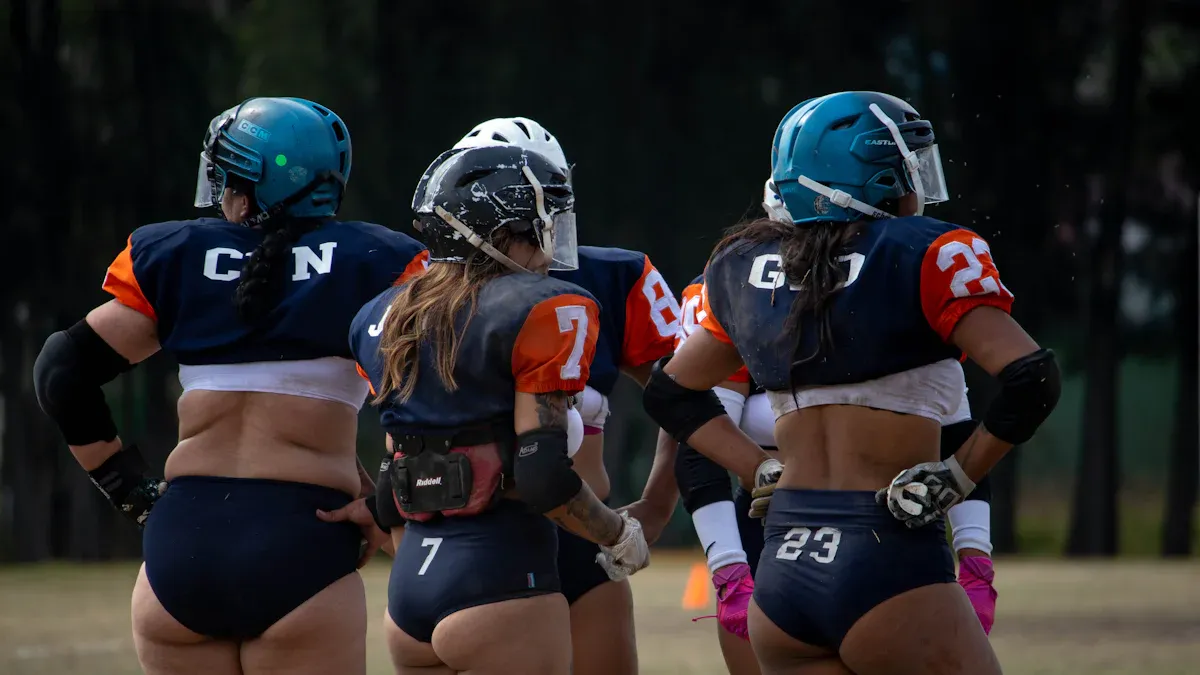
When it comes to sports gear, comfort and fit are everything. You might not realize it, but the right fit can make a huge difference in your performance and help prevent injuries. If your gear is too tight or too loose, it can restrict your movement or even cause discomfort during play. Research shows that poorly fitting personal protective equipment can hinder your athletic performance, increasing the risk of injuries. So, let’s dive into how you can measure for the right fit and what materials to consider.
Measuring for Fit
Getting the right size is essential. Here’s how you can measure yourself to ensure your gear fits perfectly:
Measure around the fullest part of your chest with your arms down while taking a deep breath.
Measure around the narrowest part of your waist, typically where your body bends side to side.
Measure around the fullest part of your buttocks with your feet together.
Measure from the center of your shoulder down through your legs and back to the shoulder for torso length.
Measure from the crotch to one inch above the floor for inseam.
Tip: If you plan to wear additional clothing underneath, consider going up one size. For youth athletes, keep potential growth spurts in mind. Many modern performance fabrics stretch, allowing for slight sizing adjustments.
Material Considerations
The materials used in your sports gear can significantly affect both comfort and durability. Here are some common materials and their benefits:
Material | Benefits |
|---|---|
Carbon Fiber | Superior strength, extremely lightweight, allows for faster swings, durable for performance. |
Sportswear Fabrics | Soft, breathable, moisture-wicking, provides support, regulates temperature, enhances performance. |
Wooden Equipment | Renewable, biodegradable, shock-absorbing, durable, customizable for athletes’ needs. |
Choosing high-quality materials can enhance your overall experience. For instance, moisture-wicking fabrics keep sweat off your skin, reducing overheating and irritation. This is especially important during intense workouts. Proper footwear, made from the right materials, can improve biomechanics, stability, and energy transfer, leading to better performance. Studies indicate that athletes wearing suitable shoes experience better running economy and less muscle fatigue.
Quality Over Price
When it comes to sports gear, you often face a choice between quality and price. While it might be tempting to go for the cheaper option, investing in high-quality gear pays off in the long run. Let’s explore why quality matters and how to recognize it.
Recognizing Quality Brands
Some brands stand out for their commitment to quality. Here are a few you might want to consider:
Brand | Warranty/Guarantee Description |
|---|---|
Patagonia | Offers an ‘Ironclad Guarantee’ for product satisfaction, including replacement, refund, or repair options. |
Chaco | Provides a lifetime warranty, with repair options available, though normal wear and tear is not covered. |
Darn Tough | Features an unconditional lifetime guarantee that covers any damage as long as the product can be identified as theirs. |
These brands not only provide quality gear but also back it up with solid warranties. This means you can trust their products to last longer and perform better.
Evaluating Durability
Durability is a key factor when selecting sports gear. High-quality gear often lasts longer and requires less maintenance. Here’s a comparison of high-quality gear versus cheaper alternatives:
Aspect | High-Quality Gear (Carbon Fiber) | Cheaper Alternatives (Steel/Aluminum) |
|---|---|---|
Initial Cost | Higher | Lower |
Longevity | Longer lifespan | Shorter lifespan |
Replacement Frequency | Less frequent | More frequent |
Maintenance Costs | Lower | Higher |
Warranty | Limited lifetime warranty | No warranty |
Overall Cost Savings | Significant over time | Minimal savings |
Investing in quality gear means fewer replacements and lower maintenance costs. Cheaper options might save you money upfront, but they often lead to higher costs over time due to frequent replacements and repairs.
Skill Level Considerations
When you start your journey in sports, your gear needs will change as you progress. Understanding this evolution can help you select the right sports gear that matches your skill level.
Gear for Beginners
As a beginner, you should focus on basic equipment that suits your current abilities. Starting with the right gear can make your experience enjoyable and help you build confidence. Here are some essential tips for beginners:
Choose gear that is easy to use and comfortable.
Look for equipment that offers basic features without overwhelming complexity.
Invest in items that provide good support and protection, like proper footwear or helmets.
Starting with simple gear allows you to learn the fundamentals without distractions. As you gain experience, you can explore more advanced options.
Upgrading as You Improve
As you progress, your gear should evolve too. Here’s how your needs change as you advance:
Intermediate Level: At this stage, you might benefit from gear that has adjustable settings or different difficulty modes. This adaptability helps prevent training plateaus and keeps your routine engaging.
Advanced Level: Once you reach an advanced level, focus on fine-tuning your equipment. You’ll want gear that supports targeted workouts, addressing specific areas like muscular endurance or lactate threshold. Incorporating higher intensity workouts becomes crucial for optimizing your performance.
By upgrading your gear as you improve, you ensure that it continues to support your athletic journey. Remember, selecting the right sports gear is not just about performance; it’s also about enjoying the process and staying safe.
Importance of Safety Gear
Safety gear plays a vital role in preventing injuries while you enjoy your favorite sports. Whether you’re playing football, cycling, or engaging in any other activity, the right safety equipment can make a significant difference. Let’s explore the types of safety gear you should consider and the standards that ensure their effectiveness.
Types of Safety Gear
Different sports require specific safety gear to protect you from injuries. Here’s a list of essential safety gear for some high-risk sports:
Football:
Helmet
Mouthguard
Shoulder pads
Jockstrap
Knee pads
Ice Hockey:
Helmet
Mouthguard
Shin guards
Elbow pads
Gloves
Cycling:
CPSC-certified helmet
Appropriate footwear
Wearing helmets can reduce the risk of head injuries by 75%–85%. Always choose a helmet designed for your specific sport, ensuring it fits snugly and meets safety standards.
Understanding Safety Standards
Safety standards help ensure that the gear you use is effective in protecting you. In Europe, protective apparel must meet CE standards for various sports. In the U.S., standards can vary. For example, a DOT-approved helmet is sufficient for street use, while some race tracks may require Snell or ECE-rated helmets.
Here’s a quick overview of safety terms you might encounter:
Term | Explanation |
|---|---|
CE Tested | Indicates that the manufacturer tested the gear, but not necessarily in a certified facility. |
CE Certified | Implies that samples were tested in certified facilities, providing more assurance. |
CE Approved | Means multiple parts of the gear were tested and accredited to meet or exceed required standards. |
Young athletes are particularly vulnerable to injuries due to their ongoing physical development. Their growth plates are weaker than ligaments and tendons, making them more susceptible to serious injuries. Always ensure that the safety gear you choose meets the necessary standards to keep you safe while you play.
Expert Advice
Consulting Coaches
When it comes to selecting the right sports gear, don’t underestimate the value of consulting coaches or trainers. These experienced individuals can provide you with insights that can greatly enhance your performance. Here are some benefits of seeking their advice:
Athletes who wear appropriate gear tend to perform better and suffer fewer injuries.
Proper apparel controls temperature, which is crucial for injury prevention. Muscles function efficiently within specific temperature ranges.
Smart gear selection promotes proper movement, reduces strain, and supports consistent progress. This leads to fewer setbacks in your athletic career.
Coaches have seen many athletes come and go. They know what works and what doesn’t. So, don’t hesitate to ask them for recommendations on gear that suits your sport and skill level. Their expertise can help you make informed choices that align with your goals.
Reading Reviews
Another great way to make informed decisions about sports gear is by reading user reviews. These reviews offer critical insights into the quality and performance of products. They reflect the experiences of actual users, highlighting both strengths and weaknesses. By analyzing these evaluations, you can better understand what to expect from a product. This is especially important for significant purchases where the risk of dissatisfaction is high.
Look for reviews that mention durability, comfort, and performance. Pay attention to comments about how the gear holds up during intense activities. This information can guide you toward gear that meets your needs and helps you avoid products that might not deliver.
Selecting the right sports gear is crucial for your safety and performance. Remember to consider factors like ergonomics, material selection, and user feedback. These elements help ensure you get gear that fits well and supports your athletic journey.
Using a checklist can simplify your decision-making process. It helps you assess your needs and avoid common mistakes, like overlooking proper sizing or specific sport requirements. By taking the time to research and evaluate your options, you can make informed choices that enhance your experience. So, gear up wisely and enjoy your sport!
FAQ
What should I consider when buying sports gear?
When buying sports gear, consider your sport’s specific requirements, comfort and fit, quality over price, and your skill level. Research brands and read reviews to make informed choices.
How often should I replace my sports gear?
Replace your sports gear when it shows signs of wear, no longer fits properly, or fails to meet safety standards. Regularly check for damage, especially in high-impact sports.
Can I use the same gear for different sports?
Some gear can be versatile, like running shoes for casual basketball. However, specialized sports gear often provides better performance and safety. Always choose equipment designed for your specific sport.
How do I know if my gear fits properly?
Your gear should feel snug but not restrictive. Check for comfort during movement. If you experience chafing or discomfort, it may be time to reassess your size or style.
Is it worth investing in high-quality gear?
Yes! Investing in high-quality gear often leads to better performance, increased safety, and long-term savings. Cheaper options may cost more over time due to frequent replacements.
