Book Appointment Now

8 Best Archery Broadhead Targets for 2026
Archery practice gets messy in a hurry once you start mixing field points, broadheads, and different bow speeds. You need targets that fit your setup, hold up to repeated use, and still make sense in a backyard, at camp, or at the range. This roundup keeps the focus on practical ownership, not brochure language.
Some of these picks lean toward portability, while others make more sense for heavy use or broader arrow compatibility. You’ll see where each one fits best, what it gives up, and which target makes the most sense for your shooting style.
Quick Look At The Shortlist
PickWhy We Picked ItBest ForAction
Balanced Choice
Morrell Yellow Jacket Dual Threat Foam Archery Target Block Yellow
Four-sided practice variety
Mixed bow setups

Compact Choice
Rinehart 18-1 Archery Target
Many faces, easy carry
Portable range sessions

Performance Leader
Delta McKenzie Speedbag 20′ Archery Field Point Bag Target
High-speed field-point use
Serious practice routines

Value Pick
VEVOR Archery Target Block Black
Light, easy to move
Home practice setups
Premium Pick
Rinehart Targets Rinehart RhinoBlock Target
Self-healing foam design
Broadhead practice

Compact Choice
VEVOR15 x15 All-Side Shotting Archery Arrow Target Black
Small footprint, easy carry
Younger archers

Heavy Duty Pick
Morrell High Roller Foam Archery Target
Six-sided aiming variety
Broadhead and field-point use
More Details On Our Top Picks
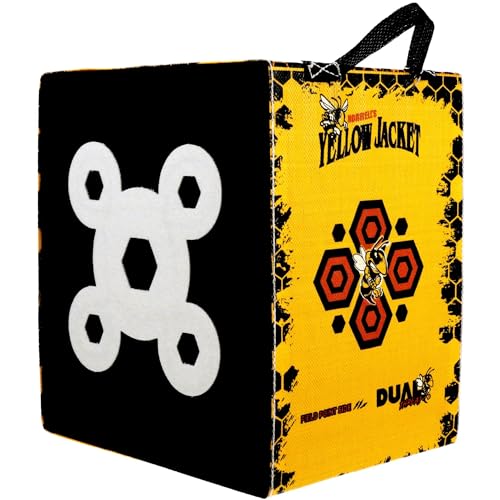
The Yellow Jacket makes sense for mixed-use practice, especially in a backyard where you want one block that handles a range of bow setups. Its fused cellular foam and offset bullseye layout give it a more structured feel than a plain practice block, and the 32 aiming spots keep sessions from feeling repetitive.
You may like this more than the smaller VEVOR blocks later in the list because it leans toward repeated use rather than easy carry. The trade-off is size and weight, so it suits a fixed practice spot better than a target you move after every session.
Strong Points
- Four-sided layout gives you more aiming variety.
- Rated for arrows up to 350 FPS, which helps for stronger setups.
- Offset bullseyes spread wear across the face.
- Foam construction suits repeat backyard sessions.
Points To Note
- It takes more space than the compact VEVOR blocks.
- Moving it often can get tiresome after longer sessions.
- Like most foam blocks, you’ll want to keep it dry and stored cleanly.
Feature Snapshot
Who It Suits Best
Backyard archers with compound bows or crossbows get the most from this one, especially when they want a durable block they can leave in one place.
A Better Fit Elsewhere
Rinehart Targets Rinehart RhinoBlock Target suits you better for broadhead practice, since its self-healing foam is built around that use case.
The 18-sided cube layout is the draw here, because it keeps practice fresh without making the target feel complicated. Its carry handle also makes more sense than the heavier foam blocks in this roundup, especially for club days or a camp setup.
Broadhead and field-point compatibility gives it a wider job description than the Delta bag target below, though it still feels more portable than tank-like. The honest read is that you’re getting convenience first, with enough face variety to stretch the life of each side.
What We Like
- 18 faces give you plenty of rotation before a face wears out.
- Carry handle makes transport easier across different shooting spots.
- Works for both broadheads and field points.
- Useful for backyard practice, clubs, woods, or hunting camp.
Small Caveats
- The cube shape is practical, but not as compact as a flat bag target.
- Regular rotation helps you get the most out of all 18 faces.
Core Details
Built With In Mind
Camp shooters and club regulars will get the most value here, since the handle and many-sided design make it easy to live with.
Another Choice May Suit
Delta McKenzie Speedbag 20″ Archery Field Point Bag Target fits you better for field-point-only work and a smoother arrow pull.
Delta keeps things plain, and that can be useful when you want an all-side target without a lot of extra fuss. The integrated handles help with moving it, so it makes more sense for casual range days than a bulky target you leave in one place.
Because the listing confirms both field-point and broadhead compatibility, it sits closer to the Morrell Yellow Jacket than to the field-point-only Speedbag. The catch is the source details stay light, so this one suits shoppers who care more about the basic format than a long feature list.
Upsides
- All sides are shootable, which extends usable face area.
- Handles make it easier to reposition.
- Broadhead and field-point compatibility adds flexibility.
- Simple layout works well for uncomplicated practice sessions.
Areas To Watch
- The listing gives fewer construction details than some others here.
- It may feel plain beside the multi-face Rinehart 18-1.
Details At A Glance
Whose Shelf It Belongs On
Casual shooters who want a no-frills target with broadhead support will get along with this one.
Look Elsewhere When
Rinehart Targets Rinehart RhinoBlock Target fits you better for more specialized broadhead practice and a foam style built for that job.
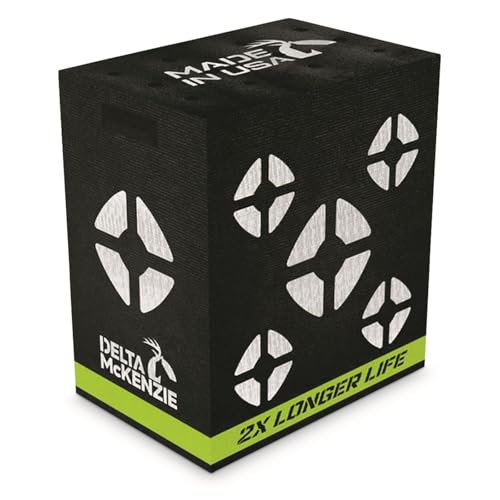
This Speedbag reads like a serious field-point target for people who shoot a lot and want cleaner arrow removal. The 20-inch bag format is a nice middle ground, because it’s big enough for frequent practice without taking over your whole space.
Compared with the Morrell cube blocks, this one is more specialized and less about broadhead versatility. That narrower focus is the trade-off, but it also explains why field-point shooters often prefer a bag target like this for repeated sessions.
Highlights
- High-density build supports frequent field-point practice.
- Dual-sided aiming points help vary shot placement.
- Weatherproof design fits backyard storage better than many foam-only options.
- Compatible with compound bows, recurves, and crossbows.
- Easy arrow removal keeps practice moving smoothly.
Trade Offs
- It is aimed at field points, so it is not the broadhead-first choice in this lineup.
- Bag-style targets can need more frequent face attention than heavier foam blocks.
Feature Rundown
Right Fit For
Frequent field-point shooters who want a practice bag with a wide compatibility range will get the most from this model.
Where A Sibling Pick Shines
Morrell High Roller Foam Archery Target suits you better if you want a six-sided foam cube with broadhead support.
VEVOR keeps the format compact, and the listed 16 x 18 x 11-inch size makes that clear right away. At 6.8 pounds, it fits well for home practice, garage sessions, or a quick move to the range, especially for shooters who do not want a bulky block.
The listed guidance matters too: bows under 45 pounds, no broadheads, and a 30-foot distance. That makes this less flexible than the Morrell or Rinehart options, but it can still be a handy portable block for lighter setups.
Reasons To Buy
- Light weight makes it easy to move from place to place.
- Built-in handle supports carry-and-store convenience.
- Compact size suits smaller practice areas.
- Clear visibility helps with quick target acquisition.
Honest Caveats
- It is meant for bows under 45 pounds, which narrows the fit.
- Broadheads are not part of its stated use.
- You’ll want to keep the distance guidance in mind for safer setup.
Quick Facts
The Right Fit
Home shooters using lighter bows will appreciate the easy carry and modest footprint.
Swap It Out When
Morrell Yellow Jacket Dual Threat Foam Archery Target Block Yellow suits you better once you want a tougher all-around block for stronger setups.
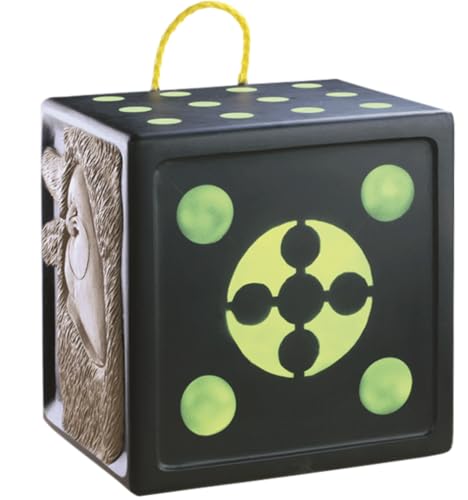
This is the most purpose-built broadhead practice option in the group. The six-sided layout gives you two deer-style vitals faces and four dot faces, so the target feels closer to hunting prep than a general backyard block.
Its self-healing foam is the big practical draw, since that material is designed to close around arrow holes and make removal easier with field points, fixed-blade broadheads, and expandables. For serious bowhunters, that makes sense, though it also means you’re paying for a more specialized build than the VEVOR blocks.
Best Bits
- Six shooting faces give you useful variety.
- Two faces are set up for deer vital practice.
- Self-healing foam supports repeated arrow removal.
- Handles field points, fixed-blade broadheads, and expandables.
- Useful for bowhunting prep and shot placement practice.
Worth Noting
- It is more specialized than simpler backyard blocks.
- Serious foam targets often cost more because the material and layout are more refined.
- Some shooters may prefer a lighter carry shape for range travel.
Spec Overview
Built With In Mind
Bowhunters who want a more realistic practice target will get the most out of this block.
Reach For A Different Pick When
Delta McKenzie Speedbag 20″ Archery Field Point Bag Target fits you better for field-point-only practice and a smoother bag-style pull.
The 15-inch cube format makes this the smallest-feeling option in the group, and that matters in tight spaces. At 7.9 pounds with a built-in handle, it works well for young archers or anyone who wants a target they can move without much effort.
Compared with the larger VEVOR block earlier, this one gives you a smaller footprint but less room to spread out wear. The source data does not mention broadhead use, so it’s best thought of as a lightweight portable arrow target rather than a do-everything block.
Positives
- 15-inch cube size is easy to place in smaller areas.
- Light weight supports easy transport.
- Built-in handle helps with carry and storage.
- Good fit for younger archers handling a target on their own.
Minor Gripes
- Smaller surface means less room to rotate shots.
- It feels more like a portable practice block than a heavy-duty fixture.
- The listing leaves broadhead compatibility unconfirmed.
Feature Card
Made For
Younger archers and casual home shooters who want a light target they can manage on their own will find this one practical.
Where A Sibling Pick Shines
Rinehart 18-1 Archery Target suits you better once you want more faces and broader arrow compatibility.
The High Roller is the sort of cube target that makes sense when you want lots of aiming points and broadhead compatibility in one block. Six sides and 21 bullseyes give you a steady rotation of shots, which helps stretch usable space during regular practice.
It sits closer to the Morrell Yellow Jacket than the lighter VEVOR blocks, but the broader arrow support makes it the more versatile foam choice for mixed practice. The trade-off is the usual one for durable cubes, because a fuller foam target is less convenient to carry around than a lighter block.
What We Like
- Six-sided cube layout gives you plenty of face rotation.
- 21 bullseyes create a wide spread of aiming points.
- Carry handle makes it easier to move than a fixed setup.
- Works with broadheads, field points, compound bows, and crossbows.
Things To Consider
- Cube foam targets usually take up more space than bag styles.
- Carrying it often can feel more cumbersome than a lighter portable target.
- Keeping all six faces in good shape helps it last longer.
Technical Sheet
Best Suited To
Archers who want a broadhead-ready foam cube for backyard practice and crossbow use will appreciate this setup.
Swap It Out When
Delta McKenzie Speedbag 20″ Archery Field Point Bag Target fits you better for cleaner field-point sessions and a bag-style pull.
How To Choose The Right Archery Broadhead Targets
Match The Target To Your Arrow Type
Broadheads cut differently from field points, so the target face needs to suit the arrow you actually shoot. Foam blocks and self-healing cubes make more sense for mixed arrow use, while bag targets usually lean toward field points and cleaner removal.
That simple split matters in real use, especially for bowhunters who swap arrows between practice and season prep. A target that accepts broadheads can save you from wearing out a field-point-only option too quickly.
Look At Speed, Weight, And Placement
Arrow speed ratings help you sort targets by setup, especially with stronger compounds and crossbows. A block rated for faster shots gives you more room to grow into your setup, while lighter targets work better for casual practice and portable range sessions.
Weight also changes daily ownership. A 6.8-pound block is easy to grab and move, but a heavier foam cube usually feels steadier once it’s parked in the backyard.
Think About Face Variety And Wear
More sides and more bullseyes give you better rotation, which spreads wear across the target. That matters for anyone who shoots often, because one worn face can make a good target feel tired long before the whole block is spent.
Multi-face targets also keep practice from getting stale. A cube with 18 or 21 sides can feel like a small shooting course, while a simpler block is better when you want straightforward repetition.
Choose For Your Main Shooting Routine
Backyard shooters often want durability and a target that stays put. Travel shooters and camp setups lean harder toward handles, smaller footprints, and lighter carries.
Bowhunters need a different emphasis, because realistic vitals and broadhead handling matter more than a flashy shape. The best fit is the one that matches your routine, not the one with the longest feature list.
What To Weigh Before You Order
Common Shopping Slip Ups
Many shoppers focus on size and forget arrow type. A broadhead target and a field-point bag serve different jobs, so that detail belongs near the top of your checklist.
Another common miss is portability. A target that sounds compact on paper can still feel awkward once you carry it across a yard or into a woods setup.
Where The Extra Money Goes
Higher-tier targets usually justify their price with denser foam, more faces, better arrow release, or a layout built for hunting practice. Those features matter most when you shoot often or want fewer interruptions between sessions.
That upgrade makes less sense for occasional casual use. For a weekend shooter, a simpler block can do the job without paying for hunting-grade extras you may never need.
Frequently Asked Questions
Can broadhead targets also handle field points?
Some can, but not all of them do it equally well. The product page should state that compatibility clearly before you assume both arrow types are safe for the same block.
What makes a cube target useful?
A cube target gives you several shooting faces, so you can spread wear around. That helps the target last longer during routine practice.
Is a bag target better than a foam block?
A bag target usually makes field-point practice feel smoother and more straightforward. A foam block often suits broader arrow compatibility and more varied aiming faces.
How important is portability?
Portability matters most for range days, camp setups, and smaller yards. A built-in handle and lighter weight make a target much easier to live with.
What is the smartest choice for bowhunting prep?
A target with deer-style vitals or broadhead-friendly foam usually fits bowhunting practice better. That setup gives you a more realistic place to aim.
Final Thoughts
The right target depends on how you shoot, not just how much space you have for it. A broadhead-ready foam cube makes sense for hunters, a bag target fits field-point routine work, and lighter portable blocks help when you move gear often. Morrell and Rinehart cover the more serious practice end, while VEVOR keeps things easier to carry. Choose the one that matches your bow, your space, and how often you plan to shoot.
