Book Appointment Now

8 Best Archery Targets for Backyard for 2026
Backyard practice works better when your target matches how you shoot. Some setups need dense foam for faster bows, others make more sense for field points, paper drills, or a simple straw face that feels closer to traditional sessions. The right pick saves you from worn-out arrows, awkward setup, and targets that look fine on paper but feel wrong in use.
You’ll find a mix here, from block and bag styles to steel stands and paper sheets. That spread gives you a practical way to match your space, your bow type, and how often you plan to shoot.
Quick Look At Our Shortlist
PickWhy We Picked ItBest ForAction
Balanced Choice
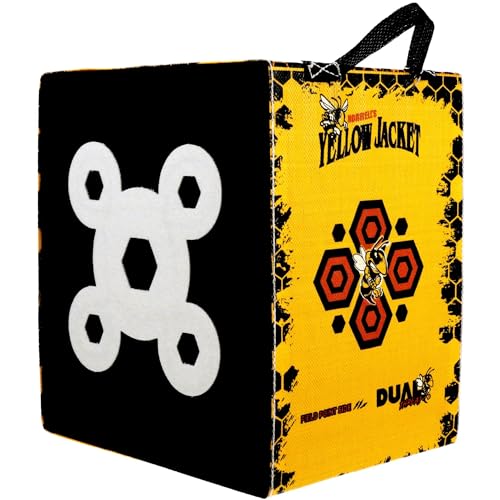
Morrell Yellow Jacket Dual Threat Foam Archery Target Block
Four-sided foam variety
Mixed bow practice

Design Standout
Shooter Field Logic 3D Archery Hog Target
Realistic hunting form
Field-style aiming

Editor's Choice
Morrell Supreme Range Adult Field Point Archery Bag Target
Scoring-focused bag target
Structured practice rounds

Performance Leader
Delta McKenzie Speedbag 20" Archery Field Point Bag Target
Fast-arrow handling
Hard-use training

Practical Pick
Highwild Target Stand System
Simple stand-and-plate setup
Custom target builds

Heavy Duty Pick
Morrell Super Duper Field Point Bow Targets Archery Block Bag
Portable block-bag format
Travel-friendly practice

Traveler's Choice
VEVOR Straw Archery Targets 20" Round
Traditional straw feel
Classic archery style

Value Pick
MOLFUJ Archery Targets Paper 20pcs/50pcs
Low-fuss paper drills
Cost-conscious practice
More Details On Our Top Picks
Foam block targets make sense when you shoot often and want a simple setup that handles repeated sessions without much fuss. This Morrell model stands out for its four-sided layout and 32 bullseyes, so you can keep the same block in rotation instead of wearing one face down too quickly.
The fused cellular foam matters because that style usually balances stopping power with easier arrow pull, especially for backyard practice with compound bows and crossbows. You may still want to keep an eye on edge wear over time, but for mixed household use it’s a straightforward option that feels practical rather than flashy.
Strong Points
- Four usable sides help spread out wear.
- 32 aiming spots give you plenty of practice variety.
- The foam build suits repeat backyard sessions.
- It’s a sensible match for compound bows and crossbows.
- The lighter format is easier to move than a stand system.
Things To Consider
- Foam blocks can show wear faster at very high use.
- You’ll want a stable landing spot so the block stays put.
- The broad design takes more storage room than paper sheets.
Feature Snapshot
Who It Suits Best
You’ll get the most from this target if you want a low-hassle block for compound-bow practice, crossbow sessions, or family target work in a moderate-size yard.
Where A Sibling Pick Shines
Delta McKenzie Speedbag 20" Archery Field Point Bag Target suits shooters who want a bag-style feel with quicker arrow removal and a more training-focused setup.
A 3D hog target changes the feel of practice fast, because the animal shape gives you a more field-like aiming picture than a flat block. That makes this Shooter model appealing for hunters who want to work on shot placement with a target that looks closer to the real thing.
The trade-off is obvious: realistic shape usually means more surface to manage and a less compact footprint than paper or a simple foam block. Still, for backyard practice that’s meant to feel less like a range sheet and more like hunting prep, it has a clear job and does it well.
What We Like
- The hog shape gives you more realistic aiming practice.
- It suits hunting-focused sessions better than flat targets.
- The black finish keeps the look understated.
- It brings variety to a yard already used for basic target work.
Worth Noting
- The 3D form can take up more room than a flat face.
- Realistic shaping tends to be less convenient to store.
- For casual paper drills, this is more target than you need.
Core Details
Who Should Grab It
This fits hunters and field-practice shooters who want a lifelike target shape and already have enough space for a larger, more sculpted setup.
Swap It Out When
Morrell Supreme Range Adult Field Point Archery Bag Target is the easier choice for structured scoring practice and a flatter, more compact backyard setup.
Bag targets are a comfortable middle ground for backyard practice, and this Morrell model pushes that idea toward scoring-focused sessions. The NASP rings give you a more disciplined aim point, which is helpful when you want the yard to feel a little more like a structured drill than random shooting.
The Nucleus center and IFS technology are aimed at helping the target stay useful through repeat field-point shooting, so the setup makes sense for beginners and experienced archers alike. Compared with the Morrell Yellow Jacket block, this one feels more like a scoring tool, while the block leans harder into rotation and broad-use convenience.
Highlights
- NASP scoring rings support structured practice.
- The white face makes aiming zones easy to see.
- Field-point focus suits everyday backyard drills.
- Nucleus center and IFS tech point to longer usable life.
Minor Gripes
- Bag targets can sag or show wear with heavy use.
- You’ll want to keep it dry and stored neatly between sessions.
- The scoring layout may feel too formal for relaxed plinking.
Feature Card
Best Suited To
You’ll appreciate this one most if you want clear scoring feedback and a target that works well for regular field-point sessions in a home setup.
Look Elsewhere When
VEVOR Straw Archery Targets 20" Round suits you better if you want a traditional feel and a simpler visual style for classic backyard shooting.
Delta McKenzie leans harder into serious practice than the softer bag targets above it. The 20-inch format, dual-sided aiming points, and high-density build make it a strong fit for shooters who want a target that handles regular field-point work without feeling flimsy.
The wide compatibility across compound bows, recurves, and crossbows is especially useful in a yard where more than one bow type gets used. The honest trade-off is size and weight, since a denser training target can be less convenient to move, but that same density is part of why it feels better suited to repeated use.
Reasons To Buy
- Dual-sided aiming points give you more usable surface.
- High-density material supports repeated backyard sessions.
- Easy arrow removal helps keep practice moving.
- It works across compound, recurve, and crossbow setups.
Points To Note
- The denser build can be less easy to shift around.
- Its 20-inch size may feel compact for longer-range work.
- You’ll want a stable base or stand for clean placement.
Details At A Glance
Who Will Love This
This is a smart fit for serious backyard archers who share a target across different bow styles and want a more durable training surface.
Reach For A Different Pick When
Morrell Yellow Jacket Dual Threat Foam Archery Target Block is easier to live with for lighter, more portable backyard practice and broader face rotation.
Steel target hardware changes the whole feel of a backyard setup, because you’re not just picking a face, you’re building the rig around it. This Highwild system is aimed at shooters who already know the target style they want and need a clean way to mount an AR500 plate with a 2×4 frame.
That makes it a better fit for custom setups than for casual first-time use. AR500 refers to a hard steel grade commonly used for target plates, and the upside is clear structure for a personalized range, while the trade-off is that you still need the right steel plate and a sensible setup around it.
Upsides
- It gives you a straightforward stand-and-mount path.
- The 2×4 kit keeps the layout familiar.
- It’s useful for shooters building a custom yard station.
- AR500 compatibility points to a more serious target setup.
Small Caveats
- You need the matching steel target to complete the setup.
- The stand kit is more project-focused than grab-and-go.
- Storage depends on how your 2×4 frame is assembled.
Quick Facts
The Right Fit
You’ll like this most if your backyard range already leans toward custom steel work and you want a simple mounting system rather than a complete target face.
Another Choice May Suit
MOLFUJ Archery Targets Paper 20pcs/50pcs is the easier path for quick practice sessions and low-commitment target changes.
This Morrell option sits in a useful middle zone between a full foam block and a soft bag face. The yellow finish makes it easy to spot in the yard, and the portable block-bag shape suits shooters who want something they can move without turning the garage into a storage puzzle.
It’s aimed at high-speed compound bows and crossbows, so the use case is clearly more demanding than the paper set below. You may still want to think about how often you’ll shift it from place to place, because portable doesn’t always mean light, but the format makes practical sense for backyard practice that changes spots.
Bright Spots
- The block-bag format offers a useful middle ground.
- It fits high-speed compound bows and crossbows.
- The portable shape helps with moving and storing it.
- Yellow coloring makes it easy to see outdoors.
Areas To Watch
- Portable gear still needs a dry storage spot.
- The larger body can take up more room than paper targets.
- High-speed use can mean more wear over time.
Feature Rundown
Who It Belongs On
This fits backyard archers who want a mobile target for stronger bows and prefer a format that still feels substantial.
Where A Sibling Pick Shines
Morrell Supreme Range Adult Field Point Archery Bag Target is a better match for scoring-style sessions and a more formal practice rhythm.
Straw targets have a very different feel from foam or bag options, and that’s the point here. This VEVOR round target suits shooters who want a traditional look in the yard and a surface that lines up with classic archery practice more than modern scoring routines.
The 20-inch round size keeps the footprint manageable, which helps in smaller yards or shared spaces. The honest trade-off is maintenance and weather exposure, since straw-style gear usually asks for a little more care than dense synthetic builds, but the traditional feel is hard to fake with other materials.
Best Bits
- The traditional straw build brings a classic practice feel.
- The round shape keeps the layout simple.
- It fits backyard use without feeling bulky.
- The red finish gives it a clear visual presence.
Room For Improvement
- Straw targets usually need more careful weather protection.
- The material can look rougher with heavy use.
- It’s less flexible than a block if you want many aiming zones.
At A Glance
Whose Shelf It Belongs On
This belongs with archers who like a traditional target feel and want a round face that fits neatly into a backyard setup.
Skip It When
MOLFUJ Archery Targets Paper 20pcs/50pcs makes more sense for very quick drills and easy replacement after each session.
Paper targets keep backyard practice simple, and that simplicity is useful when you want a clean aiming reference without committing to a bulky setup. This MOLFUJ pack works for hunting practice and general target shooting, with ring layouts in 10-ring and 5-ring styles that suit different levels of precision work.
The 16×16 and 15.7×15.7 inch sizes give you enough surface for routine sessions while still being easy to swap out, which is the real advantage here. Compared with the VEVOR straw target or any foam block in this list, paper is the least demanding to store, though it also gives you the least physical stopping surface.
Positives
- Easy to replace between practice sessions.
- Two scoring layouts support different drill styles.
- The flat sheets store neatly in a drawer or bag.
- Good for quick backyard sessions and paper-based sight checks.
Points To Note
- You need a backstop or holder behind the paper.
- Paper gives you less forgiveness than foam or straw.
- Wet weather can shorten the useful life of each sheet.
Feature Snapshot
Made With In Mind
You’ll get the most value from these sheets if you want quick practice changes, easy storage, and a low-fuss way to keep shooting sharp.
A Better Fit Elsewhere
Delta McKenzie Speedbag 20" Archery Field Point Bag Target suits you better if you want a more durable backyard target with a physical face that handles frequent field-point work.
How To Choose The Right Archery Targets For Backyard
Match The Target To Your Bow And Arrows
Compound bows, recurves, and crossbows do not ask the same thing from a target. Faster setups usually benefit from denser foam or tougher bag styles, while light practice with field points can get by with simpler options like paper or straw.
Arrow type matters just as much. Field points are the easiest fit for the products here, while broadheads are a different story and deserve a separate target plan.
Think About Space, Storage, And Setup
A backyard target should fit the yard before it fits your wish list. Flat paper sheets need the least storage, foam blocks stay fairly compact, and 3D targets or stand systems ask for more room and a more deliberate setup.
Storage also shapes day-to-day satisfaction. A target that’s a pain to move, dry off, or tuck away tends to get used less, even when the shooting face itself is solid.
Decide How Formal You Want Practice To Feel
Some backyard sessions are casual, others are more like drills. Scoring-ring bags, such as the Morrell Supreme Range, help you work on aim discipline, while a hog-shaped 3D target gives you a hunting-style sight picture.
That choice matters for motivation. A formal target can sharpen focus, while a plain block can keep things easy and low-friction for family use or frequent short sessions.
Choose For Durability Or Convenience
Densely built foam and heavy bag targets usually last longer under repeat use, but they can be heavier and less convenient to shift. Paper sheets are the opposite, since they’re light and easy to replace, though you’ll burn through them faster.
The right answer depends on how often you shoot. Frequent practice favors a sturdier target, while occasional sessions often benefit from something lighter and simpler.
What To Weigh Before You Click
Common Shopping Slip Ups
A common mistake is buying a target that looks sturdy but doesn’t match the bow you use most often. Another is forgetting the backstop, stand, or frame that keeps the target steady in the yard.
Paper also gets picked too often for heavy-duty needs. It’s great for quick drills, but it’s not the same as having a real stopping surface.
Where The Extra Money Goes
Higher-tier targets usually cost more because the materials are denser, the faces are more usable, or the shape is built for repeated practice. That shows up in the Morrell foam blocks and the Delta McKenzie bag, both of which are aimed at longer use than basic paper sheets.
You also pay for convenience in the setup. A stand system or a more realistic 3D form takes more material and usually more planning, which is why those picks suit committed practice routines.
Frequently Asked Questions
What kind of archery target works best for a backyard?
The best fit depends on your bow, your space, and how often you shoot. Foam blocks and bag targets cover the broadest range of home practice.
Are paper archery targets useful at all?
Yes, paper targets are very useful for short sessions and sight checks. They’re especially handy when you want a quick reset after each round.
Is a 3D target worth it for home practice?
A 3D target makes sense when you want a more realistic aiming picture. Hunters usually appreciate that extra field-style feel.
Do straw targets need more care?
They usually do, since natural material tends to ask for more attention than foam or paper. Keeping them dry and stored well helps them stay usable longer.
Should a beginner start with a block or a bag?
A block or bag target is usually easier to live with than a more specialized setup. The choice depends on whether you want variety, scoring rings, or a simple face to shoot at.
Final Thoughts
Backyard archery gets easier once your target matches your real routine, not just the product photo. The Morrell Yellow Jacket block works well for mixed use, the Morrell Supreme Range brings more scoring structure, and the Delta McKenzie bag leans into tougher practice. Paper and straw stay useful too, just for different reasons. Choose the style that fits your bow, your yard, and how much setup you want to deal with, and your practice will feel a lot smoother.
