Book Appointment Now

7 Best Bows for Beginners for 2026
Starting with archery can feel oddly technical, especially once draw weight, handedness, and bow type enter the picture. The seven picks below focus on setups that make first steps easier, whether you want a youth bow for a child, a recurve for practice, or a compound package with the extras already in the box. You get a clearer path for backyard target time, family practice, and entry-level training without sorting through a wall of confusing options.
Quick Look At The Shortlist
PickWhy We Picked ItBest ForAction

Balanced Choice
Sanlida Archery Dragon X8 RTH Compound Bow Package
Wide adjustment range
Growing teen archers

Everyday Favorite
Bear Archery Spark Youth Bow Set
Simple youth-ready setup
Young first-time archers

Design Standout
Kids Bow and Arrow Set, 32 Inch Handmade Wooden Toy Bow
Playful wooden build
Dress-up and play
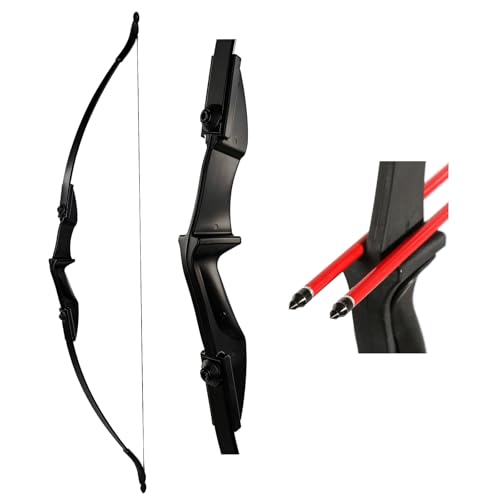
Practical Pick
TOPARCHERY Archery 57″ Takedown Youth Recurve Bow
Takedown recurve format
Hands-on practice

Feature Rich
Sanlida Eagle X9 New 58″ RTH Standard Recurve Bow
Accessory-heavy package
Adults learning recurve

Value Pick
Recurve Bow and Arrow Set for Adults and Youth 20 30 40lb
Low-friction starter path
Budget-conscious practice

Upgrade Pick
Sanlida Dragon X7 Ready to Hunt Compound Bow Package
Full compound starter kit
Adults starting compound
More Details On Our Top Picks
For teens moving beyond a pure starter bow, this Dragon X8 package brings a lot of adjustability without feeling stripped down. The 18-inch to 31-inch draw length range and 0 to 70 pound draw weight span give you room to grow, which matters more than flashy specs in a first compound setup.
You also get the practical extras people usually end up buying later, including a 5-pin sight, arrow rest, stabilizer, wrist sling, peep sight, quiver, release, arrow puller, bow stand, case, and 12 arrows. The trade-off is that a fuller compound kit can feel busy on day one, so it suits you best when you’re ready to learn the parts and keep everything organized.
Strong Points
- Broad adjustment range supports growth over time.
- Accessory bundle cuts down on extra shopping.
- Compound format gives a more guided aiming feel.
- Included case makes storage and transport easier.
Things To Consider
- Compound setups usually ask for a little more setup patience.
- Right-hand orientation only limits flexibility for left-handed archers.
- The larger kit can take more space in a garage or closet.
Feature Rundown
Who It Suits Best
You fit this best when you want a serious compound package for backyard practice, teen training, or an adult starter setup with room to grow.
A Better Fit Elsewhere
Sanlida Dragon X7 Ready to Hunt Compound Bow Package suits you better when you want a similar compound path with a slightly different entry point for adult beginners.
The Spark keeps things straightforward for younger archers, which is exactly what many families need for a first setup. Ambidextrous design means you do not have to worry as much about dominant hand on day one, and the included arrows, armguard, and quiver make it easier to start with a tidy kit instead of assembling pieces one by one.
Compared with the Dragon X8, this is a much gentler entry point, with a smaller scope that fits kids ages 5 to 10. The honest read is that it makes the most sense for supervised backyard use and early coordination practice, not for an older child who is already pushing into more demanding gear.
Highlights
- Ambidextrous layout keeps setup simple.
- Included armguard and quiver round out the kit.
- Kid-focused design feels less intimidating than adult bows.
- Light, compact format suits family practice sessions.
Small Caveats
- The age range is narrow, so growth can outpace it.
- It is better suited to supervision than solo use.
- Basic kit content keeps the learning curve simple, but not especially expandable.
Key Specs
Who Should Grab It
You suit this set best when you want a child-sized bow for early practice, family time, or a first step into archery basics.
Where A Sibling Pick Shines
TOPARCHERY Archery 57″ Takedown Youth Recurve Bow fits older kids and teens better when you want a more training-focused bow with stronger room to progress.
This handmade wooden set leans more playful than technical, and that makes sense for younger children or costume use. At 32 inches, it has enough presence to feel like a real prop without moving into the heavier, more serious territory of the recurve and compound picks above.
You get one bow, one quiver, and 10 wood arrows, which is plenty for dress-up, pretend play, or a themed birthday setting. The trade-off is that the toy-like format is less about skill building and more about imaginative use, so it fits families who want a safer-feeling prop rather than a training bow.
Positives
- Wooden build has a handmade look that stands out.
- 32-inch size feels substantial for costume play.
- Quiver and ten arrows keep the set complete.
- Works well for dress-up and imaginative use.
Points To Note
- It leans toward play rather than real archery practice.
- Wood construction asks for gentler storage and handling.
- Older kids may outgrow the prop-style appeal quickly.
At A Glance
Whose Shelf It Belongs On
You fit this set best when you want a wooden prop for costume play, themed parties, or younger kids who enjoy pretend archery.
Another Choice May Suit
Bear Archery Spark Youth Bow Set suits children who want a more clearly archery-focused starter bow rather than a toy-style prop.
TOPARCHERY takes the more traditional route, and that usually helps beginners who want to learn the basic shape and feel of archery without a compound system in the way. The 57-inch takedown design means the bow breaks into pieces, which is helpful for storage, transport, and the kind of practice routine that happens in a garage or backyard.
Draw weight options of 20, 30, and 40 pounds give you a way to choose the level that fits the archer, though the higher settings are better reserved for stronger teens or adults. The note about adult supervision and no dry firing is worth respecting, because a recurve like this asks for more care than a toy bow and rewards steady handling.
What We Like
- Takedown design makes transport and storage simpler.
- Multiple draw weight choices help match skill level.
- Ambidextrous use widens the fit for more households.
- Recurve style builds solid basics for practice.
Areas To Watch
- It asks for careful handling and supervision.
- The stronger draw settings can feel demanding at first.
- Storage works well once broken down, but assembly adds a step.
Details At A Glance
Made For
You fit this bow best when you want a recurve for supervised practice, teen training, or a first serious step beyond toy-level gear.
Skip It When
Bear Archery Spark Youth Bow Set is a better match for younger children who need a lighter, simpler starter setup.
Sanlida’s Eagle X9 brings a more complete recurve package than the simpler sets above, and that matters for adults who want a smoother start without hunting down a pile of extras. The 58-inch takedown format gives it a classic recurve feel, while the broader 25 to 60 pound draw range leaves room for a lot of skill and strength levels.
The included kit language points to a well-matched accessory bundle, which is helpful in a garage or range bag where mismatched parts can turn practice into a chore. The trade-off is that a fuller kit can ask for more organization, so it suits you best when you want a more polished entry into recurve archery rather than the bare minimum.
Reasons To Buy
- Fuller package reduces the need for extra add-ons.
- 25 to 60 pound range supports progression.
- 58-inch recurve format feels traditional and stable.
- Good fit for adults who want a more complete setup.
- Accessory matching can make the system easier to live with.
Worth Noting
- More kit pieces mean more to keep track of.
- It may feel like more bow than a casual weekend only setup.
- Left-right fit details are less central here than on ambidextrous picks.
Core Details
Built With In Mind
You fit this choice best when you want an adult recurve package for range practice, backyard sessions, or a more complete first setup.
A Better Fit Elsewhere
TOPARCHERY Archery 57″ Takedown Youth Recurve Bow suits younger archers or families who want a more basic recurve starting point.
This SOPOGER set keeps the entry point calm and uncomplicated, which is a real plus for new archers who want to learn form before chasing power. The 20, 30, and 40 pound options give you a ladder of sorts, and the right- and left-handed design helps a wider range of households share one setup.
The source material also points to a high-strength nylon fiber riser, reinforced fiberglass limbs, and a flexible string, so the construction sounds aimed at steady practice rather than ornament. The catch is that a simple beginner kit can feel sparse compared with the Sanlida packages, but that leaner approach can be exactly what keeps practice focused.
Upsides
- Lightweight learning curve suits first-time practice.
- Right- and left-hand use increases flexibility.
- Three draw weights let you step up gradually.
- Fiberglass limbs and nylon fiber riser add a sturdier feel.
Room For Improvement
- Accessory bundle is more restrained than the richer kits.
- Beginners still need to pay attention to form and setup.
- Simpler packaging may leave you adding pieces later.
Feature Card
Perfect Match For
You fit this set best when you want a straightforward recurve for learning basics, family use, or a step-by-step path into archery form.
Where A Sibling Pick Shines
Sanlida Eagle X9 New 58″ RTH Standard Recurve Bow suits you better when you want a fuller accessory bundle and a more complete recurve package.
The Dragon X7 is the other compound option in this list, and it makes sense for adults who want a ready-to-hunt package without walking into a setup maze. The 0 to 70 pound draw weight range mirrors the Dragon X8’s broad flexibility, so the real difference here is less about raw range and more about which Sanlida package feels like the cleaner starting point for you.
For backyard practice, teen transition, or a first serious compound purchase, this kind of all-in kit can spare you some add-on shopping. The honest read is that compound bows ask for more attention than recurves, but for a beginner who wants that style from the start, this package makes the learning curve feel less steep.
Bright Spots
- Ready-to-hunt package keeps the setup feeling complete.
- Wide draw weight range leaves room for progression.
- Good match for adult beginners and teen learners.
- Compound format can feel more guided for aiming.
Honest Caveats
- Compound systems usually involve more parts to learn.
- Right-hand orientation limits some households.
- A fuller kit can take more storage space than a simple recurve.
Feature Snapshot
Who Will Love This
You fit this bow best when you want a compound starter kit for adult practice, backyard sessions, or a teen ready to learn a more technical bow.
Swap It Out When
Sanlida Archery Dragon X8 RTH Compound Bow Package is the stronger fit for you when you want the same family of compound features with the most adjustable path in the group.
How To Choose The Right Bows For Beginners
Start With Fit, Not Flash
Draw weight matters more than shiny extras. In archery, draw weight is the force needed to pull the string back, and too much of it makes learning form harder than it needs to be. A lighter starting point helps you focus on stance, anchor point, and release instead of fighting the bow.
Bow length and handedness matter too. Shorter youth models suit small hands and shorter arm spans, while ambidextrous designs take some guesswork out of family use. For adults, a recurve or compound with clear size and weight ranges usually feels easier to live with than a generic one-size claim.
Match The Bow To The Use Case
Backyard practice calls for a different setup than costume play or structured training. A wooden toy-style bow makes sense for dress-up and imaginative use, while a takedown recurve suits form practice and storage in a closet or garage. Compound kits fit you best when you want more gear in one box and expect a steeper learning curve.
Think about who will handle the bow most often. Younger children usually do better with simple, lower-pressure kits, while teens and adults can benefit from models that grow with them. That small choice shapes how often the bow stays in use instead of collecting dust.
Pay Attention To The Kit Around The Bow
The bow itself matters, but the accessory list often decides how smooth the start feels. A sight, quiver, armguard, or case can save time and keep the first sessions more organized. On the other hand, more included parts also mean more to store and keep track of.
Compound packages like the Sanlida sets bring more convenience, while simpler recurves keep the focus on fundamentals. That trade-off is useful, not bad, and it helps you choose between a fuller starter box and a cleaner practice tool. The right answer depends on whether you want convenience or a simpler path.
A Quick Reality Check Before You Order
Traps First Timers Fall Into
One common mistake is choosing too much bow too early. A heavy draw weight can make practice frustrating, especially for new archers still learning consistency. Another easy slip is ignoring handedness, which can turn a promising setup into an awkward one.
Storage gets overlooked as well. A takedown bow stores more neatly than a one-piece style, while fuller compound kits need a little more room. Keeping that in mind helps you avoid clutter and keeps the hobby easier to maintain.
What The Higher Tier Buys
More expensive bows usually bring better adjustability, more complete accessory bundles, or a more refined frame and limb setup. That matters most for adults, teens growing into the sport, or households that want one bow to cover several stages of learning. You are paying for convenience and flexibility as much as the bow itself.
That upgrade pays off when you know archery will become a regular routine. For occasional play, a simpler youth set or basic recurve often makes more sense. For steady practice, the fuller Sanlida compound or recurve packages remove a lot of small hassles.
Frequently Asked Questions
What bow type is easiest for a complete beginner?
A light recurve usually feels easiest because it keeps the mechanics simple. A youth set can also work well for small hands and shorter practice sessions.
How much draw weight should you start with?
A lower draw weight is usually the smarter start, because it lets you learn clean form. Heavier bows make sense later, after technique feels steady.
Is a compound bow too much for a beginner?
Not always, but it does ask for more learning than a basic recurve. A compound package works best when you want to grow into the system and keep using it over time.
Why choose a takedown bow?
A takedown bow separates into pieces, which makes storage and transport simpler. That setup also feels easier to manage in a garage, closet, or trunk.
Are youth bows only for kids?
Youth bows are sized for smaller archers, so that age fit matters more than the label on the box. Once the archer grows, a longer recurve or compound usually makes more sense.
Final Thoughts
You have a solid set of starting points here, whether you want a child-sized bow, a simple recurve for practice, or a compound package with more room to grow. The safest path is usually the one that matches strength, handedness, and the way you plan to use it week after week. For a beginner, that fit matters more than a crowded accessory list. Choose the bow that feels manageable in your hands and realistic for your routine, and the learning curve gets a lot friendlier from the first session.
