Book Appointment Now

8 Best Bow Targets for 2026
Bow practice gets easier once your target matches your setup, your space, and your draw speed. Some of these picks are made for field-point repetition in a backyard, while others fit heavier use, crossbows, or more realistic shot placement. A paper target can help you tune form on a tight budget, but a block, bag, or 3D option changes how long you can keep shooting before wear becomes obvious.
This roundup keeps the focus on practical ownership, not hype. You get a clean mix of portable blocks, weather-aware bag targets, and a 3D hog option for hunters who want a more lifelike practice setup.
The Shortlist At A Glance
PickWhy We Picked ItBest ForAction
Balanced Choice
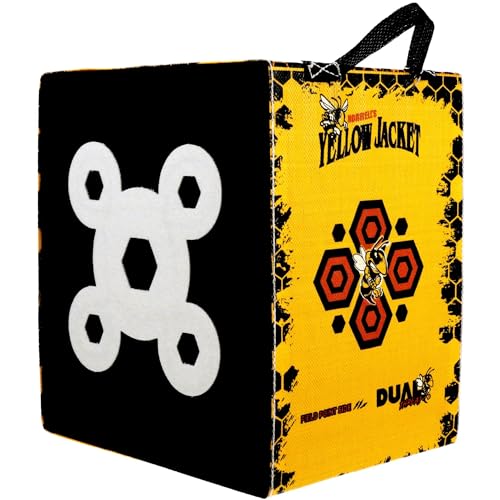
Morrell Yellow Jacket Dual Threat Foam Archery Target Block
Four-sided, high-use design
Mixed bow setups

Feature Rich
Rinehart 18-1 Archery Target
Many faces, easy carry
Portable practice sessions

Design Standout
Shooter Field Logic 3D Archery Hog Target
Realistic hunting form
Field-style target practice

Practical Pick
Morrell Supreme Range Adult Field Point Archery Bag Target
Scoring-ring training focus
Structured form work

Performance Leader
Delta McKenzie Speedbag 20″ Archery Field Point Bag Target
High-speed field-point use
Serious backyard sessions

Heavy Duty Pick
Morrell Super Duper Field Point Bow Targets Archery Block Bag
Durable block-bag build
High-speed compound bows

Value Pick
MOLFUJ Archery Targets Paper
Simple paper practice set
Backyard tune-up work

Compact Choice
VEVOR Archery Target Block
Lightweight portable block
Small-space storage
More Details On Our Top Picks
For mixed bow setups, this foam block makes sense because it’s built to take field-point repetition from compound bows and crossbows. The four sides and 32 bullseyes spread wear across the face, so your practice surface lasts longer before one spot gets tired.
The 350 FPS stopping claim matters most for faster rigs, though broadheads are not part of the story here. You may find the block a little bulky for tight storage, but that’s the trade-off for a target that feels ready for steady backyard use.
What We Like
- Four-sided layout gives you more usable shooting surface.
- 32 bullseyes help you keep sessions organized.
- Fused cellular foam suits repeated field-point practice.
- Fits compound bow and crossbow work well.
Things To Consider
- Foam blocks can take up more storage room than paper sheets.
- It’s aimed at field points, so setup match matters.
Feature Snapshot
Who It Suits Best
It fits backyard archers who want one target for varied field-point sessions and crossbow practice.
Where A Sibling Pick Shines
Delta McKenzie Speedbag 20″ Archery Field Point Bag Target suits you better when you want a bag style with a more competition-minded feel.
The 18-face layout gives this Rinehart target a very different rhythm from the Morrell block above. You rotate through a lot of surfaces, so the target stays useful longer during steady practice, and the carry handle helps when you’re moving between a club lane, a backyard, or camp.
Broadhead and field point compatibility makes it flexible for hunters who want one target for more than one setup. The honest read is that the cube shape can feel a bit plain beside a 3D hog, but that simplicity is part of why it works so well for repeat sessions.
Highlights
- 18 faces give you many shooting zones.
- Easy-carry handle helps with transport.
- Works for both broadheads and field points.
- Good fit for club, backyard, or camp use.
Worth Noting
- The cube form stores best with some clear shelf space.
- Its plain shape offers less realism than a 3D target.
At A Glance
Built With In Mind
It suits archers who move their practice gear often and want broadhead-friendly flexibility.
Swap It Out When
Morrell Yellow Jacket Dual Threat Foam Archery Target Block fits better for shooters who want a foam block with dedicated bullseyes and a higher-speed focus.
After the cube-style Rinehart, this hog target is the one that changes the feel of practice the most. A 3D animal form gives hunters a more lifelike aiming reference, and that matters when you want to move beyond flat faces and into shape recognition.
Field Logic’s setup is aimed at hunting practice, and the source notes point to a durable build that lasts longer than comparable targets. You may find it less convenient for simple bullseye drills, but for realistic shot placement, it brings a more natural training rhythm.
Positives
- 3D hog shape helps practice look more realistic.
- Useful for hunting-focused training sessions.
- Durable material claim suggests longer service life.
- Black finish keeps the form visually distinct.
Points To Note
- Shape-based practice is less convenient for simple ring work.
- 3D targets often need a bit more storage room.
Core Details
Who Should Grab It
Hunters who want a lifelike practice target for backyard or range sessions will get the most from it.
Another Choice May Suit
MOLFUJ Archery Targets Paper works better for archers who want fast lane setup, simple scoring, and low-complexity practice sheets.
Bag targets like this Morrell model suit the archer who wants clear aiming zones rather than a sculpted form. The NASP scoring rings and nucleus center give your practice a disciplined feel, which is useful for beginners building repeatable aim and for experienced archers staying honest on shot grouping.
The weatherproof construction matters for outdoor range setups where gear may sit outside between sessions. You’ll want to keep the bag in decent shape by storing it clean and dry, because bag targets usually reward a little care with longer service.
Bright Spots
- NASP scoring rings support structured practice.
- Nucleus center helps focus your aiming point.
- Weather-ready build suits outdoor setups.
- Good fit for new and experienced archers.
Small Caveats
- Bag targets usually need dry storage to stay in shape.
- It’s less portable than the paper set and smaller block options.
Details At A Glance
Perfect Match For
It fits home ranges and club lanes where formal scoring circles make practice more productive.
Look Elsewhere When
Delta McKenzie Speedbag 20″ Archery Field Point Bag Target fits better for archers who want a higher-speed bag with dual aiming zones.
This Delta McKenzie bag target sits in a more serious lane than the Morrell Supreme Range. The source describes high-density material, dual-sided aiming points, and easy arrow removal, so the setup makes sense for archers who shoot often and want less fuss between volleys.
The 525 FPS field-point claim is the key differentiator here, especially for faster bows used in backyard drilling or competition prep. That said, the bag format still works best for field points, and you may prefer a block or 3D target if you want a different feel at the face.
Reasons To Buy
- High-density build suits repeated field-point use.
- Dual-sided aiming points expand practice options.
- Easy arrow removal helps keep sessions moving.
- Handles high-speed field-point setups.
- Works across compound, recurve, and crossbow use.
Areas To Watch
- Bag style is still less realistic than a 3D target.
- Field-point focus means it’s not the right match for every arrow setup.
Feature Card
Whose Shelf It Belongs On
It suits serious archers who want a high-speed bag target for regular practice and cleaner arrow pull.
Where Shoppers Go Wrong
Morrell Yellow Jacket Dual Threat Foam Archery Target Block is the better fit for archers who want a foam block with more face rotation and a lower-drama setup.
Compared with the Delta bag target, this Morrell option leans more toward a block-bag hybrid feel. The source data points to use with high-speed compound bows and crossbows, so it’s aimed at archers who want a sturdy field-point practice target that can take a fair amount of repetition.
Its portable outdoor design makes sense for people who move between home practice and a range without wanting a heavy setup. The trade-off is that you still need to keep it aligned with field-point use, and a sturdier target usually asks for a bit more room than a paper set.
Standout Traits
- Built for high-speed compound and crossbow use.
- Portable shape suits travel between practice spots.
- Block-bag construction feels more substantial than paper.
Room For Improvement
- Field-point focus limits arrow setup flexibility.
- Bulk is part of the trade for sturdiness.
Technical Sheet
Best Suited To
It fits archers who want a portable field-point target for frequent practice with faster bows.
Reach For A Different Pick When
Rinehart 18-1 Archery Target suits you better when transport comfort and broadhead compatibility matter more than block-style heft.
Paper targets fill a different role than the foam and bag picks above, and that’s the appeal here. MOLFUJ gives you simple printed sheets in two size and ring layouts, so it works well for quick backyard practice, tuning arrows, or keeping a range bag light.
The obvious trade-off is durability, because paper is meant to be replaced rather than lived on for weeks. Still, for straightforward scoring work, paper can be as useful as a mirror, showing your groups without adding much cost or clutter.
Best Bits
- Simple setup keeps practice fast.
- Useful for backyard and hunting drills.
- Two ring layouts offer some flexibility.
- Multiple sheet counts suit different practice volumes.
Minor Gripes
- Paper wears out sooner than foam or bag targets.
- It lacks the depth of a block or 3D option.
Quick Facts
Made For
It suits archers who want low-fuss paper practice for backyard setup or arrow tuning sessions.
Where Shoppers Go Wrong
VEVOR Archery Target Block is the stronger fit when you want a reusable foam block with a carry handle and less frequent replacement.
VEVOR closes the list with the most transport-friendly block profile here. At 16 x 18 x 11 inches and 6.8 pounds, it should be easy to carry between home practice and the range, and the carry handle helps that portability feel more natural.
The source advice matters too, because this target is meant for bows under 45 pounds and for use with field-style setup, not broadheads or anchorheads. You may find the size ideal for a small garage or shed, though the lighter build can feel less substantial than the Morrell foam block when you want a more anchored practice face.
Upsides
- Light weight makes transport easier.
- Carry handle helps with quick moves.
- All-side block design spreads out wear.
- Good visibility helps at a glance.
Honest Caveats
- Recommended for bows under 45 pounds.
- Not meant for broadheads or anchorheads.
- Lighter build may feel less planted than heavier blocks.
Feature Rundown
The Right Fit
It suits archers with lighter bows who want a portable block for regular home or range practice.
Where Another Pick Fits Better
Morrell Yellow Jacket Dual Threat Foam Archery Target Block is the stronger pick when you want more face coverage and a higher-speed target profile.
How To Choose The Right Bow Targets
Match The Target To Your Arrow Type
Field points, broadheads, and crossbow bolts do not behave the same way on a target face. That’s why the target’s stated compatibility matters more than a flashy description, especially for the Rinehart 18-1 and the Delta McKenzie Speedbag, which are built around different kinds of use.
Paper sheets work well for clean scoring and tuning, while foam blocks and bags are better for repeated shots. For broadhead practice, the compatibility line on the product page should drive the choice before anything else.
Think About Speed, Weight, And Space
A faster bow puts more stress on the target surface, so rated speed matters in a very practical way. The Morrell Yellow Jacket’s 350 FPS claim, the Delta McKenzie’s 525 FPS claim, and the VEVOR note about bows under 45 pounds show how much the setup can vary.
Storage matters too. A 3D hog target gives you realism, but it takes more room than a paper set, and a larger block may feel less convenient in a small garage.
Choose For Practice Style, Not Just Shape
You shoot differently for hunting prep than for form work. A 3D hog target helps with realistic aiming, a NASP-style bag like the Morrell Supreme Range supports clean scoring, and a paper pack keeps your lane simple and repeatable.
That’s the easiest way to avoid regret. Match the target to the kind of session you actually run most often, not the one that sounds impressive on paper.
A Quick Reality Check
Common Shopping Slip Ups
Many archers grab a target that looks sturdy but ignores arrow type. A field-point bag won’t solve broadhead practice, and a small paper pack won’t suit someone who shoots often with a faster compound bow.
Storage gets overlooked too. Blocks, bags, and 3D forms need more room than a flat sheet, so the right pick often starts with where you’ll keep it between sessions.
What The Higher Tier Buys
Higher-end targets usually spend more on layered materials, denser fill, better face coverage, or more refined construction. That’s why the Delta McKenzie bag target and the Morrell Yellow Jacket cost their place in the list, they’re built for longer practice cycles and more demanding setups.
The upgrade is worth it when you shoot often, use faster gear, or want less time pulling arrows and replacing worn sheets. For occasional practice, the paper set or a simpler block can be a smarter fit.
Frequently Asked Questions
What type of bow target works best for backyard practice?
Foam blocks and bag targets suit backyard practice because they handle repeat shooting well. Paper targets work too, but they wear out faster and need more frequent replacement.
Are 3D archery targets useful for beginners?
Yes, especially when you want to learn aiming on a lifelike shape instead of a flat ring. They can feel less straightforward than paper, so many newcomers still pair them with simpler targets.
Can you use a crossbow with every target in this list?
No, the fit depends on the target’s stated compatibility and speed handling. The Morrell Yellow Jacket, Rinehart 18-1, Delta McKenzie Speedbag, and VEVOR all speak more directly to crossbow use than the paper set.
Why do some bow targets have multiple faces?
Multiple faces spread out wear and give you fresh aiming zones without replacing the target as often. That helps a lot during frequent practice sessions.
Should you choose a bag target or a block target?
Bag targets work well for clean field-point practice and scoring-style sessions. Block targets are often better when you want more face rotation and a more compact shape for regular use.
Closing Thoughts
Your best bow target depends on how you shoot, not just what looks toughest in the listing. For realistic hunting prep, the 3D hog stands apart, while the Delta McKenzie and Morrell foam options fit heavier practice routines with less fuss. Paper sheets still earn a place for quick, tidy drills. Match the target to your space, your arrow type, and how often you plan to shoot, and the rest becomes much easier.
