Book Appointment Now

8 Best Aluminum Fastpitch Bats for 2026
Choosing the right aluminum fastpitch bat comes down to fit, feel, and how much control you want on contact. You’re usually balancing swing weight, barrel size, and whether the bat suits a younger player still finding timing or a more experienced hitter who wants cleaner pop. The eight picks below cover fastpitch, slowpitch, and a few useful aluminum training options, so you can match the bat to the way you actually play.
Quick Look At The Shortlist
PickWhy We Picked ItBest ForAction

Editor's Choice
Mizuno Finch Fastpitch Softball Bat (-13)
Lightweight, athlete-focused feel
Youth fastpitch players

Compact Choice
Aluminum Baseball Bat, 28 Inch 13 Oz, Black
Easy to handle in drills
Practice and fungo work

Balanced Choice
Easton Cyclone Fastpitch Softball Bat (-10)
Reliable all-around balance
Game-day fastpitch use

Practical Pick
Baseball Bat, 17inch Aluminum One Hand Training Bat
Training-friendly mini format
One-hand drill work

Value Pick
Easton Sapphire Fastpitch Softball Bat (-10)
Lightweight youth-friendly swing
Developing fastpitch players

Performance Leader
MARUCCI Asura FASTPTICH Softball Bat (-12)
Quicker swing window
Players wanting lighter drop
Traveler's Choice
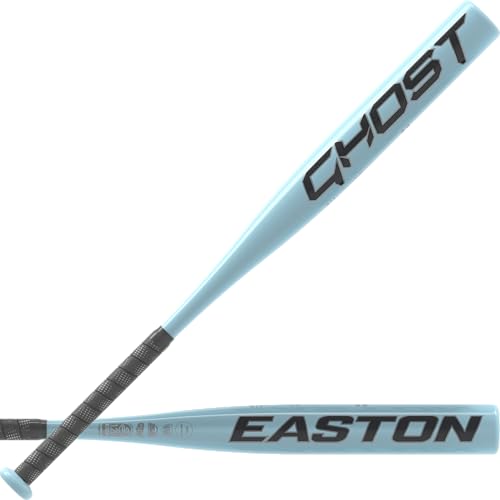
Easton Ghost Youth Fastpitch Softball Bat (-11)
Light enough for young hitters
Youth travel-ball players

Heavy Duty Pick
Easton Hammer Slowpitch Softball Bat, Loaded 12″ Barrel
Loaded barrel, strong presence
Slowpitch power hitters
More Details On Our Top Picks
The Finch model leans into a lighter swing weight, which matters for younger fastpitch players who need easier bat speed without feeling like the barrel is dragging behind. The black iridescent finish gives it a polished look, but the real draw is the Jennie Finch collaboration and the MZ-2200+ alloy, a lightweight aluminum blend that should suit players who want quick timing and straightforward care.
The trade-off is simple, a lighter bat usually asks a bit more from the hitter’s mechanics and may not satisfy someone chasing a heavier, more loaded feel. For practices, league games, and school-level fastpitch, this one makes sense for players still building confidence at the plate.
Strong Points
- Drop -13 swing weight supports quicker hand speed.
- The one-piece aluminum build keeps upkeep simple.
- The athlete-focused design suits developing fastpitch mechanics.
- Light construction helps younger hitters stay on plane through contact.
Things To Consider
- Lighter bats can feel less forceful to stronger, more advanced hitters.
- A slim balance profile may take a short adjustment period.
Feature Snapshot
Who It Suits Best
You get the most from this bat in the hands of a youth fastpitch player who needs easy whip through the zone and a lighter overall feel.
A Better Fit Elsewhere
Easton Sapphire Fastpitch Softball Bat (-10) suits a player who wants a little more mass behind contact without stepping into a heavy bat.
This 28-inch fungo-style bat sits outside the usual game-bat lane, but that makes it useful for practice work, especially for coaches handling repeated reps. The 13-ounce weight and 2-inch barrel keep it nimble, and the tapered end cap plus soft grip are aimed at better hand control during long drill sessions.
Compared with the Mizuno Finch, this one feels less like a game bat and more like a training tool for controlled contact, fielding practice, and strength work. The honest read is that it suits utility more than competition, so it’s better for dugout use, cage work, or drill-heavy sessions than for a player chasing game-day performance.
What We Like
- Shorter length helps you direct the barrel with less effort.
- The balanced feel supports repeatable practice swings.
- Soft grip and reinforced knob improve hand security during drills.
- Good fit for coaches who spend time feeding balls or running fungo work.
Worth Noting
- It’s a practice bat first, not a general game bat.
- The small 2-inch barrel asks for more precise contact.
- Owners usually treat this more like gear to store in the practice bag than an all-purpose hitter.
Core Details
Made For
You’ll appreciate this most in practice-heavy routines where precision, repetition, and easy handling matter more than game-day pop.
Another Choice May Suit
Easton Cyclone Fastpitch Softball Bat (-10) suits a fastpitch player who needs an actual game bat rather than a coaching tool.
The Cyclone sits in the sweet spot for players who want a straightforward aluminum fastpitch bat without extra fuss. A -10 drop gives you a more balanced feel than the lighter -13 Finch, so the swing tends to feel sturdier in the hands while still staying manageable for younger and developing hitters.
That balance makes sense for weekend games, school ball, or a player moving up from a lighter youth model. The one-piece aluminum build also keeps care simple, though it won’t have the softer, composite-like feel some advanced hitters prefer.
Upsides
- -10 drop offers a middle-ground swing weight for many fastpitch players.
- One-piece aluminum construction keeps the feel direct and uncomplicated.
- Good fit for players who are ready for a steadier barrel than a very light bat.
- Simple construction usually means easier upkeep after regular team use.
Points To Note
- It may feel less lively than lighter, more agile youth options.
- Players seeking a specialized training bat should look elsewhere.
Details At A Glance
Right Fit For
This suits fastpitch players who want a dependable game bat with a balanced swing weight and a simple aluminum build.
Look Elsewhere When
Mizuno Finch Fastpitch Softball Bat (-13) works better for a younger hitter who needs the lightest possible swing profile.
For warmups, one-hand drill work, and quick reaction training, this compact aluminum bat fills a very specific role. The 17-inch length keeps it easy to maneuver, and the design is meant to preserve a familiar swing feel even though it’s much shorter than a full game bat.
That same short length is the catch, because you’re buying a training aid rather than a bat for live at-bats. Compared with the Easton Cyclone, this one is about control, hand path, and repetition, which makes it useful for coaches, beginners, and backyard practice sessions.
Best Bits
- Very compact size makes one-hand drills less awkward.
- Suitable for baseball, softball, and tee-ball practice routines.
- Aluminum build keeps it simple to wipe down and store.
- Short format helps isolate swing mechanics and hand control.
Room For Improvement
- Too short for full game use.
- Practice-first design limits its value for everyday hitters.
- Small training tools can get misplaced easily in busy gear bags.
Technical Sheet
The Right Fit
This works best for coaches and practice-minded players who want a small bat for swing mechanics, hand control, and drill repetition.
Swap It Out When
Easton Hammer Slowpitch Softball Bat is the better call for slowpitch players who need a real game bat with a loaded feel.
The Sapphire is aimed squarely at youth fastpitch players who are still sharpening timing and contact. A -10 drop keeps the bat easy to swing without pushing it into the ultra-light territory of the Finch, so it often feels a bit steadier for players who want a more grounded swing.
The honest read is that this one makes the most sense for developing hitters who need a friendly balance of control and bat speed. It’s also the sort of aluminum bat that tends to be simple to maintain, which matters for family gear bags that already carry enough clutter.
Reasons To Buy
- Drop -10 keeps the swing weight friendly for younger hitters.
- One-piece aluminum build is easy to maintain and clean.
- Good step-up choice for players moving beyond starter-level bats.
- Designed with youth fastpitch mechanics in mind.
Softer Spots
- Advanced hitters may want a more specialized feel.
- It’s less featherlight than the -13 Finch.
- Some players will prefer a different balance once they grow into stronger swings.
Quick Facts
Whose Shelf It Belongs On
This belongs with youth fastpitch players who want a dependable aluminum bat that feels manageable without being overly light.
Where A Sibling Pick Shines
Mizuno Finch Fastpitch Softball Bat (-13) is better for a smaller player who needs the lightest swing in this group.
The Asura moves into a lighter -12 drop, which usually appeals to hitters who want quicker barrel speed without jumping all the way to the lightest setup. Compared with the Sapphire, it trims a bit more swing weight, so it may feel livelier for players with fast hands or a quicker load.
You may find this especially useful in travel ball or practice settings where repeated swings add up over the course of a season. The one-piece alloy build should also be simple to keep clean and ready, though lighter bats can feel less stable for hitters who like more barrel presence.
Highlights
- -12 drop favors faster bat speed and easier acceleration.
- One-piece alloy construction keeps the swing feel direct.
- Good match for players who want a lighter game option than a -10.
- Simple build generally means low-maintenance care after use.
Minor Gripes
- Very light swing weights can feel less planted on contact.
- The model name is awkwardly spelled in the listing, which may make searching a little clumsy.
- Players who prefer a heavier barrel feel will likely look elsewhere.
Feature Rundown
Best Suited To
This fits players who already have decent swing control and want a lighter aluminum fastpitch bat for quicker movement.
Reach For A Different Pick When
Easton Cyclone Fastpitch Softball Bat (-10) suits a hitter who prefers a slightly steadier balance and a more middle-of-the-road feel.
The Ghost Youth sits in a helpful middle zone for younger fastpitch hitters who need something lighter than a -10 but not as featherlight as the Finch. That -11 drop can make the bat easier to whip through the zone, while still giving enough substance for players who are growing into their swing.
For travel teams, weekly practices, and season-long use, that middle ground can be easier to live with than either extreme. The trade-off is that some stronger players may outgrow the feel sooner, but for youth fastpitch, that’s often the right compromise.
Bright Spots
- -11 drop offers a useful middle ground for youth hitters.
- One-piece aluminum build keeps things simple and familiar.
- Light enough for quicker swings, but not overly stripped down.
- Good option for players progressing from entry-level gear.
Areas To Watch
- Growing players may move past this weight class sooner.
- It’s still a youth-focused bat, not a specialized power tool.
At A Glance
Perfect Match For
This fits youth fastpitch players who want an easy-to-handle bat that doesn’t feel too extreme in either direction.
Skip It When
MARUCCI Asura FASTPTICH Softball BAT, -12 Drop makes more sense for a player who wants even quicker barrel speed.
The Hammer is the outlier in this lineup because it’s built for slowpitch, not fastpitch, and that loaded 12-inch barrel tells you exactly where it wants to live. In a recreational league or weekend slowpitch setting, the extra barrel presence can suit hitters who want more mass through contact and a more deliberate swing.
Compared with the lighter Easton youth bats, this one asks for a different rhythm altogether. The honest read is that it belongs with slowpitch players first, and its heavier feel may be too much for anyone shopping strictly for a fastpitch setup.
Plus Points
- Loaded feel supports slower, more forceful swings.
- 12-inch barrel gives you a larger contact zone to work with.
- Made for slowpitch play, so it fits the right game type.
- Aluminum construction keeps ownership straightforward.
Small Caveats
- Too specialized for most fastpitch players.
- Loaded bats can feel demanding over long sessions.
- Weightier builds are less forgiving for younger hitters.
Core Details
Built With In Mind
This is for slowpitch players who want a heavier aluminum bat with a fuller barrel and a more forceful swing profile.
Where A Sibling Pick Shines
Easton Cyclone Fastpitch Softball Bat (-10) is the better match for anyone shopping specifically for a fastpitch game bat.
How To Choose The Right Aluminum Fastpitch Bats
Drop Weight, Swing Speed, And Timing
Drop weight is the difference between the bat’s length in inches and its weight in ounces, and it shapes how quickly the barrel moves. A -13 model like the Mizuno Finch feels easier to whip, while a -10 or -11 model usually adds a little more steadiness through the zone.
For younger hitters, a lighter drop often helps build confidence and timing. Stronger players usually prefer a bit more barrel presence, because too-light a bat can feel twitchy during contact.
One-Piece Aluminum Versus More Specialized Builds
A one-piece aluminum bat keeps the feel direct, with less flex between the hands and barrel. That directness can help when you want clean feedback on contact, especially in school ball or routine team practices.
The trade-off is feel, since some hitters like a softer, more damped response. Aluminum also tends to be straightforward to care for, which matters when your gear already includes helmets, gloves, and a bat bag full of clutter.
Match The Bat To The Player, Not The Label
Younger fastpitch players usually do best with lighter, more manageable options like the Finch or Ghost Youth. Players who are moving up and want a steadier swing often fit better with the Cyclone or Sapphire.
Training tools like the 17-inch SECOTAN bat serve a different purpose altogether. They help with mechanics, but they don’t stand in for a game bat, and that distinction saves you from the wrong purchase.
What To Weigh Before You Click Amazon
Mistakes Worth Dodging
Many shoppers focus on brand names before checking game type, and that can lead to the wrong category fast. A slowpitch model like the Hammer may look tempting, but it belongs in a very different setting than a youth fastpitch lineup.
Length and drop weight deserve more attention than cosmetics. A pretty finish won’t help much if the bat feels too heavy or too short for the player swinging it.
When Paying More Pays Off
Higher-tier models usually spend more on refined materials, tighter balance, and a more dialed-in swing feel. That matters most for players who hit often, travel with a team, or are sensitive to how a barrel loads through contact.
For casual practice, a simpler aluminum build often covers the bases. For more frequent play, spending up can buy you a bat that feels better in hand and stays in the rotation longer.
Frequently Asked Questions
What does a bat drop number mean?
Drop number means length minus weight, so a bigger negative number usually points to a lighter swing. That lighter feel often helps younger hitters move the barrel faster.
Are aluminum fastpitch bats good for beginners?
Yes, aluminum fastpitch bats often suit beginners because they’re straightforward and easy to maintain. A lighter drop usually helps new hitters get the barrel moving with less strain.
Should you choose a one-piece bat or a training bat?
A one-piece bat works best for game use because it keeps the swing direct and familiar. A training bat helps with drills, but it’s built for practice, not live at-bats.
How do you match bat weight to a player?
You start with the player’s strength, size, and swing speed, then adjust based on how heavy the barrel feels in motion. A bat that feels easy to control usually helps more than a slightly heavier one that slows the hands.
Is a slowpitch bat usable for fastpitch?
No, slowpitch and fastpitch bats serve different games and swing styles. The Easton Hammer belongs with slowpitch players, while the other Easton and Mizuno fastpitch models fit the faster game format.
Closing Thoughts
The right aluminum fastpitch bat should feel like it belongs in the player’s hands, not like gear you have to fight through every swing. For younger hitters, lighter options such as the Mizuno Finch or Easton Ghost Youth make the learning curve gentler, while the Cyclone and Sapphire offer a steadier step up. Training tools and slowpitch models still have a place, but they serve different jobs. Match the bat to the game, the player’s strength, and the kind of contact you want to see, and the choice becomes a lot clearer.
