Book Appointment Now

8 Best Baseballs for Batting Practice for 2026
You want practice gear that fits the way you actually train, whether that means a backyard cage, a school field, or a garage setup with a net and tee. The right baseballs for batting practice can make repetition feel cleaner, cut down on setup friction, and match the age group or drill style you already use.
That matters because training balls are not all built for the same job. Some are better for full-contact swings, some keep flight shorter in tight spaces, and others are made to pair with machines, nets, or youth teams.
Quick Shortlist For Practice Sessions
PickWhy We Picked ItBest ForAction

Design Standout
BAGAIL 7×7 ft Baseball Training Net
Net-and-tee combo
Home cage setups

Everyday Favorite
Rawlings ROLB1X Competition Grade Baseballs 24 Count
Reliable team-bucket value
Youth team practice
Performance Leader
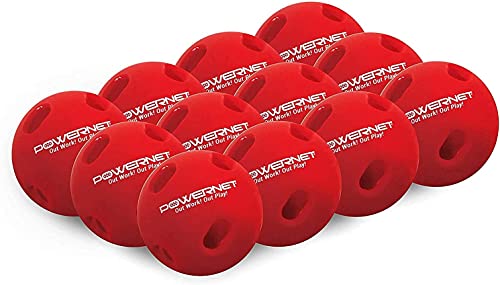
PowerNet Crusher Training Baseballs 12-Pack
Short-flight swing feedback
Compact training spaces
Practical Pick
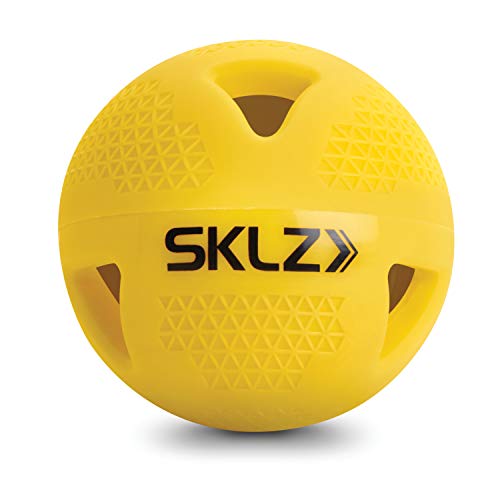
SKLZ Impact Limited-Flight Practice Baseball 6-Pack
Indoor-friendly drill ball
Garage and basement work
Balanced Choice
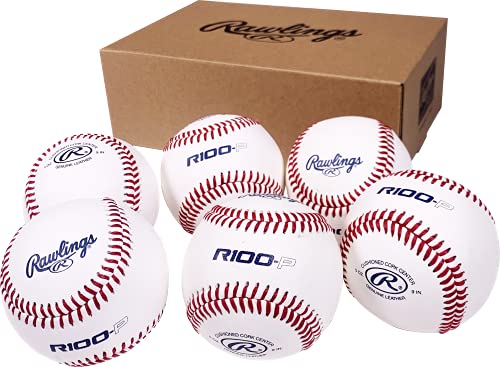
Rawlings R100-P Practice Baseballs
Seam-style flexibility
Pitching and hitting reps

Well Rounded Pick
Rawlings RLLB1 Little League Baseballs
Youth 14U practice fit
League-style drills

Value Pick
Rawlings R8U Recreational Practice Baseballs 24 Count
Youth bucket convenience
8U team sessions

Upgrade Pick
Furlihong 898BH Baseball Soft Toss Machine
Mechanical soft toss setup
Solo repeat drills
More Details On Our Top Picks
The BAGAIL net makes sense for backyard reps where you want a single station instead of piecing together separate gear. A 7 by 7 foot frame gives you a defined hitting window, while the included tee and two strike zones help you keep drills organized.
The 7-ply mesh, meaning seven stitched layers, is the part that matters most for repeated contact, and the heavy-duty frame gives the setup more stability than a light pop-up net. That trade-off usually means a little more bulk than a bare-bones screen, but it pays off for families or coaches who want a more permanent practice corner.
Strong Points
- Combines a net, tee, and target zones in one package.
- Gives you a clear training lane for tee work and soft toss.
- The 7-ply mesh suits frequent backyard use better than thin practice screens.
- The 7 by 7 foot size leaves enough room for focused home drills.
- Works well for mixed ages, from beginners to more serious hitters.
Things To Consider
- It takes more setup space than a simple bucket of practice balls.
- A framed net needs storage room between sessions.
- Some households will want a second person around for first-time assembly.
Key Specs
Who It Suits Best
Home hitters, youth coaches, and parents building a regular backyard station will get the most from this setup.
Where A Sibling Pick Shines
Rawlings R8U Recreational Practice Baseballs fit better for team buckets and younger players who need a simpler grab-and-go option.
For teams that burn through baseballs quickly, this 24-count bucket keeps practice moving without constant reloading. The official-league build and competition-grade labeling point to a ball that sits closer to game-style use than a soft training aid, so it suits live batting practice and field work.
The bucket format is the quiet win here because it stores cleanly and travels well to diamonds or cages. Compared with the BAGAIL net or the limited-flight balls, these are for fuller contact and more realistic flight, though that also means they make less sense in cramped garages.
What We Like
- Twenty-four balls give teams enough quantity for steady drill work.
- Bucket storage makes hauling and cleanup simpler after practice.
- Works for both game-like reps and everyday throwing sessions.
- The youth and 14U fit matches common team-age programs.
Worth Noting
- Full-flight balls need more space than short-flight trainers.
- The bucket adds bulk, so storage shelves should be planned out.
- Serious machine work may call for a different training ball style.
Feature Snapshot
Made For
Coaches, parents, and youth teams that want a larger bucket of conventional baseballs will appreciate this set.
Another Choice May Suit
PowerNet Crusher Training Baseballs work better for tighter spaces and swing-feedback drills that need shorter ball flight.
These bright red training balls are built around a short-flight design, so you get more useful swing feedback in a smaller area. The built-in holes shape the air path, which helps the ball travel more predictably while keeping the distance down.
That makes them a smart fit for garage nets, compact cages, or any spot where a full flight ball would run too far. Compared with the Rawlings ROLB1X bucket, this pack is less about realism and more about fast repetition, and the flexible shell is the part that keeps daily contact from feeling harsh.
Reasons To Buy
- Short flight keeps practice contained in tighter spaces.
- The flexible shell helps the balls spring back after contact.
- You get clear feedback on square contact versus mishits.
- Twelve balls support solo drills or small-group work.
- The red finish is easy to track during fast repetitions.
Areas To Watch
- They are training balls, so they are not meant to mimic a standard game ball closely.
- The short-flight design is less useful for long outfield-style reps.
- Bright color may stand out in some team drill plans, which is either a plus or a quirk depending on taste.
Core Details
Right Fit For
Hitters working in compact practice spaces and coaches who want faster feedback on contact quality will get the most from this pack.
Skip It When
Rawlings R100-P practice baseballs suit you better for fuller flight and a more traditional seam choice.
The SKLZ balls sit in the same short-flight lane as the PowerNet Crushers, but the six-pack format makes the setup a little more compact. Their weight and density are meant to keep the flight path realistic enough for useful feedback while still staying friendly to indoor or outdoor drill work.
That balance works nicely for families who practice in a garage, basement, or backyard lane where every bounce matters. The honest read is that six balls won’t satisfy a large team for long, but for a focused hitter they feel tidy and easy to manage.
Upsides
- Limited-flight design keeps drills contained.
- Works indoors or outdoors for flexible practice spots.
- Weight and density give you a useful swing response.
- Six-ball pack stays simple to store and carry.
Small Caveats
- The smaller count may not suit larger group sessions.
- Like other short-flight options, these are not full-distance practice balls.
- They make the most sense paired with a net or enclosed lane.
At A Glance
Built With In Mind
Solo hitters and families with limited practice space will find this pack easy to live with.
Where A Sibling Pick Shines
PowerNet Crusher Training Baseballs are the better fit for hitters who want a larger 12-ball training pool and a brighter contact cue.
This Rawlings line is appealing because it gives you a seam choice, either flat or raised, which matters more than many casual shoppers expect. Flat seams tend to feel a touch cleaner off the bat, while raised seams can offer a more familiar grip for some pitchers and fielding reps.
Because the product is built for collegiate, high school, and youth use, it lands in a broad middle ground rather than a narrow specialty lane. Compared with the ROLB1X bucket, it feels more focused on practice ball variety than on hauling a large team supply.
Highlights
- Seam-style choice lets you match the ball to the drill.
- Fits a wide range of school-age training needs.
- Works well for players who want familiar practice-ball handling.
- The model split gives you a cleaner fit for different coach preferences.
Points To Note
- The right seam type depends on your drill style and hand feel.
- Not as turnkey for team hauling as a bucket pack.
- Shoppers looking for a short-flight trainer should look elsewhere.
Details At A Glance
The Right Fit
School teams, coaches, and multi-age programs that care about seam feel will get good mileage from this set.
Consider Something Else When
Rawlings RLLB1 Little League Baseballs suit younger youth teams better when you want a more age-specific match.
The RLLB1 sits in a useful middle zone for youth baseball, especially for teams that want competition-grade balls without drifting into specialty training tools. The age range is listed for youth through 14U, so the fit works best in organized programs where consistency matters from one practice to the next.
The multiple-count options help you size the purchase around a team’s actual needs, which is handy for coaches who dislike overbuying. Compared with the R8U bucket, this set is aimed a little higher in age and feel, so it makes a cleaner step-up choice for older youth groups.
Best Bits
- Competition-grade positioning gives the ball a serious practice role.
- Youth through 14U coverage suits a broad team age spread.
- Count options make it easier to match team size.
- Good for drills, scrimmage work, and everyday field use.
Trade Offs
- It is more team-oriented than solo-practice friendly.
- The ideal fit narrows once you move outside the listed age band.
- No bucket is called out here, so storage setup may take more planning.
Feature Rundown
Whose Shelf It Belongs On
Youth coaches and program directors who want a dependable middle-tier baseball for organized practice will appreciate this one.
Look Elsewhere When
Rawlings R8U Recreational Practice Baseballs are the better match for younger 8U groups and a bucket-based setup.
This bucket is the most age-specific option in the group, aimed at youth players 8 and under, which makes it easy to slot into rec programs. Synthetic leather covers plus solid cork and rubber centers point to a conventional baseball build that feels more familiar than a soft trainer.
The bucket is a nice real-world touch because it keeps 24 balls together for quick practice starts and less cleanup afterward. Compared with the RLLB1 set, this one is the clearer fit for younger teams, while the bigger-count bucket format also keeps coaches from scrambling for loose balls between drills.
Bright Spots
- Twenty-four balls in one bucket simplify team sessions.
- The 8U age focus suits younger recreational programs well.
- Synthetic leather and cork-rubber construction support familiar baseball handling.
- Bucket storage helps with transport and field organization.
Areas To Watch
- The age range is narrow, so older youth groups should pass.
- Bucket packs take more shelf space than loose multi-packs.
- Recreational intent means this is not the right lane for specialty training balls.
Core Details
Built For
Youth coaches, rec-league parents, and 8U programs that want a ready-to-carry bucket will find this set easy to use.
Swap It Out When
Rawlings ROLB1X Competition Grade Baseballs are the better step for older youth teams that need a more competitive practice ball.
The Furlihong 898BH shifts the conversation from hand-thrown reps to a mechanical soft toss setup, which can save effort during solo or repetitive drills. No power supply is needed, so the machine leans on a step-on paddle release, and that keeps it useful in places where outlets or cords would be annoying.
Three angle settings let you tailor the toss path for different ages, and the extendable stacker adds capacity for longer sessions. Compared with the BAGAIL net or any of the ball packs, this is the most equipment-heavy choice, but the payoff shows up when you want consistency without standing over every toss.
What We Like
- Mechanical operation removes the need for power access.
- Angle adjustment helps tailor reps to different age groups.
- The stacker support can reduce loading interruptions.
- Good fit for repeat soft toss work in the same training spot.
Room For Improvement
- It takes more setup commitment than a bucket of balls.
- Mechanical gear usually needs more storage space than simple training aids.
- Solo use is convenient, but the machine still asks for some planning around placement and loading.
Feature Card
The Right Fit
Coaches, families, and solo hitters who want a repeatable soft toss station without relying on electricity will appreciate this machine.
Another Choice May Suit
SKLZ Impact Limited-Flight Practice Baseballs are easier to live with for simple garage or basement drills that do not need a machine.
How To Choose The Right Baseballs For Batting Practice
Match The Ball To The Space
Space shapes everything in practice. A full-flight ball like the Rawlings ROLB1X or R8U works well on a field, but a limited-flight trainer such as PowerNet Crusher or SKLZ Impact feels much easier to manage in a garage, basement, or narrow backyard lane.
That difference matters because retrieval time changes the rhythm of the session. In a tight area, shorter flight can keep you focused on swings instead of chasing balls every few minutes.
Think About The Age Group
Youth 8U players usually need a different ball than 14U or high school hitters. Rawlings R8U and RLLB1 are aimed at younger age bands, while the ROLB1X and R100-P family sit closer to older youth and school-age work.
The practical payoff is cleaner coaching and fewer mismatched reps. A ball that fits the level helps the group stay on task, especially during team practices where several ages may overlap.
Decide Between Training Feedback And Game Feel
Some practice balls are built to teach contact, not to imitate a live game exactly. Crusher-style and SKLZ Impact balls give faster feedback on mishits and help keep swing work inside a controlled area, while traditional Rawlings bucket sets feel more like standard baseballs.
That trade-off is worth naming before you shop. Training feedback helps mechanics, but game feel helps timing, so the better choice depends on whether your main goal is repetition, realism, or a mix of both.
Look At Storage And Setup Time
Team buckets and net stations affect how often practice actually happens. A 24-count bucket is easy to grab for team work, while the BAGAIL net turns one corner of a yard into a repeat-use station with defined zones and a tee.
Simple gear usually gets used more often because it takes less thought to start. That’s the quiet advantage of picking something that fits your routine instead of fighting it.
Things Worth Knowing First
Mistakes Worth Dodging
One common slip is buying a full-flight ball for a space that is too small. Another is choosing a training ball that feels useful for a week but does not match the age group or drill style you use most.
Storage gets overlooked too. Bucket sets need shelf room, while framed nets and machines need a place to live between sessions, so the right choice should fit your actual garage, shed, or equipment room.
What The Higher Tier Buys
More expensive options in this category usually bring more specific materials, more controlled flight, or a more complete practice setup. The BAGAIL net adds a frame, target zones, and a tee, while the Furlihong 898BH adds mechanical toss consistency that a plain ball pack cannot provide.
You usually pay for convenience, durability, and drill control rather than for flash. That upgrade makes the most sense for coaches, committed families, or anyone who practices often enough to value saved setup time.
Final Thoughts
The best baseballs for batting practice are the ones that fit your space, your age group, and the kind of repetition you actually want. A backyard hitter, a youth coach, and a solo garage setup all need slightly different gear, which is why this list mixes nets, buckets, short-flight trainers, and a soft toss machine. Pick the option that matches your routine, and practice feels a lot smoother from the first session on.
