Book Appointment Now

8 Best Punching Bags for Beginners: Practical Home Training
Beginners usually need more than a hanging bag and a pair of gloves. Stability, fill method, height, rebound feel, and storage footprint matter fast once a hallway, garage corner, or spare room becomes training space.
This roundup focuses on beginner-friendly punch bags that suit home use, light conditioning, and basic striking practice. The lineup spans freestanding units, unfilled heavy bags, and kid-oriented sets, so the right match depends on space, setup tolerance, and age group.
The Shortlist At A Glance
PickWhy We Picked ItBest ForAction
Balanced Choice
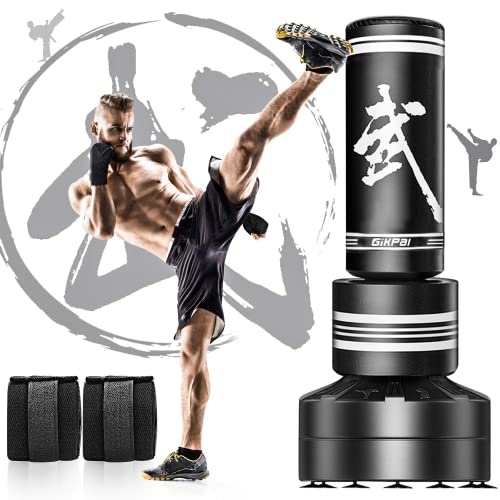
GIKPAL Freestanding Punching Bag with Gloves
Stable base, quiet rebound
Small home gyms

Practical Pick
Mesetast Punching Bag 4ft Set with Gloves
Unfilled, simple setup path
Custom-fill spaces

Upgrade Pick
Everlast Freestanding Adjustable Punching Bag
Adjustable, familiar layout
Households wanting adjustability

Feature Rich
JUOIFIP Freestanding Punching Bag 70″ with Gloves
Large, beginner-ready bundle
First-time home trainers

Value Pick
JUOIFIP Standing Punching Bag for Adults Teens
Simple bundled starter set
Budget-conscious setups
Heavy Duty Pick
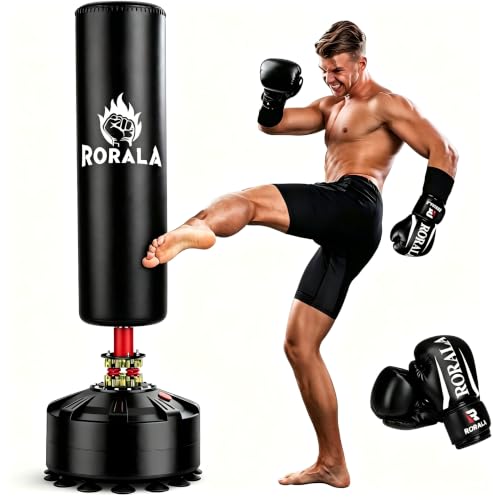
RORALA Punching Bag with Stand 70″ 203lbs
Heavier base, layered build
Harder home sessions
Design Standout
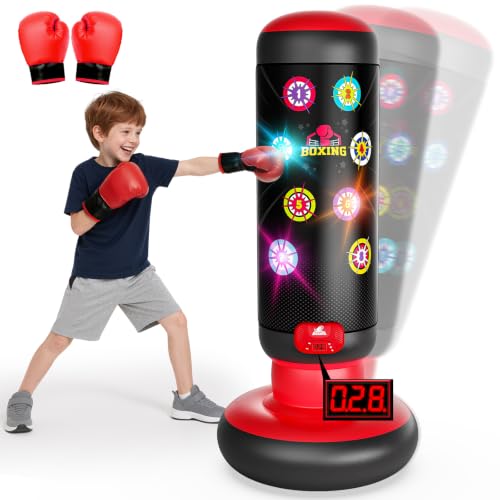
HopeRock Punching Bag for Kids with Games
Light, music, scoring modes
Active kids ages 4 to 12

Compact Choice
Elite Sports Kids Boxing Punching Bag Set 2 ft
Compact starter kit
Small youth spaces
A freestanding format keeps setup simple, and this GIKPAL model leans on a suction-cup base to stay planted on smooth floors. Tear-resistant PU leather, meaning polyurethane synthetic leather, gives the shell a familiar bag feel without the upkeep of a stitched hanging rig.
The no-spring rebound keeps noise down, which suits apartment corners and shared spaces where a clanging frame would feel out of place. Sand or water fill adds flexibility, though the base still needs a level surface for the best result, and that trade-off matters more here than on the Everlast.
What We Like
- Freestanding design reduces installation work.
- Suction-cup base helps on smooth flooring.
- PU leather shell suits regular home use.
- Quiet rebound makes shared spaces easier.
- Fill choice adds setup flexibility.
Points To Note
- Smooth floors matter most for base hold.
- Fill material affects final weight and feel.
- Less suited to rough, uneven garage floors.
Feature Snapshot
Who It Suits Best
Apartment dwellers and garage trainees who want a straightforward freestanding bag with gloves included will find the format easy to live with.
Where A Sibling Pick Shines
RORALA Punching Bag with Stand 70″ 203lbs suits a heavier, more planted setup for households that want more mass under stronger punches.
Mesetast keeps things stripped back with an unfilled 4-foot bag and 12 oz gloves, so the final feel comes from the filler chosen at home. That setup can suit a garage trainer who wants control over firmness rather than a preset feel straight out of the box.
The trade-off is obvious, because a fill step adds time and a little planning before any striking starts. Compared with GIKPAL’s freestanding base, this route makes more sense for someone comfortable with a more hands-on setup and a heavier permanent spot.
Upsides
- 4-foot size gives a familiar striking target.
- Unfilled design lets the fill feel be chosen.
- 12 oz gloves add a useful starter pairing.
- Works well for martial arts cross-training.
Small Caveats
- Filling the bag takes extra setup time.
- Needs a clear space for installation.
- Glove fit may still vary by hand size.
Technical Sheet
Who Will Love This
Home trainees who want to tailor firmness and weight by filling the bag themselves are the best match here.
Another Choice May Suit
Everlast Freestanding Adjustable Punching Bag suits shoppers who want a simpler all-in-one stand option without dealing with fill material.
Adjustability is the main reason this Everlast stands apart from the simpler fill-it-yourself Mesetast bag. A freestanding format keeps the installation path approachable, and that helps in finished basements, spare rooms, or a corner of the garage where hanging hardware would be overkill.
The honest read is that adjustable gear can still depend on the floor beneath it, so placement matters. For households wanting a recognizable training brand and a more adaptable stance target, it makes a tidy case for the extra step.
Reasons To Buy
- Adjustable layout helps match different users.
- Freestanding format avoids ceiling hardware.
- Fits a range of home training spaces.
- Brand familiarity may ease the choice.
Areas To Watch
- Floor contact still affects stability.
- Adjustable hardware can add setup steps.
- Less compact than small youth models.
Core Details
Built With In Mind
Multi-user homes and beginner striking setups that benefit from a tunable target will get the most from this design.
Where Shoppers Go Wrong
JUOIFIP Freestanding Punching Bag 70″ with Gloves suits shoppers who want a larger bundle with gloves and pump included rather than adjustability alone.
A 70-inch height gives this JUOIFIP bag a taller striking surface than the Everlast or Mesetast entries, which helps when practicing both punches and lower kicks in the same space. Thickened PVC, a sturdy synthetic shell, is meant to bounce back after impact, so the bag reads more like a multi-use home station than a narrow beginner-only target.
The included gloves and electric air pump make the setup feel more complete on arrival, though the larger frame will ask for more floor space. In a spare room or basement corner, that feels manageable; in tighter apartments, it may be a little much.
Bright Spots
- 70-inch height suits mixed striking drills.
- PVC shell supports regular home use.
- Included gloves and pump simplify setup.
- Good fit for punch-and-kick practice.
Worth Noting
- Larger footprint asks for more room.
- Pump and inflation setup still take time.
- May feel oversized for cramped apartments.
Feature Rundown
Right Fit For
Beginners who want a tall, bundled freestanding bag for full-body home drills will find this layout especially sensible.
Look Elsewhere When
GIKPAL Freestanding Punching Bag with Gloves suits a smaller floor plan that benefits from a quieter, more compact base.
This JUOIFIP set keeps the pitch direct, with an inflatable standing bag, pump, gloves, and a manual in the package. That bundled approach lowers the number of separate parts to track, which is useful for teens, garage trainers, or anyone setting up a first home striking corner.
The simpler construction also means less complexity than the heavier RORALA stand or the taller 70-inch sibling above. The honest trade-off is that inflatable gear tends to feel lighter and less planted, so the target audience is casual practice rather than forceful daily rounds.
Highlights
- Bundled kit reduces separate purchases.
- Inflatable design keeps setup approachable.
- Suitable for teens and adults.
- Good entry point for casual training.
Room For Improvement
- Inflatable feel can be less grounded.
- Less suited to hard daily sessions.
- Manual setup still takes a little time.
Details At A Glance
Made For
Casual home trainers and teens starting with a bundled setup will find the balance of simplicity and coverage appealing.
Skip It When
RORALA Punching Bag with Stand 70″ 203lbs suits a more planted stand setup for users who want greater mass and a heavier base.
RORALA leans into a layered build, a 7.5 mm ABS base, and 12 suction cups, so the setup reads more serious than the lighter JUOIFIP bundled kits. The base can be filled to 203 lbs with sand, which gives it a planted feel for punch combinations, roundhouse kicks, and longer home workouts.
Four springs and two absorbers are meant to smooth motion and reduce noise, though the company notes less vibration without the springs, which is a useful detail for placement decisions. That sort of layered construction tends to suit adults who want a more durable home station and do not mind the extra mass.
Best Bits
- Layered build supports harder use.
- 203 lb filled base adds stability.
- Shock absorption helps with repetitive sessions.
- Included gloves make the bundle more complete.
- Useful for both punches and kicks.
Softer Spots
- Heavy fill makes moving it harder.
- Spring setup can affect noise level.
- More parts usually mean more setup time.
Spec Overview
Whose Shelf It Belongs On
Home fighters who want a heavier freestanding setup for more forceful practice sessions will get the clearest benefit here.
Swap It Out When
GIKPAL Freestanding Punching Bag with Gloves suits smaller spaces that value a quieter base and simpler footprint.
HopeRock shifts the category toward play, not adult-heavy training, with lights, music, scoring, and four game modes built around an inflatable bag and gloves. For children ages 4 to 12, that combination can make movement feel like a game loop rather than a chore, which is where this model has the clearest edge.
The battery and pump omissions matter, though, because those extras need to be planned separately before the fun starts. Compared with the adult bags above, this is less about striking power and more about attention, timing, and basic coordination.
Positives
- Lights and music add strong engagement.
- Four modes keep play varied.
- Inflatable build suits indoor play areas.
- Good match for younger age groups.
Things To Consider
- Batteries are required separately.
- Air pump is not included.
- Less focused on forceful striking practice.
Quick Facts
The Right Fit
Families looking for an active indoor toy that nudges timing and coordination will find this HopeRock set the most natural fit.
A Better Fit Elsewhere
Elite Sports Kids Boxing Punching Bag Set 2 ft suits families who want a smaller, simpler youth bag without lights or music.
Elite Sports keeps the youth format compact with a 2-foot bag, 6 oz gloves, and a phone case in the kit. That size makes sense for smaller bedrooms, playrooms, or a corner of a family room where a full adult stand would simply take too much space.
The unfilled setup gives the bag its final weight through the chosen filler, and that keeps shipping and storage simpler than a pre-filled unit. Compared with HopeRock’s lights and scoring, this one is plain on purpose, which suits families who want training gear without extra distractions.
Strong Points
- 2-foot size fits smaller spaces.
- 6 oz gloves suit youth use.
- Unfilled format keeps storage easier.
- Simple kit keeps the focus on basics.
Minor Gripes
- Needs filler before first use.
- Shorter height limits older teens.
- Less feature heavy than the HopeRock set.
Feature Card
Made With In Mind
Families wanting a small training bag for younger children in tighter rooms will find this set easy to place.
Another Choice May Suit
HopeRock Punching Bag for Kids with Games suits kids who respond better to sound, lights, and scoring feedback.
How To Choose The Right Punching Bags For Beginners
Size, Height, And Training Style
Height shapes the target more than most first-time shoppers expect. A 70-inch freestanding unit gives room for body shots and kicks, while a 2-foot kids bag is better suited to short sessions and small spaces. Punching bags for beginners should match the strikes being learned first, not just the room on paper.
Freestanding bags keep installation simple, which helps in apartments, spare rooms, and garages where ceiling mounts are awkward. Hanging bags can feel more traditional, but they ask for hardware and planning that many starters do not want.
Fill, Base Weight, And Stability
Unfilled bags are flexible because the internal weight comes from the chosen filler, usually sand or another dense material. That freedom is useful, though it also means setup takes longer and the final feel depends on the fill job.
Freestanding bags rely on suction cups, broad bases, springs, or absorbers to stay planted. The heavier and more layered the base, the better it tends to handle repeat contact, but the trade-off is extra bulk and less mobility.
Material, Gloves, And Day-To-Day Use
PU leather and thickened PVC are common in starter-friendly bags because they balance durability and easy cleanup. They still need routine wiping and sensible placement, especially in humid garages or rooms with rough flooring.
Bundled gloves matter too, since 6 oz, 10 oz, and 12 oz pairs serve different hand sizes and training goals. A kit that includes gloves and a pump reduces the number of separate pieces to source, which is helpful for a first setup.
Match The Bag To The Space
A compact youth kit suits a bedroom corner or family room, while a taller freestanding unit belongs in a garage or basement with more clearance. The honest part is that space affects every other choice, from stability to storage to how often the bag gets used.
For mixed households, a freer-standing model with a stable base usually brings the best balance. For kids, interactive features can keep sessions lively, but the plainest set often works fine for basic coordination.
Things Worth Knowing First
Mistakes Worth Dodging
A common misstep is choosing by height alone and ignoring floor space. A tall bag that rocks too much quickly feels awkward in a narrow room.
Another problem is overlooking setup steps. Unfilled and pump-included kits need more time before the first session, so the simpler-looking package is not always the faster one.
The Upgrade Payoff
Higher-tier bags usually cost more because of layered construction, heavier bases, better rebound control, and added accessories. Those additions matter most in homes where the bag gets used often, not just occasionally.
Spending up makes sense for adults training several times a week, especially where noise control and stability are priorities. Basic kits still serve casual use well, but the extra money often goes toward a calmer, steadier setup.
Final Thoughts
The right beginner bag depends less on brand name and more on how the space will be used. GIKPAL and Everlast suit simpler home setups, JUOIFIP and RORALA lean heavier and more feature-rich, and the two kids sets keep younger training focused and manageable. For a first purchase, matching the bag to the room and the user profile matters more than chasing extras.
