Book Appointment Now

8 Best Chalks for Bouldering
Bouldering chalk matters most in the moments that feel ordinary, a chalk bag open between attempts, hands warming up on a crowded wall, or a long training session that turns sweaty halfway through. The right chalk format changes how often hands need reapplication, how much mess ends up on holds, and how much friction remains when grip starts to fade. This roundup focuses on liquid, loose, block, ball, and bucket formats so climbing spaces, home gyms, and mixed training setups can match the right texture to the task.
Quick Look At The Strongest Options
PickWhy We Picked ItBest ForAction

Practical Pick
8BPLUS 125ML Liquid Chalk (805005)
Low-mess liquid finish
Travel and gyms

Everyday Favorite
Liquid Chalk for Weightlifting, Gymnastics, Rock Climbing, Dancing
Mess-aware grip support
Shared training spaces

Feature Rich
Friction Labs Magic Chalk Ball
Contained chalk delivery
Controlled application


Value Pick
Primo Chalk Loose Chalk Resealable Bag
Loose refill convenience
Chalk ball refills

Heavy Duty Pick
Metolius Super Chalk 2.5 Gallon Bucket
Bulk chalk storage
Climbing gyms

Well Rounded Pick
TITGGI 1 lb Gym Chalk Bucket with Chalk Ball
Bucket and ball combo
Climbing and lifting
More Details On Our Top Picks
Liquid chalk earns its place in training spaces that need less airborne dust and more control at the hands. 8BPLUS keeps the format compact at 125 ml, which suits a gym bag, a day pack, or a climbing session where a small bottle is easier to manage than a loose tub. The trade-off is the familiar one for liquid formats, a different feel from powder and a little wait before it sets.
That makes this a neat match for climbers who want cleaner hands between attempts, especially indoors or in mixed-use spaces. Compared with Metolius Super Chalk’s bulk bucket later in this list, the emphasis here is portability rather than volume.
Strong Points
- Compact 125 ml bottle fits small bags.
- Liquid format helps limit loose residue.
- Handy for indoor walls and shared spaces.
- Slim profile suits regular carry.
Points To Note
- Liquid chalk feels different from classic powder.
- Needs brief drying time before a climb.
- Smaller volume suits portable use more than bulk training.
Feature Snapshot
Who It Suits Best
Climbers who want a tidy bottle for indoor sessions or travel-oriented gym kits fit this format well.
Where A Sibling Pick Shines
Primo Chalk Loose Chalk Bag suits climbers who prefer a classic powder feel and refill flexibility.
The appeal here is straightforward, a liquid format aimed at cleaner application across several sports. Weightlifters, dancers, gymnasts, and climbers all benefit from the same basic promise, a more contained layer on the hands and less loose dust drifting around equipment. The trade-off, as with other liquids in this roundup, is that the chalk sensation is more restrained than a dry block or loose powder.
Shared training spaces tend to favor that kind of control, especially where bars, floors, or mats stay in regular rotation. Compared with 8BPLUS 125ML Liquid Chalk, this listing leans more toward multi-sport practicality than a single climbing-first identity.
Highlights
- Covers several training styles.
- Mess-aware format suits shared equipment.
- Liquid application keeps the process tidy.
- Good fit for bag carry.
Softer Spots
- Liquid texture won’t suit every hand preference.
- Needs a short pause to dry.
- Less immediate powder feel than loose chalk.
Core Details
Built With In Mind
Training spaces that share bars, rings, and mats suit this tidy format.
Another Choice May Suit
Rage Fitness Gym Chalk Block 2oz fits athletes who want a dry, direct chalk block with a simpler feel in hand.
A chalk ball keeps powder contained inside a refillable sock, so application stays more controlled than a loose pile in a bag. That format makes sense in climbing gyms where excess dust can be a nuisance, and it also helps during repeated touch-ups between attempts. The limitation is obvious enough, the contact patch is smaller than with loose chalk, so coverage feels more measured.
This is the sort of item that suits climbers who want a cleaner carry system without giving up the familiar dry-chalk feel. Compared with the 8BPLUS liquid bottle, Friction Labs Magic Chalk Ball stays closer to classic powder handling while still keeping the mess down.
Bright Spots
- Refillable sock format limits loose scatter.
- Easy to keep in a chalk bag.
- Good for repeated quick applications.
- Works across climbing and training settings.
Worth Noting
- Smaller surface contact than loose chalk.
- Refill setup takes a bit more attention.
- Some users will still prefer open powder.
Details At A Glance
Whose Shelf It Belongs On
Climbers who want a tidier chalk habit and a reusable delivery format are the clearest match here.
Skip It When
Loose powder users who prefer wide, fast coverage may lean toward Primo Chalk Loose Chalk Bag instead.
A chalk block is the stripped-down option in this group, and that simplicity has real value. Rage Fitness keeps the format compact at 2 oz, so it fits short sessions, basic gym bags, or a small chalk pouch without much fuss. The trade-off is equally plain, a block needs manual crumbling or rubbing, and that takes a little more effort than liquid or a ball.
For climbers who want a direct magnesium carbonate block and little else, that restraint can be enough. Compared with Friction Labs Magic Chalk Ball, the feel is less contained and more old-school, which some gym setups still favor.
Upsides
- Simple block format stays easy to understand.
- Small 2 oz size travels well.
- Direct chalk feel suits traditional habits.
- Lightweight choice for short sessions.
Small Caveats
- Blocks can be messier to handle.
- Needs rubbing or breaking apart before use.
- Less contained than a chalk ball.
At A Glance
Made For
Climbers who like a simple dry block for short sessions or gym shelves fit this profile well.
Reach For A Different Pick When
Metolius Super Chalk 2.5 Gallon Bucket is the better fit for high-volume gym use and shared storage needs.
Loose chalk remains the most familiar route for climbers who want fast hand coverage and a straightforward refill source. Primo Chalk adds a resealable bag, which helps keep the powder contained between sessions and makes the bag easier to store in a gym locker or gear bin. The formula is pitched toward grip support, with the added note that it is made in the USA and intended for chalk ball refills.
That balance works especially well for climbers who rotate between bouldering, lifting, and gymnastics, since the same bag can feed different hand setups. Compared with the block from Rage Fitness, this option is less rigid and more adaptable to bags, chalk balls, and daily top-ups.
Reasons To Buy
- Loose powder spreads quickly across the hands.
- Resealable bag helps with storage.
- Works as a chalk ball refill.
- Useful across climbing and gym work.
- Made in the USA.
Honest Caveats
- Loose powder can leave more residue.
- Needs a separate bag or ball for best handling.
- Open powder is less tidy than liquid chalk.
Spec Overview
Right Fit For
Climbers and gym users who want loose powder with easy storage are the clearest match.
Look Elsewhere When
8BPLUS 125ML Liquid Chalk fits people who want a cleaner, more contained application for indoor spaces.
A 2.5 gallon bucket shifts the focus from portability to volume, and that makes a clear kind of sense for climbing gyms or dedicated home setups. Metolius describes this as an original chalk formulated for rock climbing, which places the emphasis squarely on the sport rather than cross-training extras. The trade-off is storage and handling, since a bucket is far less convenient to toss in a day bag.
This one feels closest to a station product, the kind that stays near a wall instead of moving from place to place. Compared with Primo Chalk Loose Chalk Bag, the bucket format is much better suited to shared use and less suited to quick solo carry.
Best Bits
- Large bucket supports high-volume use.
- Well suited to climbing walls and home bases.
- Original climbing-focused formula keeps the intent clear.
- Easy to stage beside a wall.
Room For Improvement
- Bulk size is not travel-friendly.
- Needs more storage space than smaller formats.
- Better for stationary setups than quick carry.
Technical Sheet
Built With In Mind
Climbing gyms, wall-side stations, and home training corners are the clearest match.
Where A Sibling Pick Shines
Friction Labs Magic Chalk Ball suits climbers who want a smaller, more mobile application format.
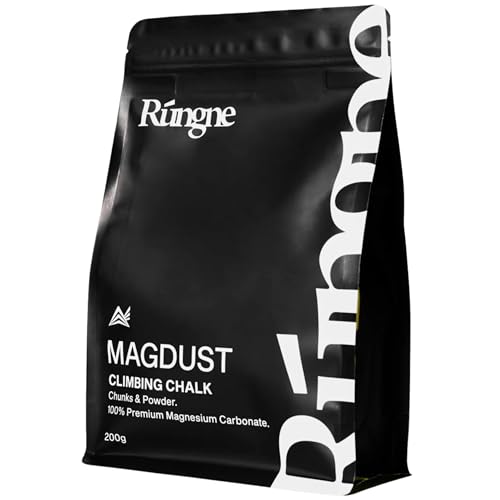
Premium loose chalk tends to suit people who want a familiar, direct hand feel without moving into more specialized packaging. This listing is positioned for rock climbing, bouldering, weightlifting, and broader training, so the use case stays flexible rather than narrowly sport-specific. The trade-off is familiar too, loose chalk gives up some cleanliness in exchange for a more immediate coating.
Compared with the Friction Labs chalk ball, this style is less contained and quicker to grab during repeated attempts. That makes it a sensible choice for climbers who value simple loose chalk and do not mind a little dust in the bag.
Plus Points
- Loose format feels immediate and familiar.
- Covers climbing and lifting use well.
- Good fit for bouldering sessions.
- Simple to scoop into a chalk bag.
Areas To Watch
- Loose chalk can be messier than liquid.
- Bag storage matters more with open powder.
- Less controlled than a chalk ball.
Feature Rundown
The Right Fit
Climbers who want loose chalk with broad training compatibility fit this model well.
Swap It Out When
TITGGI 1 lb Gym Chalk Bucket with Chalk Ball suits users who want a more structured kit with both bucket storage and a ball.
A bucket and ball combo covers two common chalk habits in one kit, loose storage and more contained application. TITGGI lists pure magnesium carbonate and includes both loose chalk and a chalk ball, so the setup works for climbers, lifters, and gymnasts who want one package with different application styles. The trade-off is size, since a bucket format asks for more shelf or floor space than a pouch or bottle.
For mixed-use home gyms, that combination makes practical sense, especially when several people prefer different chalk formats. Compared with Premium Climbing Chalk, this option gives more structure and variety right out of the box.
Best Bits
- Includes both loose chalk and a ball.
- Bucket format helps organize storage.
- Pure magnesium carbonate keeps the formula simple.
- Works across climbing, lifting, and gymnastics.
Points To Note
- Bucket size takes up more room.
- Less portable than smaller bottles or pouches.
- Two formats can be more than needed for solo use.
Feature Card
Perfect Match For
Mixed-use home gyms and climbers who want a multi-format kit fit this package well.
Where Another Pick Suits Better
8BPLUS 125ML Liquid Chalk suits travelers and indoor climbers who want a smaller, cleaner bottle.
How To Choose The Right Chalks For Bouldering
Match The Format To The Space
Liquid chalk suits compact kits, shared gyms, and climbers who want less residue on the wall or floor. Loose chalk and blocks feel more immediate, but they also leave more powder in the bag and on nearby surfaces. A chalk ball sits in the middle, offering a more contained application without moving all the way to liquid.
Storage matters too. A 2.5 gallon bucket from Metolius fits a wall-side station or home gym corner, while a 125 ml bottle from 8BPLUS slides into a small pack. The choice usually comes down to how often the chalk travels and how much cleanup feels acceptable afterward.
Choose By Grip Feel, Not Just Labeling
Magnesium carbonate is the common base in this category, but the delivery method changes the hand feel in real use. A block tends to be direct and old-school, loose powder spreads quickly, and a chalk ball meters the material more gradually. Those differences matter on long sessions where hand texture changes between warm-up, working attempts, and rest.
Climbers with sweaty palms usually lean toward formats that reapply cleanly and quickly. That is where liquid chalk and chalk balls have an edge, while loose chalk still appeals to anyone who wants immediate coverage with minimal ritual.
Think About Frequency And Volume
Frequent climbers often need more than a small travel bottle. Bulk options like Metolius Super Chalk 2.5 Gallon Bucket suit gyms or home walls, while smaller options make more sense for day bags and occasional sessions. Volume is not just about total chalk, it also affects how often restocking enters the picture.
For mixed routines that include lifting or gymnastics, a flexible option such as TITGGI 1 lb Gym Chalk Bucket with Chalk Ball can cover several hand habits at once. That said, solo climbers who only need one chalk style may prefer a simpler bag or bottle.
Balance Cleanliness Against Convenience
Cleaner formats usually ask for a small step before climbing, such as drying liquid chalk after application. Quicker formats save time, but they can leave more residue in chalk bags, on mats, or around holds. The honest read is that no format solves every issue, it only shifts the trade-off.
That is why the best match depends on the climbing environment. A tidy indoor wall, a shared garage gym, and a dusty outdoor bouldering area each reward a different style of chalk handling.
Things Worth Knowing First
Common Shopping Slip Ups
Many chalk problems start with format mismatch rather than product quality. A climber who wants a dry, quick-hand feel may not enjoy liquid chalk, while someone in a shared gym may grow tired of loose powder scattered across a bag. Matching the texture to the setting matters more than chasing a louder product label.
Storage gets overlooked too. A bucket sounds convenient until shelf space runs short, and a small bottle can feel restrictive during high-volume training. Think through the actual session routine before settling on the package size.
Why Top Tier Costs More
Higher-tier chalk options often cost more because they package the material for cleaner handling, broader use, or larger capacity. A chalk ball, resealable bag, or bucket adds structure that can be useful in real gyms, and that added convenience usually shows up in the product design. Pure material is only part of the story.
The upgrade tends to make sense for climbers who train often or share space with others. More controlled application, less cleanup, and better storage can justify the step up from a plain block or loose pouch, especially in busy settings.
Closing Thoughts
Bouldering chalk is less about one universal formula and more about fit, space, and habit. Liquid chalk suits tidy carry, chalk balls sit nicely between control and familiarity, and loose or block formats serve climbers who prefer direct, classic hand coverage. The clearest match comes from the training space itself, not from the loudest description. A good pick should disappear into the routine and leave the grip doing the talking.
