Book Appointment Now

8 Best Gloves for Rock Climbing
Gloves for rock climbing need to do more than cover the hand. Belaying, rappelling, rope handling, and mixed outdoor work all ask for grip, dexterity, and enough abrasion resistance to handle repeated friction without turning bulky or awkward.
This roundup focuses on eight gloves with different strengths, from leather belay pairs to fingerless training options that suit climbing-adjacent use. The right match depends on rope feel, finger coverage, ventilation, and how often the gloves will be carried, cleaned, and used in demanding conditions.
Quick Look At The Shortlist
PickWhy We Picked ItBest ForAction

Editor's Choice
PETZL CORDEX Lightweight Belay/Rappel Gloves
Lightweight rope handling
Belay and rappel use

Heavy Duty Pick
Intra-FIT Goatskin Climbing Gloves
Durable goatskin grip
Rope-heavy outdoor work
Everyday Favorite
Holiberty Summer Cooling Cycling Gloves Full Finger
Breathable full-finger design
Warm-weather mixed use

Practical Pick
Seibertron Full or Half Finger Climbing Rope Gloves
Flexible finger coverage
Climbing and rescue tasks
Premium Pick
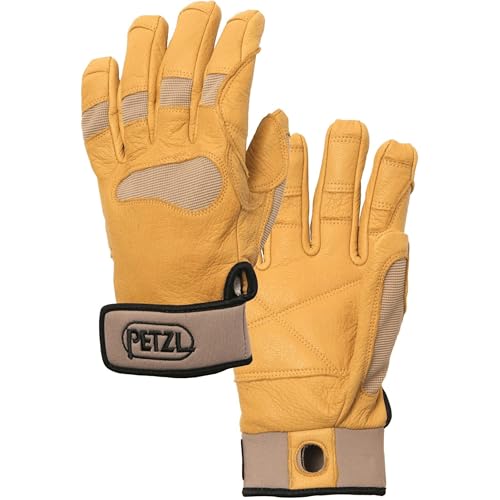
PETZL CORDEX Plus Reinforced Belay/Rappel Gloves
Reinforced palm protection
Frequent rope handling

Value Pick
SIMARI Breathable Workout Gloves with Cushion Pad
Budget-friendly cushioning
Gym and cross-training
Compact Choice
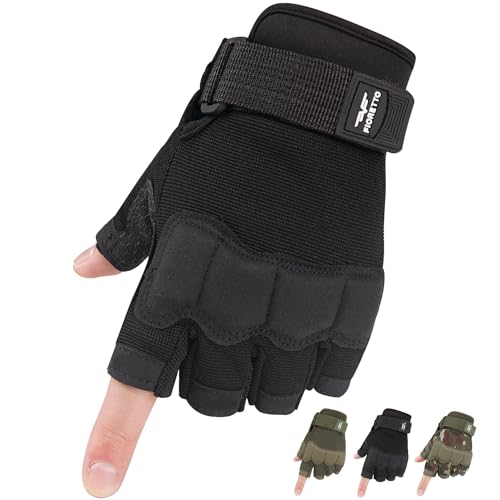
FIORETTO Fingerless Half Finger Gloves 215801
Finger-free control
Grip and dexterity focus

Balanced Choice
Lamicall Bike Gloves for Men Women
Breathable padded palm
Mixed indoor-outdoor use
More Details On Our Top Picks
Lightweight leather belay gloves usually earn their place by staying out of the way, and this PETZL pair follows that logic closely. For climbers who spend long sessions managing rope friction, the low-profile build matters as much as abrasion resistance.
The trade-off is straightforward, thin protective gloves tend to feel less plush than bulkier work-oriented styles. That makes this a cleaner fit for dedicated rope handling than for general outdoor labor.
Strong Points
- Light build helps keep rope handling precise.
- Leather construction suits repeated belay duty.
- Low bulk makes storage in a harness bag easier.
- Better suited to climbing-specific movement than heavier utility gloves.
Worth Noting
- Thin construction may feel modest in colder weather.
- Leather usually asks for basic cleaning and dry storage.
Core Details
Who It Suits Best
Experienced gym and crag climbers who want a simple belay glove with minimal bulk stand to gain the most here.
A Better Fit Elsewhere
PETZL CORDEX Plus Reinforced Belay/Rappel Gloves suit rope-heavy days better, especially for anyone who wants a sturdier palm than the lighter CORDEX pair.
Goatskin usually signals a tougher, more work-ready glove, and that is the practical appeal here. In rope-heavy scenarios such as rappelling, rescue practice, or tree work, a grippier leather surface often feels more confidence-inspiring than a lightweight training glove.
The honest read is that durability tends to matter more than finesse in this category. Compared with the sleeker PETZL CORDEX above, this Intra-FIT option reads as the more rugged tool, though that can mean a little less softness out of the box.
Upsides
- Goatskin build points toward strong abrasion resistance.
- Useful across climbing, rescue, and tree work scenarios.
- Grip-oriented design suits rope contact and handling.
- Works well for users who want a tougher hand feel.
Areas To Watch
- Heavier leather can feel less nimble than lighter belay gloves.
- Leather care stays part of ownership, especially after damp use.
- More rugged feel may suit outdoor tasks better than fast gym sessions.
Feature Snapshot
Who Will Love This
Outdoor workers and climbers who value a hard-wearing glove for repeated rope use are the strongest match.
Where A Sibling Pick Shines
PETZL CORDEX Lightweight Belay/Rappel Gloves suit climbers who want a lighter, less work-like feel for routine belay duty.
This pair pushes beyond climbing alone, and that wider brief is the point. Breathable full-finger coverage suits warm-weather cycling, gym circuits, and general outdoor movement, though dedicated climbers may see it more as a cross-training glove than a pure belay tool.
The palm uses silica gel, a grip material that adds texture and traction without turning the glove into a thick pad. Compared with the leather-first PETZL and Intra-FIT options, this Holiberty glove leans more toward comfort and ventilation than rope-specific protection.
Bright Spots
- Breathable full-finger format suits warmer conditions.
- Silica gel palm adds grip texture for bars and handles.
- Touchscreen support is useful during commuting or gym transitions.
- Broad activity range makes it easy to keep in a gear bag.
Softer Spots
- Less specialized for belay work than climbing-focused gloves.
- Mixed-use design can feel less precise on ropes.
- Full coverage adds warmth compared with fingerless styles.
At A Glance
Built With In Mind
Commuters, casual gym users, and weekend riders who want one glove for several activities are the best fit.
Another Choice May Suit
Seibertron Full or Half Finger Padded Palm Lightweight Breathable Climbing Rope Gloves are a tighter match for climbers who want a more rope-focused shape.
Convertible finger coverage makes this Seibertron glove stand out immediately. Full fingers help on rough rope days, while the half-finger setup gives more tactile control for tasks that need precision or frequent knot work.
For rescue practice, sailing, or kayaking alongside climbing, that flexibility makes sense. The trade-off is simple, there are more ways to use it than a narrow belay glove, but the shape still stays close to rope-handling needs rather than gym accessories.
Reasons To Buy
- Full or half-finger setup adds useful flexibility.
- Padded palm helps soften repeated rope contact.
- Breathable build suits active outdoor sessions.
- Works across climbing, rescue, and water sports tasks.
Room For Improvement
- Convertible design can add a bit of decision fatigue.
- Mixed-sport focus may not feel as specialized as belay-only gloves.
- Multiple uses can mean more varied cleaning after messy outdoor days.
Details At A Glance
Whose Shelf It Belongs On
Climbers who also spend time around rescue drills, paddling, or other outdoor grip work fit this glove well.
Swap It Out When
PETZL CORDEX Plus Reinforced Belay/Rappel Gloves make more sense for climbers who want a more traditional belay-only glove with a tougher feel.
Compared with the lighter CORDEX version, this one is clearly tuned for harder rope duty. Reinforcement in a belay glove usually signals extra protection in the palm and key wear zones, which matters during frequent rappels or long guiding days.
That sturdier feel can make the glove slightly less airy than simpler alternatives, but the trade-off makes sense for climbers who go through rope work often. The honest read is that this is a specialist choice, not a casual all-purpose glove.
Best Bits
- Reinforced build targets high-wear contact points.
- Well suited to repeated belay and rappel sessions.
- Useful for climbers who prefer more hand protection.
- Pairs naturally with rope-centered outdoor routines.
Small Caveats
- Extra reinforcement can reduce flexibility a bit.
- Less of a general-purpose option than some cross-training gloves.
- More material usually means a little more bulk in storage.
Feature Rundown
Right Fit For
Climbers who spend a lot of time on ropes and want more durable hand protection should look here first.
Look Elsewhere When
PETZL CORDEX Lightweight Belay/Rappel Gloves suit climbers who want the lightest, least bulky feel of the two PETZL options.
This SIMARI glove reads like a gym-first accessory that can still pull double duty for cycling and light outdoor movement. Cushion padding helps spread pressure across the palm, which is useful during weight sessions or long handlebar time.
For climbing, it sits farther from the pure rope-handling end of the spectrum than PETZL or Seibertron, but it can still appeal to mixed training setups. The trade-off is clear, more cushion and general comfort usually means less climbing-specific precision.
Plus Points
- Breathable build suits repeated training sessions.
- Cushion pad helps soften palm pressure.
- Useful for gym work, cycling, and light cross-training.
- Practical choice for people who prefer a softer hand feel.
Points To Note
- Less specialized for rock climbing than rope-focused gloves.
- Cushioning can feel thicker than some climbers prefer.
- Mixed-use design may not match a dedicated belay glove for precision.
Spec Overview
Made For
Training-focused users who want a comfortable all-round glove for gym sessions and occasional outdoor work fit best.
A Better Fit Elsewhere
Intra-FIT Goatskin Climbing Gloves are the stronger match for climbers who want a tougher, rope-first glove with a more outdoor-specific feel.
Fingerless gloves make sense for anyone who wants more dexterity around straps, controls, or gear handling, and that stays true here. Compared with the fuller PETZL and Intra-FIT styles, this FIORETTO glove leans toward hand freedom rather than maximum coverage.
That makes it better for mixed outdoor work and climbing-adjacent tasks than for long belay sessions in rough conditions. One thing worth considering is that half-finger designs are easier to live with in warm weather, but they leave more skin exposed.
Highlights
- Fingerless format gives strong tactile control.
- Useful for climbing, driving, and other grip-heavy tasks.
- Light feel suits warm conditions and frequent movement.
- Easy to stash in a small pack or tool bag.
Trade Offs
- Less coverage than full-finger climbing gloves.
- Not the strongest fit for long rope-heavy sessions.
- Open fingers mean more exposure to scrapes and weather.
Key Specs
The Right Fit
Climbers who value dexterity more than full hand coverage, especially in warmer conditions, will find this option the most natural fit.
Where Shoppers Go Wrong
PETZL CORDEX Plus Reinforced Belay/Rappel Gloves suit rope-focused climbers better, particularly those who want a more protective full-finger layout.
Lamicall takes a bike-glove route that still translates well to climbing-adjacent use, especially for mixed outdoor sessions. The breathable Lycra back and mesh panels should help with heat management, while the anti-slip pad adds grip support where the hand meets the bar or handle.
Compared with the more climbing-pure PETZL models, this glove makes a stronger case for people who split time between cycling, gym work, and light outdoor sports. The trade-off is predictable, broad comfort and ventilation usually come before specialist rope handling.
What We Like
- Breathable materials support airflow during active use.
- Shock-absorbing pad helps soften repeated hand contact.
- Works across cycling, gym work, hiking, and outdoor sports.
- Flexible build suits mixed routine use.
Minor Gripes
- Less climbing-specific than the rope-focused PETZL and Seibertron options.
- Bike-first shape may not satisfy users seeking a true belay glove.
- Mixed-sport design can leave rope precision a step behind specialist models.
Feature Card
Built For In Mind
Commuters and mixed-sport users who want a breathable glove for several activities, not just climbing, are the strongest match.
Reach For A Different Pick When
Seibertron Full or Half Finger Climbing Rope Gloves suit users who want a closer fit for climbing-specific rope handling and a more direct outdoor profile.
How To Choose The Right Gloves For Rock Climbing
Grip Starts With The Palm
Palm material drives most of the feel in this category. Leather, goatskin, silicone-style grip surfaces, and padded synthetic palms each change how firmly the glove handles rope, bar, or tool contact. A grippier palm helps during belays and rappels, while a softer cushioned palm helps during gym sessions or long training blocks.
Thicker padding usually improves comfort but can trim fingertip precision. Thin leather tends to preserve rope feel and control, although it often asks for more care after sweaty or dusty use. That trade-off matters most for climbers who handle rope all day rather than only a few times a month.
Coverage Should Match The Job
Full-finger gloves make more sense for repeated rope work, cooler weather, and rougher surfaces. Half-finger and fingerless styles give better dexterity, which helps with knots, clips, straps, and mixed outdoor tasks. The right answer depends on how much bare-finger control matters compared with hand protection.
Seibertron and FIORETTO sit closer to the dexterity side, while the PETZL options lean toward classic belay use. That difference sounds small on paper, yet it changes how the glove feels once rope friction or gear handling starts stacking up.
Breathability Changes Long-Session Comfort
Ventilated mesh, stretch Lycra, and lighter builds matter during warm-weather climbing or long training days. Hands that stay cooler usually feel less clammy, which makes the glove easier to keep on between moves. Breathability becomes more important in summer, indoor gyms, and mixed sessions that blend climbing with cycling or lifting.
The drawback is familiar, more airflow often means less insulation and sometimes less hand coverage. For cold mornings, rugged routes, or dusty rope stations, a sturdier glove tends to make more sense than a highly ventilated one.
Match The Glove To The Session Length
Short belay sessions favor lighter gloves with simpler construction. Longer routes, repeated rappels, and rope-heavy work usually justify reinforced palms and tougher outer materials. The most suitable option is the one that stays comfortable after the third or fourth reset, not just during the first few minutes.
Mixed-sport models can be handy for commuters, gym-goers, and weekend riders, but they rarely feel as specialized as climbing-first gloves. That makes them useful, just not the first call for serious rope handling.
Things Worth Knowing First
Mistakes Worth Dodging
Overbuying padding is a common slip. Excess cushion can flatten the rope feel that belayers often want, especially on thinner lines or during precise lowering. A glove that feels soft in the store may turn clumsy once repeated rope handling starts.
Another easy miss is assuming all-purpose sports gloves will behave like climbing gloves. Cross-training pairs can work well for gym use or cycling, but the shape, palm reinforcement, and finger coverage often lean away from rope duty.
The Upgrade Payoff
Higher-tier gloves usually spend more on leather quality, reinforcement, stitch work, and hand shaping. Those details matter because rope friction wears the same contact points over and over, and a stronger palm or better cut can hold up more gracefully over time.
Spending up makes sense for frequent belayers, guides, and outdoor staff who need a glove that feels dependable across many sessions. For occasional climbing days, a lighter, less expensive pair can be enough, especially when comfort and storage matter more than ruggedness.
Closing Thoughts
Gloves for rock climbing work best when the design matches the task, not just the sport name on the listing. PETZL CORDEX and PETZL CORDEX Plus stay closest to true belay and rappel use, while Intra-FIT brings a tougher outdoor feel and Seibertron adds flexible finger coverage. Holiberty, SIMARI, FIORETTO, and Lamicall make sense for mixed routines where climbing sits alongside training, riding, or general outdoor work. For most climbers, the right pair is the one that keeps rope handling controlled without getting in the way.
