Book Appointment Now

7 Best Accessories for Mountain Biking for 2026
Mountain biking gets easier when your gear matches the way you ride, not just the way it looks on a product page. The seven picks below cover cargo, storage, navigation, trail etiquette, and a few comfort upgrades that matter on rough climbs and long descents. You’ll find practical options for daily commuting, weekend trail loops, and mixed-use rides where every extra ounce and every loose strap matters.
Quick Look At Our Seven Trail Picks
PickWhy We Picked ItBest ForAction

Heavy Duty Pick
ROCKBROS Rear Bike Rack Quick Release Cargo Rack
Stable cargo carry
Commuting and touring

Feature Rich
Hilceriy Bike Computer And Bicycle Odometer Wired MPH KM/H
Ride data at a glance
Training and tracking
Compact Choice
Elevation Lab AirTag Mountain Bike Fork Mount Hidden
Discreet tracker storage
Hidden locator setup
Everyday Favorite
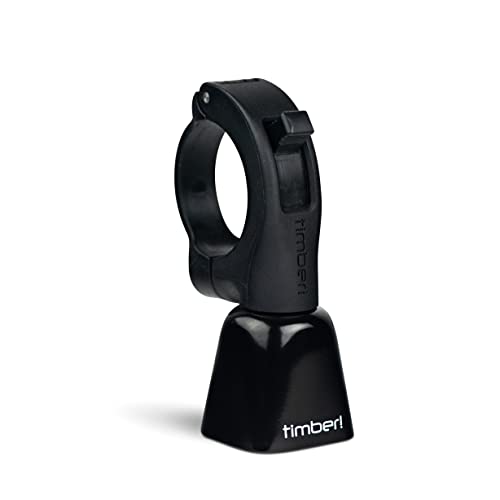
Timber Mountain Bike Bell Bolt-On Model Yew!
Trail-friendly sound control
Shared trails

Refined Pick
FIFTY-FIFTY Bike Bar Ends Aluminum Alloy Handlebar Ends
More hand positions
Long rides and climbs

Practical Pick
COTOUXKER Bike Frame Bag Small Black
Light storage on frame
Tools and daily carry

Balanced Choice
SCORYULE 2.5L Bike Handlebar Bag
Small front storage
Quick-access essentials
More Details On Our Top Picks
Rear racks earn their keep on rides where a backpack starts to feel like a brick. This ROCKBROS rack uses aluminum alloy with stainless steel screws, so it aims for the useful middle ground between strength and weight, and the quick-release setup helps on bikes that shift between errands and trail duty. The 55 lb load figure makes sense for panniers, groceries, or a compact touring load, though proper installation matters more here than on a simple seat bag.
You may find the black finish and rear fender useful on wet roads, because they help the rack fit into a commuter setup without looking out of place. Compared with the lighter storage bags in this list, this one suits riders who want cargo support first and convenience second, which is honest and practical.
Strong Points
- Aluminum alloy construction keeps the rack sturdy without turning it into dead weight.
- Quick-release clamps help you remove the rack without a long tool session.
- The rear fender and side protection add everyday usefulness in messy weather.
- 55 lb capacity gives you room for panniers, groceries, or a loaded commute.
Worth Noting
- It asks for careful setup, so rushed installation can undermine the fit.
- It makes more sense on bikes that regularly carry cargo than on ultra-light trail rigs.
Feature Snapshot
Who It Suits Best
Commuters and weekend tour riders who want a rear cargo platform with a straightforward setup will get the most from it.
A Better Fit Elsewhere
COTOUXKER Bike Frame Bag Small Black suits trail riders who want lighter storage without committing to a rear rack.
A wired cycle computer makes sense when you want the basics in plain sight, not buried in a phone app. This Hilceriy unit tracks speed, average and max speed, distance, ride time, calories, and temperature, so it speaks to riders who like a fuller picture of the ride without much fuss. The backlight helps in dim conditions, and the waterproof design adds confidence for mixed weather, though a wired setup means you’ll want to keep cable routing neat.
Compared with the ROCKBROS rack, this pick is about data rather than cargo, which makes it a better match for training loops, gravel spin-outs, or daily mileage tracking. The honest read is that it suits detail-minded riders more than people who just want a simple trip meter.
What We Like
- Shows a broad set of ride metrics, including speed, distance, and elapsed time.
- Calories and temperature readings add context for longer rides.
- Backlight support helps the display stay readable after dusk.
- Compact size keeps the cockpit from feeling crowded.
- Waterproof design makes sense for riders who don’t skip bad-weather outings.
Softer Spots
- Wired routing takes a bit more care during installation than a wireless unit.
- The feature set is broader than a basic odometer, so setup may feel busier at first.
Core Details
Who It Suits Best
Riders who track mileage, pace, and general workout data on a regular basis will get the clearest use from it.
Look Elsewhere When
Elevation Lab AirTag Mountain Bike Fork Mount Hidden makes more sense for riders who care more about discreet bike locating than ride stats.
Hidden mounting has a very different goal from a rack or bag, it’s about keeping a locator tucked away without making the bike look cluttered. This Elevation Lab fork mount is built for tapered head tubes and accepts forks with inside diameters from 32 to 34.4 mm, so fit is the first thing to check before anything else. That narrow compatibility makes it less universal than the other picks here, but it also explains why it stays discreet.
For riders who leave a mountain bike on a car rack, at a trailhead, or in a shared garage, that tucked-away approach can feel reassuring without drawing attention. The trade-off is simple: you need the right fork shape, and straight head tubes or triple-crown forks sit outside the fit range.
Highlights
- Hidden placement keeps the locator out of sight.
- Designed for tapered head tubes, which suits many modern trail bikes.
- Fits inside fork diameters from 32 to 34.4 mm.
- Small footprint keeps the bike’s clean lines intact.
Areas To Watch
- Compatibility is specific, so the fork shape needs checking before you commit.
- It only makes sense for riders who already use an AirTag.
- It won’t suit straight head tubes or triple-crown forks.
Technical Sheet
Who Will Love This
Mountain bikers with a compatible tapered front end who want a low-profile locator mount will benefit most.
Where Shoppers Go Wrong
ROCKBROS Rear Bike Rack Quick Release Cargo Rack is a better fit for riders who need hauling space instead of hidden tracker storage.
Trail bells can feel minor until you ride shared paths with hikers, families, or slower riders ahead of you. Timber’s bolt-on bell uses a motion-activated ring mode, a brass sound source, and a stealth setting, so it gives you a simple way to stay courteous without leaving noise on all the time. Compared with the hidden AirTag mount above, this one is about social trail awareness, and the mode switch is the part that makes that work.
The sound is pitched for distance rather than charm, which is exactly why it helps on narrow singletrack or mixed-use routes. You may find the bolt-on format more secure than a strap-on bell, though it does mean a more fixed handlebar setup.
Positives
- Motion-activated ringing helps keep your hands on the bars.
- Solid brass sound carries well on shared trails.
- Stealth mode lets you keep things quiet on empty sections.
- Bolt-on mounting feels more settled than a loose clamp.
Points To Note
- It’s more trail-specific than a general-purpose handlebar accessory.
- Bolt-on mounting is less flexible if you swap bars often.
Feature Rundown
Whose Shelf It Belongs On
Trail riders who share space with others and want a simple, always-ready alert bell will use it well.
Swap It Out When
Hilceriy Bike Computer And Bicycle Odometer Wired MPH KM/H makes more sense for riders who care more about ride data than trail signaling.
Bar ends are a small part, but on long climbs they can make the cockpit feel much less one-note. These FIFTY-FIFTY ends use 6061-T6 aluminum alloy, a common bike material chosen for its light weight and strength balance, and the bent shape gives your hands another place to settle during steady spinning or out-of-saddle efforts. That said, bar ends matter most on bikes with enough handlebar room to benefit from the added reach.
Compared with the Timber bell’s trail-focused purpose, this is a comfort piece that works quietly in the background. The ergonomic shape and sanded finish should suit riders who notice hand fatigue on longer routes, though the fit is tied to 22.2 mm handlebar ends, so checking the diameter is the whole game here.
Upsides
- 6061-T6 aluminum alloy keeps the ends light while staying durable.
- Curved shape creates another hand position for climbs and long rides.
- Sanded finish adds grip without feeling overly busy in the hand.
- Simple add-on for riders who want more control options on the bars.
Small Caveats
- Fit depends on a 22.2 mm handlebar end, so compatibility needs checking.
- They help most on rides long enough for hand position changes to matter.
At A Glance
The Right Fit
Riders who spend real time climbing or who want a second hand position on their MTB bars will appreciate them most.
Another Choice May Suit
SCORYULE 2.5L Bike Handlebar Bag suits riders who need quick-access storage more than extra grip positions.
Frame bags are the neat middle ground between a full rack and a jersey pocket stuffed too hard. This COTOUXKER bag uses ultralight Oxford fabric and seam-welded zippers, so the design aims for low weight with better resistance to daily wear. It’s a smart fit for riders who carry a phone, multi-tool, tube, or snacks and want those items close to the bike rather than bouncing around in a backpack.
Compared with the rear rack above, this one is much simpler to live with on shorter trail rides, especially when you do not want extra hardware hanging off the bike. One thing worth considering is storage volume, because a small frame bag naturally asks you to pack with some discipline.
Best Bits
- Ultralight Oxford fabric keeps the bag easy to carry on the bike.
- Seam-welded zippers help the closure area hold up better over time.
- Good for small essentials, which keeps tools and snacks within reach.
- Fits road and mountain bikes, so it can move between setups.
Room For Improvement
- Small size asks you to pack carefully.
- It suits compact carry more than larger ride-day loads.
Feature Card
Made For
Trail and road riders who want compact on-bike storage for tools and small essentials will get the cleanest use from it.
Reach For A Different Pick When
ROCKBROS Rear Bike Rack Quick Release Cargo Rack suits riders who need a larger cargo platform instead of a slim frame bag.
A handlebar bag changes the feel of a ride fast, because your essentials sit right where you can reach them. SCORYULE’s 2.5L pouch gives you space for a phone, sunglasses, sunscreen, wallets, and small towels, which makes it a nice match for casual trail loops and mixed rides where you don’t want to stop and dig through a pack. The included shoulder strap adds a bit of off-bike practicality, and the waterproof build fits real outdoor use better than a plain fabric pouch.
Compared with the COTOUXKER frame bag, this one puts storage up front and keeps access easy, which some riders simply prefer. The trade-off is cockpit clutter, so riders who already run lights, computers, or bell hardware may want to think through handlebar space first.
What We Like
- 2.5L capacity handles a sensible set of ride essentials.
- Front placement keeps frequently used items easy to grab.
- Waterproof build suits changing weather and damp trail conditions.
- Shoulder strap adds usefulness once you’re off the bike.
Trade Offs
- Handlebar mounting can crowd a busy cockpit.
- It favors compact carry rather than bulky gear.
Details At A Glance
Built With In Mind
Riders who want front-mounted storage for everyday essentials and quick access on the move will make the most of it.
Where A Sibling Pick Shines
COTOUXKER Bike Frame Bag Small Black is the better fit for riders who want storage that stays lower and less noticeable on the frame.
How To Choose The Right Accessories For Mountain Biking
Match The Accessory To The Ride
Cargo gear, comfort gear, and navigation gear solve different problems, so the first step is choosing the job rather than chasing a long feature list. A rear rack like the ROCKBROS model helps when you carry tools, food, or commuter bags, while a frame bag or handlebar pouch keeps smaller essentials close without adding much bulk. Trail-only riders often lean toward bells, bar ends, or hidden mounts, because those pieces support the ride without changing the bike’s whole personality.
Fit Matters More Than Flash
Mounting style can make or break the experience. A fork mount needs the right head tube shape and inside diameter, a bell needs handlebar room, and bar ends need the correct 22.2 mm fit, so checking compatibility saves you from a mismatch that looks good on paper and fails at the stem. That same habit helps with rack installation too, because load ratings only matter after the hardware sits correctly on the bike.
Think About How You Actually Ride
Daily commuters usually value storage, weather resistance, and easy removal, which is why racks and handlebar bags make sense. Trail riders often care more about cockpit simplicity, low weight, and quick access, so compact bags, bar ends, and trail bells tend to fit better. For long-distance riders, small comfort upgrades can matter in the same quiet way a well-placed stone makes a path easier to walk, especially on climbs where hand position and load balance affect how the bike feels after an hour.
Balance Convenience Against Maintenance
Some accessories ask for more upkeep than others. Racks need careful installation checks, wired computers need tidy cable routing, and bags with zippers or hook-and-loop straps need occasional cleaning so grit does not build up in the moving parts. The right choice is usually the one that stays easy to live with after the excitement of installation fades.
A Quick Reality Check
Common Shopping Slip Ups
A lot of mountain bike accessory mistakes come from buying for the bike instead of the ride. A hidden locator mount sounds clever until you realize your fork shape won’t fit, and a large front bag can feel awkward on a bar crowded with lights and a computer. The safer move is to measure first, then choose the accessory that leaves the cockpit calm and the handling predictable.
Another easy miss is overlooking how the item gets used day after day. A rack can be brilliant for errands and slightly annoying for a lightweight trail setup, while a bell that feels playful on paper might be the quietest way to stay courteous on busy shared paths.
Where The Extra Money Goes
Higher-tier pieces usually cost more because of materials, mounting precision, and the way they solve a narrow problem cleanly. Aluminum alloy, seam-welded closures, hidden fittings, and better hardware all tend to push a product beyond basic utility and into the zone where it feels more settled on the bike. That matters most for riders who cover a lot of miles or keep the same setup for a long stretch.
Spending up makes sense when the accessory does a job you use often, such as hauling cargo, tracking rides, or carrying a locator. For occasional use, the simpler option can be the smarter call because it stays lighter on the bike and easier on your maintenance routine.
Frequently Asked Questions
Which accessories help most on long rides?
Frame bags, handlebar bags, and bar ends usually help the most because they keep essentials close and improve comfort over time. A rear rack also helps when your ride turns into a full day with extra cargo.
Do I need a bell for mountain biking?
Shared trails make a bell useful, especially where hikers or slower riders are common. Timber’s motion-activated style is a clean fit for that kind of riding.
How do you check fit before ordering?
Start with handlebar diameter, fork shape, and how much open space your cockpit actually has. That check matters more than any glossy feature list.
Are wired bike computers still worth it?
Yes, for riders who want steady ride data without charging another device. The wired format can also feel straightforward once the cable routing is set.
Which pick is most useful for daily commuting?
The ROCKBROS rear rack stands out for commute cargo, while the SCORYULE handlebar bag works well for smaller daily items. Your best choice depends on whether you carry weight or just a handful of essentials.
Final Thoughts
The right mountain bike accessory should make your ride feel cleaner, not busier. A rack helps when you carry real cargo, a bag helps when you want small items close at hand, and a bell or bar end helps when your trail habits or hand position need a little support. The best match is the one that fits your frame, your route, and the kind of miles you actually ride. Keep those three things aligned, and the setup usually feels right from the first outing.
