Book Appointment Now

7 Best Aero Clips on Bars for 2026
Clip-on aero bars change how you sit, not just how your bike looks. For triathlon efforts, long solo training rides, and time-trial setups, the right pair can give your hands a steadier perch and your upper body a narrower profile. The catch is fit, adjustability, and comfort vary a lot, so a good choice depends on your handlebar size, riding position, and how long you stay tucked in.
Quick Look At The Shortlist
PickWhy We Picked ItBest ForAction

Balanced Choice
Profile Design Legacy II Aerobars
Solid adjustability
Triathlon training
Value Pick
UPANBIKE Bike Handlebar Rest Handlebar TT Bar
Adjusts to many bars
Budget-minded setup

Refined Pick
BBB Cycling Aero Bars Aluminium Tri Bars BHB-52
Clean tri-bar layout
Road bike fit

Feature Rich
BBB Cycling Aero Bars AeroMax BHB-60
J-bend hand position
Longer aero efforts

Everyday Favorite
Profile Design Century Aero Bar
One-piece simplicity
Comfort-first riding

Upgrade Pick
Profile Design Airstryke V2 Aluminum Clip-on Aerobars
Stack and reach control
Fit-tuning setups
More Details On Our Top Picks
Legacy II makes sense for you when the goal is steadier time-trial or triathlon positioning without getting too fussy about the setup. The forged 6061-T6 aluminum build points to a more rigid, durable feel than cheaper soft-alloy options, and the adjustable armrests give you room to fine-tune comfort on longer rides.
That adjustability matters most on mixed-length training days, where you may stay on the extensions for a while but still need control and comfort on the base bar. The trade-off is that aluminum extensions can feel less plush than padded, more comfort-first designs, so riders chasing pure softness may prefer the Century bar later in this list.
Strong Points
- Forged 6061-T6 aluminum gives a sturdy feel for sustained efforts.
- Adjustable armrests help you shape a position that matches your torso and shoulder width.
- Well suited to triathlon bikes and time-trial setups.
- Black finish keeps the look understated on most builds.
Things To Consider
- Aluminum can feel firmer than padded comfort-focused alternatives.
- You may need a little time to dial in armrest placement.
- Long rides on rough pavement can make fit details more noticeable.
Feature Snapshot
Who It Suits Best
Triathletes and time-trial riders who want a serious clip-on setup with adjustable contact points will get the most out of this model.
A Better Fit Elsewhere
Profile Design Century Aero Bar works better for riders who want a simpler, comfort-first shape with less setup fuss.
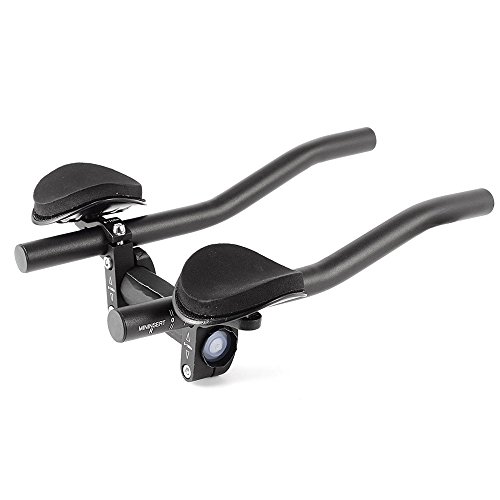
UPANBIKE takes a very adjustable route, which helps when you want a bar that can adapt to more than one bike or riding posture. The aluminum alloy body, plastic arm pad, and sponge cushion point to a lighter, simpler feel than Profile Design’s more purpose-built options.
The clamp range is broad, using shims to suit handlebar diameters from 25 mm to 33 mm, so it can work on several common bar sizes. For commuters who also train, or for riders piecing together a first aero setup, that flexibility is the real draw, though the mixed-material pads will not feel as refined as higher-tier aluminum armrest designs.
Upsides
- Clamp range covers several common handlebar diameters with shims.
- Independent adjustment helps you shape bar angle, width, and armrest placement.
- Sponge cushioning adds a softer touch for longer seated efforts.
- Broad compatibility makes it useful across road and mountain setups.
Worth Noting
- Plastic and sponge parts feel less premium than all-aluminum rivals.
- Pad care matters, especially after sweaty summer rides.
- Setup can take a little patience the first time.
Core Details
Built With In Mind
You benefit most here if you want a flexible, entry-friendly aero setup for road, mountain, or mixed-use bikes.
Skip It When
DRCKHROS Aero Bars suit you better when you want an all-aluminum armrest setup with a more solid feel.
DRCKHROS sits in a useful middle ground for riders who want an aero bar without a lot of clutter. The all-aluminum armrests and aluminum alloy frame should suit people who prefer a firmer, more unified setup than UPANBIKE’s mixed-material pad system.
Owners commonly appreciate the removable sponge mats because they make cleaning less awkward after sweaty rides, and that helps in busy training weeks. The included install tools also lower the setup friction, although the bar’s fit range is still something you need to check carefully against your current clamp diameter.
Bright Spots
- Aluminum alloy frame and armrests create a cohesive feel.
- Removable sponge mats are easier to clean after regular use.
- Independent adjustment supports a more tailored riding posture.
- Included install tools help simplify the first setup.
- Good match for road and mountain riders who train on flatter stretches.
Room For Improvement
- Fit still depends on checking clamp diameter against your bars.
- Sponge mats are practical, though they may wear faster than harder pads.
Details At A Glance
The Right Fit
You should look here if you want a straightforward aluminum aero bar for training rides and easy maintenance.
Where A Sibling Pick Shines
Profile Design Legacy II Aerobars make more sense for riders who want a more established triathlon-ready setup with adjustable armrests.
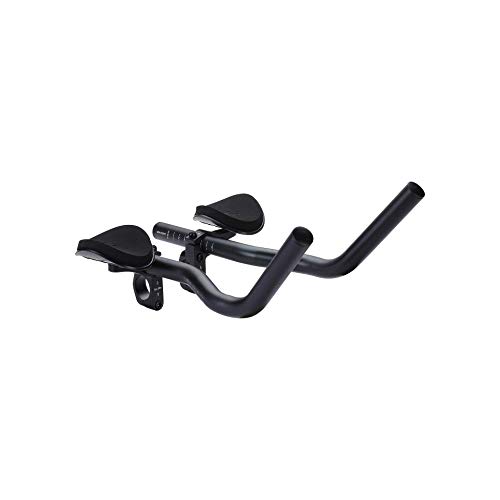
BBB Cycling BHB-52 is built around a two-piece aluminum layout, which keeps the shape clear and purposeful. For road bikes with the right clamp size, that kind of straightforward construction often feels easier to understand than more crowded aero extensions.
The ergo-bend angle and foam padding help this model lean toward comfort while still chasing a lower riding posture. The trade-off is simple enough: you get a more guided hand position, but you are still working within a road-bike-specific fit that needs proper handlebar compatibility from the start.
Highlights
- Two-piece aluminum build keeps the cockpit tidy.
- Ergo-bend shape encourages a deeper, more aerodynamic position.
- Foam padding adds comfort for time-trial style riding.
- Clamp setup is straightforward on compatible road bars.
Points To Note
- Compatibility depends on matching the 26/31.8 mm handlebar size.
- Foam padding feels more basic than plush armrest systems.
- International listing notes can make product-page details worth checking twice.
Feature Rundown
Whose Shelf It Belongs On
This fits riders who want a clear, uncomplicated tri-bar shape for road-bike use.
Look Elsewhere When
BBB Cycling AeroMax BHB-60 is the better match for you if you want a J-bend hand position with a little more reach-focused flexibility.
AeroMax BHB-60 leans into a more shaped aero position than the simpler BHB-52, thanks to its J-bend bars. That bend can feel more natural for some riders during longer efforts, especially when you like having a hand position that encourages staying settled for a while.
The two-piece aluminum design keeps installation and adjustment approachable, which matters on a bike that already has a dialed fit. The honest read is that this one favors riders who know they want a more aerodynamic arm position and are comfortable tuning around that, rather than anyone looking for a casual add-on.
Reasons To Buy
- J-bend bars support a more tucked arm position.
- Two-piece construction makes setup less intimidating.
- Aluminum build suits regular training use.
- Works well for time-trial and triathlon pacing.
Small Caveats
- The bent shape may not suit every wrist angle.
- Road-bike fit checks still matter before you order.
- More specialized than the simpler Profile Design Century bar.
Spec Overview
Best Suited To
You benefit most if you want a more aggressive hand position for triathlon or time-trial riding.
Swap It Out When
Profile Design Legacy II Aerobars are the safer choice when you want more adjustable armrest control and a more familiar road-race fit.
Century takes a simpler path than the more adjustable bars above it, and that can be a relief for riders who want comfort without a lot of cockpit clutter. The one-piece design keeps the setup visually clean, and the adjustable arm width gives you some room to settle your elbows where they feel most natural.
That makes it a sensible choice for longer weekend rides or steady solo miles, especially when you care more about relaxed support than aggressive positioning. It does not promise the same fit range as the more modular options, so riders who fine-tune every detail may still prefer Legacy II or Airstryke V2.
Best Bits
- One-piece layout keeps the cockpit simple.
- Adjustable arm width helps with comfort on longer rides.
- Good match for steady endurance pacing.
- Less setup complexity than more modular aero bars.
Areas To Watch
- Less adjustment range than the more specialized Profile Design options.
- Comfort focus may leave aggressive racers wanting more tuning.
Quick Facts
Made For
You should look here if your main goal is comfort on longer rides rather than a race-first cockpit.
Another Choice May Suit
BBB Cycling Aero Bars AeroMax BHB-60 is a smarter fit for you if a more aggressive J-bend position matters more than simplicity.
Airstryke V2 stands out for riders who care about cockpit geometry as much as arm support. Adjustable stack and reach give you more control over how high the pads sit and how far forward the extensions run, which matters a lot on bikes that need careful fit balancing.
That extra tuning room can be useful for triathletes who dislike the feeling of being pushed too far forward, and it also helps riders who want a cleaner transition between climbing on the hoods and settling into the extensions. The trade-off is that more adjustability usually asks for more setup patience, so this is a better fit for someone willing to dial things in rather than bolt them on and forget them.
What We Like
- Adjustable stack and reach help shape a more personal fit.
- Aluminum construction keeps the setup in a serious training lane.
- Good for riders balancing comfort, control, and aero posture.
- Matte black finish keeps the appearance understated.
Honest Caveats
- More tuning can mean a longer setup session.
- The added adjustability may be more than casual riders need.
Feature Card
Who Will Love This
You suit this best if you like fine-tuning your position and want more control than a fixed-shape clip-on can give you.
Reach For A Different Pick When
Profile Design Century Aero Bar is the easier match if you want a simpler, comfort-first layout with less adjustment to manage.
How To Choose The Right Aero Clips On Bars
Fit Comes First
Handlebar clamp size is the first thing to check, because a bar that looks right on paper can still miss your cockpit by a few millimeters. UPANBIKE shows how shim-based fit can broaden compatibility, while BBB BHB-52 reminds you that road-bike sizing still matters.
Armrest shape deserves the same attention. A firmer aluminum armrest feels different from sponge or foam padding, and that difference changes how long you stay comfortable in the aero tuck.
Comfort Versus Control
Long rides expose small fit issues fast. Adjustable armrests, stack, and reach help you fine-tune pressure on your forearms and shoulders, which is why Profile Design Legacy II and Airstryke V2 make sense for riders who stay in position for extended stretches.
Comfort-first designs work better for steady endurance riding than for aggressive race efforts. The trade-off is easy to spot, more padding and simpler shapes usually feel friendlier, while more tuned setups often ask for more setup time.
Match The Bar To Your Ride
Triathletes usually want a lower, steadier extension position, especially on roads that reward a tucked posture. J-bend bars like BBB AeroMax suit that mindset, while Century is calmer and more relaxed for riders who still want some comfort on longer solo miles.
Road and mountain riders can use aero bars too, but only when the rest of the cockpit fit stays sensible. A product with broad adjustability works better on mixed bikes, while a more specialized model belongs on a bike already aimed at fast, straight-line riding.
Material And Maintenance
Aluminum remains the common thread here because it gives you a firm, durable-feeling base without getting overly complicated. Pads and armrests are where day-to-day upkeep changes, since removable sponge pieces are easier to clean than fixed padding after sweaty sessions.
The honest read is that durability often comes down to how much moving hardware you want to manage. More adjustment points can improve fit, but they also give you more parts to keep aligned and snug over time.
Things Worth Knowing First
Common Shopping Slip Ups
A lot of shoppers focus on the aero shape and skip the fit check, which is the easiest way to end up with a bar that never feels settled. Handlebar diameter, clamp range, and armrest width matter just as much as the headline design.
Another common miss is choosing too much adjustability for a casual riding plan. For short rides, a simpler setup like Profile Design Century may feel easier to live with than a more adjustable option like Airstryke V2.
The Upgrade Payoff
Higher-tier bars usually cost more because they give you finer position control, better material consistency, and a more polished mounting experience. That extra money often goes toward aluminum construction, smarter armrest shaping, and geometry that better suits triathlon or time-trial positions.
The upgrade makes sense when your rides are long enough for small fit improvements to matter. For occasional use, a simpler bar can be plenty, but regular aero training usually rewards the extra tuning room.
Frequently Asked Questions
Are clip-on aero bars hard to install?
Some models are very straightforward, while others need careful spacing and a bit of patience. The easiest installs usually come from two-piece designs with clear clamp ranges.
Which handlebar shape works best?
Most clip-on bars are built for drop-bar road setups, though some models list wider compatibility. You should match the clamp range to your bars before you focus on armrest shape.
Do padded armrests matter much?
They matter more than many shoppers expect, especially on longer rides. Foam or sponge can soften pressure points, while firmer aluminum contact feels more direct.
Are adjustable stack and reach worth it?
They are worth it when you want to fine-tune your posture instead of accepting a fixed position. Riders who stay in the aero tuck for long stretches usually benefit most.
Which option suits comfort-focused riding?
Profile Design Century is the calmest choice here for steady riding and simpler setup. It gives you a cleaner, less fussy feel than the more race-leaning models.
Final Thoughts
You have seven solid ways to build a faster, narrower position without jumping into a full cockpit overhaul. For a serious triathlon setup, Profile Design Legacy II and Airstryke V2 stand out because they give you more room to tune fit. For easier, more budget-conscious choices, UPANBIKE and DRCKHROS keep things practical. The right pick depends on how long you stay on the extensions and how much adjustment you want to manage, so choose the shape that fits your riding habits, not just the look.
