Book Appointment Now

Baseball Safety Tips: Protecting Yourself on the Field

Baseball is an exciting sport, but safety should always come first. Injuries can happen quickly, with over 665,000 baseball injuries reported in a decade. To protect yourself on the field, you should follow essential baseball safety tips. Wearing proper protective gear, like helmets and cups, is crucial. Additionally, adopting safe techniques and maintaining awareness of your surroundings can significantly reduce the risk of injury. Remember, staying safe allows you to enjoy the game to its fullest.
Key Takeaways
Always wear protective gear like helmets and cups to shield yourself from injuries while playing baseball.
Warm up properly with stretching routines to prepare your body and reduce the risk of muscle strains.
Communicate clearly with teammates to prevent collisions and ensure everyone is aware of their surroundings.
Stay hydrated before, during, and after games to maintain performance and avoid health issues.
Regularly inspect the field for hazards to create a safer playing environment for everyone.
Protective Gear
Helmets and Cups
Wearing a helmet is essential for protecting your head while playing baseball. Helmets shield you from head injuries, especially when facing fast pitches. Modern helmets use multi-density foam, which absorbs impacts effectively. You should always wear a helmet when batting or running the bases.
In addition to helmets, protective cups are crucial for male players. These cups provide vital protection for the groin area during play. They help prevent serious injuries from foul balls or collisions. Always ensure your cup fits properly for maximum comfort and protection.
Catcher’s Gear
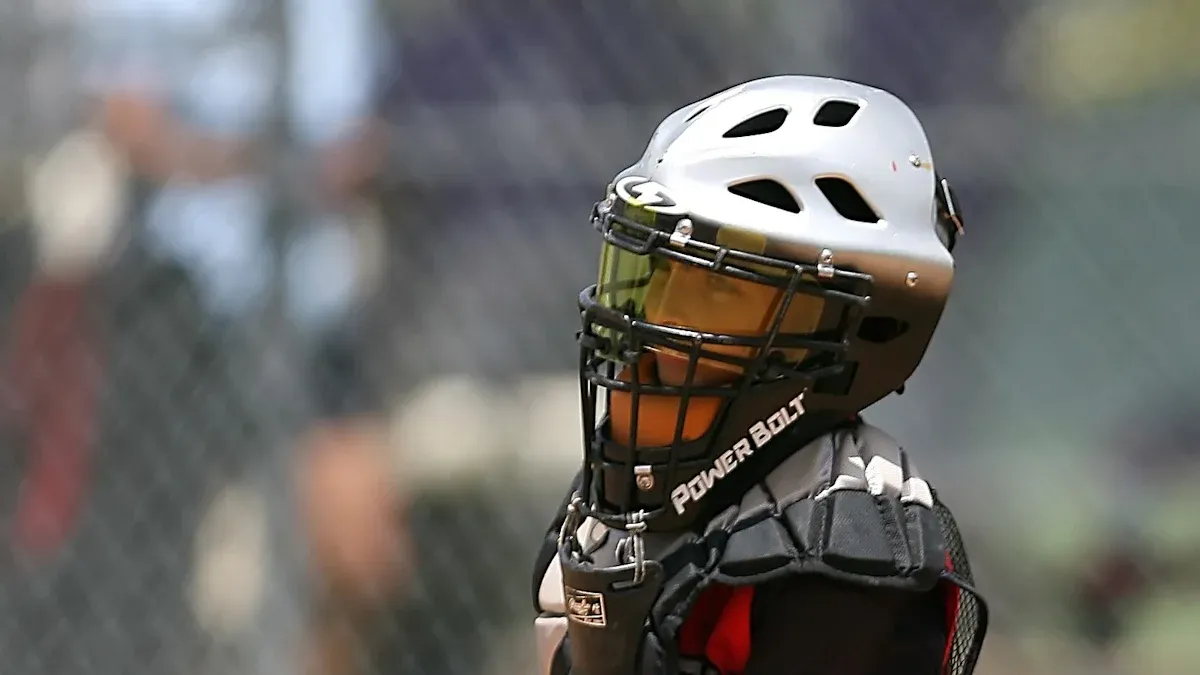
Catcher’s gear is another important aspect of baseball safety. This gear includes a helmet, chest protector, and shin guards. The helmet protects against foul tips and wild pitches. The chest protector absorbs impacts from fast-moving balls, while shin guards protect your legs from foul tips and collisions at home plate.
Make sure your catcher’s gear meets safety standards. Look for NOCSAE certification, which ensures the equipment has passed rigorous safety tests. Since 2020, high school catchers must wear NOCSAE-certified chest protectors to protect against injuries like Commotio Cordis. Even if you play in youth leagues, consider investing in certified gear for added safety.
Shin and Elbow Guards
Shin and elbow guards play a significant role in body protection. These guards help reduce the risk of impact injuries during games. For example, PRT® shin guards mold to your body, providing comfort while absorbing the force of foul balls. Similarly, PRT® elbow guards extend down the forearm, protecting you from impacts that can cause pain or injury.
Using these safety equipment pieces can significantly lower your chances of injury. Always wear them during practice and games to ensure you stay safe on the field.
Summary of Protective Equipment
To summarize, here are some key protective equipment types you should consider:
Helmets: Essential for head protection.
Cups: Important for male players to protect the groin area.
Catcher’s Gear: Includes helmets, chest protectors, and shin guards, all vital for safety.
Shin and Elbow Guards: Help reduce impact injuries.
By using the right protective gear, you can enjoy the game while minimizing the risk of injuries.
Warm-Ups
Warming up before a baseball game or practice is essential for preventing injuries. A proper warm-up increases blood flow to your muscles and prepares your body for the physical demands of the game. Here are some effective stretching routines you can follow:
Stretching Routines
Phase 1: Raise Your Core Temperature
Start with light jogging or stationary movements.
Perform high knees and butt kicks.
Do leg swings forward, backward, and across your body.
Complete arm circles, starting small and gradually increasing the size.
Finish with torso rotations and side bends.
Phase 2: Shoulder and Arm Activation
Use resistance bands for band pull-aparts, focusing on squeezing your shoulder blades.
Perform external and internal rotations with controlled movements.
Include scapular wall slides and cross-body arm stretches.
Phase 3: Progressive Throwing Protocol
Begin at 30-40 feet with easy tosses.
Gradually increase the distance and intensity of your throws.
Engaging in these routines can significantly reduce the risk of muscle strains and injuries.
Hydration and Sun Safety
Staying hydrated is crucial, especially during hot weather. Dehydration can impair your performance and lead to serious health issues. Here are some hydration guidelines:
Phase | Recommendations |
|---|---|
Pre-exercise | Drink 16-24 oz of fluid 2 hours before; additional 8-16 oz 30-60 min before on warm days. |
During Exercise | Consume 3-6 oz of water or sports drink every 15 minutes, totaling about 32 oz per hour. |
Post-exercise | Drink 16-20 oz for every pound lost; consume a high-carb shake immediately after activity. |
Additionally, protect yourself from the sun. Wear a baseball cap or visor to block direct sunlight. Use UV-blocking sunglasses for eye protection. Make these items a regular part of your uniform to develop good habits.
By incorporating these warm-up routines and hydration strategies, you can enhance your performance and stay safe on the field.
Safe Techniques
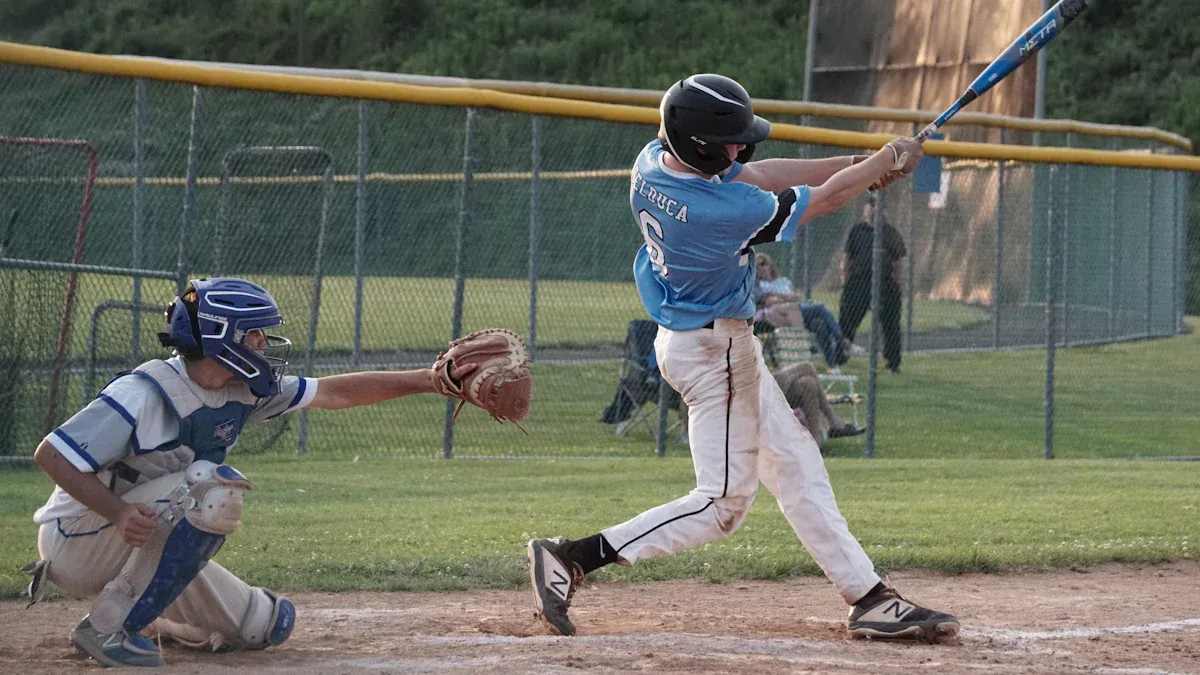
Batting Stance
Your batting stance sets the foundation for a successful swing. A proper stance minimizes the risk of injuries and enhances your performance. Here are some key points to remember:
Start with a balanced and athletic stance.
Position your feet shoulder-width apart.
Distribute your weight evenly on both feet.
Keep a slight bend in your knees and weight on the balls of your feet.
Maintain an upright posture with a still head during your swing.
A stable and balanced stance significantly reduces strain on your lower back and knees. This posture helps you avoid overreaching or lunging at the ball, which can lead to potential injuries like pulled hamstrings or shoulder strains. Improper arm positioning can also lead to misalignment, increasing stress on your shoulder and elbow. By focusing on your stance, you can prevent injuries and improve your batting technique.
Fielding Techniques
Fielding requires quick reflexes and awareness to prevent collisions and falls. Here are some essential safety practices to follow:
Safety Practice | Description |
|---|---|
Breakaway safety bases | Ensure bases disengage according to league rules to protect players. |
Inspect bases for moisture | Check for slip and trip hazards caused by wet bases. |
Check field maintenance | Ensure the field is free of grooves, dips, or stones that could lead to injuries. |
Examine backstop and fencing | Look for unusual wear or protrusions that may injure players chasing foul balls. |
Ensure dugout and field gates are functional | Gates should be in place and able to close during play to prevent accidents. |
Use proper technique when fielding | Emphasize correct techniques to avoid collisions and falls. |
Positioning of baserunners | Baserunners should lead off bases with their left foot to maintain awareness of fielders. |
Regular practice of fielding drills helps you develop quick reflexes, which are crucial for avoiding injuries from fast-moving balls. Starting training sessions with dynamic stretching and light throwing prepares you physically, reducing the likelihood of injuries. A proper warm-up routine is essential to ensure you are ready for practice.
Sliding Safely
Sliding is a critical skill in baseball that can help you avoid tags and maintain momentum. Here are some recommended methods for sliding safely:
Avoiding tags: A well-executed slide can help you evade a fielder’s tag, increasing your chances of being safe.
Maintaining momentum: Sliding allows you to keep your speed while approaching a base, enabling you to stop quickly without overrunning it.
Reducing collision risks: Proper sliding technique can prevent dangerous collisions with fielders, especially at home plate.
Strategic advantage: Knowing when and how to slide can give you a competitive edge in close plays.
Speed and efficiency: A good slide can actually be faster than running through the base in certain situations.
When sliding, consider these techniques:
Feet-First Slide: This is the most common and generally safest sliding technique.
Head-First Slide: While this slide can be faster, it carries a higher injury risk.
Pop-Up Slide: This advanced technique involves sliding into the base and quickly springing back to a standing position.
Hook Slide: Used to avoid tags, this slide involves hooking your foot around the far side of the base.
Swim Move Slide: An advanced evasive technique where you use arm movements to avoid a tag.
To execute a safe slide, maintain speed as you near the base. Begin your slide about 8-10 feet from the base. Keep your upper body slightly back, with your chin tucked. For a feet-first slide, extend one leg toward the base and tuck the other underneath. Keep your arms up and hands off the ground to avoid injury. Research shows that improper sliding techniques can lead to a higher risk of injury, particularly in specific contexts.
By mastering these safe techniques, you can enhance your performance while minimizing the risk of injuries on the field.
Awareness on the Field
Communicating with Teammates
Effective communication among teammates is crucial for maintaining safety on the baseball field. When players call out for pop-ups and fly balls, they reduce the risk of collisions. Clear communication helps prevent accidents that can lead to serious injuries. Remember, loud calls for the ball can save you and your teammates from dangerous situations.
Clear communication is key to preventing on-field collisions. Encourage players to loudly call for pop-ups and fly balls so they don’t crash into their teammates. Collisions can lead to head, neck, or orthopedic injuries.
To enhance communication, consider these strategies:
Use specific phrases like “I got it!” or “Mine!” when going for the ball.
Establish signals for plays, especially in noisy environments.
Hold regular team meetings to discuss safety protocols and communication methods.
Recognizing Hazards
Awareness of potential hazards on the field is essential for player safety. You should regularly inspect the playing area for common risks. Here are some hazards to look out for:
Maintenance Issues: Uneven surfaces can cause trips and falls. Regular inspections help identify these problems.
Safety Equipment: Ensure bases are properly secured. Safety bases at first base can help prevent collisions.
Environmental Hazards: Contaminated soil can pose health risks. Monitor the field for any signs of contamination.
Additionally, be aware of:
Inadequate warning track depth, which can lead to injuries during play.
Poorly maintained bullpen areas that create unsafe conditions.
Insufficient protective netting, posing risks to spectators.
By recognizing these hazards, you can take proactive steps to ensure a safer playing environment. Always communicate with your teammates about any potential dangers you notice during practice or games.
Implementing baseball safety tips is crucial for protecting yourself and your teammates on the field. By following guidelines like pitch count rules, you can prevent injuries and promote healthy development. Regular maintenance of the playing area and using quality protective gear enhances safety and performance.
The study indicates that there is a significant knowledge gap among youth players and coaches regarding safe pitching practices. It emphasizes the need for educational interventions to empower players in injury prevention, which could lead to a reduction in injury rates.
Prioritize your safety and well-being to enjoy the game for years to come.
FAQ
What should I wear for baseball safety?
You should wear a helmet, protective cup, and appropriate gear like shin and elbow guards. Catchers need specialized gear, including a chest protector and shin guards. Always ensure your equipment fits well for maximum protection.
How can I prevent dehydration during games?
Drink water before, during, and after games. Aim for 16-24 oz of fluid two hours before play. During the game, consume 3-6 oz every 15 minutes to stay hydrated and maintain performance.
What are the best warm-up exercises for baseball?
Start with light jogging and dynamic stretches like leg swings and arm circles. Include resistance band exercises for shoulder activation. Gradually progress to throwing drills to prepare your body for the game.
How can I avoid collisions on the field?
Communicate clearly with teammates. Use specific phrases like “I got it!” when calling for the ball. Regularly inspect the field for hazards and ensure everyone is aware of their surroundings.
Why is sliding technique important?
Proper sliding technique helps you avoid tags and reduces the risk of injury. It allows you to maintain speed while approaching bases. Mastering safe sliding techniques enhances your overall performance in the game.