Book Appointment Now

7 Best 3d Deer Archery Targets for 2026
Deer practice looks different once you move from flat bullseyes to life-size shapes, shot angles, and replaceable inserts. You need a target that matches your setup, whether you shoot in a backyard lane, a club field, or a spot where storage space is tight.
This roundup focuses on shape, durability, transport, and how each option fits different practice styles. You’ll find paper sight-in sheets, foam deer forms, a decoy-style practice shape, and even a stand that solves a common setup headache.
Quick Look At The Shortlist
PickWhy We Picked ItBest ForAction

Editor's Choice
Thompson Target Life Size Deer Vital Organ Sight
Detailed sight-in layout
Paper tuning work
Design Standout
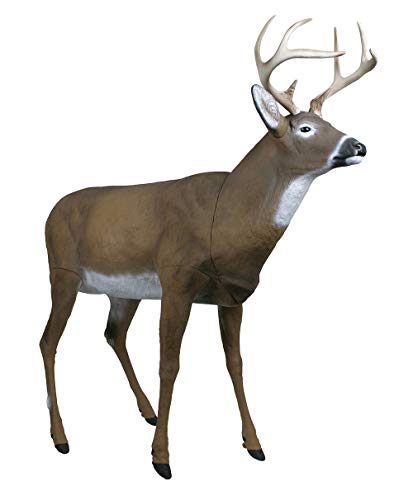
Flambeau Outdoors Boss Buck Deer Decoy Masters Series
Transport-friendly decoy body
Field setups and travel

Practical Pick
Shooter Field Logic 3D Archery Hog Target
Durable animal-style target
Mixed backyard practice

Heavy Duty Pick
SHOOTER Buck 3D Archery Target Replaceable Insert
Replaceable foam section
Frequent shooters

Compact Choice
HMEHunting Made Easy HME-3DTS 3D Target Stand
Simpler ground setup
Target mounting help

Balanced Choice
Riverbottom Challenger 3D Archery Target
Classic deer-form option
General practice use

Feature Rich
NiceTargets Deer Archery Target 28 x 40
Angle variety and realism
Shot-angle practice
More Details On Our Top Picks
The paper format keeps this Thompson Target sheet simple, which is exactly the point for sight-in work before a season starts. Its life-size deer outline and marked vital area help you focus on aim point placement without hauling out a bulky foam form.
For archers tuning broadheads or refining hold on a backyard lane, the 19 by 25 inch size fits a straightforward practice setup. The trade-off is plain enough, since paper will not absorb repeated hits the way a foam target does, so this works best as a precision aid rather than an all-day pounding surface.
Strong Points
- Life-size deer silhouette helps you practice shot placement with a more realistic reference.
- The organ markings make it easier to focus on vitals instead of just center mass.
- Paper construction stays light and easy to store between range sessions.
- Great for paper tuning and short practice blocks before a hunt.
Points To Note
- Paper wears quickly once arrows start stacking up in the same area.
- You will want a solid backstop behind it, since the sheet itself does the visual work.
Feature Snapshot
Who It Suits Best
Archers who want a simple deer-specific sight-in sheet for short practice sessions will get the most from it.
A Better Fit Elsewhere
NiceTargets Deer Archery Target 28 x 40 suits you better when you want a larger, more reusable setup for repeated broadside and quartering practice.
This Flambeau decoy leans hard into realism, with an anatomically shaped body and true-to-life proportions that make it feel closer to a field setup than a basic target. The removable legs matter more than they sound, because transport gets much easier when the body cavity swallows the parts instead of forcing awkward carrying angles.
For a hunter who splits time between practice and set-up planning, that portability can be the difference between using it often and leaving it in the garage. The honest read is that a decoy form is not the same thing as a dense foam target, so it makes more sense for visual realism than for heavy-volume arrow punishment.
What We Like
- HDPE, a hard molded plastic, gives the body a sturdy field-ready feel.
- Realistic posture helps you rehearse how a mature buck presents in the field.
- Removable legs simplify storage and transport, which helps for truck-to-trail outings.
- The body cavity storage approach keeps the separate parts together.
Small Caveats
- It serves a decoy role first, so it is not the same as a dedicated foam target.
- Hard-plastic surfaces can be less forgiving than impact-foam practice forms.
Details At A Glance
Who Will Love This
You suit this pick best when you want a realistic buck form that carries well and supports field-style practice planning.
Where A Sibling Pick Shines
SHOOTER Buck 3D Archery Target Replaceable Insert fits you better when repeated shooting matters more than decoy realism.
Compared with the deer-focused picks above, this hog target gives you a different animal shape for broadening form practice without drifting into a generic block target. The profile stays realistic enough to matter, and the source description points to a higher-grade material build that should suit regular outdoor use in a typical backyard or club lane.
The value here sits in the long-wear angle, especially for archers who want a shape that lasts longer than basic range faces. A small caveat, though, is that the source data is sparse, so you are choosing this more for the promised durability and realistic form than for a long list of extra features.
Highlights
- Animal-shaped design gives practice a more field-like feel.
- Material quality is positioned for longer use than comparable basic targets.
- Black finish keeps the look simple and easy to place outdoors.
Areas To Watch
- Source details leave some fit questions unanswered, so you may need to judge by form alone.
- The listing does not spell out the exact construction style, which makes comparison shopping less direct.
Core Details
Built With In Mind
This suits you best when you want a tougher-looking animal target for mixed practice sessions and a darker visual profile.
Skip It When
Thompson Target Life Size Deer Vital Organ Sight fits better for you when precise deer anatomy matters more than a hog-style practice form.
This SHOOTER buck target leans into repeat use, and the replaceable insert is the feature that changes the ownership math. Rather than replacing the full body after the center gets worn, you can keep the main target in service longer, which matters for archers who shoot several times a week.
The weather-resistant build and included stakes make it feel ready for a field edge or backyard setup, and the vitals area includes scoring rings for more competition-style aim. Compared with the paper Thompson Target, this is the more durable choice by a wide margin, though you still need to keep foam care in mind because broadheads and expandables naturally leave more wear than field points.
Best Bits
- Replaceable insert helps stretch the useful life of the main body.
- High-density foam is meant to handle repeated hits from multiple arrow types.
- Weather-ready construction suits outdoor storage and back-lane practice.
- Scoring rings in the vitals area add a more competition-like aim point.
- Stakes are included, so setup is more straightforward on firm ground.
Worth Noting
- Foam targets still need care, especially with broader heads and repeated shots in one area.
- The slim shape saves foam, but it also leaves less visual mass than some fuller deer forms.
Feature Rundown
Right Fit For
You suit this pick best when you shoot often and want a deer-shaped target that stays useful longer than a basic foam block.
Look Elsewhere When
Flambeau Outdoors Boss Buck Deer Decoy Masters Series fits you better when portability and decoy realism matter more than a dedicated impact surface.
Not every setup problem comes from the target itself, and this HME stand exists to solve the part most archers would rather skip: getting 3D targets planted straight. The supplied stakes are meant to go into the ground at the right spacing, which makes the stand helpful for anyone who has wrestled with leaning deer forms or awkward hand placement during setup.
That makes it especially useful in a backyard lane, club field, or practice area where you want faster setup and less fuss. It does have a narrow job, though, so this is a support piece rather than a target, and it only earns a spot in your cart when your current deer form needs a better base.
Bright Spots
- Helps position 3D targets without the awkwardness of balancing them by hand.
- Ground-stake setup makes it easier to keep the target lined up straight.
- Useful in practice spots where you change target positions often.
Room For Improvement
- It is a stand, so it does not add any target surface of its own.
- Ground conditions matter, since setup depends on solid soil and proper staking.
Quick Facts
The Right Fit
You fit this stand best when your target needs cleaner placement and you want to spend less time wrestling with installation.
Another Choice May Suit
SHOOTER Buck 3D Archery Target Replaceable Insert makes more sense for you when you want the target body and impact surface in one purchase.
Riverbottom’s Challenger sits in that middle ground where you want a recognizable 3D deer-style target without extra gimmicks. The listing data is lean, which can actually be fine for someone who cares more about the practice form than about bells and whistles.
That lean profile also means you should judge it by what it appears to be, a straightforward 3D archery target for general use. For most home ranges, that simplicity is enough, though archers who want replaceable parts or highly specific shot-angle details may want one of the more defined picks above.
Upsides
- Simple 3D target concept keeps the focus on shooting rather than extra features.
- Works well as a general-purpose deer-form practice option.
- Less feature clutter can make setup and ownership feel easier.
Minor Gripes
- Source details are limited, so comparison shopping takes a little more effort.
- You do not get the replaceable-part approach seen on the SHOOTER buck target.
At A Glance
Whose Shelf It Belongs On
You fit this pick best when you want a simple deer-form target and do not need a long feature list to justify it.
Swap It Out When
NiceTargets Deer Archery Target 28 x 40 fits you better when you want more angle variety and a more photo-real look.
This NiceTargets sheet stands apart because it leans into shot-angle variety instead of just showing a single deer pose. Broadside and quartering layouts matter more than many people expect, since real hunting shots often present the animal at a slight angle rather than dead sideways.
The 28 by 40 inch size gives you a large visual field, and the photo-real approach helps the target feel less generic than a plain outline. For archers who want practice that mirrors the decision-making part of a hunt, this is the most scenario-specific pick in the group, though it still remains a target sheet rather than a foam body.
Best Bits
- Multiple shot-angle layouts let you practice beyond a single broadside stance.
- Large 28 x 40 inch format gives you plenty of visual space.
- Photo-real deer artwork helps the setup feel less abstract.
- Vanishing vital-zone markings support more realistic aiming practice at distance.
- Made in the USA, which matters to some shoppers who prefer domestic production.
Honest Caveats
- Paper-style targets do not offer the same repeat-shot durability as foam forms.
- The large format needs more wall or backstop space than a compact sight-in sheet.
Technical Sheet
Best Suited To
You fit this pick best when you want a larger deer target with realistic angle options and a more lifelike look.
Reach For A Different Pick When
Thompson Target Life Size Deer Vital Organ Sight makes more sense when you want a simpler sight-in sheet for focused short-range work.
How To Choose The Right 3d Deer Archery Targets
Match The Target To Your Practice Goal
The first decision is simple: decide whether you want sight-in precision, shot-angle realism, or a durable body that can stay outside. Paper sheets like the Thompson Target option make sense for quick tuning and aiming discipline, while foam deer forms suit repeated shooting in a backyard lane or club field. Decoy-style shapes and angle-specific targets solve different problems, so the right choice starts with your practice habit, not the prettiest profile.
That distinction matters because a target can look realistic and still be the wrong tool for your routine. A hunter who wants to rehearse broadhead placement will value a marked vitals zone, while someone building confidence on angle reads may care more about broadside and quartering views. The closer the target matches your actual use case, the less guesswork you carry into the field.
Think About Material And Wear
Paper is easy to replace and easy to store, but it gives you the shortest lifespan. High-density foam and molded plastic handle more field use, though each comes with its own trade-off, since foam wears at impact points and hard plastic leans more toward realism or transport than arrow absorption. That’s why a replaceable insert, like the one on the SHOOTER buck target, can matter more than it sounds.
Maintenance also changes by material. Paper needs little care beyond replacement, foam benefits from sensible shot spacing, and plastic forms need room for storage and transport. For a busy practice schedule, that upkeep difference often matters more than a small visual upgrade.
Size, Setup, And Storage Matter More Than You Think
Large deer targets feel more realistic, but they also ask for more room in the garage, truck bed, or practice area. A 28 x 40 inch sheet covers more visual space than a compact sight-in sheet, while removable legs or a separate stand can make transport and placement far easier. In a narrow yard, those physical details can decide whether the target gets used often or stays in the corner.
Ground conditions deserve attention too. A stand that depends on stakes works best in firm soil, while a heavier body may suit a fixed field location better. You usually get a smoother setup once the target and support system are designed for the same kind of space.
Choose Features That Support Your Shooting Style
Arrow type matters. Field points, broadheads, and expandables all interact differently with target surfaces, so you want a target that matches the shafts you actually shoot most often. Scoring rings help for competition-style practice, while vanishing vital zones and realistic deer outlines help you think in hunting terms.
There’s a nice middle ground for many setups: enough realism to keep your aim honest, enough durability to avoid constant replacement, and enough portability to move the target without a wrestling match. That balance usually serves better than chasing the most feature-heavy option on the page.
Things Worth Knowing First
Wrong Turns To Avoid
One common mistake is buying a deer shape that looks good but does not fit your arrows or your space. Another is overlooking how the target will stand, since some setups need stakes or a separate base and some do not. You can avoid most frustration by matching the target body, support method, and shooting distance before you commit.
It also helps to skip vague listings when you need detailed practice features. A target with clearer shot-angle markings or a replaceable insert gives you more ownership value than a plain form with little context. The better the listing explains the use case, the easier the choice becomes.
The Case For Spending Up
Higher-tier models usually cost more because they use thicker foam, smarter body design, or replaceable sections that slow down wear. You also tend to pay for more realistic anatomy, better outdoor handling, and easier transport details like removable legs or included stakes. Those extras matter most when you shoot often and want the target to stay useful across more sessions.
The upgrade is worth it when your practice happens regularly and your target needs to handle broadheads, angle changes, or outdoor storage. For occasional sight-in work, a simpler sheet may be enough, but for steady use, paying for durability usually saves hassle later.
Frequently Asked Questions
What size 3D deer target works best for backyard practice?
A medium or large target works well when your lane gives you enough clearance and a proper backstop. Smaller spaces usually pair better with paper sight-in sheets or a compact deer form.
Are paper deer targets useful for broadhead practice?
They’re useful for aiming and point-of-impact work, especially before a hunt. They do not handle repeated hits like foam, so they suit short sessions rather than heavy use.
Why choose a 3D target over a flat target face?
A 3D shape helps you practice on an animal profile instead of a flat circle. That can make shot placement feel closer to a real field setup.
Do replaceable inserts really help?
Yes, they help stretch the service life of a foam target by letting you refresh the center section. That matters most for archers who shoot often and land a lot of repeat hits in the vitals area.
What should you pair with a 3D target stand?
Pair it with a target that matches the stand’s mounting style and your ground conditions. Firm soil makes staking easier, while loose ground may call for a different setup plan.
Closing Thoughts
For 3d Deer Archery Targets, the best choice comes down to how you practice, not how much realism looks good in a product photo. Paper sheets suit quick tuning, foam deer forms suit repeated shooting, and a stand can save you a lot of setup friction. The right pick should fit your space, your arrow type, and how often you actually shoot. Once those pieces line up, practice feels cleaner and a lot less fussy.
