Book Appointment Now

7 Best Aero Bars for Road Bikes for 2026: Comfort and Control
You’re usually looking for two things in aero bars: a lower front end and a position you can hold without feeling folded in half. That matters on time trials, triathlons, and long road rides where hand support, elbow placement, and bar width start to shape how steady you feel after the first hour. The seven picks below cover add-on extensions, riser hardware, and full cockpit-style setups, so you can match the fit to your bike instead of forcing the bike to fit you.
Quick Look At The Shortlist
PickWhy We Picked ItBest ForAction

Balanced Choice
Profile Design Legacy II Aerobars
Adjustable, race-ready fit
Triathlon and TT riders

Value Pick
Profile Designs Aerobar Bracket Riser Kit
Simple height correction
Dialing in bar height

Everyday Favorite
BBB Cycling Aero Bars Aluminium Tri Bars Arm Rest BHB-59 35mm Height
Comfort-minded 35mm rise
Road riders wanting support

Design Standout
PLATT Carbon TT Handlebar Bicycle Aero Bars Tri Bars 31.8mm Gloss Green
Light carbon build
Weight-conscious setups
Practical Pick
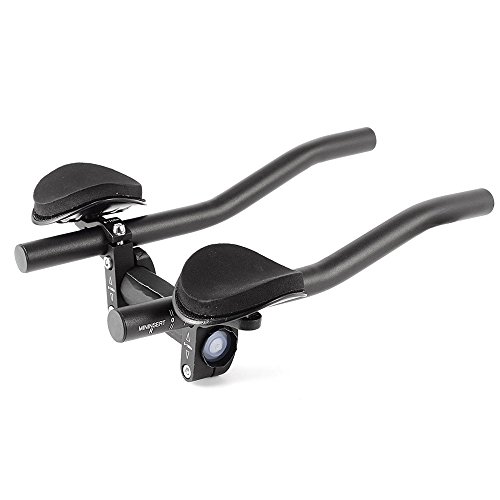
UPANBIKE Bike Handlebar Rest Handlebar TT Bar
Broad adjustability range
Long rides and tinkering

Heavy Duty Pick
DRCKHROS Aero Bars Bicycle Bike Armrest Handlebars TT Rest Bar
Solid aluminum feel
Durable everyday use
Compact Choice
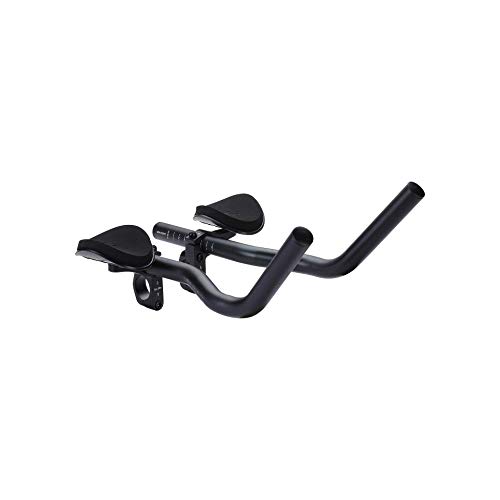
BBB Cycling Aero Bars Aluminium Two-Piece Tri Bars BHB-52 26/31,8 mm
Short, two-piece layout
Tighter cockpit setups
More Details On Our Top Picks
For triathlon days and steady time-trial efforts, these sit in the lane where adjustability matters as much as raw shape. The forged 6061-T6 aluminum gives you a sturdy feel without turning the front end into a brick, and the armrests are shaped for a more settled forearm position on long efforts.
The trade-off is straightforward, this is a more committed aero setup than a casual comfort add-on. You’ll get the most from it on bikes that already suit a low, purposeful position, which makes it a smart step for riders moving past basic clip-on bars.
What We Like
- Forged aluminum construction suits hard riding and regular use.
- Adjustable armrests help you fine-tune forearm support.
- Good match for triathlon and time-trial positioning.
- Helps you hold a lower front end with less strain on your hands.
Points To Note
- More race-focused than relaxed, upright riding.
- Fit depends on your current cockpit setup and reach.
- Not the lightest choice in this roundup, since it uses aluminum instead of carbon.
Feature Rundown
Who It Suits Best
It suits triathletes and time-trial riders who want a more dialed-in front end for sustained efforts.
A Better Fit Elsewhere
Profile Designs Aerobar Bracket Riser Kit is the better match for you if your current bars are close, but the height still needs a cleaner adjustment.
Compared with a full bar setup like the Legacy II, this piece is all about getting the front end to sit where your body wants it. The listed 20mm to 70mm range gives you room to correct an awkward reach or raise the pads without changing the whole cockpit.
That makes it especially useful on bikes that already have Profile Design bars and only need a fit correction. The honest read is that it’s a targeted fix, not a broad upgrade, so it’s best for riders who know their current setup is close.
Upsides
- Helps bring bar height closer to your body’s needs.
- The 20mm to 70mm range gives real fit flexibility.
- Pairs with several Profile Design bar families.
- Can save you from replacing the whole aero setup.
Room For Improvement
- Only useful if your current bars are compatible.
- It solves fit height, not hand comfort by itself.
- Best treated as a fine-tuning part, not a full cockpit answer.
Core Details
Built With In Mind
It suits riders who already know the bars are close and only need a cleaner stack height.
Where A Sibling Pick Shines
Profile Design Legacy II Aerobars makes more sense for you if you want the bars and armrests in one complete package.
This one takes a friendlier route than the more committed Legacy II, thanks to the 35mm lift and foam padding at the contact points. EVA foam is a soft cushioning material, and here it matters because it takes the edge off pressure during longer road efforts.
You may find it especially useful for race days where comfort still needs to come along for the ride. The two-piece aluminum format also makes it a sensible middle ground for riders who want aero position support without moving straight into a harsher setup.
Bright Spots
- 35mm rise helps bring the front end to a friendlier height.
- EVA foam padding adds a softer contact feel.
- Two-piece aluminum layout suits road-bike use.
- Good bridge between comfort and aero posture.
Minor Gripes
- Less performance-focused than a more aggressive race bar.
- Padding helps, but it won’t replace a truly dialed fit.
- Black finish is practical, though not especially flashy.
Details At A Glance
Right Fit For
It fits road cyclists who want more support under their arms without jumping to a very aggressive position.
Another Choice May Suit
BBB Cycling Aero Bars Aluminium Two-Piece Tri Bars BHB-52 is the better call if you need a more compact bar shape for a tighter cockpit.
Carbon changes the feel here in a very different way from the aluminum BBB and Profile Design picks. At about 320g, this one speaks to riders who care about keeping the front of the bike light while still getting a 340mm bar length and a 31.8mm clamp fit.
The sponge pads add a softer touch, and the removable design makes cleaning easier after sweaty indoor blocks or wet outdoor miles. It’s a more style-forward option too, although the gloss finish is a small trade-off since shiny surfaces tend to show wear sooner than plain matte ones.
Standout Traits
- Carbon fiber keeps weight low.
- 340mm length gives a generous arm-rest span.
- 31.8mm fit works with many modern handlebars.
- Removable pads make upkeep simpler.
Small Caveats
- Gloss finish asks for a bit more cosmetic care.
- Carbon is more style- and weight-focused than the aluminum picks here.
- Best for riders who already know they want a carbon cockpit piece.
Feature Card
Whose Shelf It Belongs On
It belongs with road or mountain-bike riders who want a lighter, cleaner-looking aero setup and already know their clamp size.
Swap It Out When
UPANBIKE Bike Handlebar Rest Handlebar TT Bar suits you better if you want a more adjustable aluminum setup for a broader range of positions.
This pick leans into broad adjustability, which helps when your fit is still a work in progress. The aluminum alloy frame, plastic arm pad, and sponge cushion create a familiar mix of structure and comfort, and the 25mm to 33mm clamp range broadens its fit potential.
It feels like the most forgiving option in the group for riders who like to tinker with bar angle, width, and arm-rest placement. The trade-off is that a broad adjustment range can also mean more setup time before the position feels settled.
Best Bits
- Many adjustment points help you tune the cockpit.
- Clamp range supports several handlebar diameters.
- Comfort padding helps on longer road stretches.
- Useful for riders moving between road and mixed-bike use.
Areas To Watch
- More setup time than a simpler fixed-shape bar.
- Plastic arm pads feel less premium than carbon or all-metal touch points.
- Best results depend on careful installation and repeated fine-tuning.
Feature Snapshot
The Right Fit
It suits long-distance cyclists who want room to fine-tune position rather than lock into one shape right away.
Where A Sibling Pick Shines
DRCKHROS Aero Bars Bicycle Bike Armrest Handlebars TT Rest Bar is a better match if you want a simpler aluminum setup with fewer moving parts.
DRCKHROS takes a sturdier, more straightforward approach than the more adjustable UPANBIKE option. Both armrests use aluminum alloy, and the removable sponge mats make cleaning less of a chore after a sweaty commute or a long summer ride.
That cleanability matters more than it first seems, because cockpit pads collect grime quickly. You get a setup that feels practical for riders who want a tough, no-nonsense aero bar and do not need a lot of visual fuss.
Reasons To Buy
- Alloy armrests add a reassuringly solid feel.
- Removable sponge pads are easier to keep tidy.
- Works for road and mountain-bike use.
- Useful for riders who want a simple, durable cockpit part.
Worth Noting
- Less plush than the cushier foam-heavy options.
- Fit details are more limited than some of the more adjustable picks.
- Plain black styling keeps it functional rather than expressive.
Core Details
Who Should Grab It
It suits cyclists who want a practical aero bar for regular road or mountain-bike use and prefer simple upkeep.
Look Elsewhere When
Profile Design Legacy II Aerobars is the better call if you want more of a triathlon-leaning setup with adjustable armrests.
This BBB option reads as the compact sibling to the larger, more comfort-leaning BHB-59 above. The two-piece aluminum build and 26/31.8 mm fit make it a sensible match for riders working with a narrower cockpit or a more specific clamp setup.
The ergo-bend shape is there to push you toward a deeper, more aerodynamic posture, though the foam padding keeps it from feeling purely harsh. In most garage builds, that combination makes it a practical middle path for riders who want function first and extra bulk last.
Positives
- Two-piece layout keeps the shape straightforward.
- Fits both 26 mm and 31.8 mm clamp setups.
- Ergo-bend geometry supports a more tucked position.
- Foam padding adds a bit of comfort for longer efforts.
Softer Spots
- Less roomy than the bigger comfort-oriented bars in this list.
- International listing notes can make setup details worth checking twice.
- Not the most adjustable route for riders who like frequent fit changes.
Spec Overview
Made With In Mind
It suits riders who want a compact aero bar for road-bike use and already have a clear idea of their handlebar diameter.
Reach For A Different Pick When
BBB Cycling Aero Bars Aluminium Tri Bars Arm Rest BHB-59 is the better fit for you if you want more built-in comfort and a slightly taller feel.
How To Choose The Right Aero Bars For Road Bike
Fit Comes Before Shape
The first question is not whether the bars look fast, it’s whether they match your posture. Reach, pad height, and clamp diameter decide whether you can hold the position for an hour or two without fidgeting.
That’s why the Profile Design Legacy II and the BHB-59 serve different needs even though both lean toward road and tri use. One is more race-forward, the other offers a friendlier height and more comfort under the arms.
Material Changes The Ride Feel
Aluminum usually gives you a firmer, more grounded cockpit, which suits riders who want durability and a straightforward setup. Carbon lightens the front end and often brings a cleaner look, though it usually asks for a bit more care.
That trade-off shows up clearly with the PLATT carbon bar beside the aluminum BBB and DRCKHROS picks. You’re choosing between lighter feel, simpler upkeep, and how much visual polish matters to your bike.
Adjustment Range Can Save A Bad Fit
Some aero bars are built for tuning, and that matters more than many shoppers expect. Multi-adjustable pieces like the UPANBIKE model help you change bar angle, width, and pad placement instead of forcing one fixed posture.
Riders who are still sorting out their ideal position usually benefit from that flexibility, while riders with a known fit can go simpler. The bracket riser kit fits the same logic, since it corrects height without replacing the whole cockpit.
Think About Use Case, Not Just Speed
Time-trial riders tend to favor a lower, more committed setup, while long-distance road riders often need a bit more comfort in the elbows and wrists. For commuting, indoor training, or mixed riding, easy cleaning and a less aggressive shape start to matter more than pure wind-cheating posture.
That’s why the right pick depends on your real week, not just race-day ambition. The best bar for you is the one you can hold steadily, install cleanly, and live with through repeated rides.
Things Worth Knowing First
Common Shopping Slip Ups
One common mistake is ignoring clamp size, then finding the bar won’t sit properly on the cockpit. Another is choosing a race shape when your shoulders and back really need a less aggressive angle.
You also want to pay attention to padding and pad removability, since sweaty contact points collect grime fast. A bar that is easy to clean often feels better to own a month later than one that only looks sharp in the listing.
The Case For Spending Up
Higher-tier bars usually cost more because of material quality, adjustment range, and better-shaped contact areas. Carbon, wider fit options, and more refined arm pads all add to the asking price in this category.
That upgrade makes sense for riders who put in long sessions or race regularly, since cockpit comfort and fit stability matter more over time. For casual weekend use, a simpler aluminum setup often covers the need without extra complexity.
Frequently Asked Questions
Are aero bars hard to install?
Most of the aluminum options here are straightforward once your handlebar diameter matches. Adjustable models still take time to position well, so installation is only half the job.
Do carbon aero bars always feel better?
Carbon usually feels lighter and cleaner in the hand, but that does not automatically mean it suits every setup. Aluminum can be the better choice for riders who want a simpler, tougher-feeling cockpit.
Can you use aero bars on a road bike?
Yes, plenty of riders do, especially for long rides and triathlon-style positioning. You still need to match the clamp size and the front-end geometry to your bike.
What matters more, armrest shape or bar length?
Armrest shape affects comfort, while bar length changes how much room you have to settle your forearms. Both matter, but a bad armrest fit tends to bother you sooner.
Are riser kits useful on their own?
They’re useful for correcting height on a setup that’s already close. A riser kit does not replace a full bar, but it can make an existing cockpit feel much better.
Closing Thoughts
You get the best results from aero bars when the shape matches the way you actually ride, not just the way you want the bike to look. The Profile Design Legacy II and the BBB BHB-59 lean toward comfort and control, while the PLATT carbon bar and the BHB-52 speak more to weight and compact fit. If your position still needs work, the riser kit and the UPANBIKE option keep the door open for fine-tuning. Choose the setup that fits your body, your handlebar, and the miles you plan to sit on it.
