Book Appointment Now

7 Best Aero Cycling Helmets for 2026
When you want an aero-leaning helmet, the details matter more than the marketing gloss. You’re usually balancing fit, venting, visibility, weight, and the kind of extras that make a commute calmer or a road ride cleaner.
This roundup focuses on seven helmets with very different personalities, from light-and-simple to signal-heavy and tech-rich. You’ll see which ones suit everyday city miles, longer weekend rides, and riders who want more presence in traffic.
The Shortlist At A Glance
PickWhy We Picked ItBest ForAction
Design Standout
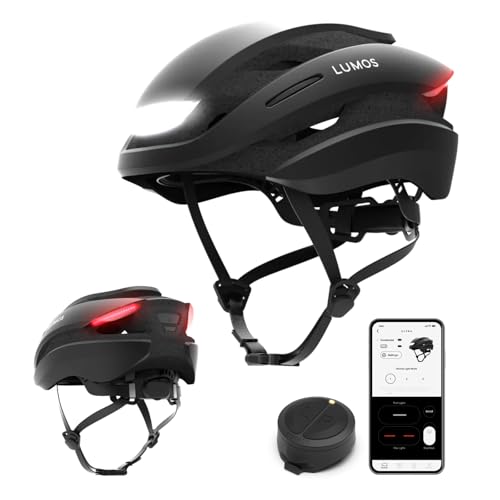
Lumos Ultra Bike Helmet TÜV 360˚ Visibility LED Lights with Turn Signals
Built-in signal lighting
City commuters

Editor's Choice
SMITH Persist Cycling Helmet
Light feel, serious protection
Road riders

Feature Rich
Bike Helmet with Bluetooth, Smart Bike Helmet with Built-in Speakers
Tech-heavy daily visibility
Connected commuters

Practical Pick
LAZER Tonic KinetiCore Bike Helmet
Simple, light construction
Everyday riders

Balanced Choice
POC Omne Air MIPS Bicycle Helmet
Comfort-forward airflow
Commuters and club rides


Premium Pick
Giro Aries Spherical Bike Helmet
Light, high-end build
Performance-focused cyclists
More Details On Our Top Picks
Lumos takes the commuter-first route, and that makes sense for city streets where being noticed matters as much as fit. Built-in front and rear LEDs, plus the wireless remote for turn signals, give you a clearer way to communicate lane changes without fussing with extra gear.
The trade-off is obvious, though, since the helmet’s appeal leans heavily on its lighting system rather than pure road-race simplicity. You’ll likely appreciate it most on short-to-medium commutes, evening errands, and mixed traffic routes where a little extra signaling feels reassuring.
Strong Points
- Front and rear lighting improves presence in traffic.
- Turn signals add a practical communication cue for lane changes.
- The remote-controlled setup keeps controls close at hand.
- Works well for day and night commuting.
Points To Note
- The lighting system adds complexity compared with a plain helmet.
- Battery charging becomes part of routine upkeep.
- Riders focused only on low weight may prefer a simpler shell.
Feature Snapshot
Who It Suits Best
City commuters who ride in traffic after work will get the most from the lighting and signal features.
A Better Fit Elsewhere
Giro Register MIPS II Helmet suits riders who want a simpler helmet without the extra charging routine.
Smith keeps this one squarely in road-bike territory, and the combination of MIPS and Koroyd gives it a more technical feel than the Lumos. MIPS, or Multi-directional Impact Protection System, is a low-friction liner that can help redirect rotational forces, while Koroyd uses energy-absorbing tubes to support ventilation and impact management.
That mix makes sense for longer paved rides, fast lunch loops, and weekend efforts where comfort over distance matters. The honest read is that it suits riders who want a lighter-feeling helmet with a more premium protection package, not a feature-packed commuter gadget.
Upsides
- MIPS adds a well-known rotational protection layer.
- Zonal Koroyd coverage supports airflow and impact management.
- Road-focused shape fits fast rides cleanly.
- Lightweight feel helps on longer outings.
Areas To Watch
- It gives up commuter lighting and signal features.
- Road-first styling may feel too focused for casual errands.
- Some shoppers may prefer a more versatile shell for mixed riding.
Core Details
Whose Shelf It Belongs On
Road cyclists who care about feel, ventilation, and a cleaner look should put this near the top of the list.
Reach For A Different Pick When
Lumos Ultra Bike Helmet suits you better if your riding happens in traffic and you want lighting built in.
This one pushes hardest into smart-helmet territory, with Bluetooth speakers, auto brake blinkers, and front plus rear signal lights. For commuters who like audible guidance or hands-free signaling, that can feel very useful, though it also means more setup and more charging than a basic road helmet.
The 1000mAh battery and claimed 3-hour recharge time stand out on paper, especially for riders who forget to plug things in every night. You may find the added electronics most helpful on weekday commuting routes, not on quiet fitness rides where you’d rather keep things simple.
Highlights
- Bluetooth and built-in speakers add hands-free audio.
- Brake flash alert and turn signals support traffic visibility.
- Long standby claim suits occasional riders who forget charging.
- Loaded feature set makes it useful for tech-minded commuters.
Small Caveats
- Extra electronics mean more upkeep than a plain shell.
- Audio features may not matter to every cyclist.
- Best fit is narrow if you want a stripped-back road helmet.
Details At A Glance
Perfect Match For
Daily commuters who want audio, light signals, and a single all-in-one setup will get the most from it.
Swap It Out When
SMITH Persist Cycling Helmet is the cleaner fit for riders who want road performance without electronics.
Lazer keeps this one refreshingly straightforward, with KinetiCore built into the shell design. That system uses crumple-zone structures inside the helmet to help manage impact energy, so you get a more technical safety story without adding visible bulk.
It’s a sensible pick for everyday riders who want something light, clean, and less gadget-heavy than the Lumos or ASIEVIE options. The catch is that you’re paying for core construction rather than extras, which is exactly what some commuters and casual road riders prefer.
Reasons To Buy
- KinetiCore brings a more advanced internal structure.
- Lightweight feel suits longer neighborhood or fitness rides.
- Simpler design keeps upkeep low.
- Clean styling works for mixed casual use.
Room For Improvement
- It does not bring lighting or smart extras.
- Riders seeking premium road feel may still look higher up the list.
- Minimalist design means fewer convenience features overall.
Quick Facts
Built With In Mind
Everyday cyclists who want a light, no-fuss helmet with a more technical shell approach will feel at home here.
Where A Sibling Pick Shines
Giro Aries Spherical Bike Helmet makes more sense for riders who want a higher-tier performance feel.
POC aims this one at riders who split time between commuting, club miles, and general weekend use. The helmet pairs MIPS with adjustable fit and ventilation, so the appeal is less about a flashy feature list and more about steady comfort that should suit a wide range of rides.
Because it leans into all-round usability, it sits between the commuter-heavy Lumos and the road-focused Smith. You may find that middle ground useful if you want one helmet for several kinds of rides and don’t want a design that feels locked into a single role.
Best Bits
- MIPS adds a familiar protection layer.
- Adjustable fit helps dial in comfort.
- Ventilation focus makes longer rides more comfortable.
- Versatile styling works for leisure and commuting.
Honest Caveats
- It skips the built-in light and signal features found on Lumos.
- Riders chasing the lightest possible setup may still look elsewhere.
- Some shoppers may want more detail on shell materials before choosing.
Spec Overview
Who Should Grab It
Commuters and leisure cyclists who want one helmet for a lot of different rides will appreciate the broad fit.
Another Choice May Suit
Lumos Ultra Bike Helmet is the stronger match for traffic-heavy routes where lighting is a priority.
Giro’s Register II feels aimed at riders who want a straightforward helmet with some higher-end touches borrowed from the brand’s road line. The removable visor is useful for casual sun and spray protection, while the adjustable fit system helps the helmet settle in without a lot of fiddling.
That makes it a good match for park rides, errands, and relaxed suburban miles where you want easy comfort more than feature overload. The honest trade-off is that it stays closer to a recreation helmet than a pure performance shell, which is fine for plenty of riders.
Positives
- Removable visor adds useful flexibility.
- Adjustable fit system helps with day-to-day comfort.
- Lightweight in-mold build keeps the feel easy.
- MIPS Evolve Core adds a rotational energy management layer.
Trade Offs
- It leans more recreational than race-focused.
- Riders wanting built-in lighting will need a different pick.
- Casual styling may feel too plain for premium road tastes.
Technical Sheet
Made For
Casual cyclists who want a comfortable, familiar helmet for everyday rides will get the most from it.
Look Elsewhere When
SMITH Persist Cycling Helmet suits you better if your rides lean more toward fast road miles.
Aries Spherical sits at the high end of this list, and you can feel that just from the focus on weight and airflow. Giro lists it at 270 grams in size medium with CE certification, then layers in Spherical Technology, a ball-and-socket design powered by Mips, plus Progressive Layering with dual-density Nanobead EPS foam.
For longer road rides or fast weekend sessions, that combination makes a strong case for comfort and cooling. It’s the sort of helmet that disappears more easily on your head, almost like it’s working in the background instead of announcing itself.
Plus Points
- Very light quoted weight in medium size.
- Spherical Technology adds a more advanced protection concept.
- Progressive layering supports broader energy management.
- 24 wind tunnel vents help with airflow.
Areas To Watch
- The premium focus puts it beyond casual-use territory for many shoppers.
- It lacks the commuter lighting found on Lumos.
- Road riders who want a simpler shell may not need this much sophistication.
Feature Rundown
The Right Fit
Performance-minded cyclists who want a lighter, more advanced road helmet will get the strongest match here.
Where Shoppers Go Wrong
LAZER Tonic KinetiCore Bike Helmet makes more sense for riders who want a simpler everyday helmet with less spend.
How To Choose The Right Aero Cycling Helmets
Fit And Head Shape Come First
Helmet shape matters as much as size, because a snug shell that sits wrong can still feel off after ten minutes. Adjustable fit systems help, but the real goal is stable contact without pressure points at the forehead or behind the ears.
Riders who log daily miles benefit from a helmet that disappears once the straps are set. That’s why the POC Omne Air MIPS and Giro Register MIPS II make sense for many commuters, they aim for comfort without demanding constant readjustment.
Ventilation, Weight, And Ride Length
Longer rides place more strain on the neck and scalp, so venting and weight start to matter more than flashy extras. A helmet like the Giro Aries Spherical, with its light quoted weight and 24 vents, leans toward riders who care about airflow over distance.
For shorter city routes, a slightly heavier helmet can still work well, especially when it adds lighting or other useful functions. The trade-off is plain, more tech usually means more charging and more parts to manage.
Visibility Tools Versus Pure Simplicity
Commuters often want more than protection alone, they want to be seen clearly in traffic. Built-in LEDs and turn signals, like the Lumos system, help solve that problem without cluttering your backpack with extra accessories.
Still, a cleaner helmet has its own appeal. Riders who prefer fewer routines may be happier with the SMITH Persist or LAZER Tonic KinetiCore, since both keep the focus on fit, airflow, and shell design.
Protection Systems And Real-World Use
MIPS shows up often in this category because it addresses rotational motion, which is different from a straight-on impact. Koroyd, KinetiCore, and Spherical Technology each take a different path to the same basic goal, spreading energy in a more thoughtful way.
You do not need the most advanced label for every ride, though. Weekend road cyclists may justify the Aries Spherical, while everyday commuters often get better value from a lighter, simpler helmet that still fits well.
What To Weigh Before You Choose
Mistakes Worth Dodging
Many shoppers fixate on style and forget the shape on the inside. A helmet that looks sleek can still feel awkward on a longer commute, especially around the temples or occipital area at the back of the head.
Another common miss is buying into extra functions you won’t use. Audio, lights, and signal controls are useful for some routes, but they add upkeep that plain road helmets never ask for.
The Upgrade Payoff
Higher-tier helmets usually spend more on shell engineering, lighter materials, and more advanced energy-management systems. That’s where a model like the Giro Aries Spherical earns its place, since the structure and airflow are aimed at serious road use.
Paying up makes more sense when you ride often, cover longer distances, or want a helmet that fades into the background. For lighter use, the LAZER Tonic KinetiCore or Giro Register MIPS II can keep things sensible without the premium lean.
Frequently Asked Questions
Do Aero Cycling Helmets Need To Be Very Light?
Light weight helps on long rides because it reduces neck fatigue and helmet awareness. For short commutes, fit and ventilation usually matter just as much.
Is MIPS Worth Having?
MIPS adds an extra layer of rotational energy management, which many cyclists like for added peace of mind. It’s common on several helmets here because it fits both road and everyday riding.
Are Built-In Lights Better Than Clip-On Lights?
Built-in lights are cleaner and harder to forget at home. Clip-on lights still work well if you want to swap them between helmets or bikes.
Which Helmet Works Best For Mixed Riding?
The POC Omne Air MIPS Bicycle Helmet fits mixed use nicely because it balances ventilation, adjustment, and everyday wearability. It feels less specialized than a pure race lid or a tech-heavy commuter helmet.
What Matters More, Ventilation Or Protection Tech?
Both matter, but your riding style sets the priority. Longer road rides tend to reward airflow, while traffic-heavy commuting makes visibility and stable fit more important.
Closing Thoughts
Your best choice depends on how you actually ride, not just how the helmet looks on a product page. Lumos suits traffic-heavy commutes, SMITH and Giro Aries lean toward road comfort, and LAZER or POC cover the middle ground nicely. The smart move is to match features to your routine, then let the rest stay simple. That keeps the helmet useful every time you roll out.
