Book Appointment Now

7 Best Aero Water Bottles for 2026
Aero setups are about more than looking tidy on a bike. You want hydration that sits well between the arms, stays easy to refill, and doesn’t turn a long ride into a fiddly mess. This roundup focuses on bottles and mounts that make sense for triathlon training, road miles, and everyday riding, with a few non-bike options for shoppers who want a different take on hydration.
The Shortlist At A Glance
PickWhy We Picked ItBest ForAction
Balanced Choice
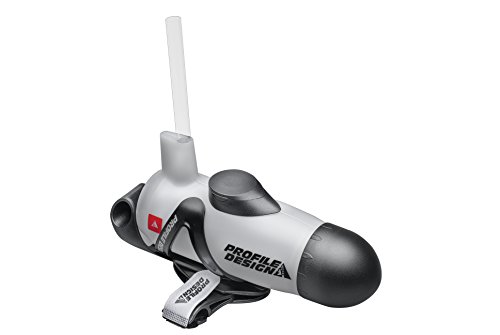
Profile Design Aero HC System Clear
Front-mount balance
Triathlon riders

Practical Pick
Profile Design Aero HC Accessories 3590332
Adjustable front setup
Fine-tuned cockpit fit

Feature Rich
Profile Designs FC35 Hydration System 35oz
Large-capacity front system
Long training rides
Performance Leader
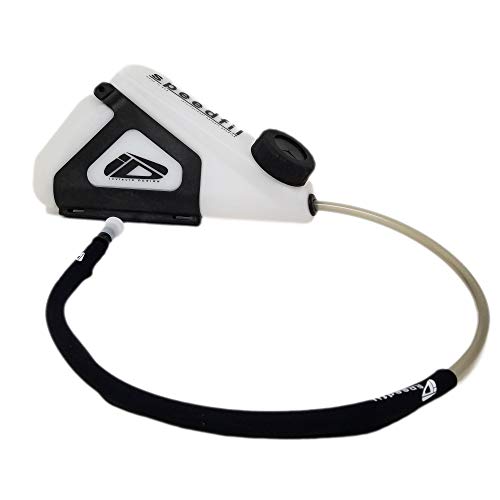
Speedfil F1 Bicycle Water Bottle
Hands-free frame mount
Low-drag road setups
Heavy Duty Pick
Saddle Water Bottle Holder Triathlon Gear
Rear dual-bottle carry
Ironman-style distance

Design Standout
air up Water Bottle 27oz Starter Set Rose Cobalt
Scent-based sipping system
Flavor-curious commuters

Everyday Favorite
air up Water Bottle 27oz Starter Set Glacier Blue
Light, slim sipping format
Daily hydration routines
More Details On Our Top Picks
The Aero HC System sits in the sweet spot for riders who want hydration close at hand without cluttering the cockpit. Its front-mounted layout keeps the bottle between the arms, which helps the bike feel tidier on long road stretches and race-day efforts.
The clear bottle and 28-ounce capacity suit steady sipping, and the adjustable cage and computer mount give you room to arrange a front end that fits your setup. The trade-off is simple, front systems like this ask for a little setup patience, so it suits riders who don’t mind dialing in fit once and then leaving it alone.
Strong Points
- Front placement keeps hydration within easy reach.
- Separate cage and computer adjustments help the cockpit feel organized.
- 28-ounce volume works well for medium to long outings.
- Refill cap supports quick top-offs during breaks.
- BPA-free, food-safe HDPE gives you a familiar, easy-care bottle material.
Things To Consider
- The front-mount setup needs careful alignment for the cleanest fit.
- Cleaning around the straw and shrouded mount takes a little extra attention.
- Riders who prefer a simple bottle-and-cage setup may find this more involved than necessary.
Key Specs
Who It Suits Best
Triathlon riders and road cyclists who want a front hydration system with a tidy, race-friendly layout will get the most from it.
A Better Fit Elsewhere
Profile Designs FC35 Hydration System 35oz suits riders who want a larger front reservoir and don’t mind a bulkier profile.
This one makes sense for riders who already know they want a front hydration setup but care a lot about cockpit fit. The bracket adjusts in width and length, so you can shape the layout around your aerobar extensions instead of forcing a single position.
The 24-ounce bottle is a bit smaller than the Aero HC System above, which can be a plus for lighter front-end feel or a tighter cockpit. The removable nose also helps with cleaning, and that’s a welcome detail for anyone who hates wrestling with awkward bottle shapes after a long ride.
What We Like
- Width and length adjustment make fit more flexible.
- Smaller 24-ounce bottle keeps the front end less crowded.
- Removable nose simplifies cleaning and drying.
- Shrouded straw mount keeps the sipping setup compact.
Small Caveats
- The lower capacity may suit shorter sessions better than very long rides.
- Cleaning is easier than many front systems, though it still asks for a bit of care.
- Riders with unusual aerobar shapes should confirm fit before committing.
Feature Snapshot
Made For
Time-trial and triathlon shoppers who want a front-mounted bottle with more fit flexibility than a fixed cage usually offers will appreciate this one.
Where A Sibling Pick Shines
Profile Design Aero HC System Clear suits riders who want a little more capacity and an integrated computer mount in the same front-end package.
The FC35 is the volume-first option in this group, and that matters for riders who stay out longer or don’t want to think about refills often. It keeps the hydration mass between the arms, which is a cleaner approach than rear mounting for many front-of-bike setups.
The patent-pending refill port is the standout practical detail, because easier refilling saves time on the road and reduces the usual splashy annoyance. Compared with the smaller Aero HC Accessories setup, this one leans harder into capacity, so it suits riders who value endurance comfort over a lighter front end.
Bright Spots
- 35-ounce capacity gives you a longer stretch between fill-ups.
- Front placement supports a tidy aero cockpit.
- Refill port is designed for easier top-offs with less mess.
- Works with Profile Design mounting hardware for broader setup compatibility.
- The larger bottle can be reassuring on long solo rides.
Areas To Watch
- The larger form can feel more noticeable up front than smaller systems.
- Compatibility depends on the right Profile Design bracket or base-bar setup.
- Cleaning a larger front system usually takes a little more sink space and drying time.
At A Glance
Built With In Mind
Long-course triathletes and endurance riders who want a larger front reservoir with brand-system compatibility are the best match here.
Another Choice May Suit
Speedfil F1 Bicycle Water Bottle works better for riders who want a frame-mounted bottle and a lower, more traditional center of gravity.
Frame-mounted hydration has a different feel from the front systems above, and that’s exactly why the Speedfil F1 stands out. By keeping the bottle low on the frame, it supports handling that feels settled and leaves the front end free for a cleaner aerodynamic shape.
The refill port makes on-the-move top-offs easier, and the dual splash-resistant design helps keep sloshing down when the ride gets bumpy. It’s a smart fit for riders who like a more traditional bottle placement but still want a purpose-built setup for long road sessions.
Upsides
- Frame mounting keeps weight low and centered.
- Wind-tunnel development points to an aero-minded shape.
- Refill port supports quick top-offs during stops.
- Bite valve keeps fluid ready without awkward reaching.
- Works well for riders who prefer a hands-free drinking rhythm.
Room For Improvement
- Frame-mounted systems can compete with bottle-cage space on smaller frames.
- The setup is more specialized than a basic bottle and cage.
- Cleaning inside any narrow hydration system tends to take more care than a standard bottle.
Technical Sheet
The Right Fit
Road riders and triathletes who like a low-mounted, purpose-built hydration layout will get the most from this bottle.
Skip It When
Profile Design Aero HC System Clear is the better call for riders who want the bottle closer to the arms and a more front-centered cockpit layout.
Rear mounting changes the equation in a useful way, especially on long rides where frame space runs tight. This Valdora holder uses 6065 aluminum, so it aims for stiffness and durability without turning the back end into a bulky setup.
The dual-cage layout makes sense for Ironman-style pacing, remote routes, or any ride where you want extra water without cluttering the main triangle. The honest read is that it suits specific bike frames better than others, so the fit check matters more here than it does with the front systems above.
Reasons To Buy
- Rear placement frees up space on the frame.
- Dual bottle capacity helps on long distance days.
- Aluminum construction gives the holder a sturdier feel.
- Under-seat positioning can keep the front end cleaner.
- Works well for riders who carry extra fluid on endurance rides.
Worth Noting
- It does not suit I-beam saddles, oval carbon rails, beach cruisers, or many department-store bikes.
- Rear bottles can attract more road spray than front-mounted systems.
- Installation takes a little care to keep both cages aligned.
Core Details
Who Should Grab It
Endurance cyclists and triathletes with compatible saddle rails will get the most value from this rear-mounted carrier.
Look Elsewhere When
Speedfil F1 Bicycle Water Bottle suits riders who want hydration on the frame instead of behind the saddle.
This air up bottle takes a very different route from the bike-focused picks above, because its appeal is sensory rather than aerodynamic. The scent-pod system uses aroma to shape flavor perception, so plain water feels less monotonous during school runs, desk days, or commutes.
The 27-ounce size gives you a useful daily bottle format, and the Rose Cobalt colorway adds a bit of personality without making the design loud. One thing worth considering is that this style suits habit-building more than race hydration, so it works best for people who want water to feel more engaging.
Best Bits
- Scent-based drinking may make plain water feel more inviting.
- 27-ounce size works well for desk, school, or commuting use.
- Starter set includes five scent pods for an immediate setup.
- The bottle has a slim, modern shape that feels easy to carry.
Softer Spots
- The experience is very different from a standard bottle, so it won’t suit everyone.
- Scent pods add a consumable element to the routine.
- It makes less sense for aero cycling than the Profile Design or Speedfil options.
Details At A Glance
Who Will Love This
Commuters, students, and anyone who wants a more playful water routine will get the most out of this set.
Where Shoppers Go Wrong
Profile Design Aero HC System Clear is the better fit for riders who need an actual aero hydration setup rather than a scent-driven bottle.
Glacier Blue keeps the same scent-pod concept as the Rose Cobalt version, so your choice here is mostly about color preference and daily routine fit. That makes this one easy to recommend for ordinary hydration habits, especially at work or on the go, where a slim bottle feels more natural than a sport-specific shape.
Compared with the bike bottles in this roundup, it trades aero positioning for convenience and a more casual feel. The 27-ounce size is still practical, and the included five pods help the bottle feel ready from day one without making the setup complicated.
Positives
- Slim bottle shape fits easily into everyday carry.
- Scent system offers a different way to make water feel more appealing.
- Five included pods make the starter set straightforward.
- Glacier Blue gives the bottle a clean, calm look.
Points To Note
- The scent-driven format is a specific preference, not a universal fit.
- It is less useful for aero cycling than the Profile Design and Speedfil picks.
- The pod system adds a bit of ongoing maintenance compared with a plain bottle.
Feature Rundown
Who Should Grab It
Daily commuters, office hydration shoppers, and anyone drawn to a lighter sensory routine will find this one easy to live with.
A Better Fit Elsewhere
air up Water Bottle 27oz Starter Set Rose Cobalt suits you better if you want the same concept with a warmer color palette.
How To Choose The Right Aero Water Bottles
Mounting Style Comes First
Aero bottles only work well when the mount matches your bike and your riding position. Front systems keep hydration between the arms, which suits triathlon bikes and riders who want a tidy cockpit, while frame or saddle mounts spread the load elsewhere.
Fit matters more than style here. A bottle that clashes with your aerobar width, saddle rail shape, or frame clearance turns into a nuisance fast, even if the design looks smart on paper.
Capacity Should Match Your Ride Length
Short training spins can live with a smaller bottle, but longer rides ask for more volume or a second carry point. A 24-ounce setup feels lighter and less crowded, while a 35-ounce system or dual rear mount helps on endurance days.
You also want to think about refill rhythm. Frequent stops suit compact bottles, but remote routes often reward a larger reservoir or a rear carrier with extra capacity.
Cleaning And Refill Access Matter More Than Many Shoppers Expect
Refill ports, removable noses, and open bottle shapes save time after sweaty rides. Narrow channels, bite valves, and shrouded straws usually mean a little more care during washing, drying, and reassembly.
That trade-off is normal in this category. More specialized hydration systems often deliver better ride-day convenience, but they ask for more attention at the sink.
Choose For Your Bike, Not Just The Bottle
Aero water bottles work best when they match the bike, the event, and the way you sip. A triathlete may want a front-mounted system, a road rider might prefer a frame bottle, and a distance rider with compatible rails could lean toward a rear dual holder.
Think in terms of cockpit space, reach, and how often you want to refill. That simple check keeps you from buying a clever setup that never feels natural once it’s on the bike.
What To Weigh Before You Commit
Mistakes Worth Dodging
The most common miss is buying for looks and ignoring fit. Mount location, rail shape, and bar width can make a very good bottle awkward on your actual bike.
Another easy mistake is treating all aero bottles like the same thing. Front-mounted systems, frame-mounted designs, saddle carriers, and scent-based bottles solve different problems, so the right choice starts with the ride you actually do.
The Upgrade Payoff
Higher-tier aero systems usually cost more because they add adjustment range, integrated mounting, or a more specialized refill path. That extra hardware can make life easier on race bikes and on long training days.
The upgrade makes sense when you ride often, care about cockpit cleanliness, or want fewer compromises in a long-session setup. For casual use, a simpler bottle or a more standard holder can be the calmer choice.
Frequently Asked Questions
What makes an aero water bottle different from a normal bottle?
An aero bottle is shaped or mounted to sit neatly on a bike, often between the arms, on the frame, or behind the saddle. That layout helps keep hydration accessible without making the bike feel cluttered.
Are front-mounted systems harder to maintain?
They usually take more care than a plain bottle because of refill ports, straws, or extra mounting parts. The added convenience on the bike is the trade-off.
Do saddle-mounted holders work on every bike?
No, they depend heavily on saddle rail shape and frame clearance. Bikes with unusual rail designs or limited rear space may need a different setup.
How much capacity do you need for long rides?
Long rides usually benefit from a larger bottle or a dual-cage solution. Smaller volumes work fine for shorter sessions, but they can mean more stops on endurance days.
Are scent-based bottles a good fit for cycling?
They make more sense for daily hydration, commuting, school, or desk use than for aero racing. For bike-specific riding, a mounted hydration system is usually the better match.
Closing Thoughts
You have a clear split in this roundup: bike-focused aero systems on one side, and more everyday hydration options on the other. That mix helps you choose by use case instead of chasing a single style for everything. For race bikes and long training rides, Profile Design and Speedfil cover the strongest functional ground. For daily sipping, the air up bottles offer a very different experience that may suit your routine better.
