Book Appointment Now

7 Best Affordable Bike Computers for 2026
You want ride data without paying for extras you’ll never use. The seven picks below cover simple speed-and-distance tracking, GPS mapping, app sync, and a few higher-end touches for longer commutes or weekend miles.
Some are tiny and straightforward, others bring touchscreens, navigation, and richer training data. The right choice depends on how much detail you want on the bars and how often you leave familiar roads.
The Shortlist At A Glance
PickWhy We Picked ItBest ForAction
Practical Pick
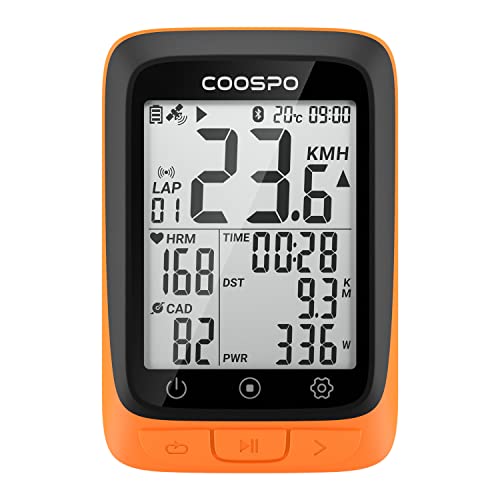
CooSpo BC107 Wireless GPS Bike Computer
Compact GPS tracking
Daily riders

Value Pick
CooSpo BC26 Wireless GPS Cycling Computer
Simple ride stats
New road cyclists

Balanced Choice
iGPSPORT BSC100S GPS Bike Computer
Long battery life
Longer rides

Everyday Favorite
CooSpo BC200 Wireless GPS Bike Computer
Rich data layout
Data-focused riders

Reliable Runner Up
Planet Bike Protegé 9.0 Wireless Bike Computer
Straightforward function set
Basic fitness tracking

Premium Pick
Garmin Edge 1050 Premium Cycling Computer
Advanced ride features
Serious cyclists

Feature Rich
GEOID CC700 Pro Color Touchscreen GPS Bike Computer
Navigation-first layout
Route explorers
More Details On Our Top Picks
The BC107 keeps the footprint small, which helps on busy bars where lights, bells, and phone mounts already compete for space. Its 2.4-inch display is compact rather than oversized, so it suits commuters and casual weekend riders who want GPS tracking without a bulky screen.
Bluetooth and ANT+ support give you room to pair common sensors, and the auto backlight is useful on early starts or shaded paths. The trade-off is simple: the smaller screen feels less expansive than the larger displays on the iGPSPORT BSC100S or GEOID CC700 Pro, but that’s part of the charm here.
Strong Points
- Compact body leaves more room on crowded handlebars.
- GPS-based tracking suits everyday route logging.
- Bluetooth and ANT+ broaden sensor pairing options.
- Auto backlight helps on dim roads and tunnels.
- Waterproof build makes regular outdoor use less fussy.
Things To Consider
- 2.4-inch screen looks modest beside larger rivals.
- Mount placement matters, especially on shorter stems.
- It suits straightforward use more than deep training analysis.
Feature Snapshot
Who It Suits Best
Commuters and recreational cyclists who want a tidy GPS computer with basic sensor support will get the most from it.
A Better Fit Elsewhere
CooSpo BC200 suits data-heavy cyclists better, since its larger feature set feels more useful for riders who like dense ride screens.
The BC26 reads like the easy starter option in this group, especially for road cyclists who want ride numbers without a long setup ritual. Its 2.3-inch FSTN display, a segment-based screen built for sunlight readability, keeps the focus on speed, distance, and time rather than bells and whistles.
Dual GPS positioning is the key idea here, since it gives the unit a better shot at stable route tracking in open riding conditions. Compared with the BC107, this one leans more toward plain ride feedback, and that restraint works well for newer cyclists who want less on-screen clutter.
What We Like
- Clear ride metrics make it easy to follow progress.
- Dual GPS support adds confidence for outdoor tracking.
- Sunlight-readable screen helps in bright daytime riding.
- Automatic backlight reduces fiddling as conditions change.
Worth Noting
- The smaller screen leaves less room for rich data pages.
- It feels more basic than the iGPSPORT BSC100S.
- First setup takes a little patience before the ride settles in.
Core Details
Who Will Love This
New road cyclists and riders who prefer a simple dashboard will find the BC26 easy to live with.
Where A Sibling Pick Shines
iGPSPORT BSC100S suits riders who want a larger screen and more room for longer rides, especially when battery span matters.
The BSC100S is the calm middle ground in this list, with a 2.6-inch LCD that gives you a little more breathing room than the CooSpo BC26 without stepping into premium territory. That larger screen helps on longer rides where glancing down quickly matters more than scrolling through extras.
Its 40-hour rechargeable battery rating is the detail many weekend riders will notice first, because fewer charging stops make the routine easier. The trade-off is that it’s still a straightforward computer, so riders wanting route guidance or speaker-led alerts should keep looking at the GEOID CC700 Pro or Garmin Edge 1050.
Highlights
- 2.6-inch screen gives data a bit more room.
- 40-hour battery rating suits longer ride gaps between charges.
- Bluetooth and ANT+ widen pairing flexibility.
- Waterproof design supports regular outdoor use.
Small Caveats
- It stays focused on core ride data rather than maps.
- The screen is still modest beside full navigation units.
- Some riders will want more advanced app features.
Feature Rundown
Perfect Match For
Longer weekend riders who want a simple, rechargeable GPS computer with a more relaxed screen layout will fit this model well.
Skip It When
GEOID CC700 Pro makes more sense for route planners who want touchscreen navigation and map detail on the bars.
The BC200 is the pick for riders who like having more data on screen, not just the basics. It supports 70-plus cycling data points and custom display pages, so you can shape the layout around climbing, pacing, or simple ride logging depending on the day.
That flexibility sets it apart from the cleaner, simpler BC107 and BC26, though it also asks a little more from you in setup and menu familiarity. Indoor riding support is a useful bonus for winter trainers or riders who split time between road and home sessions.
Bright Spots
- Large data set suits detail-oriented cyclists.
- Custom pages help you organize the screen your way.
- Indoor riding support adds year-round usefulness.
- Automatic backlight helps in changing light.
- Compatible app support gives the unit more flexibility.
Areas To Watch
- More features mean a busier setup process.
- It can feel dense for very casual riders.
- First GPS lock may take a few minutes on initial use.
Technical Sheet
Best Suited To
Data-minded riders who like customizing what appears on the screen will get the most from the BC200.
Look Elsewhere When
Planet Bike Protegé 9.0 makes more sense for cyclists who want a simpler, old-school layout with less menu work.
The Protegé 9.0 stays refreshingly plain, and that’s exactly why plenty of casual cyclists still like this style of computer. It tracks nine functions, including speed, trip distance, ride time, average speed, maximum speed, clock, temperature, and two wheel sizes, so you get the essentials without a heavy learning curve.
The 4-line LCD can show up to five pieces of data at once, which is handy on local loops or fitness rides where quick checks matter more than detailed graphs. Compared with the CooSpo BC200, this one is much simpler, but for riders who want fewer decisions and less setup fuss, that simplicity lands well.
Reasons To Buy
- Basic ride tracking feels straightforward from day one.
- Temperature and clock functions add everyday usefulness.
- Two wheel size settings help with fitment flexibility.
- Wireless design avoids cable clutter on the bars.
Room For Improvement
- The interface is more old-school than modern touch units.
- It lacks the richer GPS layers found on newer rivals.
- Casual riders may outgrow it after longer training routines.
Details At A Glance
Who Should Grab It
Riders who want a no-nonsense wireless computer for casual mileage and simple fitness tracking will feel at home here.
Another Choice May Suit
CooSpo BC26 is better for beginners who want GPS-based ride tracking and a slightly more modern feature set.
The Edge 1050 sits in a different class from the smaller CooSpo and iGPSPORT units, mostly because the screen, speaker, and ride features are built for cyclists who spend serious time in the saddle. Its vivid color touchscreen makes maps and metrics easier to read at a glance, which matters on group rides, unfamiliar roads, or long training days.
Up to 20 hours of battery life in demanding use and up to 60 hours in battery saver mode give it strong range for endurance-focused riders. Road hazard alerts, group-ride messaging, and Garmin Coach support push it well beyond a basic computer, though the trade-off is obvious: this is far more device than a casual rider needs.
Upsides
- Large color touchscreen improves map readability.
- Built-in speaker adds audible prompts and alerts.
- Long battery range supports big ride days.
- Group-ride tools help during social and training sessions.
- Advanced cycling metrics suit structured training plans.
Points To Note
- Feature depth can feel excessive for basic mileage tracking.
- The larger screen takes up more space on the bars.
- It makes the most sense for committed cyclists, not casual riders.
Spec Overview
Built With In Mind
Serious cyclists, endurance riders, and route-focused commuters who want a richer display and deeper tools will benefit most here.
Swap It Out When
GEOID CC700 Pro makes more sense for riders who want touchscreen navigation but do not need the full premium training stack.
The CC700 Pro is built for riders who treat navigation as part of the ride, not a side note. Its 2.8-inch color touchscreen, plus three physical buttons, gives you a mix of quick taps and sure-handed control that feels useful on routes with frequent turns or map checks.
The offline map support with 4GB storage, reroute planning, and dual-perspective map views make it stand apart from the simpler CooSpo and Planet Bike models. WiFi auto-sync, message notifications, ANT+/Bluetooth support, and IPX7 water resistance round out the package, though the broader feature set makes it a better fit for route-heavy cyclists than minimalist commuters.
Standout Traits
- Touchscreen and buttons give you two ways to control it.
- Offline map storage helps on unfamiliar roads.
- Reroute planning supports less predictable routes.
- WiFi auto-sync keeps data transfer less manual.
- IPX7 water resistance suits wet riding conditions.
Honest Caveats
- The menu depth may feel busy at first.
- Route-centric features make it more than a basic computer.
- It suits navigation-minded cycling better than barebones tracking.
Core Details
Whose Shelf It Belongs On
Route explorers and touring-minded cyclists who want navigation tools in a mid-range package will get the most from the CC700 Pro.
Where Shoppers Go Wrong
CooSpo BC107 is the better fit for riders who only want compact GPS tracking and a lighter cockpit setup.
How To Choose The Right Affordable Bike Computers
Start With The Ride You Actually Do
Daily commuters usually need clear speed, distance, and time at a glance, not a crowded dashboard. Weekend riders often want a little more battery span and a screen that stays readable in changing light.
Route-heavy cyclists benefit from GPS mapping and reroute support, while indoor trainers can do well with simpler computers that still pair cleanly with sensors. The best match is the one that fits your routine without asking you to babysit it.
Match The Screen To Your Eyes And Bars
Small displays, like the CooSpo BC107 and BC26, keep the cockpit tidy, which matters on bikes already carrying lights, bells, or phone mounts. Larger screens, such as the iGPSPORT BSC100S, GEOID CC700 Pro, and Garmin Edge 1050, make maps and multi-line data easier to read quickly.
Touchscreens help with navigation and layout changes, but physical buttons can feel steadier in rain or with gloves. That trade-off is worth weighing before you chase extra features you may not use.
Think About Connectivity And Data Depth
Bluetooth and ANT+ support matter if you want to pair heart rate straps, cadence sensors, or other accessories. Basic computers often focus on core ride stats, while richer units add app sync, training analysis, and route tools.
More data sounds appealing, yet extra menus can slow you down on the road. For many casual cyclists, a clean display and dependable tracking are more useful than a wall of numbers.
Don’t Ignore Setup, Mounting, And Charging
A computer that takes too long to set up can sit in a drawer after the first ride. Mount style, screen size, and charging frequency all shape how pleasant it feels to live with day to day.
Longer battery spans help riders who forget to charge often, while smaller bodies suit tight handlebars better. The honest read is that convenience usually matters more than one flashy feature you may use once a month.
Things Worth Knowing Before You Choose
Wrong Turns To Avoid
One common miss is buying far more screen and mapping than your riding actually needs. Another is overlooking mounting space, since a large unit can crowd the stem on compact cockpits.
It also helps to check whether the screen style works in bright sunlight or with gloves. A computer that looks great on a product page can feel awkward on a real bike.
The Upgrade Payoff
Higher-tier units usually cost more because of the display, battery span, navigation tools, and richer training features. Touchscreens, speakers, offline maps, and deeper app support add parts and software complexity.
That extra spend makes sense for cyclists who ride often, follow routes, or want training data in detail. For short neighborhood rides, a simpler unit usually covers the job with less fuss.
Frequently Asked Questions
What makes a bike computer worth it for casual riding?
A simple unit that shows speed, distance, ride time, and clock data covers most casual rides. You do not need navigation or advanced training tools for every outing.
Do GPS bike computers work for indoor riding?
Some do, but many GPS-focused units are mainly built for outdoor use. Models that mention indoor support are the safer choice for trainer sessions.
Is ANT+ better than Bluetooth?
Neither is universally better, because each serves a different pairing setup. A computer with both gives you more flexibility for sensors and accessories.
Do larger screens help on the bike?
Larger screens make maps and multiple metrics easier to scan at a glance. They also take up more handlebar space, which matters on smaller setups.
How much battery life is enough?
Short local rides usually need far less runtime than long weekend routes or multi-day use. Longer battery life becomes more useful as your rides stretch out between charges.
Final Thoughts
The best affordable bike computer for you depends on whether you want simple ride stats, richer training data, or full navigation help. CooSpo and iGPSPORT cover the practical middle ground well, while the Garmin Edge 1050 and GEOID CC700 Pro make more sense for riders who want a fuller toolkit. For straightforward commuting, the simpler Planet Bike and CooSpo options stay easy to live with. Pick the screen and feature set that match your normal ride, and you’ll get more value from the bars every day.
