Book Appointment Now

7 Best Aggressive Mountain Bike Tires for 2026
Steep descents, loose rock, hardpack corners, and muddy stretches all ask different things from your tires. You want a tread that holds its line without feeling draggy on the climb back up. You also want casing and bead choices that fit the way you ride, not just the way a listing sounds.
These seven picks cover aggressive trail use from race-leaning rear tires to classic front knobs and more practical replacement options. Some lean hard into grip, while others keep rolling resistance in check for longer rides. The right match can make your bike feel calmer, steadier, and easier to trust on rough ground.
Quick Look At The Shortlist
PickWhy We Picked ItBest ForAction

Performance Leader
Maxxis Minion DHR II Dual Compound Mountain Bike Tire EXO Casing
Confident braking grip
Rear trail control

Upgrade Pick
Maxxis Aggressor Dual Compound EXO DD Rear Mountain Bike Tire
Fast rear rolling feel
Hardpack trail speed

Top Pick
Maxxis Assegai Dual Compound EXO Mountain Bike Tire
Predictable cornering bite
Front grip confidence
Design Standout
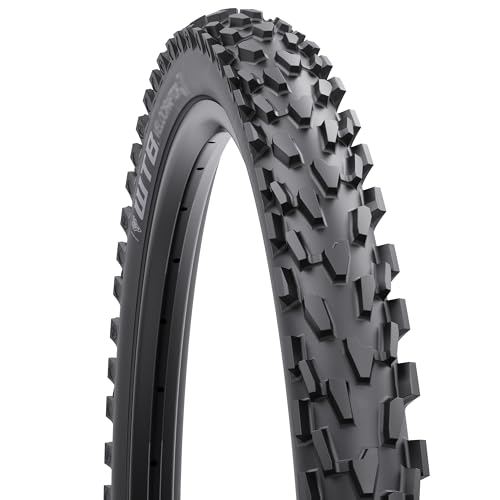
WTB Velociraptor Mountain Bike Tire 26 x 2.1 Wire Bead
Classic front-trail grip
Technical terrain steering

Value Pick
Hycline Mountain Bike Tire 20 24 26 27.5-inch Folding Replacement Bicycle Tire
Broad size coverage
Budget trail replacements
Practical Pick
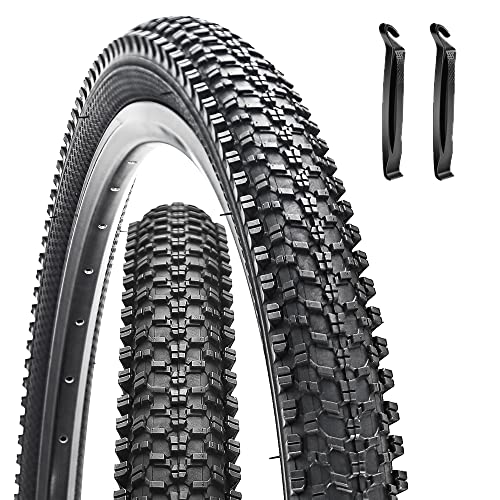
2 Pack Bike Tire 24 26 27.5 X 1.95 27.5 29 X 2.125 Inch Folding Replacement Bike Tire
Two-tire replacement value
Spare wheel refreshes

Balanced Choice
Continental Cross King Tubeless Mountain Bike Tire Black E25 Ebike Rated
Versatile trail balance
Mixed-surface riding
More Details On Our Top Picks
Rear tires do a lot of quiet work, and this one is built for riders who care about braking control on steep or loose sections. The dual compound tread mixes two rubber blends, so you get grip where it counts without turning every pedal stroke into a slog.
The EXO sidewall layer adds cut and abrasion resistance, which suits rocky trail days and bikes that see frequent abuse. Compared with the Maxxis Aggressor, this pick leans harder into braking and cornering bite, so it makes more sense for riders who want the rear end to stay composed under pressure.
What We Like
- Rear-specific tread shape supports hard braking on steeper trails.
- Dual compound rubber balances grip and rolling feel well enough for regular trail use.
- EXO sidewalls add a tougher feel for rocky lines and rough shoulders.
- Tubeless ready setup suits riders who want lower pressure without extra tube hassle.
Room For Improvement
- The rear-focused pattern makes more sense on the back wheel than as a general front choice.
- Riders chasing the quickest spin on smooth paths may prefer something less aggressive.
Feature Snapshot
Who It Suits Best
Trail riders who run a dedicated rear tire and want firmer braking support on rough descents will get the most from it.
A Better Fit Elsewhere
Maxxis Aggressor suits you better if your rear wheel stays on hardpack and you want a faster-feeling center tread with less drag.
This one makes a strong case for hardpack trails where speed still matters but the rear wheel has to stay planted. The fast-rolling center tread should feel familiar to riders who spend long stretches pedaling between rougher corners, and the grippy side knobs help the tire stay useful once the bike leans over.
The DD casing, short for double down, brings a heavier-duty build than the lighter picks in this list, so it suits bikes that see sharper impacts and more committed riding. Compared with the Minion DHR II, the Aggressor usually makes more sense for riders who want less rear drag and can give up a little braking bite.
Highlights
- Fast center tread supports quicker acceleration on hardpack terrain.
- Side knobs add dependable cornering feel when the trail tilts and gets loose.
- DD casing gives the rear wheel a sturdier trail-ready feel.
- Tubeless ready construction fits modern mountain wheel setups.
Worth Noting
- The tougher casing adds weight, which you will notice more on long climbs.
- Its personality suits rear use best, so it is less versatile than a true all-around front choice.
- Size and casing options are more specific, so fit checking matters before you order.
Core Details
Who Will Love This
Trail riders who want a quicker rear tire for rocky hardpack and who do not mind a sturdier casing will appreciate it most.
Where A Sibling Pick Shines
Maxxis Minion DHR II fits better for riders who want stronger rear braking grip and a more planted feel on steeper descents.
The Assegai has a very clear job, it wants to keep your front end composed on dry, packed terrain where cornering feel matters. Its tread shape is meant to stay predictable as the bike leans, so you spend less time wondering whether the front wheel will wash out.
That makes it a strong match for technical riders who value trust at the handlebars more than a quick, light spin. Compared with the Minion DHR II and Aggressor, this one is the more obvious front-tire choice, especially for riders building a confident mixed-trail setup.
Bright Spots
- Front-end grip feels directed and easy to trust through turns.
- Dual compound tread helps keep rolling effort from feeling overly heavy.
- EXO sidewalls add useful protection for rocky trail edges.
- Tubeless ready setup fits current mountain wheel systems.
- Wide trail-focused tread profile suits committed cornering.
Small Caveats
- The grip-first shape is better suited to aggressive trail use than casual riding.
- Riders who spend most of their time on smooth paths may want something leaner.
Details At A Glance
Best Suited To
You will get the most from it on technical singletrack, especially on a front wheel that needs steady cornering support.
Look Elsewhere When
WTB Velociraptor Mountain Bike Tire 26 x 2.1 Wire Bead is a better fit for riders who want a more classic, budget-minded steering tire for older 26-inch bikes.
The Velociraptor keeps the old-school 26-inch mountain bike alive with a front-oriented tread that still makes sense on rocky, technical trails. The pointed knobs are meant to bite into the ground and hold their line, while the open spacing helps clear mud instead of packing up too quickly.
That makes it a very practical pick for riders restoring an older bike or keeping a spare trail wheel in service. Compared with the Maxxis Assegai, it is less modern and less refined, but that simpler approach may feel right on a retro build that just needs dependable steering.
Reasons To Buy
- Front-specific tread supports steering control on awkward trail angles.
- Wide knob spacing helps shed mud more easily.
- Wire bead construction gives the tire a traditional, sturdy feel.
- 26 x 2.1 sizing suits older mountain bikes that still see trail duty.
Softer Spots
- The wire bead build is less convenient to fold or pack than a modern folding tire.
- Its size focus limits it to riders running 26-inch wheels.
- It feels more specialized than broader all-around options like the Continental Cross King.
Feature Rundown
Built With In Mind
Riders with 26-inch bikes who want a straightforward front tire for rocky, awkward lines will feel right at home here.
Another Choice May Suit
Continental Cross King tubeless tire suits riders who want a more modern, mixed-terrain option with broader trail flexibility.
The Hycline is the sort of replacement tire that makes sense when you need broad size coverage rather than a specialty race feel. Its folding build helps with storage and installation, and the listed 30 TPI construction signals a more everyday-minded tire than the heavier trail casings above.
That trade-off is useful for commuters on mixed paths or weekend riders refreshing an older bike without moving up to a premium casing. Compared with the WTB Velociraptor, it feels more flexible on size choices, though it gives up some of that classic front-tire personality.
Upsides
- Multiple wheel sizes make it easier to match different bikes in one household.
- Folding construction simplifies storage and transport.
- Wear-resistant framing suits regular replacement use.
- The tread profile is aimed at off-road traction rather than plain pavement cruising.
Points To Note
- The broad fit range still needs a careful size check before ordering.
- It is more about practical replacement use than high-end trail refinement.
- Pairing and setup may take a little more attention on bikes with older wheel standards.
Technical Sheet
Right Fit For
Casual trail riders and home mechanics who want a flexible replacement tire for several wheel sizes will get the most value here.
Skip It When
Maxxis Minion DHR II is a stronger fit for aggressive trail riders who need more specialized rear traction and sidewall confidence.
Two tires plus tire levers make this option especially useful for anyone refreshing a pair of wheels at once. The size coverage spans several common mountain bike setups, so it works best as a straightforward replacement choice rather than a niche performance upgrade.
Its 30 TPI build and folding bead give it a practical profile for garages, sheds, and quick roadside swaps. Compared with the single-tire Hycline pick, this one suits you better when both wheels need attention and you want the install tools in the same box.
Best Bits
- Two-tire pack suits full-bike refreshes.
- Included levers help with home installation.
- Folding bead makes the tires easier to store between uses.
- Wide fit range covers several popular wheel sizes.
Areas To Watch
- The broad sizing still requires a careful match to your rim and frame clearance.
- It is built around replacement utility, not a premium aggressive-trail feel.
Core Details
Whose Shelf It Belongs On
Home mechanics and casual trail riders who want a pair of replacement tires with installation help will find this a practical fit.
Reach For A Different Pick When
Continental Cross King is the better call for riders who want a more polished tubeless trail tire with a broader all-round feel.
The Cross King sits in the useful middle ground, which is exactly why many trail setups need it. Its tubeless design, PureGrip tread compound, and ShieldWall casing point toward a tire that wants to roll smoothly while still keeping enough bite for turns and mixed trail surfaces.
The E25 rating also broadens its appeal for riders on e-assist bikes, where tire stability matters over longer rides and extra motor torque can add strain. Compared with the more aggressive Maxxis group above, this one feels friendlier for riders who split time between trail miles and everyday mixed terrain.
Standout Traits
- PureGrip compound is aimed at a steady mix of grip and roll feel.
- ShieldWall casing adds a more protective trail-ready structure.
- Tubeless setup suits riders who want a cleaner modern wheel build.
- E25 rating makes it relevant for e-bike use as well as regular trail riding.
Honest Caveats
- It is more versatile than outright aggressive, so hard-charging downhill riders may want a deeper tread.
- Riders chasing a very planted rear brake feel will still prefer the Maxxis Minion DHR II.
Feature Card
The Right Fit
You will likely appreciate this most on mixed trail rides, especially if you want one tire that can handle casual miles and rougher turns.
Swap It Out When
Maxxis Assegai is the stronger choice for riders who want a more front-wheel-focused tire with a sharper cornering personality.
How To Choose The Right Aggressive Mountain Bike Tires
Tread Shape And Where You Ride
Start with terrain, because tread is the part that decides how the bike meets the ground. Open knobs clear mud better, while tighter, lower-profile patterns roll more smoothly on hardpack and packed gravel.
For rocky singletrack, you want side knobs that support leaning through corners without folding too easily. On dry, fast trails, a rear tire like the Maxxis Aggressor can feel more efficient than something deeper and slower.
Casing, Sidewalls, And Tire Feel
Casing is the tire’s internal structure, and it changes the way the whole bike feels. A tougher build usually brings more support and a calmer ride on rocks, but it can add weight and a firmer ride feel.
Sidewall protection matters most when your local trails have sharp edges or roots that punish softer tires. EXO and ShieldWall style constructions show up for a reason, they help the tire stand up to real trail abuse without moving into heavy downhill territory.
Wheel Size, Width, And Fit Checks
Width affects both comfort and steering. A wider tire can add cushion and cornering support, while a narrower option often feels quicker and easier to thread through tight lines.
Wheel size matters just as much, and older 26-inch bikes still have a real place in trail riding. Check frame clearance, rim width, and the exact size printed on your current tire before you order, because a strong tread pattern helps only when the tire actually fits your bike.
Tubeless, Bead Type, And Everyday Practicality
Tubeless-ready tires let you run without an inner tube on compatible wheels, which many trail riders like for setup flexibility. Folding beads are easier to store and pack, while wire beads usually feel more traditional and less convenient outside the bike stand.
Think about maintenance, not just grip. A rider who swaps tires often may prefer a folding model, while someone rebuilding an older 26-inch setup may care more about a simple wire-bead tire that gets the job done with less fuss.
What To Weigh Before You Order
Wrong Turns To Avoid
The biggest mistake is treating every aggressive tire like a universal fit. A rear-specific tread can feel awkward on the front wheel, and a front-leaning design can feel draggy when you move it to the back.
Another common slip is skipping the size check. Tire width, wheel diameter, and frame clearance all have to line up, especially on older bikes where a modern aggressive casing may be too much tire for the space available.
The Upgrade Payoff
Higher-tier tires usually cost more because of casing layers, sidewall protection, and more advanced rubber compounds. Those details matter on rough trails, where pinch resistance, cornering support, and tread consistency can change how confident the bike feels.
The upgrade is worth it for riders who hit rocky lines often, ride fast on technical descents, or want a tubeless-ready setup with better support. For lighter trail use, a simpler folding replacement may be enough and easier to live with.
Frequently Asked Questions
Are aggressive mountain bike tires good for everyday trail rides?
Yes, many of them work well on mixed trails because they add grip and control in loose or rough sections. The trade-off is a little more rolling drag than a smoother trail tire.
Should the same aggressive tire go on both wheels?
Not always, because front and rear tires often do different jobs. A front tire usually needs steering bite, while a rear tire often benefits from stronger braking support or faster rolling.
Do tubeless-ready tires need special wheels?
You need wheels and setup parts that support a tubeless installation. That path is popular for trail riding because it gives you more flexibility with pressure and can simplify some puncture-related maintenance.
What wheel size matters most for older mountain bikes?
The exact diameter printed on the sidewall matters most, especially with 26-inch bikes. A tire that fits the width but misses the wheel size will not help you at all.
How do you choose between a folding bead and a wire bead?
Folding beads are easier to store and usually more convenient to handle during transport. Wire beads feel more traditional and can suit simple replacements on older bikes.
Final Thoughts
The best aggressive mountain bike tire for you depends on where your tires spend their time. The Maxxis Minion DHR II and Assegai lean into trail confidence, the Aggressor trims drag for rear-wheel speed, and the Continental Cross King gives you a calmer middle ground. Older bikes and budget refreshes have solid paths here too, especially with the WTB, Hycline, and SIMEIQI options. Match the tread to your terrain, check the size twice, and your bike will feel more settled on the trail.
