Book Appointment Now

8 Best Archery Hip Quivers for 2026
You want a hip quiver that stays out of your way, keeps arrows organized, and suits the way you shoot. That matters whether you spend weekends on a target line, coach new archers, or move between practice lanes and outdoor sessions.
The eight options below lean toward different needs, from reversible carry layouts to foldable builds, pocket storage, and more padded carry comfort. The right choice usually comes down to how many arrows you carry, how much gear you keep close, and whether you prefer a simple hip rig or a quiver that can shift into backpack-style use.
Quick Look At The Shortlist
PickWhy We Picked ItBest ForAction

Balanced Choice
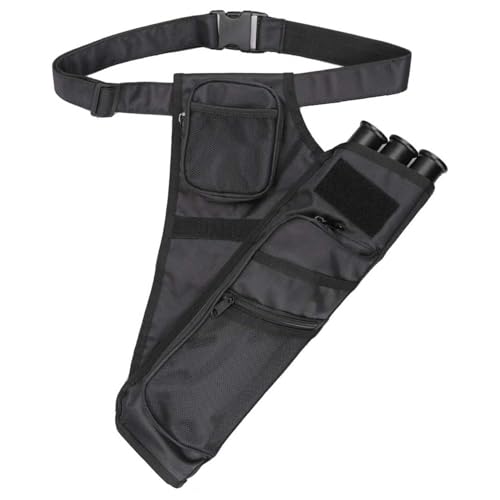
Easton Flipside 3-Tube Hip Quiver (Black, Left/Right)
Ambidextrous layout
Left- or right-handed archers
Value Pick
XTACER 3 Tube Hip Quiver Hunting Training Camo Archery Arrow Quiver Holder
Roomy pocket layout
Gear-heavy practice sessions

Feature Rich
KRATARC Lightweight Back Arrow Quiver Dual Use Foldable Compact Hip Arrows Bag
Hip or back carry
Archers who switch carry style

Top Pick
Legend XT420 Field Quiver Left or Right-Handed Arrow Holder
Field-ready storage
Archers carrying accessories

Practical Pick
LEGEND First Archery Quiver Case for Arrows with Adjustable Belt
Simple storage focus
Target practice basics

Compact Choice
KRATARC Lightweight Hip Arrow Quiver Foldable Compact Arrows Bag
Foldable compact build
Travel-friendly storage

Everyday Favorite
KRATARC 3-Tubes Hip Quiver Waist Hanged Arrow Carry Bag
Sturdy daily carry
Practice and range use

Traveler’s Choice
KURUGEILI Archery Quiver Back and Hip Quivers Adjustable Arrow Backpack Bag Holder
Back-to-hip flexibility
Compound and recurve users
More Details On Our Top Picks
The reversible hook-and-loop pocket gives you a simple left-right setup, which matters for archers who share gear or switch hands between sessions. The integrated accessory grommet, belt clip, and bow square slot keep the usual small tools close without turning the hip rig into a cluttered pouch.
Compared with the more pocket-heavy XTACER and Legend options, this one keeps the layout cleaner and easier to live with on a crowded line. For most range days, that tidy feel is the main appeal, especially when you want fast access and less bulk hanging at your side.
What We Like
- Reversible pocket design suits left- or right-handed use.
- Belt clip keeps the carry position steady.
- Bow square slot helps organize small range tools.
- Accessory grommet adds a practical attachment point.
Points To Note
- The source details focus on carry features more than storage depth.
- Arches with lots of extra gear may want a roomier pocket layout.
Feature Snapshot
Who It Suits Best
Archers who want a straightforward hip quiver with ambidextrous carry will get the most out of this one.
A Better Fit Elsewhere
XTACER 3 Tube Hip Quiver Hunting Training Camo Archery Arrow Quiver Holder suits you better if you want more pocket space for odds and ends.
Three 17-inch tubes give this XTACER a more structured carry setup than the stripped-back Easton, and the large zippered pockets make it easier to keep tabs on small essentials. The 600D Oxford cloth build points toward everyday range use, and that kind of fabric usually feels like a sensible middle ground between weight and toughness.
You may find it especially handy on practice days that run long, because the belt-style carry and extra pockets reduce trips back to the bench. The trade-off is obvious enough, though, since a fuller layout can feel busier at the waist than a simpler tube-only design.
Highlights
- Three 17-inch tubes keep arrow separation clear.
- Large zippered pockets hold more small gear.
- 600D Oxford cloth suits regular practice wear.
- Belt carry keeps the quiver close during movement.
Small Caveats
- The larger pocket setup adds a bit more waist bulk.
- Busy storage can be more than a casual archer needs.
Core Details
Made For
Target shooters who like a pocket-rich hip quiver for drills, accessories, and longer practice blocks will appreciate this layout.
Swap It Out When
Legend First Archery Quiver Case for Arrows fits better if you prefer a cleaner accessory layout with a more classic field-style feel.
This KRATARC stands apart because it can work as a back quiver or a hip carry, and that dual-use setup suits archers who move between practice styles. The adjustable three-point padded shoulder strap, thicken bottom, and wear-resistant polyester help it feel better suited to repeated use than a bare-bones pouch.
Its 19-inch length and roughly 4-inch opening give you room for 18 to 24 arrows, which is useful for sessions where you like to keep a fuller load close. Compared with the Easton and Legend models, the shape here is less about rigid belt carry and more about adaptable transport, almost like a quiver with extra gears in its bag.
Reasons To Buy
- Back or hip use gives you more carry flexibility.
- Padded shoulder strap can ease long carry sessions.
- Thickened base helps arrows sit more securely.
- 18 to 24 arrow capacity suits fuller practice loads.
- Foldable design helps it tuck away more easily.
Areas To Watch
- The more flexible design may feel less minimal than a simple hip tube rig.
- A taller bag shape can sit differently than low-profile waist quivers.
Technical Sheet
Best Suited To
Archers who want one quiver that can shift between hip and back carry will get the most value here.
Look Elsewhere When
Easton Flipside 3-Tube Hip Quiver (Black, Left/Right) makes more sense for you if you want a cleaner, more classic belt-first layout.
The Legend XT420 leans into field use with a durable nylon body, three arrow tubes, and multiple pockets for accessories, score cards, and tools. That mix makes it feel more purposeful than the simpler tube-only options, especially for archers who carry several small items and want them sorted instead of loose in a pocket.
For outdoor rounds or club sessions, the left-right design helps it fit more users without forcing a handedness compromise. The honest read is that the extra organization is useful, but it also means you’ll want to keep the pockets tidy so the quiver doesn’t become a little pouch pile.
Upsides
- Three tubes help separate arrows neatly.
- Multiple pockets support tools and score cards.
- Nylon build suits regular field and range use.
- Left-right fit broadens who can use it comfortably.
Worth Noting
- More storage means more chance for pocket clutter.
- The added organization may be more than a minimalist setup needs.
Details At A Glance
Right Fit For
Archers who split time between target practice and field sessions will appreciate the pocket layout and handedness flexibility.
Another Choice May Suit
LEGEND First Archery Quiver Case for Arrows is the better lane for you if you want a more straightforward quiver with less pocket management.
This LEGEND First model keeps the formula straightforward, with three arrow tubes, an adjustable belt, and storage pockets for accessories, tools, and a score card. That simplicity can be a strength in a busy practice setting, where you want enough organization without a lot of extra structure getting in the way.
Compared with the XT420, it reads as the more restrained option, which is handy for archers who like a lighter accessory load. One thing worth considering is that a simpler quiver often feels easier to manage, but it also asks you to be honest about how much gear you really carry.
Best Bits
- Adjustable belt helps the fit feel less rigid.
- Three arrow tubes keep the main load organized.
- Storage pockets make room for small field items.
- Durable nylon material fits routine range use.
Room For Improvement
- The setup is practical, but not especially feature dense.
- Archers carrying many accessories may want more pocket room.
Feature Rundown
Whose Shelf It Belongs On
Target shooters who want a plain, dependable hip quiver with useful storage and little fuss will feel at home here.
Where A Sibling Pick Shines
Legend XT420 Field Quiver is the better fit for you if you want a more pocket-rich setup for longer sessions.
Among the lighter KRATARC options, this one keeps the shape compact and foldable, which makes it easy to stash between range visits or tuck into a gear bag. The Molle system gives it a more adaptable feel than a plain tube sleeve, though the source details stop short of spelling out how much the layout adds in everyday use.
For archers who pack light and hate bulky carry gear, that compact profile is the main draw. Compared with the longer, strap-happy B09VGN7MX7, this model feels better suited to minimal carry and less suited to all-day overpacking.
Positives
- Foldable shape stores more easily between sessions.
- Compact build keeps waist carry from feeling oversized.
- Molle system adds a flexible attachment style.
Minor Gripes
- The source details are lighter than some other picks here.
- Minimal storage can suit some archers better than others.
Quick Facts
The Right Fit
Minimalist archers who want a compact side quiver for short practice sessions will probably get the most from this one.
Reach For A Different Pick When
KRATARC Lightweight Back Arrow Quiver Dual Use Foldable Compact Hip Arrows Bag suits you better if you want shoulder-carry flexibility too.
This KRATARC keeps the formula familiar, but the 17.5-inch length and 1.5-inch belt give it a tidy, waist-friendly profile. Reinforced oxford fabric and quality zippers point to a carry bag that should handle regular range use without feeling fragile, which is the kind of practical detail you notice after a few busy sessions.
It sits between the simpler Easton and the more flexible B09VGN7MX7, so it makes sense for you if you want straightforward side carry with just enough structure. The trade-off is modest, since a slimmer design usually means less room for gear than the pocket-rich XTACER or Legend picks.
Bright Spots
- 17.5-inch length keeps the profile compact.
- 1.5-inch belt width supports stable waist carry.
- Reinforced oxford fabric adds a sturdier feel.
- Quality zippers help the bag feel more dependable.
Softer Spots
- Storage looks more modest than on the pocket-heavy options.
- The simpler layout may not suit gear-heavy sessions.
Feature Card
Who Will Love This
Archers who want a regular-use hip quiver with a slimmer footprint will get along with this one.
Where Another Pick Suits Better
XTACER 3 Tube Hip Quiver Hunting Training Camo Archery Arrow Quiver Holder suits you better if you want bigger pockets for accessories.
KURUGEILI goes after archers who want a quiver that shifts between backpack and hip carry without forcing a single setup. The 18-inch holder length, roughly 3-inch opening, and room for up to 30 arrows make it the most capacity-forward option here, while the adjustable straps from 13 inches to about 30 inches widen the fit range for youth and adults.
That flexibility can be a real plus for compound and recurve practice, especially when you split time between target work and hunting-style sessions. Compared with the KRATARC side-carry models, this one leans more versatile than minimal, so it suits people who value adaptability over a stripped-down waist profile.
Standout Traits
- Back and hip carry gives you two setup paths.
- Up to 30-arrow capacity supports fuller practice loads.
- Adjustable straps widen the fit for different body sizes.
- Works with compound and recurve setups.
Honest Caveats
- The larger carry range may feel bigger than a simple hip quiver.
- More capacity usually means more weight on longer walks.
Feature Rundown
Built With In Mind
Archers who want one quiver for both hip and back carry, especially across different practice styles, are the clearest fit here.
Skip It When
KRATARC Lightweight Hip Arrow Quiver Foldable Compact Arrows Bag makes more sense if you want the smallest possible side-carry footprint.
How To Choose The Right Archery Hip Quivers
Match The Carry Style To Your Sessions
The first thing to sort out is how you actually move around while shooting. A simple hip quiver like the Easton Flipside keeps arrows close and easy to reach, while a dual-use model such as the KURUGEILI gives you more flexibility for longer walks or mixed training days.
Handedness matters too. Reversible or left-right designs make life easier for shared use, and they remove the awkward reach that can happen with a quiver built only for one side.
Look Past Arrow Tubes And Count The Pockets
Three tubes sound similar across several picks, but the pocket layout changes ownership a lot more than the tube count does. XTACER and Legend give you room for small gear, score cards, and tools, which is helpful at a busy range where you want less rummaging.
Minimal quivers are easier to keep clean and light. Pocket-rich versions suit archers who carry gloves, tabs, pencils, or tuning tools and want them all in one place instead of scattered in a pack.
Choose Materials For Real Use, Not Just Looks
Oxford cloth, polyester, and nylon each show up here for a reason, because they balance weight, carry feel, and everyday handling. Reinforced or thickened bottoms matter more than they sound, since they help the quiver hold shape when arrows are drawn and returned again and again.
That said, more fabric and more structure can mean a bulkier feel at the waist. For a short indoor session, you may prefer a slimmer build, while outdoor practice often rewards sturdier materials and better attachment points.
Fit, Capacity, And Comfort Need To Work Together
Capacity is useful only when the quiver still feels manageable on your belt or shoulder. A 30-arrow model gives you a lot of room, but a 17.5-inch hip bag with a 1.5-inch belt may feel easier for quick practice days.
The best choice lines up with your routine, not with the longest feature list. For beginners, a straightforward belt quiver is usually easier to learn, while seasoned archers often appreciate the extra storage and strap options that keep a session moving smoothly.
A Quick Reality Check Before You Choose
Wrong Turns To Avoid
One common mistake is chasing capacity first and fit second. A bigger quiver can be handy, yet it gets old fast when it swings around on a light practice day or catches on a jacket.
Another easy miss is ignoring the pocket layout. A clean tube quiver works well for simple target sessions, but gear-heavy archers usually regret not having a place for small tools and scorekeeping items.
The Upgrade Payoff
Higher-tier quivers usually cost more because they add sturdier materials, better strap systems, and more refined storage. Those details show up in daily use, especially when you shoot often or carry extra accessories with you.
Paying more makes sense when you want a quiver that feels calmer on the body and more organized in the hand. For occasional backyard practice, a simpler model often does the job without asking for extra money.
Frequently Asked Questions
How many tubes do most hip quivers need?
Three tubes cover a lot of target practice needs and show up often in this group. That setup gives you a clean way to separate arrows without making the quiver feel oversized.
Are dual-use quivers harder to carry?
Dual-use designs usually add flexibility, but they can feel bulkier than a pure hip quiver. You gain versatility, yet you also carry a little more structure.
What material makes sense for regular range use?
Oxford cloth, polyester, and nylon all fit regular use well, depending on how much structure you want. Nylon and reinforced fabrics tend to feel more substantial, while lighter fabrics can stay easier to move around with.
Do pockets really matter on a quiver?
They matter a lot for archers who carry tools, score cards, or small accessories. A pocket-free quiver keeps things simple, but it also leaves you with fewer places to sort your gear.
What suits a new archer best?
A straightforward hip quiver with an adjustable belt is usually the easiest place to start. That kind of setup keeps the learning curve mild while you figure out your carry habits.
Closing Thoughts
The right hip quiver should feel like part of your routine, not extra gear you have to manage. If you want the cleanest all-around carry, Easton and Legend give you a solid starting point, while XTACER and KURUGEILI make more sense when storage or flexibility matters more. Compact KRATARC models work well for lighter days, and the more adjustable picks help when comfort varies across practice sessions. Choose the layout that matches your habits, and the rest tends to fall into place.
