Book Appointment Now

8 Best Backyard Climbing Walls: Built for Busy Family Yards
Backyard climbing walls can turn a plain play area into something that gets used far more often, especially in homes that need sturdy, screen-free activity. The strongest options in this roundup range from simple bolt-on holds to freestanding climbers and dome-style setups, so fit matters as much as shape. Material, mounting style, age range, and the amount of yard space all change the right choice. The picks below focus on practical setups that make sense for real homes, garage walls, and active play spaces.
Quick Look At The Shortlist
PickWhy We Picked ItBest ForAction

Design Standout
Rock Climbing Holds, Colorful Textured Wall Rocks with Hardware
Textured grip variety
DIY wall updates

Heavy Duty Pick
50 Large Screw On Rock Climbing Holds for Rock Wall Grips
Big set, broad coverage
Larger wall projects

Compact Choice
Climbing Net for Kids Outdoor, Climbing Cargo Net Swingset
Flexible climbing surface
Obstacle-style play

Practical Pick
10 PCS Rock Climbing Holds for Rock Climbing Wall Made in USA
Starter set, simple layout
Small wall builds
Everyday Favorite
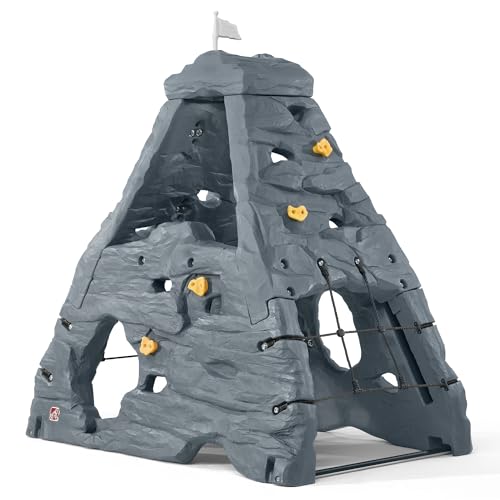
Step2 Skyward Summit for Kids
Freestanding play structure
Preschool backyard play

Feature Rich
VEVOR Climbing Dome, 10FT Geometric Dome Climber with Hammock and Swing
Multi-use dome layout
Shared backyard play

Value Pick
25 Packs Rock Climbing Holds, Indoor & Outdoor Rock Wall Climbing Kit
Mixed grips and extras
Versatile home setups
Balanced Choice
Step2 Truck Climber, Kids Outdoor Playset
Slide plus climbing wall
Toddlers and preschoolers
More Details On Our Top Picks
Colored, textured holds make a straightforward route feel more varied, especially on a wood wall or a compact garage setup. The hardware note matters because bolt-on holds usually suit fixed installations better than quick-change toy pieces. The honest read is that this style asks for a real mounting surface, so it fits prepared walls rather than casual floor play.
In a family yard, that trade-off often pays off in steadier placement and a cleaner route layout. It works well for DIY wall builders who want grip variety without moving into a large freestanding structure.
Strong Points
- Textured surfaces help hands and feet find purchase.
- Color variety makes route planning easier on a home wall.
- Hardware included, so setup stays more straightforward.
- Fits indoor walls, playsets, and backyard wall projects.
Points To Note
- Needs a suitable board or wall base for mounting.
- Not as flexible as freestanding play structures.
- Installed holds need periodic checking for looseness.
Core Details
Who It Suits Best
DIY households building a fixed wall for regular route practice will get the most out of this set.
A Better Fit Elsewhere
Rocky Mountain Climbing Gear 50 Large Screw On Rock Climbing Holds suits a bigger wall project that needs more coverage in one purchase.
Compared with the first hold set, this one leans larger and broader, which helps on walls that need obvious hand and foot targets. Screw-on holds tend to suit garage walls, tree builds, and outdoor panels where repeat placement matters. The practical upside is coverage, while the trade-off is the same as any fixed hardware set, more planning before installation.
For a long-term wall in a yard or gym corner, that extra hold count can make route spacing easier to vary. It feels better matched to a builder who wants to map out a larger climbing face rather than a small accent strip.
What We Like
- Large hold count supports wider route layouts.
- Screw-on mounting suits permanent wall projects.
- Useful for indoor, outdoor, and garage setups.
- Made in the USA, which some shoppers prefer for sourcing clarity.
- Works well for broader boards or tree-mounted climbing ideas.
Room For Improvement
- Requires a proper mounting surface and planning.
- Large format can feel excessive on tiny walls.
- Fixed installation leaves less room for quick layout changes.
Feature Snapshot
Who Will Love This
Owners building a broad backyard wall or garage climbing face will benefit most from the larger piece count.
Where A Sibling Pick Shines
Rock Climbing Holds, Colorful Textured Wall Rocks with Hardware suits a smaller project that needs more visual variety and a lighter footprint.
A cargo-style net changes the feel of a climbing area fast, because the surface is soft, flexible, and much less rigid than hard holds. That makes it a smart fit for swing sets and obstacle-course setups where movement is part of the experience. Depending on the frame, though, it may take some patience to tension and position the net cleanly.
For households that want a climbing element without committing to a solid wall, this style keeps the footprint modest. It also pairs naturally with other play attachments, so the setup can grow without starting over.
Upsides
- Flexible net format adds variety to a play area.
- Works well with jungle gym and swing set frames.
- Can fit obstacle-course style backyard layouts.
- Less visually heavy than a full climbing wall panel.
Small Caveats
- Frame compatibility matters for a clean fit.
- Net tension can take adjustment during setup.
- Surface feel differs from hard rock-style holds.
Details At A Glance
The Right Fit
Families looking for an attachment rather than a rigid climbing face will get the most value from this net.
Skip It When
Step2 Skyward Summit for Kids suits homes that want a freestanding climber with a more defined footprint and easier placement.
Ten-piece sets work well for smaller wall sections, where every hold needs a clear purpose instead of clutter. Compared with the 50-piece Rocky Mountain set, this one is easier to treat as a starter layout or a compact update to an existing board. The trade-off is obvious, fewer holds means fewer route choices, though that also keeps the project simpler.
That simplicity suits garages, playsets, and backyard panels that need a modest climbing feature rather than a full wall rebuild. Mounting hardware is part of the package, which helps keep the install path clearer.
Highlights
- Small set size suits starter wall projects.
- Made in the USA.
- Mounting hardware is included.
- Works indoors or outdoors on suitable surfaces.
Areas To Watch
- Ten holds limit route variety on larger walls.
- Smaller layouts may need careful spacing to feel balanced.
- Like any fixed hold set, hardware checks matter over time.
Quick Facts
Best Suited To
Home setups that need a tidy starter set for a small climbing wall will fit this package well.
A Better Fit Elsewhere
C CRYSTAL LEMON Rock Climbing Holds, Colorful Textured Wall Rocks with Hardware suits anyone who wants more visual variety across a modest wall section.
Freestanding climbers solve a different problem than bolt-on holds, they give a backyard a defined play zone without wall prep. This Step2 setup leans toward younger kids and simple outdoor use, with a shape that feels more like a complete play feature than an add-on. For most yards, that makes placement easier, though the footprint still deserves a clear patch of ground.
The room-delivery note and easy-return policy are practical touches for a bulky item like this, since moving large play equipment can be awkward. It suits families that want a recognizable climbing structure for ages four to eight without designing a wall from scratch.
What We Like
- Freestanding design avoids wall installation work.
- Clear fit for younger backyard climbers.
- Easy assembly language points to a simpler setup path.
- Feels like a complete play feature, not a small accessory.
Worth Noting
- Needs more yard space than hold-based options.
- Age range narrows the long-term fit.
- Large structure means cleaning and repositioning take more effort.
Feature Rundown
Whose Shelf It Belongs On
Households with preschool and early elementary kids will get the clearest use from this freestanding climber.
Reach For A Different Pick When
VEVOR Climbing Dome, 10FT Geometric Dome Climber with Hammock and Swing is the better match for families wanting a larger shared play structure with more activity modes.
The dome format does more than provide climbing grips, it creates a central structure that can anchor several kinds of play at once. With a hammock and swing included, this pick spreads out the activity options, which suits families that want one larger backyard piece instead of several smaller ones. The trade-off is space, because a 10-foot frame needs room to breathe.
That size can be a strength in shared yards, where multiple kids may move around the structure at the same time. The 750-pound capacity note is useful for understanding the frame’s intended load range, although actual use still depends on proper assembly and site planning.
Reasons To Buy
- Three-in-one layout combines climbing, swinging, and lounging.
- Large frame creates a clear backyard focal point.
- Load rating suggests a sturdier structure for group play.
- Easy-assembly note helps reduce setup friction for a big item.
Softer Spots
- Needs significant yard space.
- More parts mean assembly takes more patience.
- Large structures call for regular hardware checks.
Core Details
Built With In Mind
Families with a larger yard and several kids in the same age band will get the clearest benefit from this dome.
Another Choice May Suit
Step2 Skyward Summit for Kids is more sensible for smaller yards that need a simpler freestanding climber with a lighter footprint.
This kit stands out because it adds more variety than a bare-bones hold pack, with multi-colored grips, mounting hardware, a knotted rope, and spare screws. That mix makes it useful for a home wall that needs a little of everything without moving into a large pro-style setup. The honest read is that the extra parts help, but they also ask for more organization during installation.
It fits households that want to refresh an existing climbing face or build a modest new one with a little visual energy. Compared with the 10-piece Rocky Mountain set, this package makes more sense for a wall that needs flexibility and a few backup pieces on hand.
Positives
- Twenty-five pieces give more layout options than a starter pack.
- Spare screws add a practical cushion during setup.
- Knotted rope broadens the play surface beyond hard holds.
- Indoor and outdoor use keeps placement flexible.
Minor Gripes
- More pieces can mean more sorting before installation.
- Rope and holds create a mixed feel that may not suit every wall style.
- Like any hardware-heavy kit, routine tightening still matters.
Spec Overview
Perfect Match For
Home wall builders who want a more versatile kit with added hardware will find this package easy to work into a real setup.
Look Elsewhere When
Rock Climbing Holds, Colorful Textured Wall Rocks with Hardware is the cleaner fit for a smaller project that values simpler route planning.
A truck-shaped climber gives toddlers a clearer play story than a plain wall panel, and that helps the structure feel inviting instead of abstract. With a slide and climbing wall built in, this one covers two kinds of motion in a single footprint. For small family yards, that combination can be the right balance, though the age range keeps the use case tight.
It works best as a backyard starter piece for early walkers and preschool kids, especially where simple supervision and easy entry matter. Compared with the bigger VEVOR dome, this is the calmer, more contained choice.
Best Bits
- Slide plus climbing wall creates two play modes.
- Truck theme makes the structure more approachable for small children.
- Freestanding design avoids wall prep.
- Size stays manageable for smaller yards.
Honest Caveats
- Age range limits long-term use.
- Less challenging than hold-based wall systems.
- Large molded playsets need regular surface cleaning outdoors.
Feature Card
Made For
Families with toddlers and preschoolers will find this truck climber easier to place and easier to use than a true wall setup.
Where Shoppers Go Wrong
Rocky Mountain Climbing Gear 50 Large Screw On Rock Climbing Holds suits a family that wants a more demanding wall project rather than a molded playset.
How To Choose The Right Backyard Climbing Walls
Match The Build To The Space
Wall holds, nets, freestanding climbers, and dome frames ask for very different footprints. A garage board or fence panel can handle bolt-on holds, while a lawn area suits a dome or a molded playset. The first decision is less about style and more about what the yard can hold without crowding everything else.
Fixed wall systems also reward careful planning around spacing and anchor points. Freestanding units solve that problem, but they trade flexibility for size. A compact yard usually benefits from the simpler shapes, while a larger yard can absorb a multi-use structure more comfortably.
Look Closely At Age And Skill Fit
Age range tells a useful story, especially for molded climbers and truck-style playsets. Younger kids usually do better with lower, more obvious handholds and shorter climbs, while older children need more route variation and more physical challenge. A wall built for an older child can feel intimidating to a preschooler.
Skill level matters just as much as age. A net or small hold set works well for early confidence building, while broader screw-on sets suit families that want route changes over time. The right match keeps the climbing area interesting without making it awkward to use.
Think About Installation And Upkeep
Hardware-based holds are usually a better fit for families comfortable with tools and periodic tightening. That extra maintenance is normal, not a flaw, because fixed pieces can loosen with repeated use. Freestanding climbers move the work from mounting to assembly, which may suit households that prefer a one-time build.
Cleaning also varies by format. Molded plastic climbers are easier to rinse, while textured holds and rope elements can collect dust, rain residue, and garden grit. The cleaner the installation path, the easier the day-to-day ownership tends to feel.
Before You Click Amazon
Common Shopping Slip Ups
Many setbacks start with the wrong format, not the wrong brand. A fixed hold kit looks compact online, yet it still needs a sound wall or board, and a large dome can overwhelm a modest yard.
Another common miss is overlooking the age range. Toddler climbers and school-age hold sets solve very different problems, and the wrong match can leave a family with a structure that feels either too easy or too demanding.
The Upgrade Payoff
Higher-tier setups usually cost more because they use more material, more pieces, and more complex shapes. A dome with a hammock and swing obviously involves more structure than a basic hold pack, and that extra hardware tends to show up in the build quality and the scope of play.
Spending up makes sense when the yard will support regular use by several children or when a single centerpiece needs to do the work of multiple smaller items. For occasional use or a narrow wall strip, the simpler option is often the cleaner fit.
Final Thoughts
Backyard climbing walls work best when the format matches the space, the age group, and the amount of setup effort that feels realistic. The hold kits here suit builders and route planners, while the freestanding climbers and dome options make more sense for families that want an easier standalone play zone. The strongest choice is the one that fits the yard without turning upkeep into a chore. That keeps the climbing area useful, not just impressive on day one.
