Book Appointment Now

8 Best Basketball Balls Indoor Outdoors for 2026
You want a basketball that fits the way you actually play, not just the way it looks on a product page. Some choices lean lighter for younger hands, some favor indoor feel, and some are built to handle driveway wear without feeling harsh in the gym. That mix matters, especially in homes where the same ball ends up on a school court, a garage floor, and the blacktop. This roundup keeps the focus on grip, size, touch, and everyday durability, so you can match the ball to your space and playing style.
Quick Look At The Shortlist
PickWhy We Picked ItBest ForAction

Practical Pick
XEDGE Basketball Size 5/6/7 Composite Leather Street Basketball
Useful starter bundle
New family play
Compact Choice
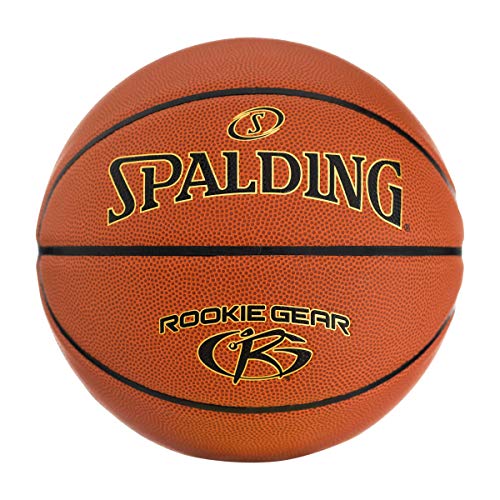
Spalding Rookie Gear 27.5 Basketball
Light feel for skills
Younger hands

Premium Pick
WILSON NCAA Evo NXT Official Indoor Game Basketballs
Indoor game-ball feel
Serious gym play

Design Standout
ALDWDY Silent Basketball Size 7 Airless Indoor Basketball
Quiet apartment practice
Indoor space use

Well Rounded Pick
WILSON NBA Forge Indoor/Outdoor Basketball Brown
Balanced court versatility
Mixed-surface play

Balanced Choice
WILSON NCAA Limited Basketball 29.5 and 28.5
Indoor feel, outdoor wear
School and rec courts
Feature Rich
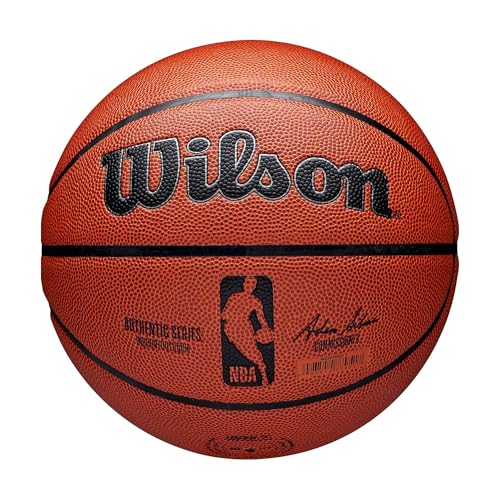
WILSON NBA Authentic Indoor/Outdoor Basketballs
Grip-focused cover design
All-around play styles

Heavy Duty Pick
Baden Contender Indoor/Outdoor Composite Basketball
Solid court balance
Blacktop regulars
More Details On Our Top Picks
XEDGE starts as the most straightforward all-in-one choice here, because it arrives as a street-style composite leather ball with the extras many households end up buying anyway. The size range is handy for mixed ages, and the included needle, pump, and carry bag make it easier to keep the ball ready for a driveway run or a gym visit.
The trade-off is simple, it aims at utility more than polish. That makes it a sensible fit for families, beginners, and anyone who wants a usable setup without piecing together accessories one by one.
Strong Points
- Composite leather gives it a familiar game-ball feel.
- Size 5, 6, and 7 coverage helps match age and hand size.
- Needle, pump, and bag reduce the usual setup hassle.
- Works well for driveway sessions and casual indoor runs.
Points To Note
- Utility-focused packaging means the look is plain rather than flashy.
- Composite covers often need a quick wipe after outdoor use.
- The mixed-size approach is helpful, though serious players may want a dedicated game size.
Feature Rundown
Who It Suits Best
Families and casual hoopers who want one package for practice, pickup, and storage will get the most value from this set.
A Better Fit Elsewhere
WILSON NCAA Evo NXT Official Indoor Game Basketballs suits committed gym players better, especially those who want a more refined indoor-only feel.
Spalding’s Rookie Gear leans into lighter handling, which makes the ball feel less demanding for younger hands or anyone still building shooting form. The 27.5-inch size is the key detail here, since smaller players often manage dribble control and release more comfortably with that scale.
Compared with XEDGE, this one gives up the accessory bundle and multi-size flexibility, but it responds with a cleaner training focus. In most driveways and home courts, that clearer purpose can be a real advantage.
What We Like
- Lighter weight can help new players handle the ball with less strain.
- 27.5-inch sizing suits smaller hands and youth practice.
- Indoor and outdoor use keeps it flexible for changing court space.
- Spalding’s familiar basketball shape should feel comfortable fast.
Minor Gripes
- The lighter feel may seem less substantial to stronger, older players.
- No bundled pump or bag means you provide your own setup gear.
- Outdoor sessions can leave any composite cover needing routine cleanup.
At A Glance
Who Will Love This
Young players, beginners, and skill-building sessions are the natural match for this lighter Spalding model.
Another Choice May Suit
WILSON NBA Forge Indoor/Outdoor Basketball Brown fits older teens and adults better when you want a firmer all-court ball.
This Wilson model is for indoor play first, and that focus shows in the way it separates itself from the lighter Rookie Gear and the mixed-use balls below it. Sizes 6 and 7 give you the standard court options, so the real appeal is the game-ball feel rather than broad versatility.
The higher-end feel makes sense for gym use, especially for organized practice or regular pickup in a controlled space. You may find it less appealing for rough outdoor surfaces, though, because premium indoor construction usually asks for a little more care.
Bright Spots
- Indoor game-ball focus suits gym sessions and structured drills.
- Size 6 and 7 options cover the common court standards.
- Likely to feel more refined in the hand than general-purpose balls.
- Good fit for players who care about a true indoor response.
Areas To Watch
- Indoor-first construction makes it a poor match for rough blacktop habits.
- The stronger game feel usually comes with more careful maintenance.
- It does not include the accessory extras found with XEDGE.
Technical Sheet
Built With In Mind
Competitive gym players and organized practice groups will get the most from this indoor-focused Wilson ball.
Swap It Out When
Baden Contender Indoor/Outdoor Composite Basketball is the better call for mixed-surface use and less careful outdoor handling.
ALDWDY takes a very different path from the balls above it, because the airless build is aimed at quieter indoor dribbling instead of traditional game feel. That makes it a practical option for apartments, late-evening practice, or any room where a full-bounce ball would sound too sharp.
The foam grooved construction is the main trade-off, since it serves control and quieter use more than outdoor toughness. Still, the included gift box and the size 7 format make it easy to hand off as a practice-focused option for teens or adults.
Positives
- Airless build keeps dribbling noise much lower than a standard ball.
- Grooved foam surface helps you track hand placement.
- Size 7 suits older players who want indoor practice at home.
- Useful for apartments, basements, and shared spaces.
- Gift box presentation makes it easier to store or give.
Softer Spots
- It is a training ball first, not a true game-ball substitute.
- Foam-style construction may wear differently from leather or composite covers.
- Outdoor use would be a poor match for this quieter indoor design.
Core Details
Right Fit For
Apartment practice, home training, and quieter indoor sessions suit this ALDWDY ball best.
Reach For A Different Pick When
WILSON NCAA Evo NXT Official Indoor Game Basketballs is the stronger choice for players who want a more traditional indoor game-ball experience.
WILSON’s Forge sits in the middle of the pack in a useful way, because it’s built for indoor and outdoor rotation without leaning too far toward either side. Size 7 gives you the standard full-size profile, which suits older teens and adults who split time between school gyms and outdoor courts.
Compared with the lighter Spalding Rookie Gear, this one feels more like a grown-up everyday ball. The honest read is that it won’t be the softest indoor specialist or the roughest outdoor workhorse, but most mixed-court households do not need a ball that extreme.
Upsides
- Indoor/outdoor build reduces the need to switch balls for different courts.
- Size 7 fits standard adult play.
- Brown finish keeps the look classic and easy to recognize.
- Good middle-ground option for casual leagues and neighborhood games.
Small Caveats
- Middle-ground designs rarely feel as specialized as a pure indoor ball.
- Outdoor sessions still call for routine surface cleaning and storage.
- Players wanting a lighter youth ball should look elsewhere.
Details At A Glance
The Right Fit
Adults and older teens who split play between gym floors and paved courts should feel right at home with this Wilson ball.
Look Elsewhere When
Spalding Rookie Gear 27.5 Basketball is the better option for younger hands that need a lighter, smaller training ball.
This NCAA Limited model reads like a bridge between indoor feel and outdoor durability, which is exactly why it earns a spot in a mixed-use roundup. The 29.5-inch and 28.5-inch size options make it easier to match the ball to age and hand size, especially in family settings or school programs.
Compared with WILSON NBA Forge, this one leans a touch more toward the classic indoor-game feel while still being built to handle outdoor punishment better than a pure gym ball. That balance comes at the usual cost, though, because balls trying to serve two surfaces rarely feel as specialized as a single-purpose pick.
Reasons To Buy
- Indoor-game grip and outdoor durability are paired in one ball.
- Size choices make it easier to fit different ages.
- Good middle ground for school gyms, driveways, and rec use.
- Wilson’s NCAA line keeps the look familiar to many players.
Trade Offs
- Dual-purpose builds usually compromise a little on pure indoor softness.
- Outdoor grip will still benefit from regular wipe-downs.
- Players who want a training-specific youth ball may prefer a lighter option.
Quick Facts
Whose Shelf It Belongs On
School-age players, family hoops setups, and anyone splitting time between a gym and a driveway will get strong use from this Wilson ball.
Where A Sibling Pick Shines
Baden Contender Indoor/Outdoor Composite Basketball is the better fit for shoppers who want a slightly more rugged blacktop-first attitude.
Wilson’s Authentic indoor/outdoor line stands out because it adds two practical touches that matter during regular play, a deeper channel cut and a moisture-handling cover. The deeper channel means the seams between panels sit more distinctly in the hand, while the cover is meant to move moisture away from the surface so your grip stays steadier during sweaty runs.
That combination makes this ball appealing for all-around players who split time between full-court games and rougher outdoor runs. Size 3, size 6, and size 7 coverage also gives you more flexibility than the single-size options above, though the broader lineup can make the listing feel more spread out than focused.
Best Bits
- Dual Depth Technology adds a more pronounced channel feel in the hand.
- Moisture-management cover helps the surface stay more usable during harder play.
- Size 3, 6, and 7 options widen the fit for different ages.
- Strong choice for people who move between indoor and outdoor courts often.
- Grip and touch details feel more thoughtful than basic entry-level balls.
Worth Noting
- The extra feature set makes sense only if you care about handling details.
- More surface technology usually asks for careful cleaning and dry storage.
- Players who want one simple full-size ball may not need the full size spread.
Feature Card
Made For
All-around players who want grip detail and size flexibility will get the most from this Wilson NBA model.
Skip It When
Spalding Rookie Gear 27.5 Basketball is the simpler fit for younger players who need a lighter training ball instead of a feature-heavy lineup.
Baden’s Contender is built for the person who wants a composite ball that can move between the gym and the blacktop without feeling delicate. The performance composite cover, symmetrical layout, and wide-panel construction are the details that set it apart from the Wilson models above, and they point toward steadier handling rather than flashy styling.
That wide-panel structure is a useful clue, because it aims to reduce lumpy bounce behavior and keep the ball balanced in play. For regular driveway hooping, that is the kind of detail you notice over time, especially when a ball gets used often and needs to stay predictable.
Standout Traits
- Performance composite cover gives it a familiar indoor-style touch with more outdoor stamina.
- Symmetrical construction helps the ball feel balanced in motion.
- Wide panels are meant to keep bounce behavior more even.
- Strong fit for routine blacktop use and casual gym runs.
Room For Improvement
- Composite surfaces still need regular cleaning after outdoor sessions.
- The focus is function first, so it does not chase a premium indoor-only feel.
- Players wanting a lighter youth format should look at Spalding Rookie Gear.
Core Details
Best Suited To
Regular blacktop players and mixed-court households will appreciate the way this Baden ball stays balanced and sturdy.
A Better Fit Elsewhere
WILSON NCAA Limited Basketball 29.5 and 28.5 makes more sense for families that want extra size flexibility along with a softer indoor-game lean.
How To Choose The Right Basketball Ball Indoor Outdoors
Match The Ball To The Main Surface
Indoor-first balls usually give you a softer, more refined touch, while outdoor-focused or hybrid balls hold up better on rough pavement. That difference matters more than many people expect, because a gym floor and a driveway ask for very different cover behavior.
Composite leather and performance composite covers are common middle-ground choices, since they try to balance grip with surface tolerance. A pure indoor ball feels nicer in a clean gym, but it can show wear faster on gritty concrete.
Use Size And Weight To Reduce Frustration
Size 7 is the standard full-size format for older teens and adults, while 6 and 5 step down for smaller hands and younger players. A lighter 27.5-inch ball can make early dribbling and shooting practice feel less awkward, which helps confidence during skill work.
The right size is less about a label and more about how naturally the ball sits in the hand. A ball that feels too large often leads to sloppy control, and that gets tiring fast during repeated drills.
Pay Attention To Grip And Channel Design
Deep channels, cover texture, and moisture-handling materials all affect how the ball feels during live play. Deeper seams can help your fingers locate the panels faster, while a grippier cover tends to feel steadier during quick catches and releases.
That said, more grip-focused surfaces sometimes ask for more maintenance after outdoor use. A quick wipe and dry storage often matter just as much as the cover material itself.
Think About The Way You Actually Use It
Apartment practice, youth training, pickup games, and driveway sessions each point toward a different kind of ball. A quiet airless trainer suits shared spaces, a lighter youth ball suits development, and a dual-surface ball suits households that move between courts.
That real-life fit is the part worth trusting. A ball that matches your space and routine usually feels better over time than a more specialized option that only shines in one setting.
Things Worth Knowing First
Hidden Buying Traps
One common mistake is treating every indoor/outdoor ball as interchangeable. The cover material, size, and intended surface all shape the feel, and a mismatch can leave you with a ball that seems fine on paper but awkward in use.
Another easy miss is skipping the size check. A full-size 29.5-inch ball can feel clumsy for younger hands, while a 27.5-inch option may feel undersized for older players.
The Upgrade Payoff
More expensive basketballs often justify themselves with better cover feel, more thoughtful channel work, or a stronger balance between grip and durability. Those details matter most for frequent gym players and households that use the same ball several times a week.
Spending up makes less sense for casual driveway shooting or early skill work, where a practical composite ball already covers the basics. Higher-tier models are worth the step only when touch, consistency, and handling detail are central to your game.
Final Thoughts
The best match in this group depends on how you play, not just which brand name you know. XEDGE is the practical all-in-one, Spalding Rookie Gear helps younger hands, and WILSON’s Evo NXT brings the most indoor-game polish. For quieter home practice, ALDWDY stands apart, while Baden and the other Wilson options do a better job of covering mixed surfaces. Choose the ball that fits your court, your grip, and your routine, and you’ll feel the difference quickly.
