Book Appointment Now

8 Best Basketball Insoles for 2026: Built for Real Courts
Basketball can punish your feet fast, especially once your shoes start feeling flat in the forefoot or loose around the heel. The right insole can help you steady your footwork, soften hard landings, and make a pair of shoes feel more dialed in for long practices, pickup runs, and travel tournaments.
This roundup focuses on inserts with different support profiles, from thin sock-liner styles to firmer carbon fiber builds. You’ll see which pairs suit fast guards, jump-heavy players, and anyone who wants a more secure step without adding a lot of bulk.
Quick Look At Our Top Picks
PickWhy We Picked ItBest ForAction
Editor's Choice
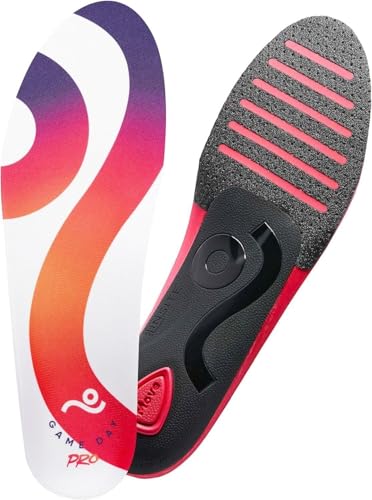
MOVE Game Day Pro Performance Sports Insoles
Broad sport support
All-around court use

Balanced Choice
CRUVHEAL Sport Running Insoles Men, Athletic Cushioning Inserts
Soft, steady cushioning
Training and running

Refined Pick
Move Game Day Performance Insoles, Arch Support
Supportive heel structure
Firm daily stability

Performance Leader
VKTRY Silver Carbon Fiber Composite Athletes Insoles
Structured carbon support
Explosive play styles

Value Pick
Welnove Lightweight Performance Sports Insoles Protective
Light, protective feel
Budget-minded athletes
Compact Choice
XEPXEP Carbon Fiber Insole Performance Customized Shoe Insert
Trim carbon profile
Snug-fitting shoes

Heavy Duty Pick
Welnove Carbon Fiber Sports Insoles with Arch Support
Rigid game support
Hard-driving athletes

Everyday Favorite
MOVE Baseline All-Purpose Insoles Sock Liner
Ultra-thin comfort layer
Low-volume footwear
More Details On Our Top Picks
These sit in the middle ground that a lot of basketball players actually need, not too thin and not bulky. The extra shock absorption makes sense for hard courts, and the broader sport list hints at a build that should feel comfortable across practices, gym runs, and pickup games.
Compared with the thinner MOVE Baseline option later in this roundup, this pair leans more toward cushioning and all-around comfort. You may find that trade-off worth it in shoes that already have a snug fit, because a fuller insert can tighten the interior a bit.
Strong Points
- Extra padding suits repeated jumps and quick stops.
- Works across several sports, so you can keep one pair for more than basketball.
- Comfort-first feel helps on longer gym sessions.
- Good match for worn-down shoes that need a little more underfoot support.
Things To Consider
- That thicker feel can reduce space in narrow shoes.
- Players who like a very low-profile insert may want a slimmer option.
- Extra cushioning can feel less lively than firmer carbon styles.
Feature Snapshot
Who It Suits Best
You’ll get the most from this pair if you want cushioned support for basketball and other court sports without moving into a rigid performance insert.
Where A Sibling Pick Shines
MOVE Baseline All-Purpose Insoles Sock Liner fits better for guards or low-volume shoes that need a thinner feel and more room inside the upper.
CRUVHEAL takes a more classic cushioning route, which is useful for training days that spill into running or conditioning work. The neutral arch support is the key clue here, since it usually suits shoes and feet that want steadier support without a very aggressive shape.
Compared with MOVE Game Day Pro, this one feels easier to place in everyday trainers rather than just basketball-first setups. The honest read is that it makes more sense for comfort-minded athletes than for anyone chasing a stiff, highly tuned insert.
What We Like
- Cushioned feel works well for mixed training.
- Neutral arch support keeps the shape approachable.
- Fits the rhythm of basketball, running, and gym work.
- Pairs nicely with sneakers and sports shoes that already fit close to true.
Worth Noting
- Less specialized than the carbon-fiber picks in this list.
- Soft cushioning may feel too relaxed for players who want a firm underfoot response.
- Careful shoe fit still matters, since bulkier inserts can crowd the toe box.
At A Glance
Built With In Mind
This suits basketball players who also log miles or spend time in the gym and want one insert that keeps up with both.
Look Elsewhere When
VKTRY Silver Carbon Fiber Composite Athletes Insoles fit better for athletes who want a firmer, more performance-focused structure underfoot.
This pair leans into support first, especially through the heel and arch, so it makes sense for players who want more structure than a soft foam insert can usually offer. The composite heel and reactive stability wording point to a more planted feel, which matters in quick cuts and defensive slides.
Relative to the Game Day Pro above, this version feels more corrective and more structured. You may notice the difference most in shoes that already have some cushioning, because the insert’s job is then to guide the foot rather than just add softness.
Positives
- Arch support suits players who want a more guided step.
- Composite heel can add a firmer rearfoot platform.
- Reactive stability is useful during stops and direction changes.
- Fits basketball and active daily wear without feeling overly specialized.
- Size range shown gives multiple fit points to choose from.
Points To Note
- Firm structure may feel like more shoe than some casual players need.
- Players who prefer plush cushioning may want a softer option.
- Supportive inserts can take a short break-in period in some shoes.
Details At A Glance
Right Fit For
You’ll appreciate this most in basketball shoes that already feel cushioned enough but still need more arch guidance and heel stability.
Reach For A Different Pick When
CRUVHEAL Sport Running Insoles Men makes more sense for someone who wants a softer, more forgiving insert for mixed training days.
VKTRY goes in a more rigid direction than the earlier foam-forward picks, and that matters for athletes who want a stiffer platform underfoot. Carbon fiber is a lightweight, very firm material, so the appeal here is structure, support, and a more direct feel in the shoe.
Compared with the Move and CRUVHEAL options, this one looks like the most serious performance play in the group. The trade-off is simple, since a firm plate-style insert usually asks you to accept less plushness in exchange for more control.
Highlights
- Carbon fiber construction keeps the insert light while staying firm.
- Structured arch support suits players who want a stronger platform.
- Shock absorption can help take some sting out of repeated court work.
- Energy return language points to a more responsive feel.
- Good match for athletes who already know they like a rigid insert.
Areas To Watch
- Firm carbon builds are not as forgiving as softer foam inserts.
- That stiffer feel can be a mismatch for casual wearers.
- Space inside the shoe still matters, especially in tighter basketball models.
- Only the listed size bands are provided, so checking fit carefully is smart.
Core Details
Whose Shelf It Belongs On
You’ll suit this best if you’re chasing a firmer, more performance-driven feel and don’t mind giving up some softness.
Swap It Out When
MOVE Baseline All-Purpose Insoles Sock Liner is the cleaner fit for players who need a thinner insert that leaves more room in the shoe.
Welnove aims at a lighter-feeling sports insert with a protective lean, which should appeal to people who want comfort without too much bulk. The energy-return language suggests a springier step than a plain foam liner, though the real advantage here is likely the blend of cushioning and everyday wearability.
Compared with VKTRY, this feels like the friendlier option for normal gym rotation rather than a very stiff performance setup. For most casual hoop sessions, that balance is easier to live with, especially in shoes that already run close-fitting.
Bright Spots
- Lightweight feel keeps shoes from turning heavy.
- Protective cushioning suits hard-court play and gym drills.
- Energy return wording points to a livelier step than plain foam.
- Works across running, basketball, and fitness sessions.
Small Caveats
- It may feel less structured than the carbon-fiber options.
- Those who want a very firm arch platform may want something stiffer.
- Only the larger size band shown in the source is limited here, so fit checking matters.
Feature Rundown
The Right Fit
This suits basketball players who want a lighter, more forgiving insert for mixed workouts and everyday gym wear.
Another Choice May Suit
Welnove Carbon Fiber Sports Insoles with Arch Support is a better match for athletes who want a firmer, more locked-in feel for harder court sessions.
XEPXEP is another carbon-fiber option, but the sizing details make it stand out for people who need a tighter, more customized fit. The listed lengths in millimeters are useful because they help you think in shoe-room terms, which matters more than brand hype once you’re matching an insert to a real pair of sneakers.
Compared with VKTRY and Welnove, this one looks most suited to compact shoes or smaller foot lengths. The catch is that carbon inserts are rarely forgiving, so the fit has to be right or the structure can feel a bit demanding.
Positives
- Carbon fiber build keeps the profile firm and light.
- Length-based sizing in millimeters helps with fit matching.
- Useful for players who want a customized shoe-insert feel.
- Handles basketball, volleyball, and racket work in the same general way.
Room For Improvement
- Firm carbon construction will not suit everyone.
- Custom-style fit demands a careful size check.
- Less forgiving than softer inserts for all-day casual wear.
Quick Facts
Perfect Match For
You’ll get the most from this if you want a compact carbon insert and already know your shoe length is the bigger fit issue.
Skip It When
MOVE Game Day Pro Performance Sports Insoles make more sense for players who want a softer, more forgiving feel across several sports.
This Welnove pair leans hard into structure, and the note that it is not for cleats matters more than the marketing language around jumping and speed. Carbon fiber plus arch support usually means a firmer feel, so it suits basketball shoes and other enclosed athletic footwear rather than spiked or cleated setups.
Compared with the XEPXEP insert, this one feels broader in its court-focused promise and a bit more direct about stability. For athletes who like a sturdier platform during lateral movement, that extra rigidity can be the whole point.
Best Bits
- Arch support and carbon fiber make for a firm platform.
- Shock absorption and energy return suggest a more athletic feel.
- Useful for hard driving play styles that put stress on the foot.
- Clear cleat note helps prevent a mismatched use case.
Honest Caveats
- Not meant for cleats, so sport choice matters.
- Firm inserts are less forgiving than soft foam styles.
- Some shoes may feel tighter once a rigid insert is inside.
Core Details
Made For
This works best for basketball players who want a rigid, supportive insert and already know they prefer a firmer ride.
Where Shoppers Go Wrong
Welnove Lightweight Performance Sports Insoles Protective is the better call for someone who wants less stiffness and more everyday comfort.
MOVE Baseline is the minimal-feel choice in this set, and that makes it useful for shoes that already sit close to the foot. Sock-liner style inserts are usually chosen for freedom of movement rather than heavy correction, so this one makes sense for quick guards, low-volume shoes, and players who hate extra bulk.
Compared with the heavier Move Game Day Pro above, this is much more about keeping the shoe’s original shape and feel. The trade-off is obvious, because ultra-thin comfort usually gives you less cushioning than thicker court-focused inserts, but that is exactly the appeal for some setups.
Reasons To Buy
- Ultra-thin profile preserves shoe room.
- Good for cleats, running shoes, and basketball shoes with tight interiors.
- Shock absorption still adds a little comfort without much bulk.
- Works well for athletes who want maximum movement freedom.
Minor Gripes
- Thin inserts will not feel as cushioned as thicker models.
- Players seeking strong arch shaping will need a different style.
- Low-profile builds are less about correction and more about feel.
Feature Card
Who Should Grab It
You’ll like this most if you want a barely-there insert that keeps your shoe’s original fit and movement first.
A Better Fit Elsewhere
MOVE Game Day Pro Performance Sports Insoles suits anyone who wants more cushioning and a fuller underfoot feel for court work.
How To Choose The Right Basketball Insoles
Match The Insert To Your Play Style
Fast guards usually benefit from thinner, lower-profile inserts that keep the shoe responsive. Bigger forwards or anyone landing hard all game tend to prefer more cushioning and a firmer rearfoot.
Carbon fiber styles feel more structured, while foam and cushioned builds usually feel friendlier right away. The right call depends on whether you want more court feel or more underfoot support.
Check The Shoe Volume First
Basketball shoes vary a lot in interior space, and that matters more than many shoppers expect. A thick insert can improve comfort but also make a snug shoe feel cramped across the toe box or instep.
Thin sock-liner styles suit low-volume shoes, while firmer performance models often work better in shoes with a bit of extra room. That fit check is worth doing before you chase any feature list.
Look At Arch Shape And Heel Structure
Neutral arch support usually feels easier to live with, especially for mixed training and casual hoop sessions. More pronounced arch shaping can help stabilize the foot, but it can also feel too assertive in the wrong shoe.
Heel structure matters too, because a composite or carbon heel can help keep the rearfoot planted during cuts and stops. Players who already notice heel slip often care about this more than they expect.
Choose Based On How Often You Play
Frequent hoopers often get more value from inserts that balance support, durability, and comfort across long weeks. Occasional players can stay simpler and choose a lighter, thinner model that just smooths out hard landings.
Training volume changes the answer a lot. A weekend pickup player and a five-days-a-week gym regular usually need different levels of structure.
What To Weigh Before You Shop
Common Shopping Slip Ups
One common miss is choosing a firm insert for a shoe that already fits tightly. That usually creates pressure where you wanted comfort, especially around the forefoot.
Another slip is treating arch support as a universal fix. Support shape is personal, so a neutral profile can be the safer route for mixed use.
What The Higher Tier Buys
Higher-end models often use firmer materials like carbon fiber, more structured arch shaping, and a clearer focus on court response. That added structure usually costs more because the materials and build are more specialized.
The upgrade makes sense for serious players who want a locked-in feel during sharp movement. Casual hoopers can often stay with a softer, simpler insert and be perfectly happy.
Closing Thoughts
The best basketball insoles for you come down to fit, feel, and how hard you play. Thin liners suit tight shoes and quick movement, while cushioned or carbon-fiber options make more sense for players who want extra support or a firmer platform. Start with your shoe volume, then match the insert to your playing style. That keeps the choice practical, not guessy.
