Book Appointment Now
8 Best Basketball Training Devices for 2026
Basketball practice gets better when the gear fits the drill. Some of these picks help with shooting form, some sharpen hands and footwork, and one gives you a more useful ball-session feedback loop without turning practice into guesswork.
You’ll see training aids for solo reps, rebound and passback work, and speed tools that carry over to the court. That mix suits beginners cleaning up basics, teens chasing cleaner mechanics, and serious hoopers who want repeatable reps in a driveway, gym, or backyard.
Quick Look At The Shortlist
PickWhy We Picked ItBest ForAction


Feature Rich
FNBX FlickGlove Basketball Shooting Aid Set
Form-focused shot aid
Form drills
Performance Leader
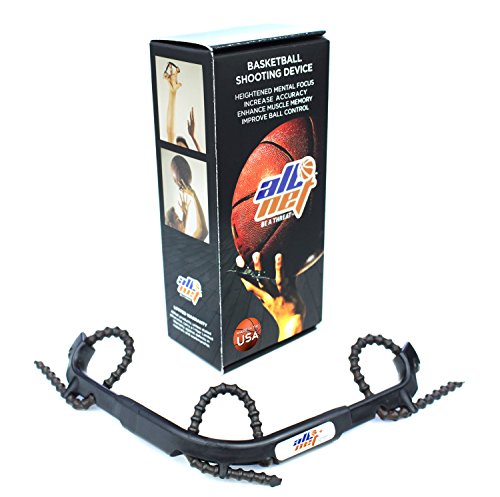
AllNet Basketball Shooting Aid Hoops Training Device
Advanced grip training
Shot correction work

Practical Pick
HOOPSKING Straight Shooter Basketball Aid
Elbow alignment cue
Repeatable shooting form

Editor's Choice
Spalding TF DNA Smart Basketball
Tracking-based practice
Data-minded shooters

Compact Choice
SKLZ Basketball Shooting Trainer Target
Simple rim target
Clean aim practice

Value Pick
CHIWALLO Agility Ladder Speed Training Set
Full-body footwork set
Foot speed drills

Heavy Duty Pick
GoSports Basketball Rebounder with Adjustable Frame
Portable passback work
Solo passing reps
More Details On Our Top Picks
Speed and reaction work usually gets overlooked in basketball practice, and this SKLZ piece fills that gap neatly. Its mixed-color design is easy to spot in a driveway or gym, so the drill stays moving instead of turning into a hunt for the ball.
You’ll get more value from it in short, focused sessions than in a long, casual warm-up. The trade-off is obvious: it sharpens quick hands and response time, but it doesn’t replace shooting reps or ball-handling work.
What We Like
- Supports reaction drills that carry over to steals, loose balls, and closeouts.
- Bright color contrast helps the ball stand out during fast-paced work.
- Compact enough for a backyard, garage, or open gym routine.
- Pairs well with footwork ladders and partner passing drills.
Things To Consider
- It’s a single-purpose aid, so it won’t help much with shooting mechanics.
- Small training gear can be easy to misplace after a session.
- Better suited to short drill blocks than long solo workouts.
Feature Snapshot
Who It Suits Best
Basketball players who want sharper reaction drills in a small practice space will get the most from it.
A Better Fit Elsewhere
GoSports Basketball Rebounder with Adjustable Frame suits solo passback work better, especially for hoopers who want a more basketball-specific wall of reps.
The FlickGlove leans hard into shot mechanics, which makes sense for anyone rebuilding a release from the ground up. The set of three silicone strap resistances gives you a little room to progress, though the learning curve can feel strict at first.
In a backyard shooting session, that kind of guided resistance can keep your wrist action honest and your follow-through cleaner. It’s less about comfort and more about repeated cueing, so newer hoopers may need patience before the motion feels natural.
Highlights
- Built to cue follow-through while you shoot, not just during standstill drills.
- Silicone strap set adds progression across a few resistance levels.
- Useful for form work, and it can also support dribbling reps.
- Helps reinforce backspin mechanics that matter for cleaner touch off the rim.
Minor Gripes
- The strapped feel may take some getting used to during early sessions.
- Form aids like this can feel limiting during casual pickup play.
- Small components deserve tidy storage so the set stays together.
Core Details
Who Should Grab It
Players rebuilding shooting mechanics and coaches guiding structured form drills will get the most from it.
Swap It Out When
SKLZ Basketball Shooting Trainer Target suits you better if you want a simpler visual cue at the rim instead of a hand-worn training aid.
AllNet takes a more old-school training-aid route than the FlickGlove, and that matters for shooters who want direct hand-position feedback. The brand leans heavily into touch, confidence, and cleaner release habits, which makes it a serious practice tool rather than a casual accessory.
That approach fits players who already know their shot feels off but need a repeatable cue to correct it. The honest read is that it’s more demanding than the SKLZ target or GoSports rebounder, so it makes the most sense for focused solo work.
Positives
- Targets touch and release mechanics, which are central to polished shooting.
- Works well for deliberate solo reps in a driveway or quiet gym session.
- Can help keep old habits from creeping back into your form work.
- Patented design details give it a more specialized training identity than a basic rim target.
Soft Spots
- It’s very specific, so it won’t replace full shooting practice.
- The concept may feel abstract at first to newer players.
- Hand-sized training tools are easy to set down and forget after practice.
Details At A Glance
Best Suited To
Serious shooters who want a narrow, form-first aid for correction work will appreciate this one most.
Where A Sibling Pick Shines
Spalding TF DNA Smart Basketball suits you better if you want measurable shooting data instead of a hand-position device.
Compared with AllNet’s more specialized grip work, this HOOPSKING aid sounds aimed at a clearer elbow path and a straighter follow-through. That makes it useful for players who keep drifting across their body on release, especially during repetitive form shots close to the basket.
It’s the sort of tool that fits quiet, high-rep sessions where simple cues matter more than bells and whistles. One thing worth considering is that a direct alignment aid can feel restrictive until your motion settles in.
Upsides
- Built around elbow position and follow-through alignment.
- Encourages a straighter shooting path during form practice.
- Small enough to fit easily into a practice bag.
- Works well for close-range reps before you step back to the arc.
Areas To Watch
- Very focused training tools can feel awkward during the first few sessions.
- It won’t help much with footwork, passing, or conditioning.
- Small accessories need careful packing so they don’t get lost between workouts.
Quick Facts
Built With In Mind
Basketball players correcting elbow flare and messy follow-throughs will get the clearest benefit from it.
Look Elsewhere When
FNBX FlickGlove Basketball Shooting Aid is the better fit for you if you want a broader form tool with multiple strap resistances.
This is the most data-forward pick in the group, and that sets it apart from the fixed form aids above. A smart basketball paired with a training app and a one-year subscription gives you a way to track shooting performance and training metrics, which suits players who like structure and feedback.
For a driveway routine or gym session, that kind of tracking can make practice feel more organized and less random. The trade-off is straightforward: you’re paying for a more connected setup, so it makes the most sense for hoopers who actually want to study their reps.
Reasons To Buy
- Combines a regulation-style ball with app-linked training feedback.
- Tracks shooting performance and practice metrics for a more measured routine.
- Indoor/outdoor use makes it more flexible than a single-location training aid.
- Good fit for players who like seeing progress in a more organized way.
Worth Noting
- It asks more from you than a simple target or strap aid.
- Connected gear usually suits disciplined practice better than casual pickup.
- App-based tools need a bit of setup and ongoing attention.
Core Details
The Right Fit
Data-minded shooters and structured solo trainers are the group most likely to appreciate it.
Another Choice May Suit
SKLZ Basketball Shooting Trainer Target makes more sense for you if you want a simpler, low-tech cue at the rim.
After the smart-ball approach of Spalding, this SKLZ target goes back to something refreshingly simple. The bright yellow 2-inch center point gives you a visual cue to aim at, which can be helpful during repetitive shooting drills in a garage or half court.
Simple gear often works best for players who want fewer moving parts and less setup. The catch is that it trains aiming discipline more than full shot mechanics, so it works best as part of a broader routine.
Best Bits
- 2-inch center target creates a clear visual reference point.
- Black and yellow contrast is easy to spot in typical practice spaces.
- Lightweight design keeps setup quick and uncomplicated.
- Useful for repetition-heavy aiming practice around the hoop.
Room For Improvement
- It focuses on aim, not the rest of the shooting chain.
- Target pieces can be easier to misplace than a larger training aid.
- Works best alongside drills that also address balance and release.
At A Glance
Who Will Love This
Beginners and volume shooters who want a simple rim target for clean repetition will appreciate it most.
Reach For A Different Pick When
AllNet Basketball Shooting Aid Hoops Training Device suits you better if you want a more advanced form-correction tool.
Not every useful basketball training tool touches the ball, and this CHIWALLO set is proof. The 20-foot ladder, cones, jump rope, and running resistance umbrella push foot speed, coordination, and conditioning in a way that carries over to defensive slides and first-step work.
It’s a broader training package than the shooting aids above, so it fits households or teams that want more than one drill style in the box. You may find the set especially handy for youth training, where quick feet and rhythm drills matter just as much as form work.
Standout Traits
- Multiple training pieces support footwork, coordination, and conditioning.
- 20-foot ladder layout gives you room for longer movement patterns.
- Good cross-training option for basketball, soccer, and general fitness.
- Useful for youth sessions that need variety in one kit.
Honest Caveats
- It’s not a basketball-specific skill aid, so shooting work still needs separate gear.
- Several pieces mean more setup and more storage space.
- Outdoor use can mean a little extra wear and cleanup after dusty sessions.
Feature Rundown
Whose Shelf It Belongs On
Teams, youth hoopers, and multi-sport homes that want a broader movement kit will get the most from it.
Where Shoppers Go Wrong
GoSports Basketball Rebounder with Adjustable Frame is the better fit for you if your main goal is passback and ball return practice instead of footwork drills.
Compared with the ladder set, this GoSports rebounder stays closer to actual basketball repetition. The adjustable frame, rubber grip feet, and sandbags point to a steadier passback setup, which suits solo players who want a more realistic return path than a wall bounce.
That steadier feel matters in driveways, garages, and home courts where the setup may need to stay put through repeated reps. The honest read is that it asks for more space than a handheld aid, but it gives you a stronger bridge between practice and game-like passing rhythm.
Plus Points
- Adjustable frame lets you adapt the rebound angle to your drill.
- Rubber grip feet and sandbags add stability during repetitive sessions.
- Portable format keeps it useful for home practice and shared spaces.
- Well suited to solo passing and catch-and-return work.
Small Caveats
- It takes more room than compact shooting aids.
- Setup and repositioning can feel more involved than with a simple target.
- Sandbags and frame parts mean a little more storage after practice.
Technical Sheet
Perfect Match For
Solo hoopers who want more realistic passback practice than a basic target or strap aid will benefit most.
Skip It When
SKLZ Basketball Shooting Trainer Target is the easier choice if you want a smaller, simpler piece of gear for tight practice spaces.
How To Choose The Right Basketball Training Devices
Match The Tool To The Drill
Shooting aids, reaction tools, and footwork kits solve different problems. A form trainer like FNBX FlickGlove or HOOPSKING helps with release habits, while SKLZ Reactive Catch and the CHIWALLO set work more on quickness and movement. The right match depends on the part of your game that needs the most repetition.
That matters more than flashy packaging, because a player who needs clean elbow alignment won’t get much from an agility ladder. Likewise, a travel-heavy team may get more use from a portable rebounder than a hand-worn strap. Focus on the drill first, then the gear follows naturally.
Think About Space And Setup
Driveway shooters usually do better with compact pieces like the SKLZ target or AllNet aid. Larger gear such as the GoSports rebounder needs more room, while the CHIWALLO set spreads out across the floor. Storage matters too, since loose accessories can get buried in a garage pretty quickly.
Setup time changes how often you’ll actually use the tool. Simple items invite short sessions after school or before work, while multi-piece kits make more sense for planned practice blocks. That difference sounds small, but it decides whether the device gets used twice a week or every day.
Look For Feedback You Can Feel
Some gear gives visual feedback, like the SKLZ target, while other items give physical feedback through straps, resistance, or frame position. That choice shapes your learning style. Visual cue gear helps you aim and repeat, while tactile tools can make bad habits feel harder to keep.
Smart gear such as the Spalding TF DNA adds another layer by turning practice into tracked sessions. That suits players who like numbers and structure, but it also asks for more attention than a plain rim target. Pick the kind of feedback you’ll keep using once the novelty wears off.
Plan For Progress, Not Just One Session
Good training gear should still make sense a month later. A beginner may start with a simple aim tool, then move into a strap aid or rebounder once the basics settle in. More advanced hoopers often get the most from combinations, not from a single gadget.
That’s why it helps to think in layers. A footwork set builds movement, a shooting aid shapes mechanics, and a rebounder keeps solo reps flowing. Put those pieces in the right order, and practice starts to feel less random.
What To Weigh Before You Click
Traps First Timers Fall Into
A common mistake is buying a device that looks useful but solves the wrong problem. A rebounder won’t fix a weak release, and a shot-form aid won’t help foot speed. The smarter move is to name the exact habit you want to change before you choose a tool.
Another easy miss is ignoring storage and setup. Multi-piece kits need a place to live, and anything that takes too long to set up tends to stay in the box. Compact tools are usually more practical for busy households.
Why Top Tier Costs More
Higher-tier basketball training devices usually cost more because they add more structure, more materials, or more feedback. A smart basketball like the Spalding TF DNA does a lot more than a plain target, and a rebounder with stabilization parts gives you a stronger practice station than a basic accessory. Those extras add convenience and repeatability.
The upgrade makes sense when you practice often and want more than one kind of signal. Players working toward varsity, travel, or serious offseason habits may value that extra depth. For casual weekend use, a simpler tool often makes better sense and keeps things cleaner.
Final Thoughts
The right basketball training device should solve a real practice problem, not just fill space in a gear bag. For form work, FNBX, AllNet, HOOPSKING, and the SKLZ target keep the focus tight. For movement and solo rep variety, the Spalding smart ball, CHIWALLO set, and GoSports rebounder bring more range. Choose the one that fits how you actually train, and the reps tend to feel more useful from the start.
