Book Appointment Now

8 Best Bats for Little League for 2026
Little League bat shopping gets easier once you match the bat to the hitter’s size, league rules, and comfort at the plate. A lighter drop weight can help a young player get the barrel moving, while a larger barrel can make contact feel less fussy on busy practice days. The right bat should feel easy to control, not like extra work before the swing even starts.
That’s why this roundup leans on real-world fit, not just model names. You’ll see youth baseball and fastpitch options here, plus teeball choices for the youngest hands that are still learning timing and balance.
Quick Look At The Shortlist
PickWhy We Picked ItBest ForAction

Balanced Choice
Easton Cyclone Fastpitch Softball Bat
Field-ready aluminum feel
Young fastpitch players
Performance Leader
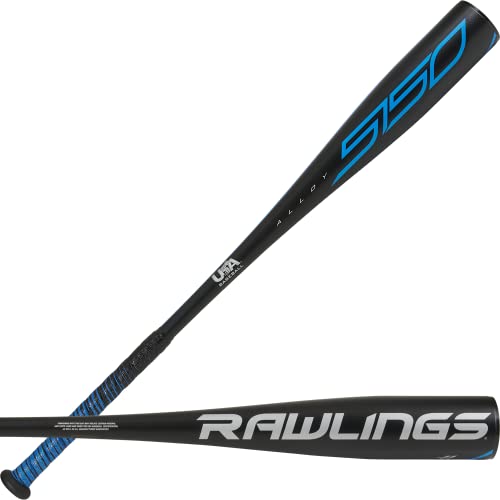
Rawlings 5150 Youth Baseball Bat USA
Big barrel contact help
Growing youth hitters
Budget Friendly
Franklin Sports Kids Venom Aluminum Teeball Bat
Simple tee work option
First swings and drills
Everyday Favorite
Rawlings Remix Baseball Bat USA
Light swing for beginners
Entry-level practice reps

Well Rounded Pick
Rawlings Raptor Youth Baseball Bat USA
Easy all-around youth fit
All-purpose team use

Traveler’s Choice
Easton Sapphire Fastpitch Softball Bat
Light swing confidence
Young fastpitch hitters
Practical Pick
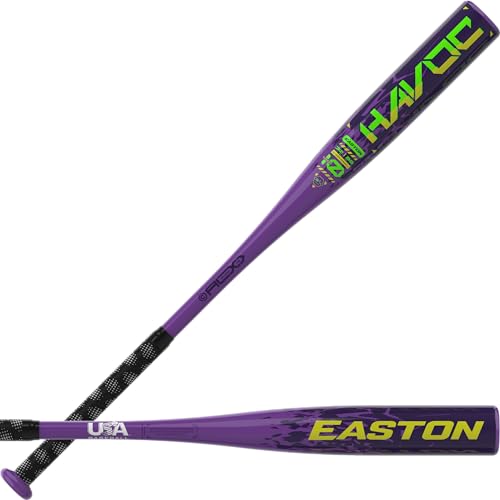
Easton Havoc Baseball Bat USA
Simple aluminum youth bat
Casual practice sessions
More Details On Our Top Picks
The Cyclone sits in that useful middle ground where a youth hitter can keep the bat moving without feeling rushed by the barrel. The one-piece aluminum build keeps the shape straightforward, which helps in cages, on school fields, and in weekend games where a simple, dependable feel matters more than flash.
The -10 drop means the bat’s length-to-weight balance stays friendly for younger fastpitch players who are still building rhythm. The trade-off is that one-piece alloy bats usually feel firmer on contact than multi-piece models, so you’re choosing direct feedback over extra dampening.
Strong Points
- One-piece aluminum construction keeps the swing path direct.
- -10 drop supports easier bat speed for developing hitters.
- Field approval broadens where you can use it.
- Clean, simple build suits routine practice and game days.
Things To Consider
- One-piece alloy can feel stiffer than more layered builds.
- Young players who like a softer contact feel may want another option.
- Basic aluminum finishes can show scuffs from repeated bag storage.
Key Specs
Who It Suits Best
You benefit most here as a young fastpitch player who wants a lighter bat with a direct, no-fuss feel for practice and game reps.
Where A Sibling Pick Shines
Easton Sapphire Fastpitch Softball Bat fits younger hitters who want a similarly light swing but may prefer the newer feel of the Sapphire line.
The 5150 is built for youth hitters who want a bigger barrel under the hands, and that 2 5/8-inch barrel matters because it gives contact a little more room to happen. Compared with the Cyclone, this Rawlings model leans more toward baseball-specific use, and the alloy construction should suit practices where you want a crisp, responsive feel.
The drop options listed on the product page give this line some range, which helps families shop by player size and comfort level. The honest trade-off is that a larger barrel can feel a bit heavier in the batter’s box, so younger players with shorter swings may need time to adjust.
Highlights
- 2 5/8-inch barrel helps create a larger contact window.
- Multiple drop options make fit easier across youth ages.
- One-piece alloy keeps the swing response direct.
- USA stamp suits league-checked youth baseball play.
Minor Gripes
- Larger barrel feel can be harder for very small hands.
- One-piece alloy offers less vibration dampening than layered bats.
- Length and drop need careful matching to the hitter’s size.
Feature Rundown
Made For
This suits youth baseball players who are moving past the tiniest beginner gear and want a bat with a larger barrel and more defined baseball feel.
A Better Fit Elsewhere
Rawlings Remix Baseball Bat USA works better for an entry-level player who wants a lighter, more approachable swing than the 5150’s bigger-barrel setup.
This one makes sense for the very first swings, where contact quality matters more than raw power. In a teeball setting, the aluminum build keeps the bat familiar and low-maintenance, and that helps during repeated practices when gear gets tossed into bags, dugouts, and car trunks.
The product page points to a kid-friendly aluminum bat, which usually means easy handling for small hands and a simple, durable shape. The trade-off is that a basic teeball bat rarely brings the refined feel of pricier youth baseball models like the Rawlings 5150 or Easton Havoc.
Positives
- Teeball format suits early skill-building drills.
- Aluminum construction keeps upkeep straightforward.
- Kid-friendly handling helps new players stay relaxed at the plate.
Small Caveats
- It’s more basic than multi-use youth baseball bats.
- Players moving into harder hitting may outgrow it quickly.
- Plain aluminum surfaces can pick up scuffs with regular use.
Details At A Glance
Whose Shelf It Belongs On
You fit this bat best as a parent or coach outfitting a new teeballer who needs something uncomplicated for early reps.
Swap It Out When
Easton Moxie T-Ball Bat is a smarter match for families that want a lighter-feeling teeball option with the -13 drop and 2 1/4-inch barrel.
The Remix feels aimed at early youth baseball work, especially for ages 10 and under, and the ultra-light drop weight is the point that matters most. That lighter balance can help a child move the bat with less drag, which is useful on practice nights when timing still changes from swing to swing.
Compared with the 5150, this one is easier to picture in the hands of a newer hitter who needs confidence more than barrel size. The trade-off is that a very light bat can feel less substantial once a player starts generating better bat speed and wants a more connected contact feel.
Upsides
- Ultra-light balance supports fast swing speeds.
- Entry-level focus suits young players learning fundamentals.
- One-piece aluminum keeps the build easy to care for.
Points To Note
- Very light bats can feel small once skill level climbs.
- Better suited to younger hands than stronger youth hitters.
- Simple aluminum construction brings a firmer contact feel.
Core Details
Best Suited To
You suit this model best as a family shopping for a young beginner who needs a light, uncomplicated youth baseball bat.
Look Elsewhere When
Rawlings Raptor Youth Baseball Bat USA gives a more all-around youth baseball feel for players who want something a bit more general-purpose than the Remix.
Easton gives the youngest hitters a very light tee-ball option here, and the -13 drop is the detail that stands out most. That kind of balance can help tiny hands keep the barrel moving, especially in backyard practice sessions where confidence matters more than hard contact.
The 2 1/4-inch barrel is smaller than the 5150’s 2 5/8-inch shape, so this model feels more tailored to early tee work than to later youth baseball progression. The trade-off is plain enough, it’s built for early learning, not for a player who has already moved well beyond the tee.
Reasons To Buy
- -13 drop helps keep the bat light in small hands.
- 2 1/4-inch barrel suits tee-ball contact drills.
- One-piece aluminum keeps the setup and care simple.
- Multiple styles can help match a child’s preference.
Areas To Watch
- Smaller barrel feels specialized for tee-ball rather than broader baseball use.
- Very light build may feel too limited as a child grows.
- Aluminum can show wear marks with regular transport.
At A Glance
Built With In Mind
This fits young tee-ball players who need the lightest, easiest swing path possible for early lessons and park practices.
Another Choice May Suit
Franklin Sports Kids Venom Aluminum Teeball Bat is the simpler place to start for families who want a basic, straightforward tee-ball bat.
The Raptor reads like a plainspoken youth bat, and that can be a good thing for team practices or a season where one bat needs to cover a lot of ground. The -10 setup gives it a familiar balance point, which many younger players find easier to manage than a heavier youth model.
Compared with the Remix, this model looks a bit less specialized for absolute beginners and a bit more ready for everyday youth baseball use. The honest trade-off is that the listing gives you fewer detail layers to lean on, so fit really comes down to your player’s size and comfort with a standard aluminum bat.
Positives
- -10 balance is a familiar youth baseball starting point.
- One-piece aluminum keeps the feel direct and simple.
- Works well for regular team practice sessions.
Worth Noting
- Less specialized than bats with bigger barrel details.
- Very detail-light listing leaves more fit judgment to you.
- Aluminum builds often show cosmetic wear over time.
Feature Snapshot
The Right Fit
You suit this bat best as a family needing a dependable youth baseball option for a player who already handles a standard -10 feel comfortably.
Reach For A Different Pick When
Rawlings 5150 Youth Baseball Bat USA makes more sense for a hitter who wants the larger 2 5/8-inch barrel and extra drop flexibility.
The Sapphire leans into easy handling, and that matters for young fastpitch hitters who need a bat that feels friendly right away. Compared with the Cyclone, it gives you another -10 fastpitch option, but the newer listing language around easy handling makes it sound especially suited to confidence-building swings.
That lighter feel should help in lessons, travel games, and long practice afternoons where repeat swings can wear on smaller players. The trade-off is simple enough: easier handling usually means you’re prioritizing control and comfort over a more forceful, heavy-contact feel.
Bright Spots
- Lightweight feel helps young hitters square up more pitches.
- -10 drop keeps the bat easy to move.
- One-piece alloy keeps the swing path straightforward.
- All-fields approval broadens where it can be used.
Softer Spots
- Light bats can feel less forceful on contact.
- One-piece alloy typically brings a firmer hand feel.
- Simple construction may not suit players seeking extra dampening.
Quick Facts
Who Should Grab It
This fits you best as a fastpitch family wanting a light bat that helps a young hitter stay relaxed and on time.
Skip It When
Easton Cyclone Fastpitch Softball Bat is the better lane for families who want a similar fastpitch setup but with a more established Cyclone profile.
The Havoc keeps things straightforward, which is useful for families who want a youth bat that doesn’t ask for much explanation. A 2 1/4-inch barrel and -10 drop give it a familiar beginner-to-intermediate feel, and that balance can work nicely during casual practice or regular team reps.
Compared with the Raptor, this one looks more narrowly baseball-focused and a bit more streamlined in feel. The trade-off is that a smaller barrel can feel less forgiving than the 5150’s larger contact zone, so confidence at the plate matters here more than barrel volume.
Plus Points
- 2 1/4-inch barrel suits a traditional youth feel.
- -10 drop keeps swing weight approachable.
- One-piece aluminum makes maintenance easy.
- Good fit for routine practice and league use.
Room For Improvement
- Smaller barrel leaves less room for off-center contact.
- Very simple build may not suit players wanting extra dampening.
- Basic aluminum finish can pick up marks from regular storage.
Core Details
Who Will Love This
You fit this bat well as a youth baseball family that wants a no-frills aluminum model for regular practice and entry-level league use.
Not Your Match When
Rawlings 5150 Youth Baseball Bat USA is the stronger fit for a hitter who wants a larger barrel and more flexibility in drop options.
How To Choose The Right Bats For Little League
Match The Bat To The League And Age Group
Little League shopping starts with the rule set, because a bat that feels good in the driveway can still miss the mark on league day. USA bats, fastpitch bats, and teeball bats are built for different young players, so the first job is to line up the product type with the sport and age band.
The biggest mistake is chasing a bigger barrel or a lighter swing without checking whether the bat belongs in the right category. A tee-ball player usually needs a simple, light model like the Franklin Sports Kids Venom Aluminum Teeball Bat or Easton Moxie T-Ball Bat, while a youth baseball player may be better served by the Rawlings 5150 or Easton Havoc.
Think About Drop Weight And Barrel Size Together
Drop weight is the difference between bat length and bat weight, and it changes how heavy the bat feels in motion. A more negative drop, such as -13 or -11, usually feels easier to move, while a smaller negative number can feel more substantial and sometimes more controlled for stronger kids.
Barrel size matters too, because a 2 5/8-inch barrel gives more hitting surface than a 2 1/4-inch barrel. That’s useful for developing contact, but a bigger barrel can also feel bulkier in smaller hands, so the right choice depends on strength, grip comfort, and how long the player can keep the barrel in the zone.
Choose Materials For The Feel You Want
One-piece aluminum and alloy bats tend to give a direct, crisp feel, which many youth players find easier to read on contact. They also stay easy to care for, since they don’t ask much beyond normal cleaning and basic storage.
The trade-off is that simpler metal builds often feel firmer at impact than more layered designs. That’s why a player who wants a straightforward, confidence-building bat may love the Rawlings Raptor or Easton Sapphire, while a hitter chasing a softer feel may prefer to keep shopping for a more cushioned structure.
Pick For The Player, Not The Label
Age, hand size, swing speed, and practice frequency matter more than a flashy model name. A younger player who only needs backyard reps can do well with a lighter, easier-to-handle bat, while a child playing regular team baseball may benefit from a model with a larger barrel and a more stable swing feel.
For most families, the sweet spot is a bat that feels easy on day one and still usable a few months later. That balance is why the Rawlings Remix works for beginners, the Rawlings 5150 suits players ready for a bigger barrel, and the Easton Cyclone or Sapphire fits fastpitch families who want lightweight handling without extra complexity.
Things Worth Knowing First
Common Shopping Slip Ups
A lot of families focus on length alone and ignore drop weight, which can leave a young hitter swinging a bat that feels heavy through the zone. Another common miss is buying a barrel size that looks impressive on paper but feels awkward in a small grip.
You also want to avoid mixing up tee-ball, youth baseball, and fastpitch categories. The right shape for one league can feel wrong in another, and that mismatch usually shows up the first time a child steps in with the bat and hesitates before swinging.
What The Higher Tier Buys
Higher-priced bats in this category usually use more refined alloy shaping, a better balanced swing profile, or a barrel design that helps with contact confidence. Those details matter most for players who are practicing often and can tell the difference between a bat that just works and one that feels easier to trust.
That extra spend makes the most sense for a player who is moving past casual use and wants a bat to grow with them for a while. For early tee-ball, a simpler option often does the job, but a youth baseball player with regular reps may appreciate the steadier feel of the Rawlings 5150 or Easton Havoc.
Final Thoughts
You’ve got a solid spread here, from teeball starters to youth baseball and fastpitch options that fit different ages and swing strengths. The best choice is the one that matches the league, feels easy in the hands, and gives the player room to swing without thinking too hard. For early hitters, that usually means light and simple. For more developed youth players, a larger barrel and a more defined bat weight can make the difference between a rushed swing and a confident one.
