Book Appointment Now

6 Best Beginner BMX Bikes for 2026: Easy Starts for Young Riders
Choosing a first BMX-style bike is mostly about confidence, fit, and a frame that won’t feel twitchy the first time a kid rolls down the driveway. The six picks below cover smaller children, older beginners, and even teens or adults who want a simple single-speed setup for park laps or neighborhood riding.
Some lean toward stability with training wheels or coaster brakes, while others feel more like true freestyle bikes with hand brakes, pegs, and tougher frames. That spread makes it easier to match the bike to the skill level, not just the age on the box.
Quick Look At The Shortlist
PickWhy We Picked ItBest ForAction

Everyday Favorite
Huffy 20″ Kids Bike
Simple, sturdy starter feel
Young first-time riders

Performance Leader
XJD Freestyle BMX Bike 20 Inch
Freestyle-ready steel build
Older beginner riders

Compact Choice
cubsala Kids Bike BMX Style Training Wheels
Balanced early-learning setup
Smaller kids learning balance

Refined Pick
JOYSTAR Brockway Freestyle Kids BMX Bikes
More room to grow
Kids moving past basics

Upgrade Pick
Hiland 24 26 inch BMX Bike
Teen and adult fit
Older riders, simple setup
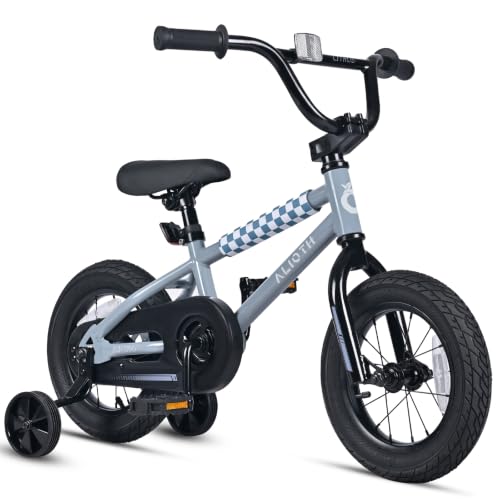
Practical Pick
BMX Style Kids Bike Training Wheels 20” Bicycle
Growth-friendly starter setup
Families wanting flexibility
More Details On Our Top Picks
Huffy keeps this one in the friendly, no-drama lane, which suits a first neighborhood bike well. A rugged steel frame gives it the kind of solid feel many families want for driveway loops and short rides to the park, while the 20-inch size keeps it in the familiar beginner range for younger kids.
The trade-off is plain: you get a straightforward kids bike, not a trick-focused BMX setup. That makes it a sensible match for families who want a reliable starter that feels steady rather than sporty, and the variety of designs helps it land better with kids who care about the look as much as the ride.
What We Like
- Steel frame suits regular neighborhood use.
- 20-inch size fits early riding stages well.
- Multiple style options make selection easier.
- Simple setup suits families short on time.
Things To Consider
- Not built for freestyle tricks or ramps.
- Best for younger kids, not taller beginners.
- Owners should expect basic upkeep like chain checks and tire inflation.
Feature Snapshot
Who It Suits Best
Young kids who need a steady first bike for casual riding will get the most out of this Huffy.
A Better Fit Elsewhere
XJD Freestyle BMX Bike 20 Inch suits an older beginner who wants a more BMX-leaning setup with a tougher street feel.
This XJD leans much closer to the BMX look and feel than Huffy’s gentler starter bike. The steel frame, single-speed layout, and 20-inch wheel size make it a clean fit for kids who are past the wobblier stage and want something that feels ready for parks, driveways, and basic freestyle moves.
One thing worth considering is the no-pegs setup, since that keeps the bike simpler but trims the trick-friendly extras some kids expect. For many families, that’s actually the point, because a lighter, less cluttered bike is easier to learn on and easier to keep tidy in the garage.
Reasons To Buy
- Steel frame adds a tougher everyday feel.
- Single-speed setup keeps riding simple.
- 20-inch size suits older kids well.
- Good fit for street and park use.
Worth Noting
- No pegs, so trick options stay limited.
- Less suited to very small beginners.
- Regular brake and tire checks still matter for routine upkeep.
Core Details
Who Will Love This
Older kids who want a simple freestyle-style bike without a lot of extras will feel at home here.
Where A Sibling Pick Shines
JOYSTAR Brockway Freestyle Kids BMX Bikes makes more sense for families who want size choices and a bike that can grow with a child a bit longer.
cubsala takes the most child-friendly path in this group, especially for kids who still need help with balance. Training wheels and a coaster brake, which stops the bike by pedaling backward, make it easier for young beginners to focus on steering instead of managing hand controls right away.
That extra support comes with a trade-off, because this bike is more about early confidence than BMX progression. For toddlers and younger kids, though, that’s exactly the right trade, and the adjustable seat helps it stay usable as leg length changes.
Bright Spots
- Training wheels help new riders settle in.
- Coaster brake keeps stopping simple.
- Adjustable seat supports longer use.
- Several size options help with fit.
Softer Spots
- Less BMX-like than the freestyle picks above.
- Training wheels add bulk for storage.
- Best for early balance work, not tricks.
Details At A Glance
Right Fit For
Kids just starting out, especially those who need steady balance help, will get the most value from this cubsala.
Look Elsewhere When
Huffy 20″ Kids Bike suits a child who is already ready to ride without training wheels and wants a simpler next step.
JOYSTAR gives you more range than the smaller kids bikes, and that matters once a child starts growing fast. The 20-inch and 24-inch wheel options make this a more flexible pick for families who want a BMX-style bike that can stay relevant beyond the very first riding season.
Compared with the simpler Huffy, this one feels more purpose-built for kids who are moving toward freestyle play, yet it still keeps the beginner label in view. The honest read is that the extra sizing flexibility helps most when you want a bike that won’t feel outgrown too quickly.
Positives
- Two wheel sizes broaden fit options.
- Freestyle layout suits growing skill levels.
- Good bridge between starter and sportier use.
- Useful for kids who grow quickly.
Areas To Watch
- Size choice takes a little more care.
- Less approachable than training-wheel bikes.
- Frequent rider checks help keep setup comfortable.
Quick Facts
Built With In Mind
Kids who are ready for a more grown-up BMX feel, but still need a beginner-friendly setup, are the sweet spot here.
Swap It Out When
cubsala Kids Bike BMX Style Training Wheels suits younger children who still need balance support before moving into freestyle riding.
Hiland is the step up for taller riders who want a BMX bike that feels less toy-like and more like a real neighborhood or park machine. The 24-inch and 26-inch sizes open the door to teens and adults, and the single-speed setup keeps the whole thing easy to live with.
Compared with JOYSTAR’s kids-focused sizing, this one is the better fit once height and reach start to matter more than age alone. The catch is that larger wheels and a more grown-up frame make it a poor match for small children, so fit matters here more than style.
Best Bits
- Two larger sizes suit older riders.
- Single-speed setup keeps use straightforward.
- Two pegs add freestyle flexibility.
- Works for teens and adults alike.
Small Caveats
- Too large for younger beginners.
- Less forgiving if the sizing is off.
- General chain and brake care still applies.
Feature Rundown
The Right Fit
Teen and adult riders who want a basic BMX bike with a larger frame will get the best match here.
Where Another Pick Suits Better
XJD Freestyle BMX Bike 20 Inch is the more sensible choice for older kids who still need a smaller, easier-to-manage frame.
This vollsch bike sits in an interesting middle zone because the listing spans several sizes, yet the 20-inch version uses a kickstand instead of training wheels. That makes it more flexible for a family that wants one product family for different ages, though the ride setup changes depending on the size you choose.
For kids just getting started, the training-wheel versions are easier to live with, while the 20-inch option suits a child who already has some balance and wants a more independent feel. It’s a practical setup, but you’ll want to pay close attention to which size you’re selecting so the bike matches the stage of learning.
Highlights
- Multiple sizes help across age ranges.
- Kickstand adds everyday convenience on the 20-inch version.
- Works for families planning ahead.
- Good for gradual skill progression.
Room For Improvement
- Setup changes by size, so selection needs care.
- Less straightforward than a single-size bike.
- Children moving fast through growth stages may outgrow one size sooner.
Core Details
Whose Shelf It Belongs On
Families wanting a flexible kids bike line with room to move through different stages will make the most of this one.
Not Your Match When
cubsala Kids Bike BMX Style Training Wheels is the easier call for very young beginners who need balance help right away.
How To Choose The Right Beginner Bmx Bikes
Fit Comes Before Flash
Wheel size and rider height matter more than decals or color. A 20-inch bike usually suits younger kids who are moving beyond balance bikes, while 24-inch and 26-inch sizes start serving taller teens and adults better.
That sizing choice shapes confidence fast, because a bike that feels too tall or too cramped can make learning clumsy. For most families, the safest path is matching the bike to current height, not hoping for a dramatic growth spurt.
Brake Style Changes The Learning Curve
Coaster brakes stop the bike by pedaling backward, which feels simple for younger children. Hand brakes, by contrast, ask for more control and finger strength, but they prepare a rider for more BMX-style handling.
The trade-off is obvious in this category. Coaster brake bikes feel easier at first, while hand-brake setups give more room to grow once the basics are already in place.
Frame And Tire Feel Shape Confidence
Steel frames show up often here because they add a sturdier, more planted ride feel. That extra heft can be useful in parking lots, driveways, and neighborhood streets, even though it usually makes the bike less nimble than lighter builds.
Wider tires help too, since they usually add grip and a calmer ride over rough pavement or packed dirt. Kids heading toward park riding tend to benefit most from that steadier feel.
Match The Bike To The Stage Of Learning
Training wheels make sense for the earliest stage, while pegs and a single-speed layout make more sense once balance and steering are already comfortable. A bike that tries to do everything often does none of it especially well.
That’s why the shortlist splits cleanly between early learners and older riders. Once you know the stage, the rest becomes a simpler decision.
What To Weigh Before You Buy
Hidden Buying Traps
Size mismatch is the biggest slip-up here, especially when a listing covers several wheel sizes at once. A child can outgrow a bike quickly, yet the wrong size still feels awkward on day one.
Another common miss is choosing a trick-style bike for a child who still needs stability. Balance support, brake style, and frame height matter more than a BMX label alone.
The Upgrade Payoff
Higher-tier bikes usually spend more on larger size ranges, tougher frame construction, and extra setup choices such as pegs or multiple wheel options. That extra cost also tends to buy a more precise fit, which matters a lot once riding gets faster and less forgiving.
The upgrade makes sense when the rider is tall, growing quickly, or already comfortable enough to want a more serious BMX feel. For a younger child still learning balance, the extra hardware can be unnecessary weight rather than useful value.
Frequently Asked Questions
What size works best for a first BMX bike?
For younger kids, 12- to 20-inch bikes usually make the most sense. Taller teens and adults generally need 24-inch or 26-inch sizes.
Are training wheels worth choosing?
They help a child focus on steering and stopping before balance becomes second nature. They’re less useful once the rider is already comfortable rolling on two wheels.
Do coaster brakes make learning easier?
Yes, because pedaling backward to stop feels natural for many small children. Hand brakes add more control, but they also ask for more practice.
Is a steel frame a good sign?
Steel usually points to a sturdier, more planted ride feel. The trade-off is extra weight, which matters more for smaller kids carrying or parking the bike.
Which bike works best for teens?
Hiland 24 26 inch BMX Bike fits teens better than the kid-sized picks. Its larger wheel options give older riders a more natural position.
Closing Thoughts
A good beginner BMX bike feels steady before it feels exciting, and that’s the right order for learning. Huffy and cubsala make sense for younger kids, XJD and JOYSTAR suit children ready for a more BMX-like ride, and Hiland steps in once size starts to matter more than age. vollsch is the flexible middle-ground option for families thinking ahead. Pick the frame that matches the rider today, and the rest of the learning curve gets a lot smoother.
