Book Appointment Now

8 Best Beginner Hook Bowling Balls for 2026
Hook bowling balls can feel confusing at first, especially when the coverstock, core shape, and finish all push the ball in different directions. You want something that helps you learn control without making every lane miss feel bigger than it needs to. This roundup focuses on eight models that make sense for newer hook bowlers, from polyester spare balls to stronger performance pieces that leave room to grow.
Some of these choices are calm and easy to live with, while others ask more from your release and lane reads. The right fit depends on how soon you want to move past straight shots, how often you bowl, and how much ball motion you want to manage.
Quick Look At Our Shortlist
PickWhy We Picked ItBest ForAction

Performance Leader
Hammer Black Widow 3.0 Bowling Ball
Strong backend motion
Confident hook learners

Well Rounded Pick
Storm Phaze II Bowling Ball
Controlled mid-lane shape
All-around league growth

Everyday Favorite
Storm Tropical Surge Bi-colored Recreational Bowling Ball
Easygoing entry shape
Casual hook practice

Feature Rich
Hammer Black Widow 2.0 Hybrid Bowling Ball
Length plus strong finish
More lane read

Balanced Choice
Hammer Arctic Vibe Bowling Ball
Smooth versatile motion
Growing technique

Premium Pick
MOTIV Jackal Onyx Bowling Ball
Heavy hook potential
Advanced speed matchups

Compact Choice
ELITE Star Polyester Bowling Ball
Straight-shooting control
Spare practice
More Details On Our Top Picks
The Black Widow 3.0 sits at the stronger end of this list, so it suits a new hook bowler who already wants a ball with bite downlane. Hammer’s Black Widow line usually signals a more assertive reaction, and that matters in league nights where carry control starts to matter more than just finding the pocket.
The trade-off is simple, stronger motion asks for cleaner speed control and a steadier release. For a bowler moving up from a straighter ball, that can feel like a big step, but it also gives room to grow instead of outgrowing the ball in a season.
Strong Points
- Built for noticeable hook shape, which helps you learn how a ball changes angle through the pins.
- The Black Widow family is familiar to many league bowlers, so the reaction profile feels easy to place in a bag.
- Works well as an early performance step for someone who wants more backend motion without jumping to the wildest option.
- Useful in higher-friction house conditions where a stronger ball can keep carrying through the pocket.
Things To Consider
- It can ask more from your timing than a polyester or milder entry ball.
- Storage and upkeep matter more here, since stronger reactive balls usually reward regular cleaning.
- Brand-new hook bowlers may find it a bit much on short or very dry lanes.
Feature Rundown
Who It Suits Best
You get the most from this ball when you already want to work on real hook shape and lane carry, not just straight spare shooting.
Where A Sibling Pick Shines
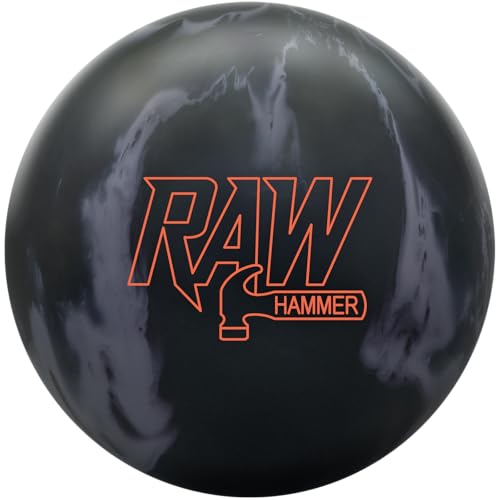
Hammer Raw Bowling Ball is the easier ramp-up for newer bowlers who want a gentler first performance option before moving into the Widow line.
The Phaze II is the calm, controlled choice in this lineup, and that makes it useful for newer hook bowlers who want shape without chaos. Its package size, listed at 21.59 by 22.86 by 22.86 cm, matters less as a lane detail than as a reminder that you are dealing with a standard performance ball, not a compact spare ball.
Compared with the Black Widow 3.0, this one reads more like a steady middle ground than a pure power statement. In a typical house shot, that steadier shape can help you learn when your hand position or speed is changing the line.
What We Like
- Controlled motion helps you see lane response without feeling buried by a violent backend.
- Strong enough to teach real hook reactions while staying approachable for developing technique.
- Its shape works well for league nights where predictability matters more than flashy movement.
- The listed package dimensions point to a normal full-size bowling ball package, which fits standard pro-shop handling.
Room For Improvement
- Very dry lanes can make a controlled reactive ball read sooner than you want.
- It still asks for decent release consistency, so it is not as forgiving as polyester.
- Regular surface care helps keep the reaction predictable over time.
Core Details
Made For
This suits a newer hook bowler who wants a dependable league ball that shows clear lane reaction without feeling extreme.
Another Choice May Suit
Storm Tropical Surge fits better for casual bowlers who want a friendlier first step before moving into the stronger and more precise Phaze II.
The Tropical Surge leans gentler than the Phaze II, and that makes it appealing for casual sessions, family bowling nights, or anyone still learning how much axis rotation changes ball motion. Its package dimensions, plus the 4.967 kg package weight, show you are dealing with a standard full bowling ball setup.
Because it comes across as recreational first, you can expect a friendlier learning curve than with the stronger performance picks above it. In a busy center with varying lane conditions, that softer personality can be a relief, though it does mean less built-in power than the Widow line.
Highlights
- More approachable shape for newer hook bowlers who do not want a jumpy reaction right away.
- Bi-colored styling gives it a little personality without changing how it sits in the bag.
- The full package weight makes it feel like a normal lane-day pickup for a standard bowling ball.
- Good choice for learning control before moving to a more demanding reactive core.
Minor Gripes
- It is a recreational-leaning option, so advanced hook bowlers may outgrow it quickly.
- The gentler motion can feel underpowered on heavier oil patterns.
- Keeping the surface clean helps, especially when you bowl often on house lanes.
Feature Card
Whose Shelf It Belongs On
This belongs with casual bowlers and newer hook learners who want a more relaxed ball to build confidence with.
Skip It When
Storm Phaze II makes more sense for you once you want a stronger lane read and a clearer step into performance bowling.
The Black Widow 2.0 Hybrid sits in a useful middle zone, because it mixes more length with a sharper finish than the Black Widow Ghost line it is compared against. That hybrid motion suits a developing hook bowler who already has repeatable release shape and wants the ball to store a little energy before turning.
Hammer also uses the Gas Mask core here, which matters because core shape drives how the ball wants to roll through the lane. The honest read is that this one asks for more skill than the entry picks, but it gives a cleaner path into stronger performance once your form gets steadier.
Reasons To Buy
- Hybrid coverstock behavior gives you a useful mix of front-lane length and backend motion.
- The Gas Mask core is a known shape in the Black Widow family, so it has a familiar personality.
- Good step-up option for bowlers who have moved beyond a basic starter ball.
- The stronger stored energy can help carry when your line is dialed in.
Softer Spots
- It is not as forgiving as a beginner-friendly polyester or milder reactive ball.
- Dryer lanes can make the sharper backend feel a little abrupt.
- Surface care and cleaning matter, especially with a stronger reactive shell.
Technical Sheet
Best Suited To
This is a strong fit for hook bowlers who already know they want more bite and are ready to manage a livelier reaction.
Look Elsewhere When
Hammer Raw Bowling Ball is the easier entry point for newer bowlers who want to learn reactive motion without jumping straight to a sharper finish.
The Raw line is the easiest performance-minded place to start in this group, because it comes in solid, hybrid, and pearl versions that suit different styles. That flexibility matters for a new hook bowler, since your release and lane feel may still be changing from week to week.
The symmetrical core shape keeps the reaction more straightforward than the heavier hitters above it. For someone stepping off a house ball, that can feel like getting the training wheels off without throwing you straight into the deep end.
Plus Points
- Multiple coverstock options make the line useful for different lane conditions and swing styles.
- The symmetrical core shape supports a cleaner, easier-to-read motion for developing bowlers.
- Good first performance ball for someone ready to learn more than just straight spare shooting.
- The 2-year limited manufacturer’s warranty adds a practical layer of confidence around ownership.
Small Caveats
- You still need a little release control, so it is not fully effortless for true first-timers.
- Different versions in the line are made for different motion shapes, which can make selection feel tricky.
- Reactive covers usually benefit from regular cleaning to keep the read consistent.
Spec Overview
Right Fit For
This works best for newer hook bowlers who want a first performance ball that can grow with changing technique.
A Better Fit Elsewhere
Storm Tropical Surge suits a more casual starting point, especially for someone who wants a softer lane reaction before moving into performance resin.
The Arctic Vibe sits between friendly entry motion and a more serious league shape, which is why it stands out for bowlers who are still polishing timing. The Snow/Purple two-tone look is just styling, of course, but the real interest is the HK22 base coverstock with CT Max Hybrid additives, which is built for smoother strength through the lane.
Compared with the Raw, this one leans a touch more polished out of the box thanks to its 500, 1000, 1500 Siaair Micro Pad finish with Crown Factory Compound on top. You may find that combination especially useful on typical house conditions, where a controlled but still lively ball reaction can make learning easier.
Best Bits
- The Vibe core has a long track record for versatile motion.
- Hybrid cover behavior gives you smooth length with enough continuation to matter.
- The finish is set up for a cleaner push through the fronts before it starts working.
- Good fit for bowlers who want a responsive ball without jumping to a very aggressive shell.
Areas To Watch
- More polished surfaces can still skid a lot on very dry lanes.
- The stronger shape may feel like more ball than a pure spare shooter needs.
- Keeping the finish in shape helps preserve the motion you expect.
Details At A Glance
Built With In Mind
You get the most from this ball when you want a smoother bridge from beginner work into more controlled league play.
Reach For A Different Pick When
Hammer Raw is the softer step for bowlers who want to keep the first performance move as simple as possible.
The Jackal Onyx is a serious move into stronger hook territory, and the listing’s own wording makes that plain with its focus on maximum hook and relentless power. That makes it a better fit for bowlers who already understand their release and want the ball to answer with authority, not hesitation.
In a league bag beside the Phaze II or Arctic Vibe, this one sits as the more forceful choice. The trade-off is that stronger motion can be less forgiving on drier lanes, so the honest read is that newer hook bowlers may admire it more than they need it.
Upsides
- Built for very strong hook potential, which suits bowlers chasing a heavy, confident lane move.
- Good match for more powerful throwers who need the ball to keep driving through the pins.
- Stands apart from the easier entry picks by offering a clearly more aggressive personality.
- Can make sense as a later-stage upgrade once basic hook control is already in place.
Honest Caveats
- It can be too much ball for first-time hook bowlers.
- Lane friction matters a lot here, especially in drier environments.
- Stronger motion usually means you need cleaner repeatability to keep the reaction in check.
Core Details
Who Will Love This
You’ll appreciate this most if you already know your release and want a demanding ball with a lot of lane presence.
Swap It Out When
Storm Phaze II is the safer step for bowlers who want strong reaction without jumping into the deepest end of the power pool.
Polyester still matters in a hook-focused roundup because the easiest way to learn lane management is with something that stays straighter than a reactive ball. This ELITE Star is pitched as a beginner entry option, and the basic drilling and engraving choices make it feel more personalized than a plain spare shell.
For spare shooting, straight bowlers, or absolute newcomers, that simpler motion is often the point. It will not give you the hook shape of the Hammer or Storm performance balls above it, and that is exactly why it makes sense as a calmer tool for practice nights.
Positives
- Polyester cover helps the ball stay straighter, which is ideal for spare shooting.
- Beginner-friendly setup makes it easier to focus on form instead of managing a strong hook.
- Customization options can make the ball feel more personal right from the start.
- A cleaner straight-line reaction is helpful on nights when you just want repeatable spare work.
Points To Note
- It is not built to create the bigger hook motion that reactive models provide.
- Hook-focused bowlers may outgrow it once they start chasing stronger lane motion.
- As with most polyester balls, the value is in consistency more than flashy ball movement.
At A Glance
The Right Fit
This suits beginners, spare shooters, and straight bowlers who want a predictable ball instead of a heavy hooking shape.
A Better Fit Elsewhere
Hammer Raw is the clearer next step for anyone ready to move from straight shooting into real reactive performance.
How To Choose The Right Beginner Hook Bowling Balls
Match The Ball To Your Current Release
A beginner hook ball should match the release you can repeat, not the one you hope to have in six months. Polyester stays straighter and keeps spare shots simple, while reactive coverstocks add motion that rewards cleaner timing and hand position.
The real question is how much motion you can manage without losing the pocket on easy house lanes. A milder ball like the Storm Tropical Surge or Hammer Raw gives you room to learn, while stronger models such as the Black Widow 3.0 ask for more control from the start.
Coverstock And Core Shape Matter More Than Flash
Coverstock is the outer shell, and it does most of the lane reading. Polyester is smoother and less reactive, hybrid shells sit in the middle, and pearl or polished finishes usually push a ball farther before it hooks.
Core shape is the weight block inside the ball, and it helps decide how the ball rolls through the lane. Symmetrical cores, like the Raw line, usually feel easier to read, while stronger core-and-cover pairings can feel like a quick step up in reaction.
Think About Your Lane Environment
House lanes with moderate friction often reward medium-strength balls more than extreme ones. A ball that hooks too early can feel hard to trust, especially during practice nights or casual league play.
Dry lanes call for more restraint, while heavier oil can justify a stronger piece like the MOTIV Jackal Onyx or Hammer Black Widow 2.0 Hybrid. In a typical bowling center, a smoother all-rounder often gives you the most useful lessons.
Plan For Growth, Not Just The First Month
Your first hook ball should be easy enough to learn with, but it should also leave room for progress. That is why many newer bowlers do well with a controlled reactive ball before jumping to a very strong move.
If you want one ball to carry you from practice to league night, look for a shape you can predict and repeat. If you want a spare tool first and a hook ball later, a polyester option like the ELITE Star is the cleaner place to begin.
Things Worth Knowing First
Wrong Turns To Avoid
One common mistake is buying too much ball too soon. A very aggressive shell can make early games feel messy, especially on dry house lanes where the reaction starts early and keeps going.
Another trap is forgetting that spare shooting matters. A ball that hooks beautifully can still be awkward for straight spare lines, which is why a polyester option still earns a place in serious bags.
The Upgrade Payoff
Higher-tier balls usually cost more because the coverstocks, core shapes, and finishing steps are built for more exact lane response. That extra work shows up in how the ball stores energy, reads friction, and carries through the pins.
The upgrade makes sense once you can repeat your speed and target line with some consistency. At that point, a stronger model like the Phaze II, Arctic Vibe, or Black Widow series can give you more useful feedback than a simple starter shell.
Closing Thoughts
You do not need the strongest ball in the group to start learning hook bowling well. What you need is a shape that matches your current release, your local lanes, and how quickly you want to progress. For many bowlers, that means starting with something calmer and moving up once the motion feels familiar. Pick the ball that makes your next practice session easier to understand, and the rest tends to fall into place.
