Book Appointment Now

Best Bicycle Electric Motor Kits for 2026
You want more climb help, smoother starts, or a cleaner upgrade path without turning your bike into a science project. These Bicycle Electric Motor Kits cover very different needs, from compact scooter motors to full mid-drive conversion setups, so the right fit depends on your frame, braking setup, voltage needs, and how much build work you’re comfortable handling.
That’s where this roundup helps. You get a practical comparison of parts that suit daily commuting, garage builds, and higher-output conversions, with the trade-offs called out plainly so you can match the kit to your bike instead of forcing the bike to match the kit.
The Shortlist At A Glance
PickWhy We Picked ItBest ForAction
Compact Choice
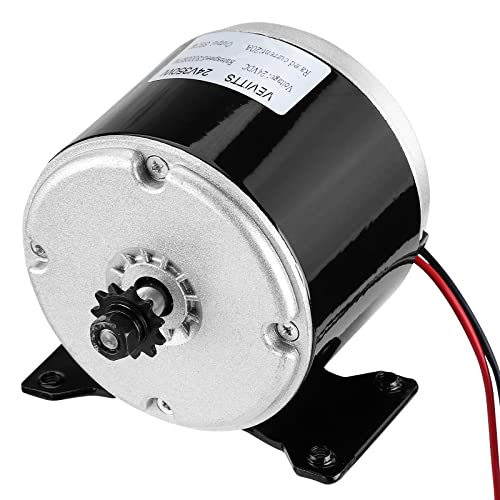
Vevitts Small Brushed Permanent Magnet Electric Motor 24V 350W
Simple compact power
Light scooter builds

Practical Pick
L-faster Common Bike Left Chain Drive
Built around brake fit
V-brake bike swaps

Performance Leader
Kunray Electric Brushless DC Motor Kit 48V 2000W
High-output package
Fast DIY builds

Balanced Choice
CSBST 24V 36V 48V Ebike Controller Kit 500W
Controller-focused upgrade
Replacement projects

Top Pick
BAFANG BBS02B BBS-HD Mid Drive Conversion Kit
Full-bike conversion depth
Serious road conversions
More Details On Our Top Picks
This compact brushed motor fits the kind of scooter or small electric build where space matters as much as output. The aluminum body, copper winding, and air-cooled design point to a straightforward, no-frills setup, and the reversible rotation can help match a wider range of drive layouts.
You may find it especially useful for a lightweight commuter or a garage repair project where 24V systems are already part of the plan. The trade-off is clear, though, because a 350W motor is aimed at modest power needs rather than heavy, all-day hauling.
Strong Points
- 24V, 350W sizing suits smaller scooter-style builds.
- Brushed DC design keeps the setup familiar for simple projects.
- Aluminum housing helps with everyday wear resistance.
- Copper coil construction supports steady power delivery in short runs.
- Reversible rotation gives you more installation flexibility.
Things To Consider
- Best suited to lighter-duty use, not larger cargo-style projects.
- Brushed motors usually bring more maintenance than brushless designs.
- You’ll want to match voltage and controller settings closely.
Feature Snapshot
Who It Suits Best
Weekend tinkerers and scooter owners working with a compact 24V platform will get the most from this motor.
Where A Sibling Pick Shines
Kunray’s Electric Brushless DC Motor Kit 48V 2000W fits riders who want much more speed and a more complete performance-oriented setup.
This kit is all about brake compatibility, which sounds minor until your frame says otherwise. It’s meant for bikes using a rear V-brake, so it suits a conventional rim-brake build better than a disc-brake or coaster-brake setup.
The honest read is that it can make a sensible conversion path for the right bike, but the fit may require frame work on your side. That puts it ahead of some more generic kits for purpose-built rim-brake bikes, while making it less friendly for a casual swap on a mixed-component frame.
What We Like
- Clear V-brake focus makes compatibility easier to judge.
- Works well as a dedicated left-chain-drive concept for geared bikes.
- Good match for riders converting a standard rim-brake commuter.
- Less guesswork than a broad, vague universal listing.
Room For Improvement
- Not suited to disc-brake or coaster-brake bikes.
- Frame bracket changes may be part of the install.
- You may need to confirm fit with photos before committing.
Core Details
Whose Shelf It Belongs On
Riders with a geared bike and a rear V-brake who want a conversion path with a defined brake layout will get the most from this option.
Swap It Out When
CSBST’s 24V 36V 48V Ebike Controller Kit 500W makes more sense for you if your current build needs controller replacement rather than a chain-drive conversion.
Compared with the smaller Vevitts motor, this Kunray setup aims much higher and looks far more suited to a serious DIY build. The brushless DC motor, 48V input, and included controller plus LCD throttle point to a package that’s meant to feel more complete on a scooter or compact motorcycle-style project.
You may appreciate the brushless layout because it usually means less wear from brush contact, and the aluminum body with copper coil helps signal a more durability-minded build. The trade-off is that 2000W class power asks for more careful matching of battery, controller, and frame space, so this is better for experienced builders than first-timers.
Upsides
- 48V, 2000W output is aimed at stronger acceleration and higher load tolerance.
- Brushless design reduces the usual brush-wear concern.
- Controller and LCD throttle are included for a more complete conversion path.
- 4300 RPM rated speed suits performance-focused builds.
- T8F 11-tooth sprocket gives you a defined chain interface.
Points To Note
- Power level makes fit and setup more demanding.
- Higher-output parts usually need tighter battery matching.
- Not a casual swap for a basic commuter frame.
Details At A Glance
Built With In Mind
DIY builders who want stronger acceleration and a more complete motor-plus-controller package will get the most from this kit.
Another Choice May Suit
BAFANG’s BBS02B BBS-HD Mid Drive Conversion Kit fits riders who want a more integrated bicycle conversion path instead of a scooter-style high-output motor setup.
This one reads like a control-system refresh rather than a full motor overhaul. The 24V, 36V, and 48V support gives you some flexibility, and the LCD display makes it more useful for riders who want clearer feedback from the cockpit.
That flexibility matters most on an older e-bike or scooter that needs a controller replacement without a full rebuild. The catch is that controller kits are only as useful as the motor and wiring they’re paired with, so a neat installation and correct match to your hardware matter a lot.
Best Bits
- Multiple voltage support broadens compatibility.
- LCD display improves everyday ride information.
- Good fit for replacement or upgrade work.
- Brushless controller design suits quieter running.
Softer Spots
- You still need the right motor match for the rest of the system.
- Controller swaps can involve careful wiring work.
- Not the right answer for a full power jump by itself.
Quick Facts
The Right Fit
Riders replacing a worn controller or refining a modest e-bike build will get the most value from this kit.
Look Elsewhere When
Vevitts’ Small Brushed Permanent Magnet Electric Motor makes more sense for a compact 24V scooter project that needs the motor itself, not just the controller side.
This BAFANG kit is the most complete conversion path in the group, especially for riders turning a normal bike into a serious assisted ride. The mid-drive layout places the motor at the bottom bracket, which usually helps keep weight centered and makes the bike feel more natural on climbs than a hub-style setup.
You get a wider fit story too, with support for 68mm, 100mm, and 120mm bottom brackets, plus optional display and battery choices. The trade-off is build complexity, because this is the sort of kit that rewards careful measurement and a patient install, not a rushed weekend guess.
Highlights
- Mid-drive layout suits hill work and balanced handling.
- Multiple power options give you room to tune the build.
- Supports common bottom bracket sizes across many bike styles.
- Accessory bundle reduces the need to source every part separately.
- Optional display and battery choices add setup flexibility.
Areas To Watch
- Install planning matters more here than on simpler kits.
- Bottom bracket size must be checked before you start.
- More parts can mean more time spent on cable routing.
Feature Rundown
Perfect Match For
Experienced DIY cyclists who want a centered mid-drive conversion for road, city, hybrid, or recumbent frames will get the most from this kit.
Reach For A Different Pick When
CSBST’s 24V 36V 48V Ebike Controller Kit 500W makes better sense for a rider who only needs a controller-and-display refresh instead of a full mid-drive build.
How To Choose The Right Bicycle Electric Motor Kits
Match Power To The Frame
Motor output should start with the bike, not the other way around. A 24V, 350W scooter motor suits lighter builds, while a 48V, 2000W package belongs on a sturdier project with room for wiring, battery, and controller placement.
Think about where the motor lives, too. Mid-drive kits sit near the bottom bracket and usually help with balance on hills, while smaller chain-drive or controller-only parts fit narrower jobs and less ambitious rebuilds.
Check Brake And Drivetrain Fit First
Brake style can make or break the install. The L-faster kit is built for rear V-brake bikes, so disc-brake and coaster-brake frames need a different path.
Chainline, sprocket size, and bracket space matter just as much. A well-matched kit reduces awkward modifications, and that’s usually the difference between a clean conversion and a garage project that drags on.
Pick The Control Level You Actually Need
Some setups give you a motor, controller, and display in one move, while others focus on a controller replacement or a single drive component. For a worn e-bike that still has a good motor, the CSBST controller kit is more sensible than a full conversion.
For a fresh build, a bundled kit can save a lot of separate part hunting. The trade-off is complexity, so the more complete the package, the more you’ll want to confirm connector types, voltage, and frame room before starting.
Choose By Riding Style, Not Just Wattage
Higher wattage sounds exciting, but it only helps when it fits the kind of ride you actually do. Commuters on short routes often care more about smooth starts and dependable control than raw output.
Riders tackling hills, carrying heavier loads, or building a faster DIY machine usually benefit from the stronger mid-drive or 2000W class options. For simple neighborhood use, the smaller brushed motor can make more sense and save you from overbuilding the bike.
What To Weigh Before You Buy
Hidden Buying Traps
Frame fit gets overlooked most often, and that’s where problems start. Bottom bracket width, rear brake type, and available mounting space all need to line up with the kit you want.
Cable routing is another easy miss. A tidy install depends on enough room for the controller, throttle, display, and battery connections, not just the motor itself.
The Upgrade Payoff
Higher-tier kits usually cost more because they bring stronger motors, fuller accessory bundles, and more adaptable fit ranges. A BAFANG mid-drive, for example, asks for more upfront attention, but it also gives you a much more integrated conversion path.
That extra spend makes sense when you want better hill handling, broader compatibility, or fewer parts to source separately. For a simple commuter refresh, though, a controller kit or compact motor may be the smarter use of budget and time.
Final Thoughts
Your best match depends on the kind of build sitting in front of you right now. Compact scooter conversions lean toward the Vevitts motor, brake-specific bike projects point to L-faster, and riders chasing a more complete e-bike conversion will get the most from the BAFANG mid-drive kit. Keep your frame, voltage, and braking setup in view, and the right choice gets much easier to spot.
