Book Appointment Now

8 Best Block Archery Targets for 2026: Built for Real Practice
You need a target that fits how you actually shoot, not just how it looks on a product page. Some block-style picks are better for fast arrow removal and portable practice, while others lean into broadhead use, heavier build quality, or more aiming faces for longer sessions.
This roundup keeps those differences front and center. You’ll see which models suit backyard tune-ups, crossbow practice, travel to the range, or steadier field-point work, so your setup feels practical instead of fussy.
Quick Look At The Shortlist
PickWhy We Picked ItBest ForAction
Balanced Choice
Morrell Yellow Jacket Dual Threat Foam Archery Target Block
Broad bow compatibility
Mixed bow practice

Top Pick
Rinehart 18-1 Archery Target
Many faces, easy carrying
Portable all-around use

Practical Pick
Morrell Supreme Range Adult Field Point Archery Bag Target, White
Scored practice focus
Form work and aim

Performance Leader
Delta McKenzie Speedbag 20" Archery Field Point Bag Target
High-speed field-point use
Serious practice sessions

Traveler’s Choice
Morrell Super Duper Field Point Bow Targets Archery Block Bag, Yellow
Portable block-bag build
Moving between ranges

Compact Choice
VEVOR Archery Target Block
Lightweight carry convenience
Short range sessions

Feature Rich
Delta McKenzie Speedbag Revolver 6-Sided Archery Target
Six faces, high contrast
Extended practice variety
More Details On Our Top Picks
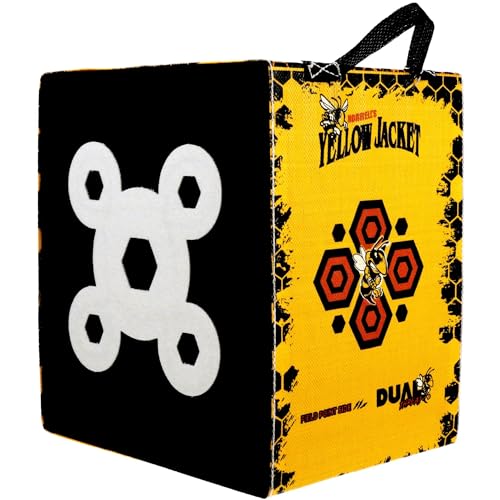
That four-sided layout matters more than it sounds, because you get multiple faces before one area feels worn out. The fused cellular foam should suit regular backyard sessions, and the offset bullseyes help keep aim points clear without making the target feel busy.
Compound bow and crossbow shooters get the most from it, especially when arrow speed is part of the equation. For most home ranges, the 350 FPS stopping claim gives the target a useful middle ground between casual practice and harder use, though the all-foam build still asks for sensible storage out of wet weather.
What We Like
- Four usable sides stretch practice time before you need to rotate the target.
- 32 bullseyes give you plenty of aim points for drills and sight work.
- Fused cellular foam helps the target hold shape through repeat shots.
- Works across bow types, which keeps it flexible for mixed setups at home.
Things To Consider
- Foam targets usually need dry storage to stay in better shape.
- The size and weight profile may feel less convenient than a carry-handle cube.
Feature Snapshot
Who It Suits Best
You’ll get the most out of it as a compound or crossbow shooter who wants a durable foam target for steady backyard work.
Where A Sibling Pick Shines
Rinehart 18-1 Archery Target fits better for you if carry convenience and many shooting faces matter more than a foam block profile.
An 18-sided target gives you a lot of usable real estate, so your practice stays fresh longer. That makes this Rinehart a sensible step up for anyone who gets bored rotating the same face too often, and the lightweight handle keeps it easier to move than bulkier cube-style picks.
Broadhead and field-point compatibility widens its use case, though broadhead-friendly targets still reward careful shot placement and realistic expectations about wear. For hunting camp, club practice, or a backyard lane that gets packed up often, the mix of portability and face count feels especially practical.
Upsides
- Eighteen faces give you more room to spread out wear.
- Broadhead and field-point compatibility adds useful range for real practice.
- The carry handle helps you move it without much fuss.
- Works in the backyard, at camp, or at the club.
Minor Gripes
- Multiple faces help, but sharp broadhead use still shortens target life over time.
- The cube shape can take up more shelf or floor space than a slimmer bag target.
Core Details
Made For
You’ll like this most as a portable all-purpose target for camp, range days, or a backyard setup that gets moved often.
A Better Fit Elsewhere
Delta McKenzie Speedbag Revolver 6-Sided Archery Target suits you better if you want a more compact cube with high-contrast aiming faces.
Delta keeps things simple, and that can be a good thing in a busy yard or a shared practice space. The big draw here is that the target is shootable on all sides, so you can rotate through fresh faces instead of working one patch into the ground.
Integrated handles make transport less awkward, which helps if you move gear from garage to range to backyard. Field-point and broadhead compatibility also broadens its usefulness, though the plain branding and limited source detail mean you should treat it as a straightforward workhorse rather than a feature-heavy showpiece.
Bright Spots
- All-side shooting keeps practice from feeling repetitive too quickly.
- Built-in handles help when you need to carry or reposition it.
- Field-point and broadhead compatibility widens the target’s use.
- Its simple layout suits straightforward practice without extra clutter.
Areas To Watch
- Source details are sparse, so you get less guidance on long-term setup fit.
- The minimal product naming makes it harder to compare at a glance.
At A Glance
Who Should Grab It
You’ll appreciate this most as a simple all-around practice target for home use, range work, or a spare setup.
Look Elsewhere When
Morrell Yellow Jacket Dual Threat Foam Archery Target Block fits you better if you want a more fully described foam block with a stronger focus on high-speed use.
A bag target like this feels especially sensible for field-point work, because the flat surface and scoring rings keep practice focused. Morrell’s NASP scoring layout helps you build repeatable aim habits, and the nucleus center with IFS technology suggests a more concentrated center zone for repeated practice shots.
For beginners and more experienced archers alike, the weatherproof build matters most in a garage, shed, or outdoor lane that doesn’t stay perfectly sheltered. The trade-off is that a bag target is less forgiving for broadheads than a dedicated broadhead-friendly block, so this one makes more sense for field-point form work than mixed-arrow experimentation.
Reasons To Buy
- NASP scoring rings give you a clear practice layout.
- The nucleus center helps concentrate your aiming routine.
- Weather-ready construction suits outdoor storage better than many indoor-only targets.
- Good for form work, distance drills, and repeatable shot placement.
Softer Spots
- Bag targets are usually best kept in field-point routines.
- The white face can show marks quickly, so a tidy look may need more upkeep.
Details At A Glance
Best Suited To
You’ll get the best fit here as a field-point shooter who wants structured scoring practice in a garage, yard, or club setting.
Another Choice May Suit
Delta McKenzie Speedbag 20" Archery Field Point Bag Target is a stronger match for you if you want a higher-speed field-point bag with more aggressive practice focus.
This is the pick that leans hardest into serious field-point practice. The 525 FPS claim gives you a sense of how much speed the design is built around, and the dual-sided aiming points help you keep practice focused without chewing through one spot too quickly.
It works with compound bows, recurves, and crossbows, so it covers a wide range of setups in one lane. Easy arrow removal matters in daily use because nobody wants to spend extra time prying arrows out after a session, though a target aimed at hard use usually comes with a stiffer feel and a more substantial footprint.
Best Bits
- Built for fast field-point shooting, which suits demanding practice schedules.
- Dual-sided aiming points help spread wear across both faces.
- Easy arrow removal makes cleanup after sessions less of a chore.
- Works with compound, recurve, and crossbow setups.
- High-density material is a sensible match for repeated practice.
Room For Improvement
- The harder-use build may feel more substantial than casual shooters need.
- Field-point focus keeps it from being a broadhead-first choice.
Quick Facts
The Right Fit
You’ll like this most as a serious field-point target for regular practice, especially in a mixed-bow household or training space.
Skip It When
Morrell Supreme Range Adult Field Point Archery Bag Target makes more sense for you if your practice stays centered on scored bag-target work and outdoor weather exposure.
Portability is the main reason this Morrell lands here, and the block-bag shape suits archers who move between garage, range, and field. The yellow finish also makes the target easier to spot from a distance, which is handy in a busy practice space or a yard with a lot going on.
The source data is light, so the honest read is that this works best as a straightforward portable field-point target rather than a spec-heavy one. High-speed compound and crossbow shooters may still like the general target style, but the lack of detail means you should focus more on fit and less on feature count.
Highlights
- Portable block-bag format makes transport easy.
- Yellow color improves visibility in mixed outdoor settings.
- Good choice for moving practice between locations.
- Simple layout keeps setup and storage uncomplicated.
Small Caveats
- Very little source detail means fewer confirmed performance specifics.
- The basic information set makes long-term fit harder to judge.
Feature Card
Built With In Mind
You’ll get the best fit here as a shooter who values portability and a target that’s easy to spot outdoors.
Reach For A Different Pick When
Delta McKenzie Speedbag 20" Archery Field Point Bag Target is the stronger choice for you if high-speed field-point use matters more than portability alone.
VEVOR goes after portability first, with a 16 x 18 x 11 inch footprint and a 6.8-pound weight that make it easy to move around. That kind of size helps in smaller backyards or quick after-work practice sessions, and the carry handle keeps the whole setup from feeling awkward.
The note about using bows under 45 pounds is important, because this target clearly leans toward lighter setups rather than hard-driving rigs. Great visibility and easy arrow removal are useful in day-to-day use, but the caution against broadheads means you should stay within the intended field-point lane.
Standout Traits
- Compact size makes transport and storage easier.
- Light weight helps when you move gear often.
- Carry handle is handy for range bags and short trips.
- Great visibility supports quick aiming in dimmer outdoor spaces.
- Easy arrow removal suits casual practice sessions.
Points To Note
- Best suited to bows under 45 pounds.
- Broadheads and anchorheads are specifically ruled out by the source note.
- The compact size can feel small for archers who like a larger face area.
Technical Sheet
Whose Shelf It Belongs On
You’ll like this most if you shoot lighter bows and want a compact target for short practice sessions or easy transport.
Swap It Out When
Morrell Yellow Jacket Dual Threat Foam Archery Target Block makes more sense for you if you need broader bow compatibility and a foam block built for harder use.
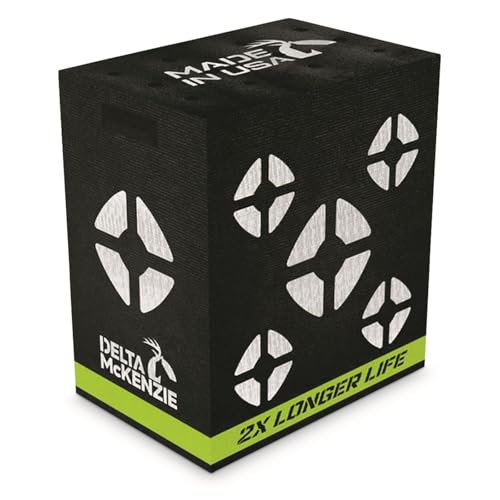
This Revolver model feels like the most feature-dense cube in the group, especially with six shootable sides and high-contrast graphics. The calibration grids give you a cleaner reference point for aim work, which matters during repetitive practice because small visual cues can keep your form more disciplined.
The 450 FPS rating and the 12 x 12 x 12 inch cube size make it a good match for compound, recurve, and crossbow practice in a compact lane. It has a more structured feel than the simpler Delta pick earlier in the list, though the narrow cube shape means you’ll want enough room for stable placement.
Plus Points
- Six shootable sides stretch out target life across more faces.
- High-contrast graphics help the aiming areas stand out quickly.
- Calibration grids support cleaner sight work and repeatable practice.
- Compact cube sizing fits smaller shooting spaces.
- Works with compound, recurve, and crossbow setups.
Worth Noting
- The cube shape may feel small if you prefer a larger target face.
- A denser feature set usually means a more specific setup fit.
- It still works best as a field-point practice target, not a broadhead-first option.
Core Details
Perfect Match For
You’ll get the most value from this as a compact, structured practice target for mixed bow types and tighter shooting areas.
Where Shoppers Go Wrong
Rinehart 18-1 Archery Target is the more forgiving pick for you if extra faces and easier transport matter more than a compact cube format.
How To Choose The Right Block Archery Targets
Face Count, Size, And Where You’ll Shoot
Face count changes how long the target stays useful before one section starts to look worn. A 4-sided block like the Morrell Yellow Jacket gives you enough rotation for regular practice, while an 18-sided cube such as the Rinehart 18-1 spreads wear across far more surfaces.
Size matters just as much as face count. Compact targets such as the VEVOR block fit tighter yards and easier storage spots, while larger or denser units make more sense in a dedicated practice corner.
Arrow Type And Speed Support
Field-point targets and broadhead-friendly targets solve different problems, so match the target to the arrows you use most. The Morrell Supreme Range leans into field-point scoring, while the Rinehart 18-1 and Delta picks accept broader arrow use, which helps in mixed setups.
Speed ratings matter for compound and crossbow users because faster shots can demand tougher target construction. A higher figure, like the 525 FPS claim on the Delta McKenzie Speedbag, points to a more demanding practice setup than a lighter, compact block.
Portability Versus Staying Power
Carrying a target to and from a range can get old fast, so handles and lower weight are worth paying attention to. The VEVOR’s 6.8-pound build and the Rinehart 18-1’s carry handle both suit shooters who move gear often.
Heavier, denser targets usually trade convenience for more confident use over repeated sessions. That trade works well for a fixed backyard lane, but it feels less appealing for camping trips or quick after-work pack-ups.
Practice Style And Maintenance
Clean arrow removal saves time and keeps practice flowing, especially during longer sessions. Bag targets and high-density block styles often help here, while foam models can feel more forgiving on retrieval depending on arrow setup and shot placement.
Storage still matters. A target kept dry and out of harsh weather usually stays in better shape, and that simple habit matters more than flashy features for long-term ownership.
A Quick Reality Check Before You Choose
Mistakes Worth Dodging
One common mistake is matching the target to the wrong arrow type. A field-point bag target is a poor fit for broadhead-heavy practice, while a broadhead-capable block can feel more forgiving for mixed use.
Another easy miss is ignoring size and storage space. A compact cube like the VEVOR suits smaller spots, but a larger or denser target can overwhelm a garage shelf or crowded range bag.
The Upgrade Payoff
Higher-tier targets usually cost more because they offer more usable faces, denser materials, clearer aiming graphics, or broader arrow compatibility. Those extras matter most for archers who shoot often and want the target to hold up through more repeated sessions.
The upgrade makes sense when your practice is steady and specific, especially with faster bows or a mix of compound, recurve, and crossbow use. For occasional weekend shooting, a simpler target can make more sense and keep the setup less fussy.
Frequently Asked Questions
What makes a block archery target different from a bag target?
A block target usually gives you multiple faces and thicker foam-style construction. A bag target stays flatter and is often better for straightforward field-point practice.
Can you use broadheads on every block target?
No, broadhead compatibility varies by model. Check the listing carefully, because some picks here are built for field points only.
What size target works best for a backyard lane?
Compact models suit smaller yards and easier storage. Larger or multi-face targets work better when you have room to leave them set up.
Why do some targets list FPS ratings?
FPS means feet per second, a measure of arrow speed. Higher ratings usually point to targets built for faster bows and harder use.
How should you care for a block archery target?
Keep it dry and store it out of harsh weather when possible. Rotating faces and avoiding shot patterns in the same spot also helps stretch usefulness.
Closing Thoughts
Your best choice depends on how you shoot, where you store gear, and whether you care more about portability or repeated use. The Morrell Yellow Jacket and Delta McKenzie Speedbag Revolver suit archers who want more structured practice, while the Rinehart 18-1 and VEVOR picks make more sense for easy carrying. Field-point shooters should pay special attention to the Morrell Supreme Range and Delta Speedbag models, because those lean into more focused practice styles. Match the target to your routine, and your sessions will feel a lot smoother.
