Book Appointment Now

8 Best Bow and Arrow Sights for 2026: Clearer Aiming for Real Use
Picking the right sight changes how steady your bow feels at full draw and how quickly you can settle on a target. Some setups favor simple pin layouts for close and mid-range shots, while others lean into slider adjustments or add-on lighting for dim woods or range work. The eight picks below cover those different jobs without pretending one setup fits every hunt or practice session.
Quick Look At Our Shortlist
PickWhy We Picked ItBest ForAction
Editor's Choice
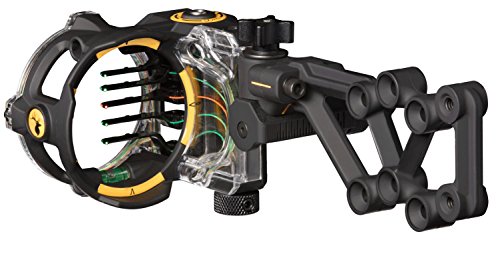
Trophy Ridge React H5 Bow Sight 5 Pin
Easy tuning with five pins
Versatile hunting setup

Value Pick
Truglo Storm G2 Archery Sight
Simple blacked-out profile
Budget-minded archers

Feature Rich
Safari Choice Archery Hunting LED Bow Sight Light
Three-step light control
Low-light sight users
Performance Leader
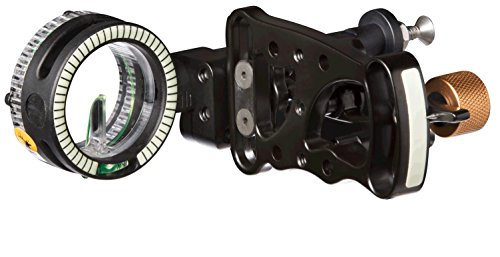
Trophy Ridge Drive Slider Bow Sight
Slider-style distance control
Long-range tuning

Practical Pick
MidTen Crossbow Bow Archery Red Laser Bore Sight
Fast bore alignment aid
Crossbow setup work
Refined Pick
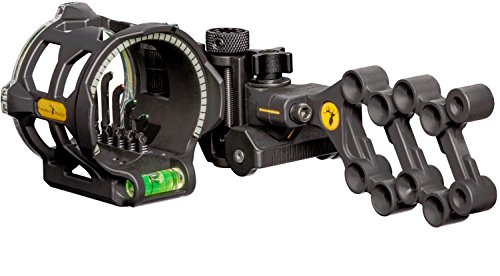
Trophy Ridge Peak 5 Pin Bow Sight
In-line pin layout
Cleaner sight picture
Balanced Choice
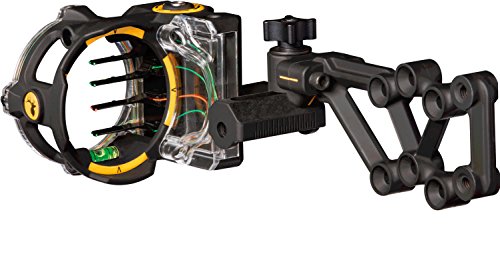
Trophy Ridge React H4 Bow Sight 4 Pin
Four-pin everyday balance
Simple hunting setups

Well Rounded Pick
Archery Essential Accessory Upgrade Combo 5-pin Bow Sight
All-in-one accessory bundle
Starter bow refresh
More Details On Our Top Picks
Five pins give you a familiar, low-stress layout for tree-stand mornings or practice sessions at the range. The tool-less windage and elevation setup saves time at the bow press, and the second-axis leveling helps keep the sight picture honest on uneven ground, though that kind of adjustability asks for a little patience during setup.
For most hunters who want a sight that stays practical across several distances, this is an easy model to understand and maintain. The adjustable click light is a nice touch for dim conditions, but you still need to keep the housing clean and the pin view uncluttered for the best feel.
Strong Points
- Five-pin layout keeps common distances ready without constant re-aiming.
- Tool-free adjustments help you fine-tune the setup without extra fuss.
- Second-axis leveling supports steadier alignment on sloped terrain.
- Adjustable click light helps the pins stand out in lower light.
Things To Consider
- Five pins can feel busy to archers who prefer a cleaner single-pin sight picture.
- The added adjustment range rewards careful setup, so it is not the most casual option.
- Light parts and lenses need normal cleaning to stay clear in the field.
Feature Snapshot
Who It Suits Best
Bowhunters who want a dependable multi-pin setup for changing distances will get the most from this sight.
A Better Fit Elsewhere
Trophy Ridge Drive Slider Bow Sight suits you better if you prefer one moving aiming reference and expect to spend more time refining distance marks.
The Storm G2 keeps things straightforward, which matters more than people sometimes admit. A black finish makes it easy to blend into a darker rig, and the no-frills approach suits casual target sessions or a backup bow that does not need extra complexity.
Compared with the Trophy Ridge models above, this one looks built for simplicity rather than loaded adjustments. That makes it a sensible fit for a beginner setup, though you may want a more feature-rich sight once you start wanting finer control over alignment and pin management.
What We Like
- Plain layout keeps the learning curve mild for newer archers.
- Black finish works well on a low-profile rig.
- Simple construction can mean less to fuss over during upkeep.
Room For Improvement
- It does not bring the adjustment depth found on the Trophy Ridge options in this list.
- Archers who like a more feature-heavy sight may outgrow it sooner.
- The minimal spec sheet leaves less room for tailoring the setup.
Core Details
Who Will Love This
Beginners and casual target archers who want a simple, low-drama sight will feel comfortable here.
Another Choice May Suit
Trophy Ridge React H4 Bow Sight 4 Pin fits you better if you want more aiming points without jumping to a full five-pin layout.
This is less a full sight and more a helpful add-on for making pin visibility easier to manage. The three brightness steps let you tailor the glow for dusk, overcast mornings, or indoor range work, and the 3/8-32 thread gives it a common mounting style across several sight brands.
That broad fit is useful, especially beside the fixed sights in the first two picks, but it also means you need to confirm compatibility with your exact setup. For archers who already like their sight and just want a clearer pin view, this is the kind of small accessory that earns its keep without changing the whole rig.
Highlights
- Three brightness levels make the glow easier to match to the light around you.
- The common thread size works with several named sight families in the listing.
- It improves pin visibility without replacing your existing sight body.
- Useful for practice, late evenings, or shaded stands.
Small Caveats
- You still need a compatible threaded sight, so fit matters before anything else.
- Battery-powered accessories add another part to store and keep track of.
- It helps visibility, but it does not change the aiming system itself.
Feature Card
Whose Shelf It Belongs On
Archers who already own a compatible sight and want clearer pin visibility in lower light will get the most from this accessory.
Skip It When
Trophy Ridge Peak 5 Pin Bow Sight is the better route for you if you want the whole aiming system in one unit instead of an add-on light.
A slider sight changes the feel of the entire shot process because you are moving a single aiming point instead of juggling multiple fixed pins. The adjustable indicator pin is the key here, and it makes sense for archers who like fine distance work, especially on open ground or at a range with longer lanes.
Compared with the React H5 and H4, this one trades pin count for a more distance-focused approach. The honest read is that it asks for more deliberate setup, but that same setup can reward you with a cleaner sight picture once you settle into it.
Positives
- Slider-style aiming suits longer-range practice and careful distance dialing.
- The adjustable indicator pin gives you a precise point of reference.
- Cleaner sight picture can feel less crowded than multi-pin options.
- Good fit for archers who enjoy tuning their equipment methodically.
Points To Note
- Slider systems usually ask for more setup time than fixed-pin sights.
- It can feel like extra work for quick, close-range shooting.
- Keeping the moving parts clean helps the adjustment feel consistent.
Quick Facts
Right Fit For
Archers who spend time dialing distances and prefer a cleaner, more deliberate aiming setup will appreciate this model.
Where Another Pick Shines
Trophy Ridge React H5 Bow Sight 5 Pin suits you better if you want multiple fixed aiming points for faster, everyday use.
Crossbow setup often goes faster with a laser bore sight, because it gives you a direct visual reference instead of making you guess where the bolt path starts. This model uses a red laser and arrives already adjusted at the factory, which should make initial alignment less fussy for someone sighting in at home or at the range.
It also runs on batteries and has no on-off switch, so the storage routine matters a bit more than with a purely mechanical sight. That trade-off is easy enough to live with for crossbow owners who want a faster setup aid, but it is not the pick for someone who wants a permanent sighting system on the bow.
Upsides
- Red laser gives you a direct visual cue during alignment.
- Factory adjustment can shorten the early sighting process.
- Works for bow, crossbow, and threaded bow use as listed.
- Battery bundle means you can get started without hunting for extras.
Areas To Watch
- The no-switch design means you need to remove batteries after use.
- Laser tools help with alignment, but they do not replace a finished sight setup.
- Fit matters, so threaded compatibility should be checked before purchase.
At A Glance
Made For
Crossbow owners who want a fast alignment aid for initial sighting work will get the most from this tool.
Look Elsewhere When
Trophy Ridge Drive Slider Bow Sight suits you better if you want a permanent aiming unit rather than a laser setup aid.
The Peak leans into a vertical in-line pin layout, which can make the sight picture feel more orderly than a spread-out cluster. Add the tool-less windage and elevation adjustments, and you get a setup that suits archers who want five pins without giving up a tidy view.
Compared with the React H5, this version pushes the visual layout a little harder toward clarity, and the glow ring plus rheostat light give you more control over how the pins show up. For hunters who like a clean front end on the bow, that balance is appealing, though it still asks for the usual care around light and visibility parts.
Best Bits
- Vertical in-line pins can keep the sight picture less cluttered.
- Tool-less adjustment helps with practical setup changes.
- Second-axis leveling supports steadier alignment on uneven terrain.
- Rheostat light lets you fine-tune pin glow to the conditions.
- Glow ring adds a helpful visual cue around the sight area.
Softer Spots
- The added light controls mean a little more setup and maintenance.
- Five pins still demand some attention from archers who prefer minimal clutter.
- Accessories with lights need normal battery care and storage discipline.
Technical Sheet
Best Suited To
Hunters who like five pins but want a cleaner-looking sight face will appreciate this model most.
Another Choice May Suit
Truglo Storm G2 Archery Sight suits you better if you want a more stripped-back setup with less to manage.
The H4 sits in a useful middle ground: fewer pins than the H5, but still enough reference points for a practical hunting setup. Tool-less windage and elevation adjustment keeps setup approachable, and the second-axis leveling helps when you are shooting on uneven ground or from awkward angles.
That makes it a natural fit for archers who want a stable, everyday sight without stepping into the more involved slider style. You may find the four-pin layout easier to read at a glance, though it will not give you the same distance-by-distance flexibility as the Drive Slider.
Reasons To Buy
- Four pins strike a nice balance between simplicity and coverage.
- Tool-less adjustment supports quicker setup changes.
- Second-axis leveling helps on slanted terrain and odd shooting angles.
- Good bridge between beginner comfort and more serious use.
Worth Noting
- Four pins still take some getting used to compared with a single-pin design.
- It does not offer the same long-range adjustment style as a slider sight.
- Keeping pin spacing clear matters for quick target reads.
Details At A Glance
The Right Fit
Archers who want a practical four-pin sight that stays easy to read and tune will feel at home with this one.
Reach For A Different Pick When
Trophy Ridge Peak 5 Pin Bow Sight suits you better if you want one more aiming point and a vertical pin layout.
This combo is built for someone refreshing a bow in one step instead of piecing the setup together item by item. The five-pin sight gives you the core aiming system, while the arrow rest, stabilizer, braided sling, and peep sight round out the rest of the rig for a more complete start.
For a first bow setup or a general equipment reset, that bundled approach can be easier to manage than shopping each part separately. The trade-off is that a bundle rarely matches the customization level of hand-picked individual parts, so it suits practical, not fussy, setups best.
What We Like
- Bundle format covers several essential bow accessories at once.
- Five-pin sight gives you a familiar aiming layout right away.
- Helpful for getting a more complete setup without piecemeal shopping.
- Can simplify the first round of bow organization and storage.
Honest Caveats
- Bundle parts may not match the exact feel of separate premium pieces.
- Setup still takes time because several components need to be positioned together.
- Anyone chasing a very specific tuning style may want individual parts instead.
Core Details
Built With In Mind
Archers who want a broad accessory refresh and prefer one bundled starting point will get the most from this combo.
A Better Fit Elsewhere
Trophy Ridge React H5 Bow Sight 5 Pin suits you better if you only need the sight and want a more focused premium pick.
How To Choose The Right Bow And Arrow Sights
Pin Count, Range, And Sight Picture
Pin count shapes how fast you can settle on a distance. Four or five fixed pins work well for hunters who want ready-made aiming points, while slider systems suit you better for exact distance work and more deliberate shooting.
A cleaner sight picture helps in low light and under pressure, but too few pins can mean more guessing between marks. The right balance depends on how often you shoot close, mid-range, or farther out.
Adjustment Style And Setup Time
Tool-less windage and elevation adjustments make life easier after installation, especially at a range or in a shop between sessions. Windage means left-right correction, while elevation means up-down correction, and both matter more than people expect once your form is consistent.
Slider sights usually give you more distance control, but they also ask for more careful dialing. Fixed-pin sights are faster to use, though they can feel less flexible once your practice or hunting range stretches out.
Lighting, Visibility, And Low-Light Use
Rheostat lights, click lights, and add-on LED units all exist for the same reason, to help the pin stand out when daylight fades. That matters on shaded stands, early practice sessions, and cloudy afternoons.
Lighting helps visibility, not shooting skill. You still need to keep the lens area clean, store batteries properly, and make sure the added part matches your sight thread or housing.
Fit For Your Shooting Style
Beginners usually do better with a sight that is easy to read and easy to maintain. More experienced archers often want finer tuning, better leveling, or a layout that keeps the face of the sight less cluttered.
Crossbow setup also changes the equation, since laser bore sights help with alignment work in a way a fixed bow sight does not. Match the tool to the job, and the rest gets simpler.
Things Worth Knowing First
Common Shopping Slip Ups
Many archers focus on pin count and miss compatibility. Thread size, mounting style, and bow type matter just as much as the number of pins.
Another easy miss is buying more complexity than your routine needs. A slider or feature-heavy sight can feel out of place for short local practice, while a very basic sight may feel limiting once you start stretching distances.
What The Higher Tier Buys
Higher-end sights often bring finer adjustment control, better leveling, cleaner pin layouts, or more thoughtful lighting. Those details matter most once you start caring about repeatable setup and faster reads under changing conditions.
The extra cost usually goes into more precise mechanisms and more refined materials or feature sets. That upgrade makes sense for serious practice schedules, regular hunting use, or anyone who wants less compromise in the bow hand.
Frequently Asked Questions
How many pins should you choose?
Four or five pins work well for most hunting setups because they cover common distances without making the sight too busy. Single-point or slider styles suit you better if you want a cleaner face or more exact distance work.
Does a sight light help in daylight?
A sight light can still help the pins stand out in shade or heavy cloud cover. Too much brightness can feel distracting, so adjustable lighting is the safer choice.
What does second-axis leveling do?
Second-axis leveling helps the sight line stay true on side-hill shots. It matters most when your body angle and the ground angle do not match.
Are crossbow bore sights the same as bow sights?
No, a bore sight is mainly a setup aid for alignment rather than a permanent aiming system. A regular bow sight stays on the bow and supports your actual shot process.
Should beginners start with a slider sight?
Not usually, because slider sights ask for more tuning and a slower shooting rhythm. A fixed multi-pin sight is easier to learn and manage at the start.
Closing Thoughts
You get the best results from a bow sight when it matches how you actually shoot, not how a spec sheet sounds. A simple fixed-pin setup can feel calm and intuitive, while a slider or lighted option makes more sense once you want finer control or better visibility. The right choice is the one that keeps your focus on the shot, not on the gear. Pick the sight that fits your routine, and the rest of the setup tends to fall into place.
