Book Appointment Now

8 Best Bow Bag Targets for 2026: Built for Real Practice
Bow Bag Targets make sense when you want repeatable practice without turning every session into a setup project. You get a steadier face, cleaner arrow removal, and a setup that fits everything from backyard form work to season prep. The tricky part is matching the target to your bow speed, shooting style, and how often you move it around. That’s where this list helps.
The Shortlist At A Glance
PickWhy We Picked ItBest ForAction

Performance Leader
Delta McKenzie Crossbow MAX SPEEDBAG
Built for fast bolts
Crossbow-focused practice
Feature Rich
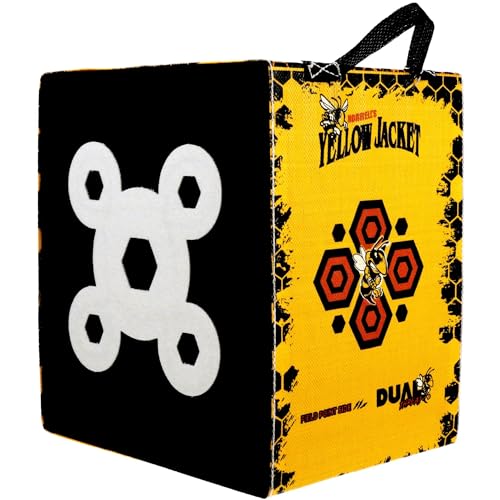
Morrell Yellow Jacket Dual Threat Foam Archery Target Block
Multiple faces, broad use
Mixed bow households

Balanced Choice
Morrell Supreme Range Adult Field Point Archery Bag Target, White
Training rings for steady reps
Form work and scoring

Editor's Choice
Delta McKenzie Speedbag 20″ Archery Field Point Bag Target
Serious pace and durability
Heavy practice use

Value Pick
Morrell Super Duper Field Point Bow Targets Archery Block Bag
Simple, portable block style
Basic range sessions

Design Standout
Delta McKenzie Speedbag Revolver 6-Sided Archery Target
Six faces, compact cube
Space-saving practice setups

Heavy Duty Pick
Delta McKenzie Speedbag 24″ Archery Target
Large face, high-speed ready
Fast bows and long sessions

Compact Choice
VEVOR 15 x 15 All-Side Shotting Archery Arrow Target
Light to carry anywhere
Portable practice on the move
Crossbow shooters usually care about stopping power before anything else, and this bag leans straight into that use. It’s the kind of target that fits a backyard lane or a seasonal sight-in spot without fuss. The plain black finish keeps the look simple, which helps the target fade into the job instead of the decor.
The trade-off is straightforward, it’s purpose-built for crossbow work rather than broad, do-everything range duty. That makes it a smart fit for someone who shoots faster equipment and wants fewer arrows buried too deep. Compared with the Morrell Yellow Jacket block, this one feels more focused and less multi-angle flexible.
Strong Points
- Made for crossbow use, so the fit feels direct rather than generic.
- Bag style construction is easier on arrows than harder-faced targets.
- Works well for backyard shooting lanes with a stable stand or hang setup.
- Black coloring keeps visual distraction low during repeated reps.
Points To Note
- Crossbow focus means it’s less versatile for mixed bow households.
- Bag targets still need sensible placement behind a safe backstop.
- Heavier-duty use can leave wear patterns over time, so rotation helps.
Feature Snapshot
Who It Suits Best
You’ll get the most from this pick if you shoot a crossbow often and want a simple bag target for repeated field-point practice.
A Better Fit Elsewhere
The Delta McKenzie Speedbag 24″ Archery Target suits compound and crossbow shooters who want a larger face and more all-around practice coverage.
This block makes sense for a household that shoots more than one setup, because it’s built for compound bows and crossbows. The four-sided layout gives you more usable faces before you need to rotate it, which is handy during long practice sessions. The yellow finish also makes the aiming area easy to spot, especially in a busy backyard or club line.
You may find the foam build a little firmer than a bag target, but that comes with the benefit of broad bow compatibility and repeated use. Compared with the Delta McKenzie Crossbow MAX SPEEDBAG, this one feels less specialized and more adaptable for mixed practice. It’s a practical middle ground for people who want one target to cover several bow types.
What We Like
- Four shootable sides stretch usable life across more practice rounds.
- Offsets and multiple bullseyes help vary your aim points.
- Built for compound bows and crossbows, so it suits mixed setups.
- Foam construction gives a dense feel that many shooters prefer for steady grouping work.
Small Caveats
- Foam blocks can feel stiffer than a bag target at close range.
- Size and weight are better for a fixed spot than constant moving.
- High-speed use still depends on shooting field points, not broadheads.
Core Details
Who Should Grab It
You’ll like this most if you want one target for several bow types and prefer a foam block with multiple faces to rotate through.
Where A Sibling Pick Shines
The Morrell Super Duper Field Point Bow Targets Archery Block Bag suits you better when you want a simpler bag-style setup for routine field-point shooting.
Training-oriented shooters usually appreciate a target that keeps the practice picture clear, and this one leans into that with scoring rings and a nucleus center. It feels aimed at steady form work more than casual plinking, which is useful in a garage lane or a backyard setup with enough room. The white face makes the scoring zones easy to read without a lot of visual clutter.
Because it’s a bag target, arrow pull should feel less abrupt than with firmer block styles, which matters during longer sessions. The honest read is that its learning-friendly layout makes it better for routine drilling than for anyone chasing a highly portable target. Compared with the Morrell Yellow Jacket block, this one is more about clear scoring practice than multi-face variety.
Highlights
- NASP scoring rings support structured practice and clearer feedback.
- Nucleus center gives you a focused aiming point for repeat shots.
- Bag format is a friendlier match for field-point sessions.
- White face improves visibility in lower-contrast shooting spaces.
Worth Noting
- White surfaces show dirt and wear more quickly than darker ones.
- Bag targets are usually best kept dry and stored out of the elements.
- It’s more training-oriented than travel-friendly.
At A Glance
Made For
You’re the best fit for this target if you want structured field-point practice and like clear rings that support repeated accuracy work.
Another Choice May Suit
The Delta McKenzie Speedbag Revolver 6-Sided Archery Target suits you better when you want more faces to rotate through and a more compact cube shape.
This one reads like a serious practice bag for compound, recurve, and crossbow use, and that wide compatibility is a real advantage. The 20-inch class face gives you enough room for repeated field-point shots without feeling tiny, which helps during backyard tuning or longer sessions. The design also leans toward easier arrow removal, so you spend less time tugging and more time shooting.
Compared with the Morrell Supreme Range bag, this Delta McKenzie option is less about scoring-ring training and more about hard-wearing practice with dual-sided aiming points. The high-speed rating makes it a stronger match for archers who shoot faster setups and want a target that feels built for that pace. In most garages or yards, the weatherproof design also makes storage a little less fussy between sessions.
Reasons To Buy
- Works with compound bows, recurves, and crossbows.
- Dual-sided aiming points help extend useful practice life.
- High-density build supports repeated field-point shooting.
- Easy arrow removal matters during long tuning sessions.
- Weather-resistant design suits outdoor storage better than plain indoor-only options.
Areas To Watch
- Its performance focus may feel overbuilt for very casual archers.
- Large practice bags still need enough open space behind the target.
- Regular rotation helps keep wear more even across both sides.
Detail Card
Best Suited To
You’ll get the most from this target if you shoot often, use more than one bow type, and want a bag that leans toward serious practice.
Look Elsewhere When
The VEVOR 15 x 15 All-Side Shotting Archery Arrow Target suits you better when portability matters more than a larger, heavier-duty practice bag.
Simple target blocks still have a place, especially for archers who want a straightforward setup that doesn’t need much explanation. This Morrell model leans into portability and field-point practice, so it fits a garage corner, a small yard, or a club bag of gear. The yellow body keeps the target easy to spot, which is handy during quick resets between shots.
Compared with the Morrell Yellow Jacket Dual Threat, this one looks less feature-heavy and more stripped to the basics. That can be a plus for routine practice, because fewer extras often mean less to think about. The honest read is that it suits shooters who want a plain block bag rather than a target packed with multiple faces and aim zones.
Upsides
- Compact block format is easy to place in tight shooting spaces.
- Portable shape helps when you move gear between home and range.
- Field-point focus keeps it aligned with common practice needs.
- Yellow color improves visibility during repeated shot cycles.
Room For Improvement
- It offers fewer built-in extras than multi-face targets.
- Block shapes can feel less forgiving than bag targets for some setups.
- Plain construction may not suit archers wanting more advanced scoring layouts.
Quick Facts
Whose Shelf It Belongs On
You’ll appreciate this pick most if you want a straightforward field-point target and prefer keeping your practice setup simple.
Swap It Out When
The Delta McKenzie Speedbag 20″ Archery Field Point Bag Target makes more sense for shooters who want a larger, more durable bag with broader bow compatibility.
The cube shape makes this target feel a little different right away, and that’s useful for archers who like rotating through fresh faces often. Six shootable sides, high-contrast graphics, and calibration grids give you plenty of aim points without changing your whole practice setup. It also sits nicely in tighter spaces, which helps in a garage lane or a compact backyard corner.
Compared with the Delta McKenzie Speedbag 20″ bag, this Revolver model is more about using every face efficiently than about one broad front panel. The 12-inch cube format makes it easier to store and move, though it naturally gives you less overall face area than the larger Delta McKenzie 24-inch bag. That trade-off works well for regular shooters who like compact gear.
Best Bits
- Six usable sides stretch practice time across more surfaces.
- High-contrast graphics make aiming points easy to spot.
- Calibration grids help with repeatable form and sight checks.
- Cube format stores neatly and fits smaller practice areas.
Minor Gripes
- The cube shape gives you less front-face area than a larger bag.
- Compact size may feel small for archers who prefer a broad target face.
- Frequent rotation is the best way to keep wear even.
Feature Rundown
Built With In Mind
You’re a strong match for this pick if you want a compact target with several shooting faces and you don’t mind rotating it often.
Reach For A Different Pick When
The Delta McKenzie Speedbag 24″ Archery Target suits you better if you want a larger bag face and a heavier practice setup for frequent sessions.
This is the kind of bag target that suits serious practice days, especially for archers who want a larger face and a higher speed ceiling. The 24-inch class size gives you a generous aiming area, which helps during tuning, repetition drills, or a long session with a compound bow or crossbow. Easy arrow removal matters here too, because a target this size tends to see a lot of shot volume.
Compared with the Delta McKenzie Speedbag Revolver, this model feels broader and more conventional, while the Revolver leans into compact versatility. The larger face is helpful if you shoot at varied distances or just like having more room around the aiming spot. For most backyards, that bigger footprint is the main reason to choose it.
Bright Spots
- Supports compound bows, recurves, and crossbows.
- High speed rating suits harder-hitting practice setups.
- Larger face gives you more room for consistent grouping work.
- Dual-sided layout helps spread out wear over time.
Honest Caveats
- Its larger size takes more storage space than compact cube targets.
- Heavy-duty use still benefits from rotating the faces regularly.
- It may feel more target-like than travel-friendly.
Technical Sheet
Whose Shelf It Belongs On
This is the right fit for you if you shoot often, prefer a larger bag face, and want a target that can keep up with faster setups.
Skip It When
The VEVOR 15 x 15 All-Side Shotting Archery Arrow Target makes more sense when portability and compact storage matter more than a large practice face.
Portability is the whole story here, and that makes this target a smart fit for younger shooters or anyone who moves gear a lot. The 15-inch cube format and built-in handle make it easy to carry to a range, a backyard, or a friend’s place. Great visibility matters too, because a compact target still needs clear sight lines to stay useful.
Compared with the Delta McKenzie 24-inch bag, this VEVOR target gives up face size in exchange for lighter transport and easier storage. The 7.9-pound weight is easy to manage, which helps when you’re setting up and packing down often. It’s a practical choice for casual practice, though serious high-volume shooters may want something larger.
Positives
- Small cube size is easy to carry and tuck away.
- Built-in handle makes transport less awkward.
- Light weight suits younger archers and quick setup changes.
- All-side format helps stretch practice across more surfaces.
Areas To Watch
- Compact size gives you less aiming area than bigger bag targets.
- Light construction is better for portability than heavy daily abuse.
- Field use is easier when you have a flat place to set it down.
Core Details
The Right Fit
You’ll like this target most if you want something light, compact, and easy to move for short practice sessions.
Another Choice May Suit
The Morrell Supreme Range Adult Field Point Archery Bag Target, White suits you better if you want a more structured practice face with scoring rings.
How To Choose The Right Bow Bag Targets
Match The Target To Your Bow Speed
Arrow speed matters more than many new shoppers expect. Faster setups need a target rated for that pace, while lighter practice bows can get by with less aggressive construction. A target that’s underbuilt for your speed can wear faster and feel less forgiving during repeated shots.
Look at the speed figure first, then treat it as a fit guide rather than a brag line. A 350 FPS target suits many practice setups, while 450 FPS or 475 FPS gives you more room for harder-hitting bows. Crossbow shooters usually benefit from leaning toward the higher end of that range.
Choose The Shape That Fits Your Space
Bag targets, block targets, and cube targets each solve a different space problem. A large bag works well for a fixed backyard lane, while a cube is easier to store and rotate in a small garage. The more you move the target, the more a built-in handle or compact footprint starts to matter.
Think about setup and cleanup as part of the purchase. A target that’s easy to carry gets used more often, because it doesn’t feel like a chore to bring out and put away. That’s a small detail on paper, but it changes how often you actually shoot.
Look For Clear Aiming Feedback
Visible bullseyes, scoring rings, calibration grids, and contrasting faces all help you build better shot habits. They don’t make you a better archer by themselves, but they give your eye a cleaner mark to work toward. That matters a lot during tuning sessions, group checks, or repeat drills at the same distance.
Plain faces are fine for simple practice, but more structured markings help when you want to track progress. If you shoot with family or friends, multiple aim points also help everyone share the same target without crowding one spot. That keeps the face usable for longer, too.
Think About Maintenance And Placement
Bag and block targets usually last longer when they sit on dry ground and stay out of rough weather between sessions. Rotation helps spread wear, and that’s especially useful for dual-sided or multi-face designs. A stable stand or flat base also reduces wobble and keeps your practice more consistent.
Storage matters just as much as shooting. A target that fits your shed, garage, or trunk is easier to keep in rotation than a bulky one that needs a permanent corner. That’s often the difference between a target you use weekly and one that sits forgotten after the first few sessions.
Things Worth Knowing First
Wrong Turns To Avoid
Many archers focus on size alone and miss the fit issue. A bigger face helps, but not every large target suits every bow speed or practice style. Another common miss is choosing a target that looks portable on paper but feels awkward to move once it’s in your hands.
You’ll also want to match the target to the arrow type you actually shoot. Field-point practice targets are built for field points, not every tip style, so the target type matters as much as the brand name. A little attention here saves a lot of frustration later.
The Upgrade Payoff
Higher-tier targets usually cost more because they bring denser build materials, better face layouts, and stronger speed support. That extra engineering can mean cleaner arrow removal, more usable sides, and a target that holds up better during frequent practice. The difference becomes obvious once your setup sees steady weekly use.
Spending up makes the most sense for fast bows, repeated backyard sessions, or anyone who wants one target to cover several shooting styles. Casual shooters may not need that level of build, but regular practice usually rewards the sturdier option. Think of it as paying for less hassle over time, not just a tougher shell.
Frequently Asked Questions
What makes a bow bag target different from a block target?
A bag target usually gives you a softer, more traditional face for field-point practice. A block target often offers more shapes, faces, or marked zones to rotate through.
Which target type works best for a crossbow?
Crossbow shooters often do well with higher-speed bag targets or dense blocks rated for faster arrows. The key is matching the target rating to your equipment’s pace.
How long does a bag target usually last?
That depends on arrow speed, shot volume, and whether you rotate the faces regularly. Targets used with field points and reasonable spacing tend to hold up better than targets hit in the same spot every session.
Is a portable target a good choice for backyard practice?
Yes, especially when you move gear often or store it in a garage. Portable targets make setup easier, though larger models usually feel steadier for repeated practice.
Do you need a large target face for better practice?
A larger face helps with sighting, tuning, and giving yourself more room around the aiming point. Smaller targets are fine for short sessions, but they demand a bit more precision from the start.
Closing Thoughts
The right Bow Bag Targets make practice easier to repeat, which is really what matters for steady progress. A crossbow shooter, a backyard compound setup, and a compact travel routine all need slightly different gear, and that’s why the best choice depends on how you actually shoot. Bigger faces help with volume, smaller cubes help with storage, and structured scoring faces help with discipline. Pick the target that fits your space and your pace, then let the repetition do its job.
