Book Appointment Now

7 Best Bow Sights for 2026
You want a bow sight that feels steady, lines up fast, and fits the way you actually shoot. That means looking past flashy labels and focusing on pin count, adjustment style, brightness control, and how much tuning you want to do in the field.
This roundup keeps the focus on practical use, from backyard practice to long sits in changing light. You’ll see compact fixed-pin options, slider styles for dialed-in range work, and a few models that stand out for easier setup or clearer pin layout.
Quick Look At Our Top Bow Sight Picks
PickWhy We Picked ItBest ForAction
Balanced Choice
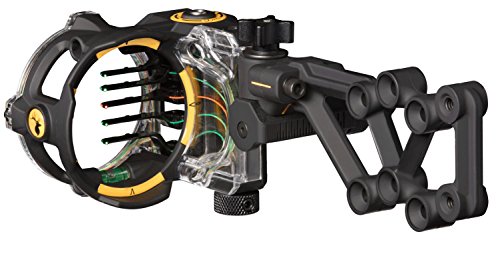
Trophy Ridge React H5 Bow Sight 5 Pin
Tool-free tuning ease
Everyday fixed-pin use

Value Pick
Truglo Storm G2 Archery Sight Black
Simple black finish
Basic setup budgets

Practical Pick
Truglo Storm G2 Archery Sight Black
Clean, straightforward layout
Spare or backup setup
Performance Leader
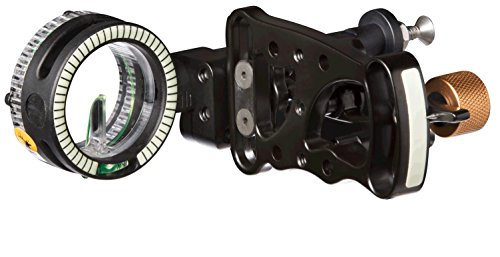
Trophy Ridge Drive Slider Bow Sight Black
Adjustable pin indicator
Range tuning flexibility
Feature Rich
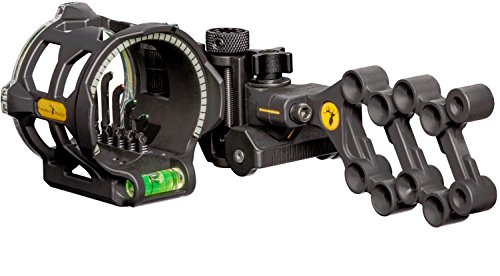
Trophy Ridge Peak 5 Pin Bow Sight
Vertical pin layout
Low-light aiming help
Everyday Favorite
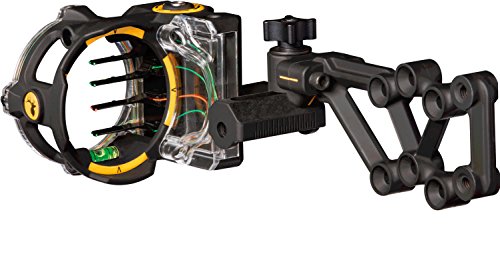
Trophy Ridge React H4 Bow Sight 4 Pin
Four-pin balance
Compact hunting setups

Budget Friendly
5 Pin Bow Sight with Rheostat Light and Reversible Mount Design
Bright fiber optic pins
Entry-level visibility
More Details On Our Top Picks
The React H5 fits archers who want five fixed aiming points without a lot of knob-spinning. Tool-less windage and elevation adjustment means you can make sight changes without hunting for a wrench, and that matters during busy practice sessions.
The second-axis leveling helps keep vertical alignment honest on uneven ground, which is useful on hillside stands or sloped practice lanes. The honest trade-off is that five pins can feel busy at first, so it suits you best when you value quick reference points over a minimal sight picture.
Strong Points
- Five pins give you multiple yardage references in one housing.
- Tool-free movement saves time during setup and field tuning.
- Second-axis leveling helps with left-right consistency on uneven terrain.
- Adjustable click light gives you control over pin glow in dim conditions.
- That mix works well for frequent range sessions and weekend hunts alike.
Things To Consider
- Five pins can crowd the sight picture for some archers.
- The setup feels more involved than a very simple fixed-pin model.
- The light adds one more part to manage and store.
Feature Snapshot
Who Will Love This
You want a versatile fixed-pin sight for regular practice, hunting setups, or anyone who likes a full pin stack with easy adjustment access.
Skip It When
Trophy Ridge React H4 Bow Sight 4 Pin suits you better when a cleaner four-pin layout feels easier to read and you prefer a little less visual clutter.
This Storm G2 version keeps things straightforward, which is often what you want for a spare bow or a no-drama entry setup. Its black finish stays visually quiet, so the sight does its job without pulling attention away from the pins and target.
That simplicity can be a plus in a garage setup or for a casual hunter who values easy upkeep over a long feature list. Compared with the Trophy Ridge models above, it leans more basic, so you trade adjustment richness for a cleaner, more direct feel.
What We Like
- Straightforward layout keeps setup and use easy to follow.
- Black finish blends into most riser setups.
- Good fit for a backup bow or spare rig.
- Less visual clutter can help new archers settle in.
Softer Spots
- You get fewer advanced tuning touches than with slider-style models.
- The basic build may leave serious tinkering fans wanting more.
- Routine cleaning still matters, since open sight parts can gather dust.
Core Details
Who Should Grab It
You want a simple sight for casual practice, a second bow, or a setup where ease matters more than extra tuning layers.
A Better Fit Elsewhere
Trophy Ridge React H5 Bow Sight 5 Pin suits you better when you want more adjustment convenience and a fuller fixed-pin layout.
The second Storm G2 entry follows the same plain-language formula, and that can be useful for someone equipping a backup bow or matching a second setup. You get the same black, low-profile style, which keeps the bow looking tidy rather than busy.
For a travel case or a practice rig that sees mixed handling, the simple design is easy to live with. The trade-off is obvious next to the Trophy Ridge Drive Slider, since you give up the more adjustable range-work focus in exchange for less complexity.
Highlights
- Simple form factor makes it easy to understand at a glance.
- Works well as a secondary sight for a spare bow.
- Black finish helps it blend into the riser.
- Low-complexity setups usually mean fewer parts to keep track of.
Areas To Watch
- The feature set stays minimal.
- Archers who like fine range dialing may want more control.
- Basic hardware still benefits from regular tightening checks.
Details At A Glance
The Right Fit
You want a plain, dependable sight for a backup bow, a loaner rig, or a starter setup that doesn’t need extra layers.
Look Elsewhere When
Trophy Ridge Drive Slider Bow Sight Black suits you better when fine range adjustment matters more than a bare-bones build.
The Drive Slider is built for archers who want more exact range adjustment than a fixed-pin sight usually gives. Its adjustable indicator pin is the key detail here, because it gives you a more precise readout while you account for changing wind or uneven shooting conditions.
That makes sense for a hunter who practices at different distances or a target shooter who likes to dial things in carefully. Compared with the React H5 and H4, this one shifts the focus from quick reference pins toward deliberate range work, so it feels more specialized.
Upsides
- Slider-style adjustment supports careful distance tuning.
- Indicator pin helps you keep track of exact settings.
- Well suited to changing field conditions.
- Good match for archers who spend time dialing ranges.
Room For Improvement
- Slider sights usually ask for a little more setup patience.
- More moving parts can mean more attention during storage and transport.
- Not as quick to read as a fixed 4-pin or 5-pin sight.
Technical Sheet
Best Suited To
You want a sight for range sessions, field tuning, or hunting setups where distance changes matter a lot.
Another Choice May Suit
Trophy Ridge Peak 5 Pin Bow Sight suits you better when you want fixed pins plus a lighted setup instead of a slider format.
The Peak 5 takes a more deliberate approach with vertical in-line pin technology, which arranges the pins in a straight stack rather than spreading them across a wider field. That layout can make the sight picture feel less crowded, especially for archers who like organized pin placement in changing light.
The adjustable rheostat light lets you tune brightness, and the glow ring helps the pins stand out without feeling harsh. Compared with the React H5, this one leans harder into low-light visibility, so it makes sense for dawn sits, dusk practice, or indoor ranges that run dim.
Best Bits
- Vertical pin stack keeps the sight picture neat.
- Rheostat light lets you adjust illumination for the conditions.
- Glow ring adds a clear visual cue around the pins.
- Tool-free adjustment keeps field changes simpler.
- Second-axis leveling supports steadier alignment on uneven ground.
Minor Gripes
- The light and glow parts add a little more upkeep.
- Some archers prefer horizontal spacing instead of a vertical stack.
- The fuller feature set can feel like more to learn at first.
Feature Rundown
Made For
You want a fixed-pin sight with thoughtful lighting help for early mornings, late evenings, or target sessions in muted indoor light.
Where A Sibling Pick Shines
Trophy Ridge React H4 Bow Sight 4 Pin suits you better when a simpler four-pin arrangement feels easier to read at a glance.
The React H4 lands in a useful middle ground, because four pins usually feel easier to read than five without going too bare. Tool-less windage and elevation adjustment keeps the setup process from turning into a long project, and that matters for hunters who want to stay focused on shooting, not tools.
The second-axis leveling and adjustable click light add practical touches that help on uneven stands or during low-light practice. Compared with the React H5, you give up one pin, but the sight picture can feel calmer for archers who prefer a cleaner view.
Positives
- Four pins strike a nice balance between speed and clarity.
- Tool-free adjustment keeps setup less fiddly.
- Second-axis leveling helps maintain consistent alignment.
- Click light gives you a little more control in dim settings.
- Good everyday fit for practice and hunting use.
Worth Noting
- Four pins still take a little practice to read fast.
- The light is another part to keep track of.
- Some archers may want the extra pin offered by the H5.
Quick Facts
Whose Shelf It Belongs On
You want a hunting-friendly fixed-pin sight that feels simpler than a five-pin model but still gives you useful lighting control.
Reach For A Different Pick When
Trophy Ridge Peak 5 Pin Bow Sight suits you better when the vertical pin stack and glow ring matter more than a four-pin layout.
The LWANO sight aims for strong visibility, starting with five ultra-bright .019-inch horizontal fiber optic pins. That pin thickness and arrangement help the sight stay readable in dim woods or in mixed lighting where shadows keep shifting.
The rheostat light gives you another way to tune visibility, and the reversible mount design adds flexibility for different bow setups. Compared with the Trophy Ridge fixed-pin options, this one feels like a more accessible entry point for archers who want clear pins without a heavy feature load.
Reasons To Buy
- Five bright fiber optic pins help visibility in changing light.
- .019-inch pin size gives you a clear aiming reference.
- Rheostat light adds control over how the pins appear.
- Reversible mount design adds setup flexibility.
- Good fit for a straightforward first sight or spare bow.
Small Caveats
- The five-pin layout can still look busy at first.
- The light and mount features add parts to manage.
- Pin visibility helps most when you keep the fibers clean.
Feature Card
Who Should Grab It
You want a five-pin sight with visible fiber optics, basic light control, and a setup style that can fit more than one bow layout.
Swap It Out When
Trophy Ridge React H5 Bow Sight 5 Pin suits you better when tool-free adjustment and second-axis leveling matter more than a simpler entry-style package.
How To Choose The Right Bow Sights
Pin Count And Sight Picture
Pin count changes how fast your eye finds the right mark. Five pins give you more preset distances, while four pins usually leave the sight picture a bit cleaner. A slider sight takes a different path, letting you dial distance rather than staring at several fixed references.
For quick shooting in timber or on a busy range line, a fixed-pin model often feels simpler. For archers who practice at more varied yardages, a slider can feel more precise, though it asks for more attention.
Adjustment Style And Setup Time
Tool-less windage and elevation adjustment saves hassle during tuning, especially for archers who move between practice and hunting use. Windage is left-right correction, and elevation is up-down correction, so both matter when you want the arrow to land where you expect.
Slider sights add another layer by letting you fine-tune the yardage mark. That extra control helps, but it also means you’ll spend more time learning the sight and keeping track of settings.
Light Control And Low-Light Use
Rheostat lights, click lights, and glow rings all serve the same general goal, helping pins stay visible when daylight fades. The difference is in how much control you get and how busy the setup feels on the bow.
Hunters who sit near dawn or dusk usually care more about this than casual range shooters. In dim blinds or shaded woods, a sight with adjustable brightness can feel far less fussy than a bare pins-only setup.
Fit For Your Shooting Style
Archers who value quick reference points often gravitate toward the React H5 or H4. Archers who like a tidy sight picture may prefer the Peak 5, while range-focused shooters may lean toward the Drive Slider.
The right choice usually comes down to how much information you want on the bow at once. A clean setup can feel calm, while a more feature-rich sight can save time once you know your yardages well.
What To Weigh Before You Buy
Common Shopping Slip Ups
One common miss is choosing too many pins for your own pace. A crowded sight picture can slow you down more than it helps, especially in low light or under pressure.
Another slip is overlooking mounting style and adjustment access. A sight can look great on paper, then feel awkward once you’re trying to tune it at the range or in the yard.
What The Higher Tier Buys
Higher-tier sights usually spend the extra money on cleaner adjustment hardware, better brightness control, and more refined pin layout. Those touches matter most when you shoot often, tune often, or expect to change yardages a lot.
The upgrade makes the most sense for committed hunters and regular target archers. Casual use rarely needs every extra feature, so a simpler sight can be the smarter fit.
Frequently Asked Questions
How many pins do most archers need?
Four or five pins cover a lot of real-world use. Five gives you more preset distances, while four can feel easier to read quickly.
What does second-axis leveling help with?
Second-axis leveling helps the sight stay aligned when the terrain slopes left or right. That matters on uneven ground, where a slightly tilted bow can throw off the view.
Are slider sights harder to use?
They usually ask for more setup and more attention to distance marks. In return, you get more control for dialing ranges with care.
Why does pin brightness matter?
Brightness control helps the pins stay visible in shaded woods, cloudy weather, or near dusk. Too bright can be distracting, so adjustable lighting gives you more control.
What is the most practical choice for a new setup?
A simple fixed-pin sight is often the easiest place to start. You get a straightforward sight picture and less to manage while you learn the bow.
Closing Thoughts
Your best bow sight is the one that matches how you shoot, not the one with the longest feature list. If you want quick reference points, the Trophy Ridge React H4 and H5 make a lot of sense. If you prefer cleaner range dialing, the Drive Slider stands apart, while the LWANO and Truglo options keep things simple. Choose the sight that fits your practice habits, lighting, and comfort level, and the rest tends to fall into place.
