Book Appointment Now

8 Best Bow Target Blocks for 2026: Built for Steady Practice
Bow target blocks earn their keep when you want clean arrow removal, visible aiming points, and a shape that fits a garage, backyard, or range bag without much fuss. The picks below lean toward compound bow, recurve, and crossbow practice, with a few options that handle harder-hitting setups better than others. You’ll also see where foam blocks make more sense than bag targets, and where a cube-style face layout gives you a longer useful life.
The Shortlist At A Glance
PickWhy We Picked ItBest ForAction

Heavy Duty Pick
Delta McKenzie Crossbow MAX SPEEDBAG (79026)
Crossbow-focused bag build
Crossbow practice
Value Pick
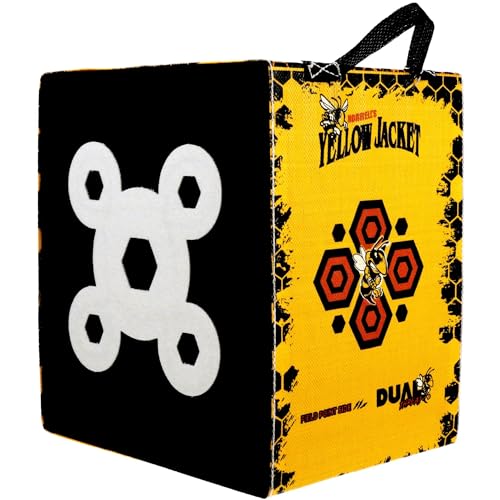
Morrell Yellow Jacket Dual Threat Foam Archery Target Block
Four-sided aiming variety
Mixed-bow practice

Design Standout
Rinehart 18-1 Archery Target, 18-Sided
Many usable faces
Portable field sessions

Reliable Runner Up
Morrell Supreme Range Adult Field Point Archery Bag Target, White
Clear scoring layout
Form work at home

Performance Leader
Delta McKenzie Speedbag 20″ Archery Field Point Bag Target
High-speed field-point use
Serious practice sessions

Practical Pick
Morrell Super Duper Field Point Bow Targets Archery Block Bag
Portable training block
Backyard sessions

Compact Choice
VEVOR Archery Target Block, All-Side Bow Target Block
Light, easy carry
Mobile practice spots

Feature Rich
Delta McKenzie Speedbag Revolver 6-Sided Archery Target
Six-sided target faces
Extended practice life
More Details On Our Top Picks
A crossbow bag target makes sense when you want a soft landing surface without giving up clear feedback at normal practice distances. This Delta McKenzie option is shaped for crossbow use, so it suits a garage lane or backyard range where you want less fuss between shots.
The trade-off with bag-style targets is straightforward, they’re usually happiest with field points rather than broader hunting heads. For a crossbow owner who wants a simpler, high-performing practice station, this feels like a sensible first look.
Strong Points
- Built around crossbow practice, which gives you a more relevant target face than a generic soft block.
- Bag construction usually makes arrow pull easier, so repeated shooting feels less tedious during longer sessions.
- Black finish keeps the visual look plain and unfussy, which suits backyard setups nicely.
- Good fit for routine field-point work at home or in a club lane.
Things To Consider
- Bag targets are best matched to field points, so broadhead use is not the right expectation here.
- The single-focus design is less versatile than the multi-face options from Morrell and Rinehart.
- You may want a dry storage spot, since soft targets tend to hold up better when kept out of constant weather exposure.
Feature Snapshot
Who It Suits Best
You’ll get the most from this pick if your routine centers on crossbow field-point practice and you want a low-drama target for steady repetition.
A Better Fit Elsewhere
The Delta McKenzie Speedbag Revolver 6-Sided Archery Target suits archers who want more shooting faces and a longer rotation before one side feels worn in.
This one stands out for variety, since the four-sided layout and 32 bullseyes give you plenty of ways to change aim points without shifting the whole target around. For compound bow practice or crossbow sessions, that kind of flexibility is useful in a busy backyard lane.
Foam construction usually keeps the profile lighter to move than dense block designs, though that lighter feel can also mean you’ll want to handle it with a little care. The honest read is that this suits you best when you want a versatile practice block rather than a heavy-duty workhorse.
What We Like
- Four usable sides help spread wear across the block.
- Thirty-two bullseyes create more aiming choices for form drills and distance work.
- Rated for arrows up to 350 FPS, so it lines up with many common bow setups.
- Fused cellular foam tends to keep the target responsive while still giving you a practical practice surface.
Points To Note
- The visual layout is busy, which is useful for training but not as plain as a simple field-point bag.
- You may need to watch placement and storage more closely than with a heavier cube-style block.
- Compared with the Delta McKenzie Speedbag 20, this is less of a hard-use specialist and more of a flexible all-rounder.
Core Details
Who Will Love This
Compound bow and crossbow shooters who want more aiming variety in one block will get the most from this layout.
Where A Sibling Pick Shines
The Rinehart 18-1 Archery Target suits archers who want even more shooting faces and a cube shape that travels well between practice spots.
The cube format gives this Rinehart a very different feel from the bag-style Delta McKenzie picks. Eighteen faces mean you can rotate through fresh aiming areas more often, which helps during longer practice stretches at the club or in a backyard setup.
Its portability matters too, especially when your practice space changes from home to hunting camp. Broadhead and field-point compatibility broadens the use case, though a broader-head setup usually asks a little more of the target surface over time.
Bright Spots
- Eighteen shooting faces stretch the useful life across many sessions.
- Broadhead and field-point compatibility makes it more versatile than a field-point-only bag.
- Easy-carry handle helps when you move practice spots often.
- Cube shape fits neatly in a vehicle, shed, or range corner.
Softer Spots
- Cube targets take a bit more room than slim bag targets.
- Broadhead use usually means you’ll want to rotate faces carefully to keep wear even.
- The lighter carry design is handy, though very heavy-duty stationary use may suit a denser block better.
At A Glance
Best Suited To
You’ll appreciate this target most if you split practice between home and the field and want a shape that travels easily.
Look Elsewhere When
The Morrell Yellow Jacket Dual Threat Foam Archery Target Block works better for archers who want a simpler four-side layout with a lower-friction training feel.
This Morrell leans toward structured practice, thanks to the NASP scoring rings and a nucleus center that help you treat each shot like part of a drill. That makes it a good fit for anyone refining consistency at home rather than just sending arrows at a blank block.
The white face is easier to read in good light, though it may show marks sooner than darker targets. For beginners building form or seasoned shooters working on repeatable shot placement, it offers a steady middle ground.
Upsides
- NASP-style scoring rings give you a clearer training structure.
- Nucleus center supports focused aiming on a defined core area.
- Field-point design fits routine practice sessions well.
- Works as a straightforward home-range target for form drills.
Area To Watch
- The white surface can show use marks more visibly than darker finishes.
- It is more of a practice bag than a multi-face rotating block.
- Compared with the Rinehart 18-1, you give up some face variety in exchange for a cleaner scoring layout.
Details At A Glance
Right Fit For
You’ll like this target most if you want a simple field-point bag with a disciplined scoring layout for regular practice.
Another Choice May Suit
The Delta McKenzie Speedbag 20″ Archery Field Point Bag Target suits archers who want a more performance-focused bag with a broader all-around practice feel.
This Delta McKenzie feels like the serious practice pick in the group, especially for archers who shoot often and want a target that keeps up. The dual-sided aiming points help you extend usefulness, and the weatherproof design makes backyard placement less delicate than a softer indoor-only target.
High-density material usually helps a bag hold shape better under repeated field-point use, though that kind of build can feel firmer than a casual weekend target. For compound, recurve, and crossbow owners who want one target to cover a lot of practice ground, it’s a strong fit.
Reasons To Buy
- High-density build supports longer-term use in frequent practice routines.
- Dual-sided aiming points help spread out wear.
- Weatherproof design suits backyard setups better than less protected bags.
- Works with compound bows, recurves, and crossbows, so one target can cover several setups.
- Easy arrow removal matters during long sessions, since you spend less time wrestling with the target between shots.
Small Caveats
- It is a field-point target, so broadhead users need a different category.
- The firmer build can feel less forgiving than softer foam options like the Morrell Yellow Jacket.
- As with many bag targets, dry storage still helps preserve the surface over time.
Feature Rundown
Made For
You’ll get the most value here if you practice often and want a field-point target that feels ready for regular outdoor use.
Swap It Out When
The VEVOR Archery Target Block suits you better if portability matters more than a firmer, higher-durability bag format.
The yellow block format makes this Morrell easy to spot in a yard or range bay, which sounds minor until you’re setting up for repeated practice in mixed light. It’s a straightforward field-point target, so it feels familiar for compound-bow work and useful for crossbow sessions that stay within the right setup.
Compared with the Morrell Supreme Range bag, this one leans less on formal scoring and more on simple, portable practice. That keeps it easy to live with, though the plain block shape won’t give you the same face variety as the Rinehart 18-1.
Best Bits
- Portable block shape is easy to move around a yard or shed.
- Bright yellow color improves visibility at a glance.
- Good for basic field-point practice without extra setup.
- Fits casual backyard routines very naturally.
Honest Caveats
- It is more basic than the higher-feature Delta McKenzie options.
- You do not get the multi-face variety of a cube target.
- Yellow surfaces can show wear more quickly in a heavily used practice lane.
Feature Card
Whose Shelf It Belongs On
This suits you best if you want an uncomplicated practice block for home sessions and value visibility over a more elaborate design.
Reach For A Different Pick When
The Morrell Yellow Jacket Dual Threat Foam Archery Target Block makes more sense if you want four sides and a denser set of aiming points.
This VEVOR is the easiest to picture in a trunk or garage corner, because the listed 16 x 18 x 11 inch size and 6.8-pound weight keep it compact. That makes it a practical choice for archers who move their setup around and don’t want a target that turns transport into a chore.
The guidance on bow weight and shot distance matters here, too, since it points you toward lighter bows and sensible range habits. For casual backyard shooting with a manageable setup, the portability is the headline, though the limits mean it’s not the match for every setup.
Positives
- Small footprint makes storage easier in tight spaces.
- 6.8-pound weight helps when you carry it by hand.
- Carry handle adds a simple convenience for moving between spots.
- All-side format gives you more than one aiming face to work with.
Areas To Watch
- It is recommended for bows under 45 pounds, so heavier setups call for a different target.
- The guidance says to avoid broadheads and anchorheads, which narrows the use case.
- You’ll also want to keep the minimum distance in mind for safer practice spacing.
Quick Facts
The Right Fit
You’ll like this best if you want a lightweight practice block for lighter bows and simple transport.
Another Choice May Suit
The Delta McKenzie Speedbag 20″ Archery Field Point Bag Target suits shooters who want a more durable-feeling field-point option for higher-volume practice.
The Revolver is the most flexible-looking bag in the group, since six shootable sides give you multiple fresh faces before one area starts looking tired. High-contrast graphics and calibration grids make aiming easier to read at a glance, which helps during longer practice blocks.
Its 450 FPS rating places it toward the higher-performance end of this roundup, so compound, recurve, and crossbow owners have a broad practice target here. For a home range that sees regular use, the cube shape is a little like having several targets in one shell.
Highlights
- Six usable sides help you rotate through fresh surfaces.
- High-contrast graphics improve visibility in ordinary practice conditions.
- Calibration grids support more structured aiming drills.
- Rated for up to 450 FPS, which gives it strong appeal for higher-speed setups.
- Works across compound bows, recurves, and crossbows, so it covers a wide practice range.
Things To Consider
- The cube format takes a bit more shelf or floor room than a slim bag.
- It is still a field-point target, so broadhead work sits outside the expected use.
- For lighter, more portable setups, the VEVOR block feels easier to carry around.
Core Details
Built With In Mind
You’ll get the most from this target if you shoot often and want a higher-capacity practice block with plenty of visible aiming space.
Where Shoppers Go Wrong
The Morrell Super Duper Field Point Bow Targets Archery Block Bag suits shooters who want a simpler, more portable block instead of a six-sided cube.
How To Choose The Right Bow Target Blocks
Match The Target To Your Bow Speed
Target blocks and bag targets need to fit the speed of the setup you actually shoot. A crossbow pushing harder numbers usually asks more of the target face than a light recurve used for backyard form work, so speed rating matters more than styling. You also want to match the target to field points or broadheads only where the listing clearly allows it.
Decide How Much Portability You Need
A cube-style block is easier to move than a large stationary target, but weight still changes the feel a lot. The VEVOR option shows how a compact size and carry handle help during trunk-to-yard moves, while the Rinehart 18-1 leans into portable range use with more face variety. A lighter pick fits casual practice; a heavier one stays put better in a dedicated lane.
Think About Surface Layout And Wear
More aiming faces usually mean longer useful life because you can rotate shot placement. That’s why six-sided and 18-sided designs appeal to frequent shooters, while single-face bags suit people who want a simpler routine. The trade-off is room, since multi-face blocks tend to take more shelf or floor space than plain bags.
Choose The Layout That Matches Your Practice Style
Scoring rings, calibration grids, and high-contrast graphics help you work on repeatable form rather than just sending arrows at a blank face. That’s especially useful for archers who train with a plan, not just on weekends. Plain targets can still be the smarter call for low-fuss practice, especially in a garage or short backyard lane.
Things Worth Knowing First
Common Shopping Slip Ups
A lot of archers start with the wrong target type, usually by choosing a field-point bag for a setup that needs more speed tolerance or a broader face layout. Another easy miss is buying a target with more features than your space can handle, which turns setup into a hassle. The safer move is to match bow type, shot speed, and storage space first.
Where The Extra Money Goes
Higher-tier target blocks usually cost more because of denser materials, stronger outer faces, better visibility, and more usable sides. Those traits matter most to you if you shoot several times a week or want a target that holds up to repetitive practice without feeling worn out too quickly. For occasional use, a simpler bag or basic block often does the job without much compromise.
Frequently Asked Questions
What makes a bow target block different from a bag target?
A block usually gives you more shape variety and sometimes more shooting faces, while a bag target tends to be simpler and easier to live with. The right choice depends on whether you want rotation and visual variety, or just a straightforward place to land field points.
Can you use a crossbow with every target here?
No, the safe match depends on the target’s stated speed rating and compatibility. The Delta McKenzie Crossbow MAX SPEEDBAG, the Morrell Yellow Jacket Dual Threat, and the Delta McKenzie Speedbag Revolver are the clearest crossbow-friendly fits in this lineup.
Why do some target blocks have so many sides?
More sides give you more fresh aiming areas, so wear gets spread out instead of concentrating on one face. That matters for people who shoot often and want the target to stay useful longer.
Is a lighter target always the better choice?
Not always, because lighter targets are easier to move but can feel less stable in a fixed range setup. A heavier or denser model usually suits a dedicated home lane better.
What should you look for in a practice target for a backyard?
Look for clear visibility, a size you can store without hassle, and a design that fits your bow type. For most backyards, the best pick is the one that’s easy to move, easy to read, and appropriate for your arrow setup.
Closing Thoughts
The best bow target blocks for your space come down to two things, how you shoot and how often you want to move the target. A crossbow owner who wants a bag-style setup has a different need from a compound shooter chasing more sides and longer face life. The roundup above gives you both styles, plus a few middle-ground options for everyday practice. Pick the one that fits your lane, your bow, and the amount of upkeep you actually want.
