Book Appointment Now

8 Best Broadhead Archery Targets for 2026
You want a target that fits how you actually shoot, not just how a product photo looks. Broadhead practice is harder on foam, bag fill, and target faces, so the right pick saves you from constant frustration, torn arrows, and messy setups in the yard or at camp.
This roundup focuses on different shooting habits, from compact backyard sessions to heavier-duty setups for compound bows and crossbows. You’ll see where each target earns its place, where the trade-offs show up, and which one makes the most sense for your space and draw weight.
Quick Shortlist For Serious Practice
PickWhy We Picked ItBest ForAction
Balanced Choice
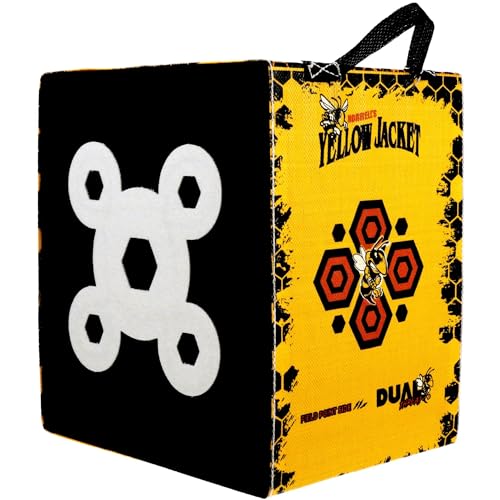
Morrell Yellow Jacket Dual Threat Foam Archery Target Block
Foam durability and broad use
Mixed-bow practice

Feature Rich
Rinehart 18-1 Archery Target
Many faces, easy to move
Portable practice sessions

Design Standout
Shooter Field Logic 3D Archery Hog Target
Realistic hunting shape
Field-style aiming

Editor's Choice
Morrell Supreme Range Adult Field Point Archery Bag Target
Scoring rings and weather use
Structured practice

Performance Leader
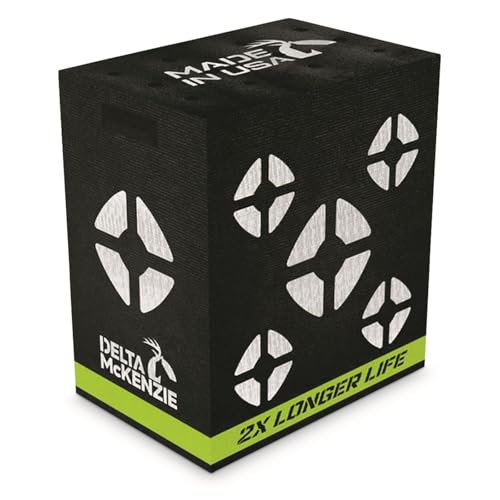
Delta McKenzie Speedbag 20″ Archery Field Point Bag Target
High-density, quick-arrow use
Frequent practice

Compact Choice
VEVOR Archery Target Block
Portable block format
Small-space storage
Heavy Duty Pick
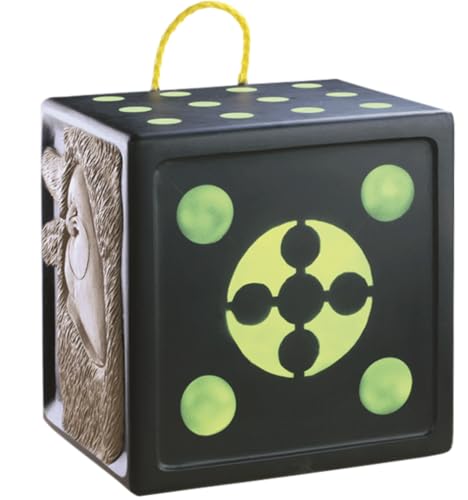
Rinehart Targets Rinehart RhinoBlock Target
Self-healing foam versatility
Broadhead-focused practice
More Details On Our Top Picks
This Morrell block fits the shooter who wants one target that can handle varied bow setups without turning into a short-term fix. The fused cellular foam and offset bullseye layout point to a design meant for repeated use, and the 32 aiming spots help stretch out practice sessions before you start chasing the same worn patch.
That wide compatibility matters in a mixed garage setup, especially for households that rotate between compound bows and crossbows. The trade-off is simple, foam blocks still take up room and need regular rotation so one side does not wear faster than the rest.
What We Like
- Handles broadhead practice and field-point work across multiple bow styles.
- 32 bullseyes spread use across the face, which helps preserve the block longer in everyday backyard shooting.
- Fused cellular foam suits repeated arrow removal and steady training rhythm.
- Offset aiming points help you vary aim without crowding one spot.
Minor Gripes
- Foam blocks can be bulky to store in a tight shed or trunk.
- Heavy use in the same lane still calls for face rotation and common-sense upkeep.
Feature Snapshot
Who Should Grab It
You’re the best fit for this one if your practice gear needs to cover multiple bow types in a backyard or garage lane.
A Better Fit Elsewhere
Rinehart Targets Rinehart RhinoBlock Target suits you better when you want more broadhead-focused foam behavior and a target built around high-visibility shot variety.
Rinehart’s 18-face setup makes sense for shooters who get bored fast by a single target front. The easy-carry handle helps when you move between a club lane, a backyard corner, or a hunting camp setup, and that kind of portability matters more than people expect once the target starts getting hauled around.
Unlike the Morrell foam block above, this one leans into variety over broad statement-making size. The honest trade-off is that a lighter target is easier to move, but it also asks you to think a little more about where you set it and how often you rotate faces.
Strong Points
- Eighteen shooting faces slow down wear on any single spot.
- Compatible with broadheads and field points, so your practice stays flexible.
- Carry handle makes transport less awkward from yard to truck bed to camp.
- Cube shape fits a range of shooting angles without much setup fuss.
Points To Note
- Portable targets are easier to move, but they still need a stable base area.
- You’ll want to rotate faces regularly to keep wear balanced.
- The compact format can feel less imposing than a larger block for long-distance work.
At A Glance
Made For
You’ll get the most from this target if you move practice locations often and like having several fresh faces ready to go.
Where A Sibling Pick Shines
Delta McKenzie Speedbag 20″ Archery Field Point Bag Target suits you better when easy arrow removal and a bag-style face matter more than cube-style variety.
A 3D hog target changes the feel of practice right away, because you’re not just aiming at a flat face anymore. This Shooter option suits hunters who want a more lifelike setup for shot placement habits, and the black finish keeps the profile simple rather than flashy.
Compared with the Rinehart cube and the Morrell block, this one is about anatomy-shaped practice more than face count. The trade-off is that a realistic silhouette is great for hunting prep, but it can be less versatile for shooters who want a plain, multi-face target for casual reps.
Highlights
- Realistic hog shape supports hunting-style aiming habits.
- Useful for shooters who want more field-like practice than a standard block offers.
- Made with high-quality material, which points to a sturdier long-term feel.
- Can help you focus on aim points that matter for hunting scenarios.
Areas To Watch
- 3D targets usually take more room than compact blocks or bags.
- A realistic body shape is less flexible for pure target scoring drills.
Technical Sheet
The Right Fit
You’re the match for this target if your practice is tied to hunting prep and you want something more lifelike than a standard foam block.
Swap It Out When
Rinehart 18-1 Archery Target fits better for shooters who want broadhead and field-point compatibility with a more portable cube-style format.
Delta keeps the pitch straightforward, and that can be refreshing in a category full of long feature lists. All-sided shooting and integrated handles make sense for a backyard setup where you want to move the target, rotate it, and keep sessions simple.
The broadhead and field-point compatibility gives it a wider role than a plain bag target, though the sparse listing leaves some details to the product page. For most casual shooters, the honest appeal is that it looks like a no-fuss target you can place, carry, and use without much planning.
Upsides
- Shootable on all sides, which stretches out use across the target body.
- Integrated handles make moving it around less awkward.
- Works with field points and broadheads, so it covers a wider practice range.
Softer Spots
- The title and source details give you fewer specifics than other picks here.
- All-sided use still means you’ll need to keep track of rotation and wear.
Details At A Glance
Best Suited To
You’re a strong match for this one if you want a simple, flexible target for backyard practice without a lot of extra fuss.
Another Choice May Suit
Morrell Yellow Jacket Dual Threat Foam Archery Target Block is a smarter fit for shooters who want a more fully described foam block with a clear speed rating and many aiming spots.
This Morrell bag target leans into structured practice, especially for shooters who like clear rings to aim at instead of a loose open face. NASP scoring rings give it a familiar training feel, and the nucleus center plus IFS technology point toward a layout meant to keep groups organized.
It differs from the foam blocks above because a bag target usually feels more straightforward for field-point work and scoring drills. The trade-off is that bag designs are best treated as dedicated practice gear, so they suit organized sessions more than mixed-use, rough handling, or broadhead-heavy routines.
Bright Spots
- NASP scoring rings support disciplined shot placement work.
- Nucleus center helps keep your focus on a clear middle point.
- IFS technology adds a more specialized feel for regular practice sessions.
- Weatherproof build suits outdoor use in a backyard or range lane.
- Good fit for beginners learning structure and more experienced shooters refining groups.
Worth Noting
- Bag targets are usually less versatile than multi-face foam blocks.
- Field-point focus means it’s not the broadest match for every arrow type.
- Used bags can show wear, so storage and clean handling matter.
Core Details
Who Will Love This
You’re the best match for this target if your practice is organized around field points and scoring drills, especially in a backyard or club setting.
Look Elsewhere When
Delta McKenzie Speedbag 20″ Archery Field Point Bag Target fits better for shooters who want a bag target with more plainly stated high-density construction and dual-sided aiming points.
Delta McKenzie’s Speedbag is aimed at the shooter who wants a bag target that feels ready for frequent use. The high-density material and dual-sided aiming points suggest a setup that can handle repeated sessions while still giving you a clean second face to move onto.
That matters in real life for compound, recurve, and crossbow owners who shoot often and want easy arrow removal without constantly fighting the target. The flip side is that a high-performance bag format still stays in the field-point lane, so it’s less of a broadhead-first choice than the foam blocks in this roundup.
Reasons To Buy
- High-density build is aimed at durability during frequent practice.
- Dual-sided aiming points give you a fresh face to work with.
- Easy arrow removal helps keep sessions moving at a steady pace.
- Works with compound bows, recurves, and crossbows.
- Weatherproof design supports outdoor practice in changing conditions.
Small Caveats
- Bag targets are usually better for field points than broadheads.
- Heavy use still means you’ll want to store it clean and dry.
Feature Rundown
Built With In Mind
You’ll appreciate this one most if your practice routine is frequent, varied, and centered on field-point sessions across more than one bow style.
Where Shoppers Go Wrong
Rinehart Targets Rinehart RhinoBlock Target makes more sense if you want broadhead-friendly foam with self-healing behavior rather than a bag-style face.
VEVOR’s block keeps things portable, and that makes it attractive for someone who needs to carry gear between home, range, and storage without making a production out of it. The listed 16 by 18 by 11 inch size and 6.8 pound weight are easy to picture in a small trunk or closet, which is where compact gear earns its keep.
There’s a practical caution here, though, because the source clearly says to stay under 45 pounds draw weight and avoid broadheads or anchorheads. That makes this a better fit for lighter bows and general practice, not the all-purpose broadhead target some shooters may be looking for.
Best Bits
- Small footprint and light weight make transport simple.
- Carry handle helps when you move it to and from practice spots.
- Easy arrow removal supports smoother sessions with compatible bows.
- Good visibility can help you settle on aiming points quickly.
Things To Consider
- The source advises use with bows under 45 pounds.
- Broadheads and anchorheads are not recommended here.
- Compact foam still benefits from careful storage to preserve shape.
Feature Card
Whose Shelf It Belongs On
You’re the right match if your practice setup needs to stay light, compact, and easy to move.
Reach For A Different Pick When
Morrell Yellow Jacket Dual Threat Foam Archery Target Block is the stronger fit for shooters who need a broader compatibility story and a clearer broadhead-capable foam target.
The RhinoBlock is the kind of target that makes sense for a serious practice lane, especially when you want self-healing foam and multiple shooting faces in one block. Rinehart’s six-sided layout, including two deer-style faces and four dot targets, gives you both hunting-style shot placement and simple high-visibility practice in the same package.
It sits in a different lane from the bag targets above, because this one is built for broadhead, field point, and expandable-arrow use with a more rugged foam feel. The trade-off is size, since the listed dimensions are substantial, so it’s a stronger fit for a dedicated shooting area than for someone chasing the lightest possible setup.
Positives
- Self-healing foam helps the target close up around arrow holes.
- Works with field points, fixed-blade broadheads, and expandables.
- Two deer-vital faces support hunting prep and shot placement practice.
- Four dot faces add straightforward aiming variety.
- Solid block format suits repeated, serious use in a fixed practice area.
Room For Improvement
- It’s larger than the compact VEVOR block, so storage takes planning.
- Rugged foam still needs sensible care to keep wear even over time.
Core Details
Perfect Match For
You’re the right fit if broadhead practice matters and you want a heavy-duty foam block for a dedicated home lane or hunting prep area.
Another Choice May Suit
Delta McKenzie Speedbag 20″ Archery Field Point Bag Target makes more sense for shooters who want a bag-style target with easier arrow pull and a lighter practice focus.
How To Choose The Right Broadhead Archery Targets
Match The Target To Your Arrow Type
Broadheads cut differently from field points, so the target face has to match the arrow you actually shoot. Foam blocks such as the Morrell Yellow Jacket and Rinehart RhinoBlock are better aligned with broadhead use than a basic bag target, while the Delta McKenzie Speedbag leans harder toward field-point practice.
You also want the target’s stated compatibility to line up with your bow setup. Compound, recurve, and crossbow use all place different demands on the material, and the wrong match usually shows up as poor arrow removal or faster wear in one spot.
Think About Where You’ll Set It Up
Backyard shooters usually benefit from targets with handles, lighter weight, or a format that’s easy to move after each session. The VEVOR block and Rinehart 18-1 both fit that kind of routine better than larger, heavier foam blocks.
Storage matters just as much as portability. A target that fits a shed shelf or trunk corner gets used more often, while a big block that feels awkward to move can end up sitting in one place and wearing unevenly.
Look Past The Face Count
Many faces sound useful, and they are, but face count only helps when the material can survive repeated hits around those spots. The Morrell Yellow Jacket’s 32 bullseyes matter because the foam construction is meant to spread use across the block, while the RhinoBlock combines multiple faces with self-healing foam for a more enduring practice lane.
For hunters, realism can matter more than sheer variety. A 3D hog target like the Shooter Field Logic pick gives you shape and aim-point context, which is useful for field habits even though it gives up some of the flat-face convenience of a cube or bag.
Pay Attention To Maintenance And Wear
Any target that gets used often will need rotation, sensible storage, and a little attention after sessions. Foam blocks last longer when you avoid hammering the same hole over and over, and bag targets usually stay cleaner when they are kept dry and not dragged through muddy ground.
That is the quiet trade-off in this category, the more specialized the target, the more it rewards basic upkeep. A target that fits your space and your draw weight tends to feel dependable for much longer than a model that looks versatile but never quite matches your routine.
Things Worth Knowing First
Wrong Turns To Avoid
One common mistake is buying a broadhead target that really suits field points or light practice only. The source data on the VEVOR block makes that point clearly, since it warns against broadheads and heavier draw weights.
Another miss is choosing a big target just because it sounds tougher. Size helps in a dedicated lane, but compact homes, small garages, and shared spaces usually benefit more from something easier to carry and store.
The Upgrade Payoff
Higher-tier targets usually cost more because the materials, face design, and arrow-handling behavior are more specialized. Self-healing foam, multi-face layouts, and weather-resistant builds all take more from the maker, and you feel that in longer usable life and more controlled practice.
That upgrade matters most when you shoot often, tune multiple bows, or practice for hunting rather than casual plinking. For occasional sessions, a simpler target can still make sense, but frequent shooters usually notice the difference in convenience and wear sooner.
Frequently Asked Questions
Can You Use Broadheads On Every Archery Target Here?
No, not every target in this roundup is built for broadheads. The VEVOR block, for example, specifically says to avoid them.
What Target Type Works Best For Backyard Practice?
Foam blocks and portable blocks usually work well in a backyard because they are easy to place and rotate. The Morrell Yellow Jacket and Rinehart RhinoBlock both fit that style well.
Are Bag Targets Good For Broadheads?
Bag targets in this list are better suited to field points. The Morrell Supreme Range and Delta McKenzie Speedbag are stronger matches for scoring drills and routine practice.
Do 3D Targets Help With Hunting Prep?
Yes, 3D shapes help you practice aim placement on a more lifelike form. The Shooter Field Logic hog target is the clearest example here.
What Matters More, Face Count Or Material?
Material usually matters more, because it affects durability and arrow removal. Face count helps stretch use, but it only pays off when the target body can keep up.
Closing Thoughts
You have a solid range of options here, from portable blocks to heavier foam and bag-style practice gear. The right target depends on how you shoot, where you store it, and whether broadheads, field points, or both are part of your routine. For a mixed-bow setup, the Morrell Yellow Jacket and Rinehart RhinoBlock are especially sensible places to start. For a simpler backyard lane, a lighter block or bag target can feel just right.
