Book Appointment Now

8 Best Budget Pitching Machines for 2026: Smart Training Choices
Budget pitching machines make practice feel less improvised and more repeatable, which matters once you’re working on timing, contact point, or fielding rhythm. For backyard sessions, team cages, and driveway reps, the right machine can save your arm and your patience. The picks below focus on setups that make sense for different ages, skill levels, and power needs, from hand-driven trainers to more advanced electric options.
The Shortlist At A Glance
PickWhy We Picked ItBest ForAction

Heavy Duty Pick
Furlihong 898BH Baseball Soft Toss Machine
Manual, season-friendly build
Hands-on batting drills

Compact Choice
Heater Sports Slider Lite 360 Baseball Pitching Machine
360-degree pitch delivery
Portable practice sessions

Performance Leader
Heater Sports Power Alley Lite 360 Baseball Pitching Machine
Wide speed range
Batting practice variety

Practical Pick
Furlihong 388BH Baseball Pitching Machine
Battery-powered flexibility
First-time training use

Everyday Favorite
Furlihong 380BH Baseball Pitching Machine
Starter set convenience
Youth hitting practice
Feature Rich
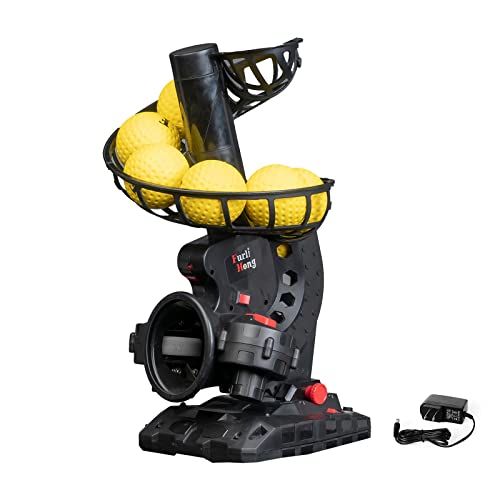
Furlihong Upgraded Electronic Baseball Pitching Machine
Flexible power options
Mixed batting drills

Premium Pick
Junior Hack Attack Baseball Pitching Machine
Advanced pitch control
Serious team work

Well Rounded Pick
Heater Power Alley Pro Real Baseball Machine
Real-ball training focus
Live batting reps
More Details On Our Top Picks
The 898BH keeps things simple in a way that makes sense for backyard reps and school-style drills. You step on the paddle, release it, then get a short delay before the next toss, so the rhythm feels hands-on rather than automated.
That mechanical setup also means there’s no power cord to manage, which helps in open spaces or training areas without easy outlets. Trainers who want a durable, low-fuss tool will like that more than the flashier electric choices later in this list.
Strong Points
- No power supply keeps setup simple.
- Three angle settings help match different ages and swing levels.
- The mechanical build avoids circuit-related complexity.
- Extra stackers can increase ball capacity, which cuts down on reload pauses.
Things To Consider
- You still need to step and reset the unit, so it suits active drills more than passive feed sessions.
- The manual routine takes a little more coordination from the person running practice.
Feature Card
Who It Suits Best
Coaches and families who want a low-tech toss machine for batting rhythm work will get the most out of it.
A Better Fit Elsewhere
The Furlihong Upgraded Electronic Baseball Pitching Machine suits you better when speed control and powered feeding matter more than hand-driven repetition.
This Heater model leans into 360-degree delivery, so the main appeal is variety without a bulky footprint. A built-in ball feeder adds convenience, and that matters during solo practice or smaller sessions where you don’t want to stop after every swing.
Compared with Furlihong’s manual 898BH, this one feels more hands-off for repeated reps. The trade-off is simple: more moving parts usually mean you’ll want to pay closer attention to setup, storage, and feed consistency.
What We Like
- 360-degree pitch direction helps keep sessions less predictable.
- Automatic feeding supports longer batting blocks with fewer pauses.
- The smaller profile fits tighter practice spaces well.
Worth Noting
- The feeder adds convenience, but it also adds one more part to maintain.
- You may prefer a heavier-duty frame for constant team use.
At A Glance
Who Should Grab It
Solo hitters and smaller households who want repeatable feed action with less setup hassle will appreciate it most.
Another Choice May Suit
The Junior Hack Attack Baseball Pitching Machine fits coaching-heavy environments better, especially where pitch location control and defensive drills matter.
Where the Slider Lite focuses on convenience, the Power Alley Lite gives you more pitch variety to work with. Its listed 40 to 80 MPH range covers everything from faster fastballs to off-speed looks, which makes batting practice feel more game-like for developing hitters.
The honest read is that this one asks for a little more from your training space and from the player. Lite balls are part of the package here, so that detail matters for anyone planning to use standard game balls instead of practice balls.
Reasons To Buy
- Wide speed range supports different drill tempos.
- Fastballs, sliders, and curves add useful variety.
- Portable design helps the unit move between practice spots.
- Good fit for hitters who have outgrown basic toss work.
Areas To Watch
- It is built around lite balls, so ball type matters.
- Some casual backyard setups may not need this much pitch range.
Details At A Glance
Made For
Hitters who want a more demanding practice tool for batting rhythm and pitch recognition will get the most value here.
Where A Sibling Pick Shines
The Heater Sports Slider Lite 360 Baseball Pitching Machine is easier to live with for lighter practice routines and smaller spaces.
The 388BH sits in a useful middle ground for families who want adjustability without jumping to a more advanced machine. You get multiple angle settings, plus a power bank or battery setup, which is handy in parks, driveways, or cages where outlets are awkward.
It also includes nine training balls, so the box gives you a head start instead of sending you hunting for extras. Beginners usually appreciate that kind of ready-to-go setup, although more advanced hitters may outgrow the ball count fairly quickly.
Positives
- Angle adjustments help tailor feeds for different drills.
- Battery or power-bank use supports more flexible placement.
- Included training balls make first setup easier.
- Works well for newer players building timing confidence.
Minor Gripes
- The included ball count helps at first, though active practice can burn through them fast.
- You may need to plan charging or spare power access for longer sessions.
Core Details
Right Fit For
Beginning hitters and family practice setups that need flexibility without a complicated learning curve will suit it well.
Look Elsewhere When
The Junior Hack Attack Baseball Pitching Machine makes more sense for coaches who need sharper pitch control and heavier-duty session planning.
This one is set up like a starter bundle, which is useful for kids and newer hitters who need more than just the machine. You get the machine, a bat, and a dozen training balls, so the first practice window feels less like a shopping project and more like an actual session.
The listed 20 MPH pace and Furlihong’s plastic training balls point toward a gentler training style. That matters in real use, because sting reduction and bat protection help younger players stay comfortable while they work on contact.
Highlights
- Starter bundle cuts down on extra purchases.
- 20 MPH output suits younger or newer hitters.
- Plastic balls are designed to be easier on bats and hands.
- Battery power keeps the setup portable.
Points To Note
- The gentler speed is a strength for beginners, but not enough for advanced batting work.
- Plastic training balls usually need their own storage space so they don’t wander off between sessions.
Feature Rundown
Built With In Mind
Kids, beginners, and casual backyard practice setups need the gentler pace and simple bundle this machine offers.
Where A Sibling Pick Shines
The Furlihong 388BH Baseball Pitching Machine gives you more angle flexibility once your practice routine needs a little more variety.
The upgraded Furlihong feels like the bridge between beginner gear and a more serious pitching setup. It runs on AC power or batteries, which gives you useful placement flexibility, and the adjustable wheels let you tune both speed and angle for different pitch types.
That matters in a busy training space, because one machine can cover fastballs, curves, and sliders without forcing you to switch equipment. It’s a stronger fit than the simpler 380BH or 388BH once your drills start demanding more pitch variety.
Upsides
- AC adapter or battery use gives you two power paths.
- Wheel adjustment on both sides adds speed and angle control.
- Fastballs, curves, and sliders support broader practice plans.
- Eight dimpled balls are included for early use.
Softer Spots
- Electronic controls usually ask for more care during storage than a simple manual unit.
- The dimpled-ball format works best when you stay with the intended ball type.
Feature Snapshot
Whose Shelf It Belongs On
Coaches and developing players who want a step up in control without leaving the budget-minded category will benefit most.
Swap It Out When
The Heater Sports Power Alley Lite 360 Baseball Pitching Machine is the cleaner fit for hitters who want higher-speed lite-ball work instead.
The Junior Hack Attack sits in a different lane from the Furlihong and Heater models, because it’s built for more exact pitch placement and a broader pitch mix. You get left- and right-handed fastballs, curves, sliders, split fingers, and knuckle balls, plus speeds up to 70 MPH, so it speaks more to serious training than casual driveway reps.
It also handles standard baseballs and can be aimed quickly for defensive work, including ground balls, line drives, and fly balls out to 250 feet. For coaching groups and older youth programs, that versatility is the real draw, though the setup and learning curve feel more advanced than the simpler budget picks.
Best Bits
- Pitch location control supports more targeted drills.
- Wide pitch mix covers several hitting styles and timing looks.
- Works with standard baseballs, which helps with everyday use.
- Quick head movement opens up defensive practice too.
- Up to 70 MPH gives room for stronger hitters.
Room For Improvement
- It makes more sense for organized training than casual solo use.
- More capable gear usually asks for a larger commitment in space and setup care.
Technical Sheet
Best Suited To
Travel teams, coaches, and stronger youth players who want precise machine work and a wider drill menu will get the most from it.
Reach For A Different Pick When
The Heater Power Alley Pro Real Baseball Machine is the simpler route for hitters who want real-ball practice without the same level of drill complexity.
This Heater model is a straightforward real-ball option for batting, pitching, and field practice. The 45 MPH ceiling keeps it grounded in practical training territory, so it feels more approachable than the Junior Hack Attack while still giving you enough pace for useful reps.
That balance makes sense for households and training spaces that want one machine for several uses. It’s a little less specialized than the performance-focused picks above, but that wider fit can be exactly what keeps it useful week after week.
Standout Traits
- Uses real baseballs, which suits standard practice habits.
- Multiple training uses cover batting, pitching, and field work.
- 45 MPH is a comfortable middle zone for many sessions.
- Adjustable design adds flexibility without going overly complex.
Small Caveats
- Advanced pitchers may want more speed and pitch variation.
- Real-ball use means you’ll want to keep an eye on ball wear and storage.
Core Details
The Right Fit
Families, casual teams, and multi-use practice setups that want a real-ball machine with a simple learning curve will appreciate it most.
A Better Fit Elsewhere
The Junior Hack Attack Baseball Pitching Machine suits advanced coaching better when pitch precision and defensive drill depth matter more.
How To Choose The Right Budget Pitching Machines
Match The Machine To The Practice Space
Backyard setups, garage lanes, and team cages ask for different footprints. A compact feeder like the Heater Sports Slider Lite 360 fits tighter spaces better, while the Junior Hack Attack makes more sense where you can leave a larger setup in place.
Power access matters just as much. Corded and AC-ready units suit permanent practice corners, while battery or power-bank models work better for parks, open fields, and quick sessions after school.
Pick The Feed Style That Fits The Hitter
Soft toss and manual-release machines build rhythm and timing, which helps newer hitters and coaches who like close control. Automatic feed models reduce pauses, so solo work feels smoother and more repeatable.
Pitch type matters too. Straight feeds are fine for early reps, but a machine that can throw sliders, curves, or mixed placement gives more realistic timing work once basic contact becomes comfortable.
Look Past The Headline Speed
Speed numbers only tell part of the story. A 70 MPH machine like the Junior Hack Attack serves a different purpose than a 20 MPH youth model, even before you factor in ball type and angle control.
Lite balls, dimpled balls, plastic training balls, and real baseballs all change the training feel. That detail affects everything from sting at contact to how much ball replacement and storage you’ll need later.
Think About Long-Term Ownership
Simple mechanical builds usually bring less upkeep, while electronic systems give you more pitch control in exchange for more care. That trade-off is worth it for serious training, especially in households that practice often.
Ball feeders, adjustable heads, and multi-power machines add convenience, but they also add parts to clean and store. For most families, the sweet spot is the machine that matches how often practice actually happens, not the one with the longest feature list.
Things Worth Knowing First
Common Shopping Slip Ups
Many shoppers focus on speed and ignore ball compatibility, which turns into a headache once the wrong balls are already on hand. A machine built for lite balls or dimpled balls needs the matching feed stock.
Another common miss is space. A more advanced pitching machine can feel awkward in a narrow driveway or small garage bay, even before you start swinging.
Where The Extra Money Goes
Higher-tier models usually pay for tighter pitch control, stronger feeding systems, and broader pitch variety. That shows up in smoother repetition, more drill options, and less compromise for organized practices.
The upgrade makes sense for coaches, travel teams, and older hitters who need realistic sequencing. Casual backyard use often doesn’t need that much machine, which is why simpler units still have a clear place.
Closing Thoughts
The right budget pitching machine depends less on brand polish and more on the kind of practice you want to repeat. A manual soft-toss setup suits hands-on drills, starter bundles help younger hitters, and the more advanced machines earn their place once pitch mix and control become the priority. Match the machine to your space, ball type, and practice rhythm, and you’ll land on a pick that feels useful instead of overbuilt.
