Book Appointment Now

8 Best Chalk Bags for Rock Climbing
Chalk bags are small, but the wrong one turns a session into a mess of spilled powder, awkward access, and lost tools. The eight picks below cover compact belt bags, larger bouldering buckets, and versions with pockets, brush loops, and stiffer rims for easier access. That spread matters for climbers who move between gym walls, outdoor boulders, lifting platforms, and mixed training days. The right choice comes down to opening size, carry options, stability, and how much extra storage belongs on the harness or the crash pad.
Quick Look At The Shortlist
PickWhy We Picked ItBest ForAction
Balanced Choice
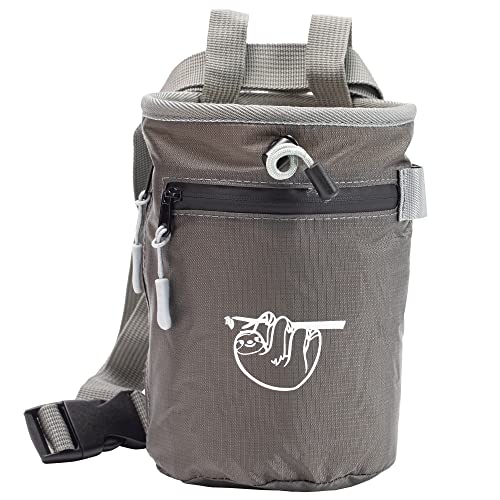
Old Blue Chalk Bag for Rock Climbing, 2 Zipper Pockets
Dual-pocket storage
Gym and crag use

Everyday Favorite
Old Blue Chalk Bag for Rock Climbing, 2 Zipper Pockets
Simple, multipurpose build
Mixed training days
Feature Rich
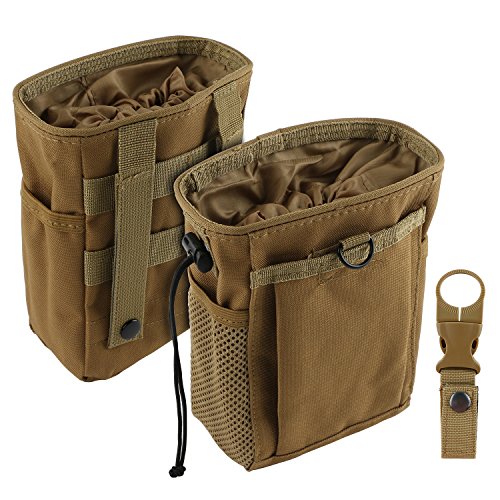
GGBuy Drawstring Rock Climbing Chalk Bag with Carabiner
Extra pocket utility
Tools and accessories

Design Standout
BG Climbing Chalkbags
Character-driven styling
Climbers who like flair
Premium Pick
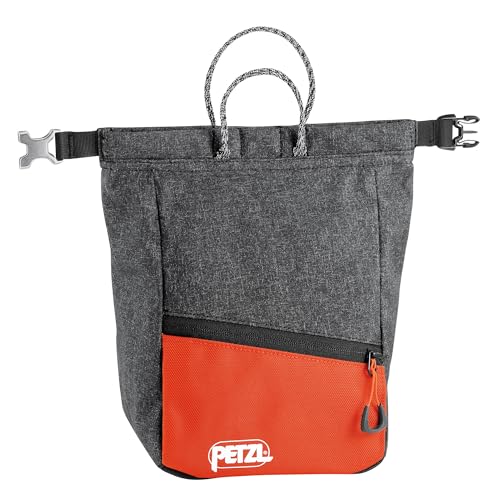
Petzl SAKAB Rock Climbing Chalk Bag Roll-Top Bucket
Stable bucket design
Boulder pad sessions

Practical Pick
SURVIVOR Chalk Bag for Rock Climbing and Bouldering
Sealed top closure
Shared gym use

Feature Rich
NOBOROU Rock Climbing Chalk Bag with Fleece Lining
Wide opening access
Fast chalk access

Reliable Runner Up
MIUONO Chalk Bag for Rock Climbing with Brush Loop
Reinforced everyday use
Regular training sessions
More Details On Our Top Picks
Old Blue’s layout makes sense for climbers who carry more than chalk alone. The two zippered pockets give room for tape, a brush, or a key set, so the bag works well for gym nights and outdoor sessions where small items tend to get scattered.
The trade-off is size and bulk, which matters on tight harness setups or minimalist bouldering days. Compared with BG Climbing Chalkbags, this one leans more utility-focused than personality-driven, and that suits mixed training use more than bare-bones carry.
What We Like
- Two zipper pockets keep small items separated from chalk.
- Useful for climbing, weightlifting, gymnastics, and similar training.
- Clear utility for gym bags that stay busy.
- Handy for sessions where tape and a brush travel together.
Small Caveats
- Extra storage can add bulk on a harness.
- The design favors function over a compact footprint.
Feature Rundown
Who It Suits Best
Gym climbers and boulderers who like pockets for tape and small accessories fit this bag well.
A Better Fit Elsewhere
Petzl SAKAB Rock Climbing Chalk Bag Roll-Top Bucket suits outdoor boulderers who want a more stable ground-resting format.
This Old Blue version lands in the same lane as item 1, so the deciding factor is mainly how the listing fits a regular climbing kit. Dual pockets again make sense for brush-and-tape carry, and the bag still reads as a general-purpose choice for climbing sessions and lifting work.
Nothing flashy shows up here, which is often a plus for a bag that gets tossed into a gym tote or clipped to a rope bag. For climbers who want familiar storage without a bucket-style footprint, the format is easy to live with.
Upsides
- Two pockets help keep small gear organized.
- Works across climbing and gym training.
- Straightforward format suits everyday carry.
- Low-fuss design is easy to pack away.
Things To Consider
- Closely overlaps with Item 1 in core layout.
- Does not add bucket-style stability for bouldering pads.
Feature Rundown
Who Will Love This
Climbers who want a plain, pocketed chalk bag for gym days and casual outdoor use fit this model well.
Look Elsewhere When
NOBOROU Rock Climbing Chalk Bag with Fleece Lining makes more sense for climbers who want a wider opening and a softer interior.
GGBuy takes a more equipment-heavy route, which suits climbers who like a bag that can do more than hold loose chalk. The drawstring top helps narrow the opening, and the included carabiner gives a simple way to clip the bag during transport or between routes.
The 600D Oxford polyester fabric adds a practical durability note, since that woven synthetic cloth is commonly used for abrasion resistance and shape retention. Compared with the two Old Blue picks, this one leans less on pocket storage and more on carry convenience.
Reasons To Buy
- Drawstring closure helps keep contents contained.
- Carabiner adds a useful clip-on option.
- 600D Oxford polyester brings a tough everyday feel.
- Works across climbing, gymnastics, and lifting.
Worth Noting
- Drawstring tops can feel less open than bucket styles.
- Fewer described comfort details than the fleece-lined NOBOROU option.
Core Details
Built With In Mind
Climbers who want a clip-friendly chalk bag for bouldering, gymnastics, or cross-training fit this design well.
Another Choice May Suit
Petzl SAKAB Rock Climbing Chalk Bag Roll-Top Bucket suits boulderers who want a larger, more stable ground setup.
BG Climbing keeps the presentation simple, and that simplicity is the point. The animal-edition theme gives the bag more personality than the plain utility-first Old Blue models, which can matter in a busy gym where small gear tends to look interchangeable.
That style angle does not replace the need for a practical shape, of course, so this pick makes the most sense for climbers who want their chalk bag to stand out without turning into novelty clutter. For casual sessions and climbing circles with a lighter mood, it fits neatly.
Bright Spots
- Animal edition styling adds clear visual personality.
- Easy way to spot the bag in a shared gear pile.
- Simple format keeps the focus on climbing use.
Points To Note
- Style is the main visible difference here.
- Less information is provided about storage or closures.
Details At A Glance
The Right Fit
Climbers who want a playful, easy-to-spot chalk bag for indoor sessions or casual outdoor use fit this model well.
Where A Sibling Pick Shines
Old Blue Chalk Bag for Rock Climbing, 2 Zipper Pockets suits anyone who values storage more than styling.
Petzl’s SAKAB moves into bucket territory, which is where bouldering chalk bags start behaving more like small ground stations. Semi-rigid sides and a stable base help it stay upright on a crash pad, so the opening stays usable instead of collapsing during rests between attempts.
That stability is the big reason this model sits apart from the smaller pocketed bags above. For outdoor bouldering days, especially with frequent resets between problems, the shape is easier to manage and less fussy on the ground.
Standout Traits
- Roll-top bucket form suits ground placement.
- Semi-rigid sides support the bag’s shape.
- Stable base helps reduce tipping on crash pads.
- Large format works well for shared chalk access.
Areas To Watch
- Bulk is the trade-off for better stability.
- Bucket format is less compact than harness-style bags.
Spec Overview
Best Suited To
Boulderers who spend time on crash pads and want a ground-stable chalk setup fit this Petzl design well.
Where Shoppers Go Wrong
GGBuy Drawstring Rock Climbing Chalk Bag with Carabiner suits climbers who need a lighter, more clip-friendly carry option.
SURVIVOR takes a plainspoken approach, and the drawstring closure is the feature that matters most here. It helps keep chalk and a chalk sock inside the bag between uses, which is helpful for gym climbers who hate ending a session with powder all over the floor of the tote.
Compared with the Petzl bucket, this one is less about ground stability and more about keeping contents contained. That makes it a sensible pick for everyday gym carry, lifting sessions, and mixed training where the bag gets opened and shut often.
Highlights
- Drawstring top helps contain chalk between sessions.
- Good fit for climbing, bouldering, and lifting use.
- Simple closure is easy to understand and manage.
- Useful for shared gym bags that stay packed.
Softer Spots
- Drawstring access is less open than a bucket rim.
- Storage details are sparse, so the layout stays basic.
Quick Facts
Whose Shelf It Belongs On
Gym climbers and lifters who want a simple closure and everyday carry fit this bag well.
Swap It Out When
Petzl SAKAB Rock Climbing Chalk Bag Roll-Top Bucket is the better match for outdoor bouldering and pad-side stability.
NOBOROU is built for quick access, and that starts with the wide opening. Fleece lining, meaning a soft inner fabric, helps keep loose chalk from drifting as much inside the bag, which can matter during fast route changes or a long session at the gym.
The removable belt gives it more flexibility than the fixed-carry options above, and the zippered pocket plus brush loops widen its practical range. Compared with the simpler SURVIVOR pick, this one feels better suited to climbers who like a more complete kit in a single bag.
Best Bits
- Wide opening speeds up chalk access.
- Fleece lining helps the interior feel more contained.
- Removable belt adds carry flexibility.
- Zippered pocket and brush loops support organized climbing.
Minor Gripes
- More features can mean a busier layout.
- Extra hardware may matter to minimalist boulderers.
At A Glance
Perfect Match For
Climbers who want quick chalk access plus belt, pocket, and brush options fit this model well.
Skip It When
BG Climbing Chalkbags makes more sense for climbers who want a simpler, style-first bag with less hardware.
MIUONO looks aimed at regular use, and the stiffer rim is the part that matters most. A firmer opening helps the bag keep its shape, so chalk access stays more predictable during repeat sessions at the wall or in the gym.
Robust stitching adds another practical note, especially for climbers who tend to use the same bag several times a week. Compared with the NOBOROU option, this one feels a touch more straightforward, with less emphasis on comfort extras and more on form retention.
Positives
- Stiffer rim helps the bag hold its opening.
- Brush loop keeps a climbing brush close at hand.
- Zippered pocket gives basic storage for small items.
- Robust stitching supports frequent use.
Room For Improvement
- Less detailed comfort information than the fleece-lined NOBOROU model.
- Feature set stays more focused on core function.
Core Details
Who Should Grab It
Frequent gym climbers who want shape retention and simple accessory carry fit this model well.
Reach For A Different Pick When
NOBOROU Rock Climbing Chalk Bag with Fleece Lining suits climbers who want a softer interior and a more feature-heavy layout.
How To Choose The Right Chalk Bags For Rock Climbing
Opening Shape, Carry Style, And Storage
The opening matters first. A wide mouth speeds access during quick gym problems, while a drawstring or roll-top style keeps chalk more contained between attempts. Bucket-style bags like the Petzl SAKAB work best on the ground, while slimmer pouch-style designs suit harness carry and lighter setups.
Storage changes the feel of the whole bag. Zippered pockets help with tape, keys, and brushes, but every extra compartment adds a little bulk. Climbers who carry only chalk usually prefer a simpler shell, while mixed-training days justify the extra space.
Materials And Durability Cues
Fabric choice affects how the bag handles wear. Polyester builds such as the GGBuy model typically aim for everyday abrasion resistance, while reinforced stitching and a stiffer rim, as seen on MIUONO, help the opening keep its shape through repeated sessions.
Soft interiors, such as fleece lining, feel more finished and can help reduce loose dust inside the bag. The trade-off is that comfort features often add weight or complexity, so minimalist climbers may prefer a plainer build.
Stability For Bouldering And Pad-Side Use
Boulderers need a bag that behaves well on the ground. Semi-rigid sides and a stable base reduce tipping, which is why bucket formats suit outdoor pad sessions better than small hanging pouches. That same stability can be less useful in roped climbing, where compact carry matters more.
Brush loops, belt options, and easy-access pockets are useful extras, but only when they match the session style. A chalk bag should support the climb, not become another item to manage between problems.
Before You Choose
Mistakes Worth Dodging
Storage is the most common mismatch. A pocket-heavy bag makes sense for tape and keys, but it feels clumsy for minimalist bouldering. Size matters too, because a large bucket can overwhelm harness-based use.
Another common miss is ignoring closure style. Drawstring tops contain chalk better, while open bucket rims make fast access easier. The right answer depends on whether the bag spends more time on a crash pad or clipped at the waist.
The Upgrade Payoff
Higher-tier bags usually add structure, more refined materials, or better access geometry. Semi-rigid sides, fleece lining, and reinforced stitching cost more to build, and they show up in day-to-day convenience rather than flashy extras.
The upgrade makes the most sense for frequent climbers, especially those who train several times a week or spend long sessions at the gym. Casual users often do just fine with a simpler pocketed bag, while regular boulderers tend to appreciate the added shape and stability.
Final Thoughts
The strongest chalk bag choice depends on how the climb is actually done. Gym climbers often want pockets and easy carry, while boulderers usually care more about stability, shape, and quick access on the pad. Old Blue covers the practical middle ground, Petzl handles ground-side bouldering well, and NOBOROU brings the most complete feature set. The best fit is the one that keeps chalk where it belongs and stays out of the way.
