Book Appointment Now

8 Best Chalks for Rock Climbing: Clean Grip Choices
Rock climbing chalk choices shape friction, cleanup, and how often hands need reloading during a session. Liquid formulas suit packed gyms and shared spaces, while loose powders and blocks still make sense for bouldering caves, training walls, and heavier grip work. Bag systems add storage and portability, which matters on long sessions or in a busy gym bag. The lineup below focuses on format, capacity, handling, and use-case fit rather than hype.
Quick Look At Our Shortlist
PickWhy We Picked ItBest ForAction
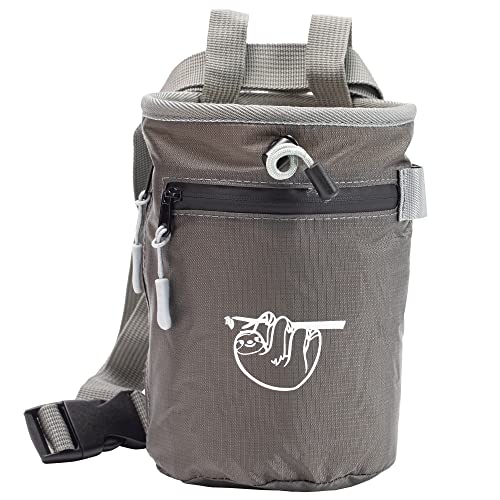
Everyday Favorite
Old Blue Chalk Bag for Rock Climbing with 2 Zipper Pockets
Storage and grip in one
Boulder sessions and gym bags

Practical Pick
EVMT Brands Liquid Chalk
Cleaner application style
Shared gyms and travel

Premium Pick
Friction Labs Secret Stuff Quick Grip Liquid Chalk 75 mL
Refined liquid formula
Frequent climbers

Budget Friendly
Rage Fitness Gym Chalk Block 2oz
Simple block format
Minimalist grip setup

Balanced Choice
321 STRONG 100 Gram Loose Gym Chalk
Flexible loose chalk format
Climbers and lifters

Refined Pick
Primo Chalk Resealable Bag Loose Chalk
Fine powder and bag storage
Frequent refills

Heavy Duty Pick
Metolius Super Chalk 2.5 Gallon Bucket
Bulk bucket format
Shared training spaces

Top Pick
Metolius Super Chalk 2.5 Gallon Bucket
Original climbing chalk blend
Dedicated climbers
More Details On Our Top Picks
Old Blue takes the familiar chalk bag route, then adds two large zipper pockets for tape, keys, or a small brush. That setup makes sense in a crowded gym bag, where loose items usually disappear right when they matter most. The bag also fits bouldering, wall climbing, and gym work, so the use case stretches beyond the climbing wall.
The honest read is that storage changes the whole ownership story here. Climbers who like one compact carry piece instead of separate pouches or pockets will get the most value, although the bulk is a little higher than a plain drawstring bag. For powerlifting or gymnastics sessions, the added room can feel more practical than decorative.
Strong Points
- Two zipper pockets keep small essentials together.
- Works for climbing, lifting, and gym training.
- Useful for bouldering days with extra gear.
- Helps reduce pocket clutter in a packed bag.
Things To Consider
- Storage adds bulk compared with a basic pouch.
- Extra zippers mean a little more upkeep.
Feature Snapshot
Who It Suits Best
Gym climbers and boulderers who carry tape, brushes, or keys in the same kit get the clearest benefit.
A Better Fit Elsewhere
EVMT Brands Liquid Chalk suits shared gyms more neatly, especially for climbers who want a cleaner grip routine.
EVMT Brands leans into liquid chalk, which means it goes on wet and dries to a grip-friendly film. That format is useful in commercial gyms, dance spaces, and any setting where loose powder would feel messy or out of place. The sweat-resistant claim points to a format that usually earns its keep during longer sets and repeated chalk-ups.
Compared with the Old Blue bag, this one is less about storage and more about cleaner handling. That trade-off matters for shared equipment or travel days, since liquid chalk tends to keep bags and bars tidier. The main caveat is the drying step, which adds a brief pause before the next set.
What We Like
- Cleaner than loose powder for indoor use.
- Useful for climbing, lifting, gymnastics, and dance.
- Better suited to shared or compact training spaces.
- Helps keep hands drier during repeat sets.
Points To Note
- Needs a moment to dry after application.
- Liquid format feels less traditional than block chalk.
- Reapplication style depends on the workout pace.
Core Details
Made For
Indoor climbers, lifters, and dancers who want less mess around shared surfaces will get the most value here.
Another Choice May Suit
Rage Fitness Gym Chalk Block 2oz fits minimalists who prefer a dry, direct block format over liquid application.
Friction Labs keeps the liquid-chalk format, but the 75 mL bottle and made-in-USA note push it toward a more refined lane. The product page also positions it as skin-friendly, which matters for climbers who chalk often during long gym sessions or repeated bouldering attempts. In a travel kit, the smaller bottle size is easy to slip in beside tape and hand care items.
Compared with EVMT Brands, this one feels more specialized and less general-purpose. The trade-off is simple, a compact bottle carries less volume, yet frequent climbers may prefer that form factor over a larger container that stays home. The tennis mention also broadens the use case, though the strongest fit remains chalk-hungry climbing sessions.
Upsides
- Small 75 mL bottle travels well.
- Liquid form keeps application controlled.
- Skin-friendly positioning suits frequent use.
- Made-in-USA note adds a clear identity.
- Works across climbing, lifting, gym work, and tennis.
Small Caveats
- Smaller bottle means more frequent replenishing.
- Liquid chalk still needs drying time.
Feature Rundown
Best Suited To
Regular climbers who want a compact liquid option for repeated sessions and travel days fit this format well.
Swap It Out When
321 STRONG 100 Gram Loose Gym Chalk is the easier match for climbers who want a traditional powder feel and quicker top-ups.
Rage Fitness keeps things stripped down with a 2 oz block of magnesium carbonate, the common chalk base used for dry grip. That block format appeals to climbers who like to break off a little at a time or crush it into a bag, depending on their routine. For a home gym, it stays straightforward and easy to store.
Relative to the liquid options above, this one gives a drier, more tactile feel in the hand. The block also creates a little more mess during handling, so storage in a sealed container or chalk bag makes sense. Still, that simplicity has real value for short sessions and occasional use.
Highlights
- 2 oz block format is easy to manage.
- Magnesium carbonate suits dry grip routines.
- Simple shape stores neatly in a gym bag.
- Good match for short training sessions.
Worth Noting
- Block form can shed dust while handling.
- Less tidy than liquid chalk in shared spaces.
Technical Sheet
The Right Fit
Home gym climbers and lifters who prefer a basic block rather than liquid chalk will feel at home here.
Reach For A Different Pick When
EVMT Brands Liquid Chalk makes more sense for shared gyms where tidy application matters more than a raw block feel.
321 STRONG stays in the loose-chalk lane, and the 100 gram fill gives it a straightforward role in climbing kits and lifting bags. Loose powder is the classic middle ground for people who want fast coverage without the pause of liquid drying time. It also fits kettlebells and gymnastics, so the bag can serve more than one training habit.
Against the block and liquid options, this one sits in a familiar sweet spot. The trade-off is the usual one with loose chalk, more dust potential than liquid and less containment than a bagged setup. For most home gyms, though, the broad use range is the stronger story.
Best Bits
- Loose chalk applies quickly between sets.
- 100 gram size suits gym bags well.
- Works across climbing, lifting, kettlebells, and gymnastics.
- Good middle ground for mixed training.
Areas To Watch
- Loose powder can spread more easily.
- Storage matters more than with liquid formats.
Details At A Glance
Whose Shelf It Belongs On
Climbers who also lift or train with kettlebells will get a lot of mileage from this loose format.
Look Elsewhere When
Friction Labs Secret Stuff Quick Grip Liquid Chalk 75 mL is the cleaner match for climbers who want a more controlled application.
Primo Chalk pairs loose powder with a resealable bag, which makes storage more orderly than a plain pouch or open tub. The fine chalk powder is the selling point here, since it absorbs sweat quickly and gives hands a drier finish before hard pulls or bar work. That kind of setup fits climbers who like to refill a chalk ball or keep bulk chalk organized at home.
Compared with 321 STRONG, this one leans a little more toward storage discipline and repeat use. The made-in-USA note and the skin-conditioning claim create a more polished profile, though that also sets expectations for a more care-focused formula. Frequent climbers and lifters will notice the difference most during long training blocks.
Positives
- Resealable bag helps keep chalk contained.
- Fine powder absorbs sweat quickly.
- Works well as chalk ball refill material.
- Made-in-USA note gives it a defined identity.
- Conditioning focus may suit frequent use.
Softer Spots
- Bag format still needs careful sealing after use.
- Loose powder can leave residue in storage.
- Formula emphasis may not suit every grip preference.
Spec Overview
Perfect Match For
Climbers who refill chalk balls or store bulk chalk at home will appreciate the resealable format.
Where A Sibling Pick Shines
Metolius Super Chalk 2.5 Gallon Bucket is the better fit for large shared spaces that need a much bigger supply.
Metolius moves into bulk territory with a 2.5 gallon bucket, the sort of format that makes sense in climbing gyms, training centers, or home setups shared by several people. A bucket that size is less about portability and more about constant supply, which is useful when a small bag keeps running empty. The large container also keeps the chalk together instead of scattering small packs around a space.
Compared with the smaller loose-chalk options, this bucket is a storage decision as much as a grip decision. The trade-off is obvious, it is far too large for a travel kit, but that is exactly why it works for fixed locations. For a wall space or garage gym, it feels practical in a very plain way.
Reasons To Buy
- Large bucket suits heavy shared use.
- Reduces the need for frequent restocking.
- Keeps bulk chalk organized in one place.
- Fits climbing gyms and home training areas.
Room For Improvement
- Too bulky for travel or small bags.
- Storage space matters more than with smaller formats.
At A Glance
Built With In Mind
Climbing gyms, wall spaces, and home training rooms that go through chalk quickly suit this bucket best.
Not Your Match When
Primo Chalk Resealable Bag Loose Chalk is the smarter choice for climbers who need something compact and portable.
This Metolius bucket is labeled as the original chalk made specifically for rock climbing, and that detail gives it a very clear lane. The 2.5 gallon size points toward long-term use in serious climbing spaces rather than occasional carry. For regular climbers, that combination reads like a steady supply sitting in the corner, ready for every session.
Compared with the matching Metolius bucket above, the difference lies in the source listing’s explicit climbing focus. That makes it the more direct fit for climbers who want a chalk product aimed squarely at the wall, not a broader training blend. The size still keeps it in the bulk category, so storage space remains the main consideration.
Bright Spots
- Original climbing chalk positioning is clear.
- Large bucket serves frequent use well.
- Useful for dedicated rock climbing spaces.
- Reduces how often smaller containers run out.
Honest Caveats
- Bucket format needs permanent storage space.
- Too large for bags or travel kits.
Core Details
Who Should Grab It
Dedicated climbers and gym operators who want a climbing-first bulk supply will appreciate the direct focus here.
Look Elsewhere When
Old Blue Chalk Bag for Rock Climbing with 2 Zipper Pockets suits portable carry better, especially for climbers who want storage attached to the chalk setup.
How To Choose The Right Chalks For Rock Climbing
Match The Format To The Session
Liquid chalk fits indoor walls, shared training spaces, and travel bags because it keeps residue contained. Loose chalk and block chalk feel quicker in use, though they usually spread more dust and ask for a bit more cleanup. Chalk bags add convenience for climbing days, especially when tape, keys, or a small brush need to ride along.
Think About Surface, Sweat, And Frequency
High-sweat sessions and repeated attempts tend to favor liquid formulas or finer loose powder. A climber moving through long boulder problems may value fast reapplication, while a lifter or gym cross-trainer may care more about simple hand coverage between sets. The right choice usually comes down to how often chalk is needed, and how much mess a space can tolerate.
Size Matters More Than It Looks
A 75 mL bottle, a 100 gram bag, and a 2.5 gallon bucket serve very different ownership patterns. Small containers travel well and fit compact kits, while bulk buckets belong in fixed spaces where many hands share one supply. That distinction can matter as much as the chalk formula itself.
Storage, Cleanup, And Carry Comfort
A resealable bag or a chalk bag with pockets makes life easier for regular sessions. In a garage gym, a bucket reduces clutter and keeps powder in one place, while in a commercial gym a liquid bottle leaves the least trail. For most climbers, the honest balance sits between convenience and how much dust ends up on the floor, mat, or gear.
Things Worth Knowing First
Common Shopping Slip Ups
A frequent mistake is choosing a format by habit instead of by use case. Loose chalk feels familiar, but shared gyms often reward liquid chalk because it leaves less residue on bars and mats. Another common miss is buying more volume than the storage space can handle, which turns a good supply into a clutter problem.
What The Higher Tier Buys
Higher-priced chalk often reflects finer packaging, more targeted formulas, or a stronger fit for frequent use. Skin-conditioning language, resealable bags, and compact bottles can add convenience that plain blocks do not provide. The upgrade makes sense for climbers who chalk often, travel with gear, or care about keeping bags and hands a little cleaner.
Final Thoughts
The strongest chalk choice depends on where the climbing happens and how much cleanup feels acceptable afterward. Liquid options suit shared gyms and travel, while loose chalk and blocks keep the classic climbing feel alive. Bulk buckets belong in permanent spaces, not in a day pack. For most setups, the right answer is the format that disappears into the routine and never gets in the way.
