Book Appointment Now

8 Best Coach Pitch Bats for 2026: Easy Swings for Real Games
You’re probably sorting through a mix of youth softball bats, teeball bats, and a few training tools, all while trying to match the right swing weight to the right player. That’s exactly where this roundup helps, because coach pitch gear lives in a narrow lane, light enough for quicker contact, but still sturdy enough for regular practice and game-day reps. You’ll also see a couple of crossover picks for younger hitters and coaches who need a bat that does more than one job. The honest read is that the right choice depends less on hype and more on barrel size, drop weight, and how often the bat will live in a dugout bag.
Quick Look At Our Shortlist
PickWhy We Picked ItBest ForAction

Balanced Choice
Easton Cyclone Fastpitch Softball Bat -10 Drop
Easy contact swing
Youth fastpitch starters

Everyday Favorite
Easton Sapphire Fastpitch Softball Bat -10 Drop
Lightweight swing feel
Developing youth hitters
Compact Choice
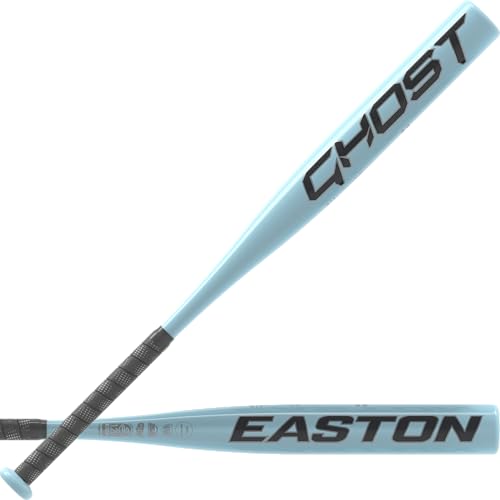
Easton Ghost Youth Fastpitch Softball Bat -11
Quick, lighter swing
Smaller youth players

Practical Pick
Baseball Racket for Fly Balls Fungo Racket
Practice repetition tool
Coaches and parents
Budget Friendly
Franklin Sports Kids Venom Aluminum Teeball Bat
Simple tee-ready setup
New teeball players

Heavy Duty Pick
Easton Hammer Slowpitch Softball Bat 12-Barrel
Power-first barrel load
Slowpitch regulars
Traveler’s Choice
Easton Moxie T-Ball Bat -13 Drop 2 1/4″ Barrel
Lightweight tee bat
Young tee hitters

Feature Rich
Easton Topaz Fastpitch Softball Bat -10 Drop
Alloy build, field ready
All-around fastpitch use
More Details On Our Top Picks
The Cyclone sits in the lane that many coach pitch hitters need most, a light aluminum bat with a -10 drop, which means the bat weighs 10 ounces less than its length in inches. That lighter swing weight helps younger players keep the barrel moving without feeling rushed, especially in practice sessions where contact matters more than raw pop. Compared with the Sapphire, it reads a touch more straightforward and utilitarian, which suits a player still building rhythm.
Parents and coaches who want a simple, field-ready option usually appreciate that kind of no-drama setup. The trade-off is that a one-piece aluminum build can feel stiffer than more damped multi-piece designs, so it’s a better fit for confidence and control than for a soft, cushioned feel.
Strong Points
- -10 drop keeps the swing weight manageable for younger hitters.
- One-piece aluminum construction brings a direct contact feel.
- Field-approved use makes it easy to slot into regular play.
- Good choice for repetitive coach pitch reps in the cage or on the field.
Things To Consider
- One-piece aluminum tends to feel firmer on contact.
- The light profile helps control, but not every player wants that exact balance.
- Basic construction keeps upkeep simple, though dents still need a careful eye after rough handling.
Feature Rundown
Who It Suits Best
Younger fastpitch players who want a light, direct-swing bat will get the most from this one.
Where A Sibling Pick Shines
Easton Sapphire Fastpitch Softball Bat -10 Drop is the better match for a player who wants a similarly light bat with a slightly more development-friendly feel.
The Sapphire leans into beginner-friendly swing weight in a way that makes sense for coach pitch and early fastpitch work. Its -10 profile is easier to manage than a heavier youth bat, and that matters in real practice, where repeated swings can expose fatigue fast. Compared with the Cyclone, it sounds like the bat was built with development in mind, not just basic field duty.
That lighter profile can help players make more consistent contact, though some stronger hitters may eventually want a bit more mass in the barrel. The honest read is that this one fits best in the hands of a developing player who needs repetition to feel smooth rather than forced.
Upsides
- Light swing weight helps younger players keep the barrel moving.
- Good match for skill building during coach pitch sessions.
- Aluminum build keeps the bat simple to maintain.
- Field-ready design fits school, rec, and weekend use.
- Works well for players who are still timing pitches.
Small Caveats
- Some stronger hitters may outgrow the lighter feel sooner.
- One-piece aluminum can feel more direct than cushioned.
- Keeping the barrel in good shape means avoiding sloppy storage with heavy gear piled on top.
Quick Facts
Right Fit For
Young fastpitch players who need a lighter bat for regular contact work fit this model well.
Skip It When
Easton Ghost Youth Fastpitch Softball Bat -11 suits a player who needs an even lighter swing than the Sapphire offers.
The Ghost Youth trims swing effort a bit further with its -11 drop, so it makes sense for smaller players or anyone still getting comfortable with bat speed. That extra ounce of ease can matter a lot during longer practices, where a lighter bat keeps mechanics cleaner late in the session. Compared with the Sapphire and Cyclone, this one goes harder on quick handling than on barrel heft.
The trade-off is predictable, lighter swing weight usually means less built-in mass behind the ball. For most backyards and rec fields, though, that’s a fair trade when the goal is better contact and less strain on the arms.
Bright Spots
- -11 drop creates a very light swing path.
- Good fit for players who need easier bat speed.
- One-piece aluminum keeps the feel straightforward.
- Useful for practice days that run long.
Areas To Watch
- Less mass through the zone than heavier youth bats.
- More suited to contact work than power expectations.
- Stored carelessly with other gear, any aluminum bat can pick up wear marks over time.
Feature Card
Made For
Smaller youth fastpitch players who need every bit of help with swing speed are the best match here.
A Better Fit Elsewhere
Easton Sapphire Fastpitch Softball Bat -10 Drop suits a player who wants a little more barrel presence without leaving the lightweight category.
This fungo-style training bat belongs in a different conversation from the Easton youth bats, because it’s built for drills, not player at-bats. Coaches and parents use fungo bats to send grounders and pop flies with less effort, so the long, repeatable practice session becomes easier to manage. That makes it especially handy for field work where you’re trying to keep a whole group moving.
The trade-off is obvious, it’s a training tool, so it isn’t meant to stand in for a game bat. In a busy practice bag, that distinction matters more than it sounds, since the right tool saves energy and keeps reps consistent.
What We Like
- Useful for hitting controlled ground balls and fly balls.
- Helps coaches run longer practices with less arm fatigue.
- Good fit for structured defensive drills.
- Simple purpose makes it easy to hand off to a helper or parent.
Points To Note
- Training-only shape makes it a poor stand-in for game use.
- The longer, lighter feel can take adjustment for newcomers.
- Keeping it separated from game bats helps avoid mix-ups in the equipment bag.
Details At A Glance
Whose Shelf It Belongs On
Coaches and parents who run fielding practice regularly will get the clearest value from this fungo bat.
Look Elsewhere When
Easton Cyclone Fastpitch Softball Bat -10 Drop is the better call for a player who needs a true coach pitch bat instead of a practice tool.
The Venom Aluminum Teeball Bat is aimed at the earliest stage of hitting, which makes it a cleaner fit for tee work than for full coach pitch progression. Its simple aluminum build keeps the design easy to understand, and that matters for families who want a straightforward first bat without a lot of moving parts. Compared with the Ghost and Sapphire, this one is more about learning the motion than squeezing out every bit of bat speed.
That simplicity is a plus in a closet full of gear, since there’s less to fuss over and less to explain. The trade-off is that tee-ball use narrows the job description, so this is best for beginners who are still learning how to square up the ball consistently.
Best Bits
- Simple aluminum build is easy to manage.
- Good first bat for tee-ball fundamentals.
- Works well for short practice sessions at home or on the field.
- Low-complexity design helps keep maintenance easy.
Minor Gripes
- More suitable for tee-ball than coach pitch or advanced youth play.
- Players outgrow beginner bats quickly once contact improves.
- Stored with metal gear, the barrel can still pick up scuffs and dings.
Core Details
The Right Fit
Young tee-ball starters who need a simple first swing tool are the natural fit for this bat.
Another Choice May Suit
Easton Moxie T-Ball Bat -13 Drop 2 1/4″ Barrel suits families who want a more bat-specific tee-ball option with a lighter feel.
The Hammer is the outlier in this list, because slowpitch and coach pitch are different worlds, but it still tells you a lot about Easton’s barrel-first thinking. A loaded 12-inch barrel usually points toward stronger momentum through contact, which is the kind of profile many slowpitch regulars look for in adult league play. Compared with the lighter youth bats above, this one is built for a very different swing pace.
That extra barrel emphasis can feel great for players who already know what they want, though it’s not the right match for younger hitters or anyone looking for a quick, easy turn. The honest read is that the weight load pays off only when the player can handle it comfortably.
Reasons To Buy
- Loaded feel helps build momentum through the zone.
- 12-inch barrel offers a familiar slowpitch shape.
- Field-approved status broadens practical league use.
- Good fit for experienced adults who want a heavier swing profile.
Worth Noting
- Not a coach pitch choice for youth hitting sessions.
- Heavier feel can tire less experienced hands quickly.
- Storing a loaded bat beside lighter youth gear may make grab-and-go sorting a little less tidy.
Technical Sheet
Built With In Mind
Adult slowpitch players who like a more forceful barrel feel will get the most from this model.
Where A Sibling Pick Shines
Easton Topaz Fastpitch Softball Bat -10 Drop is the more sensible choice for youth coach pitch or fastpitch practice.
The Moxie is the most clearly tee-ball-specific Easton option in this group, and the -13 drop gives it a very easygoing swing weight. The 2 1/4-inch barrel, which is the hitting end of the bat, keeps the profile familiar for little-league style setup, and the one-piece aluminum build keeps things straightforward. Compared with Franklin’s Venom, this one is the more purpose-built pick for families who already know tee-ball is the lane.
You may find the lighter build especially helpful for younger hands that tire quickly during repeated swings. The trade-off is that this kind of lightness is less useful once a player moves up to coach pitch and needs a bit more bat behind the ball.
Positives
- -13 drop makes the bat feel very easy to start.
- 2 1/4-inch barrel suits classic tee-ball use.
- One-piece aluminum keeps the construction simple.
- Good for early lessons on making clean contact.
- Multiple styles help with basic preference matching.
Softer Spots
- Best suited to tee-ball, not broader youth progression.
- Lighter build can feel too small once confidence grows.
- Multiple styles may require a quick check before you place it in a team bag or home bin.
Feature Snapshot
Perfect Match For
Brand-new tee-ball players who need a light, easy-to-control bat are the clearest fit here.
Swap It Out When
Franklin Sports Kids Venom Aluminum Teeball Bat is the better choice for a family that wants a simpler, more general beginner bat.
The Topaz brings a useful blend of a -10 drop and a one-piece alloy build, so it sits in the same broad comfort zone as the Cyclone and Sapphire but with a slightly different material feel. Alloy usually means a crisp contact sensation, which some players prefer in coach pitch because feedback is immediate and easy to understand. For a team bag or a player moving between practice fields, that kind of all-around setup is easy to live with.
The trade-off is the familiar one with single-piece metal bats, the feel can be firm, and that won’t suit every hand. Still, for players who want a dependable fastpitch option without extra fuss, this one lands in a very sensible place.
Highlights
- -10 drop keeps the swing manageable for youth play.
- One-piece alloy construction gives a crisp contact feel.
- Field-approved use makes it flexible for regular sessions.
- Good fit for players who like straightforward metal feedback.
Honest Caveats
- Firm contact feel may not suit every hitter.
- Less forgiving than some softer-feeling multi-piece styles.
- Simple alloy care still matters, especially after damp field days.
Core Details
Who Should Grab It
Youth fastpitch players who want a balanced metal bat with a direct feel will fit this model well.
Reach For A Different Pick When
Easton Sapphire Fastpitch Softball Bat -10 Drop is the better match for a player who wants a lighter, more beginner-friendly swing.
How To Choose The Right Coach Pitch Bats
Match The Drop Weight To The Hitter
Drop weight is the gap between bat length and bat weight, and it shapes how heavy the bat feels during the swing. A -10 or -11 bat usually suits coach pitch and youth fastpitch better than a heavier model because it helps the barrel move faster with less effort. That lighter feel matters most during long practices, where tired hands can turn decent mechanics into late swings.
Heavier bats can still help stronger players, but they only work when the hitter already controls the motion. The sweet spot is a bat that feels quick without feeling flimsy, which is why most coach pitch setups live in the lighter range.
Look At Barrel Size And Build
Barrel size is the hitting end of the bat, and it affects both the contact zone and the overall feel. A 2 1/4-inch barrel, like the one on the Moxie, suits early tee-ball work, while larger youth softball profiles give a bit more room for developing contact habits. One-piece aluminum and alloy bats usually feel firmer, so you get direct feedback on mishits and solid contact alike.
That firmer response can help some players learn faster, though it may feel less forgiving than more cushioned constructions. For a coach pitch player, the right balance usually comes down to how much feedback the hitter wants versus how soft the bat should feel in the hands.
Separate Game Bats From Training Tools
Coach pitch bats and fungo bats do not solve the same problem. A game bat is for live swings, while a fungo bat is for controlled practice reps and fielding drills, so mixing them up tends to create clutter and confusion in the bag. Coaches who handle both roles usually need one bat for hitting and another for drill work.
The cleaner your setup, the easier practice becomes. A player’s bat should match the swing event, not just the sport name on the shelf.
What To Weigh Before You Choose
Mistakes Worth Dodging
One common slip is picking a bat only because it looks ready for older players, then finding out it feels too heavy for coach pitch contact work. Another is confusing tee-ball sizing with youth softball sizing, which can leave a young hitter swinging something that feels either too tiny or too cumbersome. The safer move is to match the drop weight and barrel profile to the player’s current strength, not to future aspirations.
Storage matters too. Aluminum and alloy bats stay simple to maintain, but they still deserve dry storage and a bag that doesn’t crush the barrel under a pile of gear.
The Upgrade Payoff
Higher-tier bats usually cost more because of more refined construction, better feel at contact, and sometimes a more dialed-in balance point. That extra money starts to make sense for players who hit often, especially in coach pitch programs where repeat swings can expose weak spots in a bat’s feel. Better balance can also help a hitter stay consistent as mechanics improve.
For a brand-new player, a simple light bat is often enough. Once contact gets cleaner and practice time grows, the upgrade becomes easier to justify because the bat starts supporting progress instead of just getting out of the way.
Closing Thoughts
The right coach pitch bat should feel easy to start, stable through contact, and honest about who it serves. Easton’s lighter youth bats cover most of the sweet spot here, while the Moxie is the clearest tee-ball specialist and the fungo bat belongs with coaches, not hitters. You’ll get the best result by matching the bat to the player’s current swing, not the one you hope appears next season. Keep the choice simple, and the field work usually gets better fast.
