Book Appointment Now

8 Best Compound Bow Targets for 2026
Setting up archery practice at home gets easier when your target matches your bow, your yard, and your shooting style. Some options suit tight spaces and repeat sessions, while others make more sense for heavier setups or mixed-bow households.
This roundup focuses on compound bow use, with a practical eye on arrow removal, portability, face variety, and how long a target tends to stay useful under regular practice. You’ll also see where a bow package belongs in the mix, because not every setup starts with the target alone.
The Shortlist At A Glance
PickWhy We Picked ItBest ForAction

Editor's Choice
Sanlida Archery Dragon X8 RTH Compound Bow Package
Complete setup in one box
New compound bow users
Top Pick
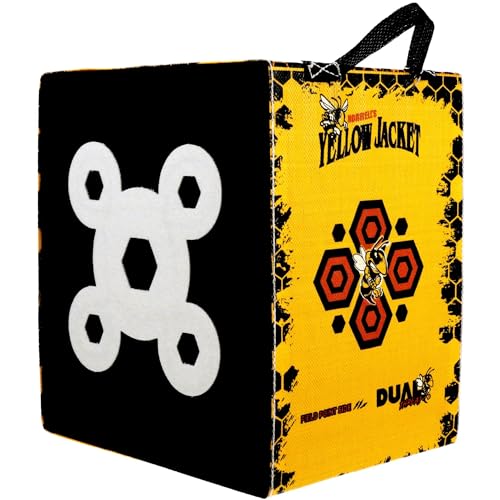
Morrell Yellow Jacket Dual Threat Foam Archery Target Block
Four-sided foam practice block
Frequent backyard shooting

Balanced Choice
Rinehart 18-1 Archery Target
Many faces, easy carry
Portable practice sessions

Practical Pick
Morrell Supreme Range Adult Field Point Archery Bag Target
Scoring rings for practice
Structured target training

Performance Leader
Delta McKenzie Speedbag 20" Archery Field Point Bag Target
Built for higher-speed use
Serious field-point practice

Value Pick
Morrell Super Duper Field Point Bow Targets Archery Block Bag
Portable foam-bag format
Simple practice setups

Compact Choice
VEVOR Archery Target Block
Lightweight, easy to move
Small-space practice

Feature Rich
Delta McKenzie Speedbag Revolver 6-Sided Archery Target
Six faces, strong visibility
High-volume backyard sessions
More Details On Our Top Picks
For compound bow newcomers, this package matters because it gathers the usual starter pieces into one setup. The adjustable draw length from 18 to 31 inches and draw weight from 0 to 70 pounds make it more adaptable than a fixed-fit rig, and the right-hand setup keeps the fit straightforward.
The trade-off is that you are choosing a full package, not a standalone target, so the value depends on wanting everything at once. In a garage corner or backyard lane, the included sight, rest, stabilizer, sling, peep sight, arrows, quiver, release, puller, stand, and case make the first stretch less piecemeal.
Strong Points
- Adjustable draw range suits changing skill levels and growing shooters.
- The included accessories reduce the need to piece together a starter kit.
- Draw weight flexibility helps you set a calmer practice feel at first.
- The case and stand support cleaner storage between sessions.
Things To Consider
- Right-hand use only narrows the fit for left-handed archers.
- You are managing many included parts, so setup takes more attention than a single target block.
- The package focus makes less sense for someone who already owns most accessories.
Feature Snapshot
Who It Suits Best
Beginners, teens, and adults starting from scratch get the most from the one-box approach.
A Better Fit Elsewhere
Rinehart 18-1 Archery Target suits shooters who already own a bow and want a dedicated practice block instead of a full package.
Backyard practice feels easier with a block target that gives you four usable sides and plenty of aiming spots. Morrell’s fused cellular foam and offset bullseye layout are built for repeat shooting, and the 350 fps stopping rating gives the target a wide use range for compound bows and crossbows.
Compared with the Sanlida package, this is the cleaner choice for someone who already has a bow and wants to shoot more often. The honest read is that a foam block can still wear unevenly over time, so rotating faces and storing it out of harsh weather helps it stay useful longer.
Highlights
- Four sides stretch the useful life across more practice sessions.
- Thirty-two bullseyes create plenty of aiming points for drills.
- The foam build keeps the block manageable for moving around a yard or garage.
- It fits compound bows and crossbows, so mixed equipment homes get more flexibility.
Minor Gripes
- Block targets take space, so smaller storage areas may feel tight.
- Foam faces need rotation to avoid burning one spot too fast.
- Long-term durability depends partly on how consistently you spread shots across the faces.
Core Details
Who Will Love This
Compound bow owners who shoot often in the yard or at a home range get a lot of mileage from this block.
Look Elsewhere When
Delta McKenzie Speedbag Revolver makes more sense for archers who want a cube-style target with six sides and a slightly more compact footprint.
Rinehart’s cube-style layout is useful for archers who want plenty of fresh faces without dragging a heavy setup from place to place. The 18-sided form gives you a lot of shooting zones, and the built-in handle makes it easier to carry to a club, backyard, woods edge, or camp.
Unlike the Morrell Yellow Jacket, this one leans more toward portability and face variety than sheer visual spread. The broadhead and field-point compatibility is handy for mixed practice, though broadheads can be rough on any target, so face management matters here as much as placement.
Upsides
- Eighteen faces create generous variety for regular practice.
- The handle makes transport simpler than many bulkier block shapes.
- Broadhead and field-point compatibility adds flexibility for different drills.
- Its cube format is easy to stash in a garage or vehicle.
Softer Spots
- High-use shooters may rotate through faces quickly.
- Smaller face zones can feel less forgiving for broad practice patterns.
- Anyone who wants a large flat front may prefer a different style.
Feature Rundown
The Right Fit
You get the most from this target when you want a portable practice block with lots of usable angles.
Swap It Out When
Morrell Supreme Range fits better for shooters who want a bag-style target with scoring rings and a more traditional front face.
Bag targets like this one make sense for structured practice, especially when scoring rings help you track where arrows land. The NASP-style layout gives beginners a clearer way to work on grouping, while more experienced archers can use it for routine field-point work in a backyard or training lane.
Compared with Rinehart’s many-sided cube, this Morrell leans into a more familiar front face and a more straightforward aim point. One thing worth considering is that bag targets usually feel best with field points, so the setup is friendlier for target sessions than mixed-tip use.
Bright Spots
- Scoring rings help you track consistency shot by shot.
- The bag format suits a simple, no-fuss practice routine.
- It works well for beginners learning a repeatable anchor and aim.
- The white face gives a clear visual target against darker arrow shafts.
Points To Note
- Field-point focus makes it less flexible than some cube-style targets.
- Bag targets can shift or sag over long use, depending on shot placement and storage.
- You may want a dry storage spot to keep the outer material in better shape.
Details At A Glance
Built With In Mind
You benefit most here when your practice leans toward form work, grouping, and clear scoring zones.
Reach For A Different Pick When
Delta McKenzie Speedbag 20" suits higher-speed compound setups that need a tougher field-point bag.
This is the pick for archers who push field-point practice harder and want a bag that can handle repeated sessions with less fuss. The high-density build and dual-sided aiming points support long practice stretches, and the weatherproof design matters for anyone leaving gear in a garage, shed, or patio area.
Compared with Morrell’s Supreme Range, this one feels more performance-minded and less classroom-like. The honest read is that its heavier-duty feel is useful, but that same density can make arrow removal and movement feel a bit firmer than on softer, lighter bags.
Reasons To Buy
- High-density construction suits heavier practice schedules.
- Dual-sided aiming points add more ways to spread wear.
- Weather resistance helps the target hold up in less protected spaces.
- It works across compound bows, recurves, and crossbows, so the setup stays flexible.
Areas To Watch
- Heavier construction may feel less convenient to move often.
- Dense bag targets can require firmer arrow pulls.
- Field points remain the better match, so tip choice still matters.
Core Details
Whose Shelf It Belongs On
Serious compound bow shooters who want a tougher bag target for frequent field-point drills get the most from this one.
Where Another Pick Suits Better
VEVOR Archery Target Block is the easier choice for someone who wants a smaller, lighter target to carry around often.
Morrell’s yellow block-bag style lands in a useful middle ground, with portable handling and a shape that suits casual outdoor practice. For compound bow owners who want something straightforward in the yard, it keeps the setup simple without asking for a lot of extra space.
Relative to the Speedbag 20, this one sounds more approachable than heavy-duty. That can be a plus for easy transport, though frequent shooters may want the denser build of a tougher bag if they plan to send a lot of arrows through the same spot.
Best Bits
- Portable shape makes it easier to move between practice spots.
- Works well for routine field-point sessions in a yard or range.
- The block-bag format keeps the learning curve simple.
- It suits compound bow and crossbow practice without much setup fuss.
Small Caveats
- Less detail in the source data leaves some ownership questions to the listing page.
- Portable bags usually benefit from careful storage after outdoor use.
- Frequent shooters may want a denser target for longer wear cycles.
Technical Sheet
Perfect Match For
You’ll like this most for simple outdoor sessions where portability matters as much as the target face.
Skip It When
Delta McKenzie Speedbag Revolver fits better for shooters who want six faces and a more information-rich target surface.
This one makes sense for smaller practice areas, especially when you want a target that’s easy to move and easy to store. At 16 x 18 x 11 inches and 6.8 pounds, it stays manageable, and the carry handle helps when you shift between garage, yard, and range.
The caution is in the usage note: the brand recommends bows under 45 pounds and asks you to avoid broadheads and anchorheads. For most casual compound practice, that sounds fine, but heavier setups should look elsewhere, and the need to keep distance in mind adds a little discipline to setup.
What We Like
- Light weight makes transport much easier than larger block targets.
- The carry handle is useful for quick moves between practice spots.
- Great visibility helps you track aim points without straining your eyes.
- The compact size suits tighter storage areas and smaller yards.
Worth Noting
- The under-45-pound guidance limits heavier bows.
- Broadheads and anchorheads are outside the intended use.
- Target placement needs a little attention to distance and safe setup.
Feature Card
Who Should Grab It
Casual compound bow shooters with limited storage space will appreciate the size and carry-friendly build.
Another Choice May Suit
Delta McKenzie Speedbag 20" makes better sense for archers who want a larger, heavier-duty bag target for more frequent sessions.
Six shootable sides give this cube a lot of room to stay fresh across regular sessions. The high-contrast graphics and calibration grids help you keep aim points organized, which matters when you want a target that feels structured rather than just soft and square.
Compared with the VEVOR block, this Delta McKenzie model leans into a fuller practice surface and a more information-heavy layout. The 450 fps rating also pushes it into a stronger use category, though the 12 x 12 x 12 size means you’re working with a compact cube rather than a large standing block.
Positives
- Six usable sides spread wear across more shooting surfaces.
- High-contrast markings make aiming points easier to track.
- Calibration grids support more structured practice drills.
- The cube shape is easier to place than many taller targets.
- Its size works well for garage lanes and backyard stations.
Room For Improvement
- The compact cube shape gives you less surface area than a larger block.
- Frequent shooters may still wear through favored spots faster than they expect.
- Some archers may want a larger visual face for longer-distance work.
Quick Facts
Who Will Love This
You get the most from this target when you want compact size, clear aiming marks, and lots of face rotation.
A Better Fit Elsewhere
Morrell Yellow Jacket Dual Threat Foam Archery Target Block is a better match for shooters who want a larger foam block with four broad faces.
How To Choose The Right Compound Bow Targets
Match The Target To Your Arrow Type
Field-point bags and blocks suit standard practice arrows, while broadhead compatibility opens the door to hunting-style drills. The difference matters because broadheads create more wear, so a target that accepts them needs tougher internal structure or more face rotation. For mixed practice households, a target that clearly lists both arrow types saves a lot of guesswork.
Compound bow owners who only shoot field points can focus more on surface quality, visible aiming marks, and easy arrow removal. That usually points you toward bag targets or foam blocks with clear face layouts.
Think About Draw Weight And Speed
Higher draw weight and faster bows put more demand on the target face. A model rated for a specific speed range gives you a better clue about whether it belongs in a casual backyard lane or a harder-working practice setup.
That matters most for shooters who keep their bow tuned more aggressively. A softer, lighter target can still be useful, but it may show wear sooner when arrows hit hard and often.
Choose For Space, Storage, And Movement
Cube targets, bag targets, and block targets each take up space differently. A 12-inch cube can tuck into a garage corner more easily than a bigger standing block, while a bag target often feels easier to store flat or hang.
For backyard shooters, the real question is not just footprint, but how often you’ll move it. A carry handle, lighter weight, or a more compact shape matters more than it sounds once you start shifting gear between sessions.
Look For Face Variety And Arrow Recovery
Multiple sides, offset bullseyes, and calibration grids help spread wear and keep practice from feeling stale. Easy arrow removal matters too, because a target that fights you after every shot becomes annoying fast.
Archers who shoot often usually get more value from targets that rotate cleanly through multiple faces. That simple design choice can stretch usefulness and keep practice more consistent.
What To Weigh Before You Choose
Common Shopping Slip Ups
Plenty of archers grab a target that looks sturdy, then find out it doesn’t match their bow speed or arrow type. That mismatch shows up quickly in the form of rough extraction or faster face wear.
Another common miss is underestimating storage. A target that seems small in a product photo can still be awkward in a packed garage or apartment closet.
What The Higher Tier Buys
More expensive targets usually earn their keep through denser materials, more shooting faces, clearer aiming layouts, or stronger speed tolerance. Those features matter most for heavy practice schedules and stronger compound setups.
Paying up makes the most sense when you shoot often, leave gear outdoors part of the week, or want less hassle with wear management. A casual shooter can stay with a simpler option and still be well served.
Frequently Asked Questions
What makes a compound bow target different from a general archery target?
Compound bow targets are usually built to handle faster arrow speeds and repeated impact from modern bows. Some also focus on easier arrow removal, which matters during longer sessions.
Are bag targets or block targets better for practice?
Bag targets feel straightforward and often work well for field-point drills. Block targets usually give you more faces and more ways to spread wear.
Can you use a crossbow on these targets?
Several picks in this list work with crossbows, but the listing should always confirm that fit. Speed rating and arrow tip type still matter a lot.
How much space should you set aside?
That depends on the target style, but even compact cubes need enough room for a safe shooting lane. Storage space matters too, especially for heavier blocks and bags.
What is the easiest target to move around?
Lighter block targets with carry handles are usually the simplest to shift. A compact cube or a smaller foam block tends to suit mobile practice best.
Closing Thoughts
The right compound bow target depends less on trend and more on how you actually shoot. A new archer may prefer the all-in-one Sanlida package, a backyard regular may get more mileage from the Morrell Yellow Jacket or Delta McKenzie Speedbag, and a space-conscious setup may lean toward VEVOR or the Revolver cube. Pick the shape that matches your arrows, your yard, and how often you plan to practice, and the rest gets much simpler.
