Book Appointment Now

8 Best Cue Sticks for Intermediate Players for 2026
Moving from casual games to steadier shotmaking calls for a cue that feels predictable in your hand, rolls true, and matches how you play. You also want something that fits your home table, league nights, or practice sessions without making every shot feel like a compromise. The eight options below cover classic maple builds, fiberglass, and carbon fiber, so you can match feel, upkeep, and budget to the way you actually play. A good intermediate cue should help your stroke settle in, not fight it.
Quick Look At The Eight Cue Options
PickWhy We Picked ItBest ForAction

Practical Pick
AKLOT Pool Cues 58″ Canadian Maple Wood Cue Sticks
Solid maple feel
Traditional stroke practice

Everyday Favorite
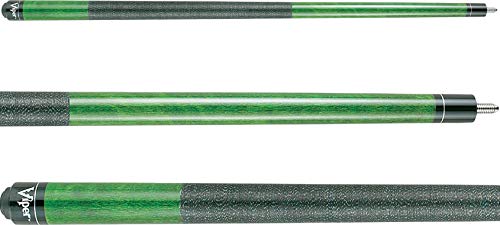
Viper Elite 58″ 2-Piece Billiard Pool Cue
Breaks down for storage
Home rooms and travel
Balanced Choice
Viper Elite 58″ 2-Piece Billiard Pool Cue
Easy storage, familiar format
Shared tables and rooms

Refined Pick
Players Classic Birds-Eye Maple Cue
Classic wood, linen grip
Steadier all-around play

Value Pick
Pool Cue Sticks 36inch to 58inch Set of 2 or 4
Size range for households
Beginners moving up
Reliable Runner Up
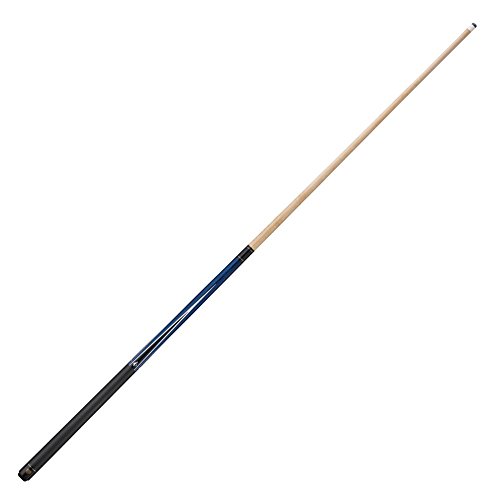
Viper by GLD Products Diamond 58″ 2-Piece Pool Cue Stick
Comfortable midweight range
Steady practice sessions

Performance Leader
CRICAL Carbon Fiber Pool Cue Stick 58in Low Deflection Billiard Cue
Low-deflection carbon build
Spin control practice

Budget Friendly
Dysdensa Fiberglass Billiard Pool Cue Stick
Low-care fiberglass shell
Starter to midlevel use
More Details On Our Top Picks
The AKLOT cue keeps things straightforward with a 58-inch maple build and weight options from 18 to 21 ounces. That range matters because intermediate play often comes down to finding a cue that settles into your stroke without feeling twitchy. In a home room or a regular league space, that kind of familiar wooden feedback can feel reassuring.
You may prefer this one most if you still want a classic hit and do not need a lot of bells and whistles. The trade-off is simple, wood cues usually ask for a little more care than fiberglass or carbon fiber, especially if your storage area swings in temperature. That said, the no-nonsense design should suit you well for steady practice.
What We Like
- Canadian maple gives you a familiar wooden response.
- 58-inch length fits the standard cue format.
- Multiple weight options help you match stroke feel.
- Good choice for a practice cue at home.
Room For Improvement
- Wood construction needs sensible storage and care.
- No special extras are listed, so the focus stays basic.
Feature Snapshot
Who It Suits Best
You fit this cue well if you want a classic wooden option for home practice, casual league play, or sharpening fundamentals.
A Better Fit Elsewhere
CRICAL Carbon Fiber Pool Cue Stick 58in Low Deflection Billiard Cue suits you better when low-deflection response matters more than a traditional wood feel.
With its 2-piece design, this Viper cue makes more sense for home tables where storage space is tight or transport matters. The break point also makes it easier to tuck into a case, which is handy for regular trips between rooms or to a local hall. Compared with the one-piece feel of the AKLOT, this version leans a little more toward convenience.
The honest read is that a two-piece cue can feel slightly different in the joint area, so some players notice a subtle change in feedback. Still, that trade-off often feels worth it for intermediate play, especially when you want one cue that can travel well and store neatly. For most casual league setups, that balance lands nicely.
Highlights
- Two-piece build is easier to store.
- 58-inch length keeps the cue in a familiar range.
- Works well for home rooms and carry cases.
- Simple format suits steady practice habits.
Points To Note
- The joint may feel different from a one-piece cue.
- No material details are listed in the source data.
Core Details
Made For
You suit this cue best if you split time between a home table and outside practice spots, and want easy storage without changing the classic length.
Where A Sibling Pick Shines
Viper by GLD Products Diamond 58″ 2-Piece Pool Cue Stick fits you better if you want a similar travel-friendly format with a wider weight range.
This Viper Elite entry mirrors the same 58-inch, two-piece format as the prior pick, so the real question is whether you like that style for regular use. It suits apartment storage, shared game rooms, and players who move a cue between places often. Compared with the AKLOT maple cue, this one shifts the focus more toward portability than traditional wood character.
You may find this is the safer middle-ground choice for a setup where convenience matters as much as feel. The practical trade-off is the same as with most split cues, a joint can slightly change the way the cue feels through the stroke. For many intermediate players, that is a fair trade for easier handling.
Bright Spots
- Two-piece layout helps with carry and storage.
- 58-inch size keeps aiming familiar.
- Good match for communal tables and practice rooms.
- Simple design lowers the learning curve.
Small Caveats
- Joint feel may not suit every hand.
- Source details stay light, so feature depth is limited.
Details At A Glance
Best Suited To
You fit this cue well if you want a simple, travel-friendly option for intermediate practice and shared spaces.
Reach For A Different Pick
Players Classic Birds-Eye Maple Cue is the better call if you want a more characterful wood look and a linen-wrapped grip.
Birds-eye maple gives this Players cue a more dressed-up look than the simpler options above. The triple silver rings add a visual accent, while the linen wrap matters in long practice sessions because it can feel more secure in the bridge hand. For a home player who cares about feel and presentation, that combination lands well.
North American hard maple should appeal to you if you like a cue with a firmer, traditional wood response. The trade-off is maintenance, since a nicer wood cue usually benefits from careful storage and a clean playing environment. Nothing flashy here, just a cue that feels more polished than the plain utility picks.
Upsides
- Birds-eye maple gives the cue a distinct wood pattern.
- Triple silver rings add a clean visual finish.
- Linen wrap can feel steadier during longer sessions.
- Hard maple suits a classic billiard feel.
- Good match for players who like a more finished look.
Areas To Watch
- Wood finish benefits from careful storage.
- Style-forward design may not matter to every player.
Feature Rundown
Who Will Love This
You suit this cue best if you want a traditional wood cue with a more refined look for home play or regular practice.
Another Choice May Suit
AKLOT Pool Cues 58″ Canadian Maple Wood Cue Sticks fits you better if you want a plainer maple option with weight choices up front.
This set stands out because it covers several lengths, from 36 to 58 inches, which gives you room to match different rooms or different skill stages. A 13 mm leather tip means the contact point is a standard size, and the 2-piece design makes storage simpler for a family game room. Compared with the single-length cues above, this one gives you more flexibility at home.
For households with mixed heights or a practice table shared by beginners and intermediate players, that range can be genuinely useful. The trade-off is that a broad product set rarely feels as focused as a single-purpose cue, so you may need to choose carefully among the options. Still, for a growing player who wants room to experiment, that flexibility carries weight.
Reasons To Buy
- Length choices make it easier to match different use cases.
- Set format works well for families or shared tables.
- 2-piece build makes storage less awkward.
- 13 mm leather tip keeps the cue in a familiar range.
Minor Gripes
- Many size options can make the choice process slower.
- Set-style listings often feel less specialized than a dedicated cue.
- Tip feel and weight feel will depend on the variant you choose.
Quick Facts
The Right Fit
You fit this set well if you want options for a home game room, family practice, or a table that sees players of different sizes.
Swap It Out When
Players looking for a more focused single-cue feel may prefer Players Classic Birds-Eye Maple Cue for its more polished one-piece style.
The Diamond cue stays close to the familiar intermediate sweet spot with a 58-inch two-piece layout and an 18 to 21 ounce range. That spread matters because you can move toward a lighter or heavier feel without changing the basic shape of the cue. In a practice room where you spend long stretches on repeat shots, that sort of adjustability can be useful.
Compared with the simpler Viper Elite entries, this one gives you a little more room to tune the weight to your stroke. The catch is that too many weight choices can make the selection feel less straightforward than a single fixed cue. Even so, for a developing player who knows the feel they like, it’s a sensible middle step.
Best Bits
- Weight range lets you choose a better hand feel.
- Two-piece design helps with transport and storage.
- 58-inch size keeps the cue familiar.
- Good middle-ground choice for repeat practice.
Softer Spots
- Weight selection can take a little thought.
- Two-piece construction may change the feel for some players.
At A Glance
Whose Shelf It Belongs On
You fit this cue well if you want a familiar format with enough weight variety to refine your stroke over time.
Look Elsewhere When
CRICAL Carbon Fiber Pool Cue Stick 58in Low Deflection Billiard Cue suits you better when low-deflection response and a modern material matter more.
Carbon fiber changes the conversation here, because the material usually brings a firmer, more modern feel than maple or fiberglass. The 3/8×8 pin joint and 12.5 mm tip matter to players who want a more precise setup for spin control and cleaner cue ball contact. Compared with the wood cues above, this one is the more technical-feeling option.
In most practice rooms, that kind of cue rewards a player who already has basic mechanics and wants more consistency from the equipment. The trade-off is simple, the feel can be less traditional, so you may need a little adjustment time if you’re used to softer wood cues. Still, for a developing player focused on control, it’s easy to see the appeal.
Standout Traits
- Carbon fiber build brings a modern, firm feel.
- Low-deflection design helps reduce cue ball drift on many shots.
- 12.5 mm tip supports more precise contact.
- 3/8×8 pin joint gives the cue a defined assembly style.
- Good step-up choice for players chasing more control.
Trade Offs
- Modern feel may take adjustment after wood cues.
- Technical setup may feel more specialized than basic cues.
Technical Sheet
Built With In Mind
You fit this cue best if you already have steady fundamentals and want a more responsive, low-maintenance cue for focused practice.
Where A Sibling Pick Shines
Dysdensa Fiberglass Billiard Pool Cue Stick is the softer step if you want a simpler modern shell with less technical focus.
Fiberglass makes this Dysdensa cue feel geared toward easy upkeep and everyday handling. The 58-inch length, 19 to 21 ounce range, and 13 mm rainbow tip give you a fairly standard layout, which is useful when you want a cue that doesn’t ask for much. In a busy home or bar setting, that lower-maintenance angle can be more helpful than fancy styling.
Compared with the AKLOT maple cue, this one should feel less demanding about storage and care. The trade-off is that fiberglass usually gives a different hit than wood, so the feedback may feel less traditional to you. For intermediate play where convenience matters, that can still be a very sensible choice.
Positives
- Fiberglass shell is easier to live with day to day.
- 58-inch length keeps the cue familiar.
- Weight range helps you settle on a comfortable swing.
- 13 mm rainbow tip keeps the setup standard enough for practice.
- Works well for home tables and bar environments.
Worth Noting
- Fiberglass feel can differ from traditional wood cues.
- Style is more practical than polished.
- You may want to compare the hit to a maple cue before settling in.
Core Details
Right Fit
You fit this cue best if you want an easy-care option for home use, a casual bar table, or steady intermediate practice.
Not Your Match When
Players who want a more traditional wood cue may feel better with AKLOT Pool Cues 58″ Canadian Maple Wood Cue Sticks.
How To Choose The Right Cue Sticks For Intermediate Player
Length, Weight, And Balance Matter Together
A 58-inch cue fits the standard full-length profile most intermediate players expect, which makes it easier to keep your stance and bridge consistent. Weight changes the feel in a real way, too, since 18 ounces and 21 ounces can steer the same stroke very differently. A lighter cue often feels quicker through the shot, while a heavier one can feel steadier on slower, more deliberate play.
Balance is the part that gets overlooked. A cue can have the right number on the box and still feel front-heavy or handle-heavy once you start shooting racks. You want a cue that lets your stroke repeat without forcing extra effort from your wrist or forearm.
Material Choice Changes Maintenance And Feel
Maple cues usually give you the most traditional response, which is why the AKLOT and Players models make sense for players who like classic wood feedback. Fiberglass and carbon fiber change the maintenance picture, since they typically tolerate daily handling and storage a little more easily than raw wood. That matters in apartments, shared rooms, garages, and casual bars where conditions are less controlled.
The trade-off is feel. Wood often feels warmer and more familiar, while modern materials can feel firmer and less forgiving in the hand. That’s not a flaw, just a different lane, and the better lane depends on how much you value upkeep versus touch.
Tip Size And Joint Style Shape Control
Tip size affects how much contact area meets the cue ball, so a 12.5 mm tip like the CRICAL cue can feel more precise, while 13 mm can feel a little more familiar and forgiving. Joint style matters too, especially on two-piece cues, because it changes how the cue connects and how it packs away. The 3/8×8 joint appears on a few picks here, and that style will appeal to players who like a defined, repeatable assembly feel.
For intermediate play, that mix of tip and joint matters more than flashy design. A cue that feels predictable on setup usually helps you focus on stroke path, not hardware. That’s the kind of detail that separates a decent practice stick from one you keep reaching for.
What To Weigh Before You Commit
Mistakes Worth Dodging
The biggest slip-up is choosing only by looks, then ending up with the wrong weight or a grip that feels off in long sessions. Another common miss is ignoring storage, especially with one-piece wood cues in small rooms. A two-piece cue can be a smarter fit for tight spaces, even when the finish is less glamorous.
You also want to avoid buying a cue that is too specialized for your current stage. A carbon fiber model can be excellent, but a player who is still settling stroke basics may not need that much structure yet. The cleanest choice usually matches your current routine, not your wish list.
Why Top Tier Costs More
Higher-tier cues tend to use more advanced materials, tighter machining, or a more polished finish. That shows up in things like carbon fiber construction, low-deflection design, better grip materials, or more refined ring work. In plain terms, you’re paying for more control, better consistency, or a nicer feel in the hand.
The upgrade makes sense when you already notice the limits of a basic cue. Once you start caring about tip precision, joint feel, and repeatable stroke response, a better-built model can feel worth it. Until then, a simpler maple or fiberglass cue may cover your needs just fine.
Closing Thoughts
You have a strong spread here, from classic maple cues to low-maintenance fiberglass and a more technical carbon fiber option. For most intermediate players, the right choice comes down to how much you care about traditional feel, easy storage, and precise cue-ball control. The AKLOT and Players cues make sense for classic wood feel, while the CRICAL stands out for a more modern game. Choose the one that fits your space, your stroke, and the way you actually play.
