Book Appointment Now

8 Best Drop 10 Bats for 2026: Reliable Options for Youth Play
Picking a Drop 10 bat usually comes down to balance, barrel size, and how much confidence the swing weight gives a young hitter in real games. The right choice can make practice less frustrating and help a player stay on time against faster pitching. You’ll see a split between softball and baseball models here, along with alloy and aluminum builds that suit different hands and leagues. That mix matters more than flashy extras.
The Shortlist At A Glance
PickWhy We Picked ItBest ForAction

Balanced Choice
Easton Cyclone Fastpitch Softball Bat -10 Drop
Game-ready field use
Softball beginners
Value Pick
Rawlings Remix Baseball Bat USA -10 Drop
Easy swing speed
Youth practice reps

Everyday Favorite
Rawlings Remix Baseball Bat USA -10 Drop
Lightweight starter feel
First-time hitters

Compact Choice
Rawlings Raptor Youth Baseball Bat USA -10
Youth practice control
Smaller hands

Design Standout
Easton Sapphire Fastpitch Softball Bat -10 Drop
Light, easy handling
Developing hitters
Practical Pick
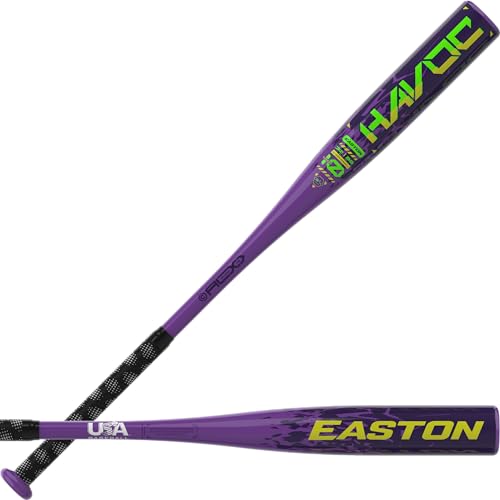
Easton Havoc Baseball Bat USA -10 Drop
Simple barrel profile
Recreational leagues

Feature Rich
Easton Topaz Fastpitch Softball Bat -10 Drop
All-fields softball use
All-around softball play

Performance Leader
Easton Speed Baseball Bat USA -10
Wide barrel confidence
Advanced youth hitters
More Details On Our Top Picks
The Cyclone keeps things straightforward, which is often what a newer fastpitch hitter needs. Its one-piece aluminum build should feel firm through contact, with less moving parts to think about during a game or practice session.
That kind of setup usually suits players who want a simple bat that stays predictable in the box. Compared with the lighter-feeling Easton Sapphire, the Cyclone reads like the steadier option for families who value a more traditional feel.
What We Like
- One-piece aluminum construction gives a direct, connected feel on contact.
- Drop 10 weight helps younger hitters move the bat without extra strain.
- Approved for all fields, so it fits a wide range of fastpitch settings.
- Simple build means less to baby in a dugout bag.
Things To Consider
- Aluminum bats can sound louder than some families expect.
- The firmer feel may seem less forgiving than composite-style alternatives.
- You may want a grip check after heavy use, since basic bats can show wear there first.
Feature Snapshot
Who It Suits Best
You’ll get the most from this one as a fastpitch player or parent wanting a simple, dependable starter bat with an easy learning curve.
A Better Fit Elsewhere
Easton Sapphire Fastpitch Softball Bat -10 Drop suits a younger hitter who wants a lighter, easier-to-handle feel right away.
The Remix is aimed squarely at younger baseball players, especially those still learning how to square up the ball. The ultra-light swing weight should help the bat move quickly through the zone, which matters in live reps and cage work alike.
Compared with the Easton Cyclone, this model leans more toward entry-level baseball use than fastpitch softball. That makes it a sensible fit for families looking for a first baseball bat that doesn’t feel overly demanding.
Positives
- Light swing weight helps younger hitters build bat speed with less effort.
- USA bat designation aligns with youth baseball league needs.
- One-piece aluminum construction keeps the feel simple and direct.
- Good match for early fundamentals work in the backyard or at practice.
- Entry-level setup can feel less intimidating for beginners.
Minor Gripes
- The light build may feel too easy for stronger hitters who want more mass behind the swing.
- Aluminum construction can bring a sharper sound on contact.
- Two near-identical Remix entries appear in this shortlist, so model choice may depend on the size or variant you see listed.
Core Details
Built With In Mind
This one suits a young baseball player who wants a lightweight, easy-swinging bat for learning mechanics and building confidence.
Another Choice May Suit
Rawlings Raptor Youth Baseball Bat USA -10 makes more sense for a shopper who wants a different Rawlings youth option with a similar league fit.
This second Remix listing carries the same youth-friendly outline, so the appeal stays centered on easy swing speed and beginner comfort. For daily tee work and weekend games, that light feel can help a newer hitter stay relaxed instead of fighting the bat.
Relative to the Rawlings Remix above, the value here comes down to finding the exact version you prefer among similar listings. The honest read is that both versions serve the same kind of player, so the deciding factor is often which configuration fits your league or shop list best.
Upsides
- Lightweight design supports quick swings for young hitters.
- One-piece aluminum build keeps the feel straightforward.
- USA bat format suits youth baseball use.
- Helpful for repeated practice sessions where comfort matters.
Worth Noting
- The duplicate naming can make sorting the two Remix listings a little awkward.
- Its very light feel may be less appealing once a player grows into stronger contact.
- Basic aluminum upkeep still means checking the grip and barrel for wear over time.
At A Glance
Right Fit For
You’ll appreciate this most as a first or early-stage baseball bat for a child who needs an easy-swinging option.
Look Elsewhere When
Easton Speed Baseball Bat USA -10 suits a youth hitter who wants a wider 2 5/8-inch barrel and a more aggressive-feeling upgrade.
The Raptor keeps the formula lean, which can be a plus for a youth player who wants a no-nonsense aluminum bat. In a backyard drill or a team cage, that kind of straightforward build usually helps a player focus on mechanics instead of equipment quirks.
Compared with the Remix bats, this one feels like the more stripped-down Rawlings option in the group. That makes it a decent match for families who want something simple, durable in spirit, and easy to store in a gear bag.
Highlights
- One-piece aluminum build keeps the bat familiar and easy to handle.
- USA designation makes it relevant for youth baseball settings.
- -10 drop keeps the swing weight approachable for younger players.
- Simple construction usually means less fuss after practice.
Areas To Watch
- The source details are thin, so fit depends more on the listing than on extra feature cues.
- Aluminum can feel firmer than a softer-feeling alternative.
- Without extra comfort features called out, grip preference may matter a lot here.
Details At A Glance
Who Should Grab It
This is a sensible fit for a youth baseball player who wants a plain, approachable aluminum bat for regular practice and games.
Swap It Out When
Easton Havoc Baseball Bat USA -10 Drop suits a player who wants a defined 2 1/4-inch barrel size in the same general youth bracket.
The Sapphire is pitched toward younger fastpitch hitters who need a bat that feels light and easy to guide. That lighter handling can help a player square up more pitches in a busy practice session, which is a nice confidence boost for early-season games.
Compared with the Cyclone, this one leans more clearly into easy handling than a firmer one-piece feel. For most families, that makes it the friendlier option when control matters more than a heavier contact sensation.
Bright Spots
- Lightweight build helps younger hitters move through the zone with less effort.
- All-fields approval broadens where it can be used.
- Easy handling supports cleaner contact for developing players.
- Alloy construction usually keeps upkeep simple after practice.
Small Caveats
- The light feel may not satisfy players who like more bat presence.
- Alloy and aluminum bats tend to bring a more direct sound at contact.
- Source details are limited, so the fit story leans heavily on the listing’s main cues.
Quick Facts
Who Will Love This
This fits a young fastpitch player who needs an easy-handling bat for lessons, cages, and game use.
Where A Sibling Pick Shines
Easton Topaz Fastpitch Softball Bat -10 Drop makes more sense for a shopper who wants a similarly broad softball fit with a different Easton feel.
The Havoc stands out for having a defined 2 1/4-inch barrel, which can matter in leagues or training setups that lean toward smaller-barrel feel. In use, that usually means a more focused hitting area and a bat that feels pretty straightforward in the hands.
Compared with the Easton Speed below, this one feels more compact and less geared toward a wide-barrel profile. That makes it a sensible choice for recreational baseball players who want a simpler, familiar youth bat rather than a bigger-sweet-spot setup.
Best Bits
- 2 1/4-inch barrel gives a clearly defined youth profile.
- One-piece aluminum build keeps the swing feel direct.
- USA designation fits youth baseball use.
- -10 drop helps the bat stay manageable for growing players.
Points To Note
- Smaller barrel size can feel less forgiving than wider-barrel choices.
- Basic aluminum construction keeps the bat simple, but not especially cushioned.
- Grip wear is worth checking over time, especially in regular practice use.
Feature Rundown
The Right Fit
This suits a youth baseball player who prefers a compact barrel and a plain, easy-to-understand aluminum bat.
A Better Fit Elsewhere
Easton Speed Baseball Bat USA -10 works better for a player who wants the larger 2 5/8-inch barrel and a more aggressive profile.
The Topaz gives you a fastpitch build that sounds aimed at all-around use, with an alloy shell and field approval baked in. That combination tends to suit players who move between practices, cages, and league play without wanting to swap bats for every setting.
Compared with the Sapphire, this one reads like the more developed sibling in Easton’s softball lineup. The trade-off is that extra versatility can still depend on the hitter’s comfort with alloy feel, so it’s not a magical fix for every swing.
Reasons To Buy
- All-fields approval makes it useful across a broader range of softball settings.
- Alloy construction keeps the bat straightforward to manage and maintain.
- -10 drop helps younger hitters stay quick through the zone.
- Good fit for players who split time between practice and games.
Softer Spots
- The source data does not spell out many comfort extras, so feel depends on the player’s preference.
- Alloy bats often bring a firmer sound than some families prefer.
- Price sensitivity may matter here, since this model is framed as a more developed option than the most basic entries.
Core Details
Whose Shelf It Belongs On
This belongs with a young fastpitch player who wants a simple, field-ready bat for practice and league use.
Reach For A Different Pick When
Easton Sapphire Fastpitch Softball Bat -10 Drop suits you better when a lighter, easier-handling feel matters more than a more developed all-around profile.
The Speed is the most aggressive youth baseball option in this group, largely because of its 2 5/8-inch barrel. That wider barrel usually gives young hitters a little more confidence at contact, especially in live games where the ball seems to come quicker than it does in practice.
Compared with the Easton Havoc, this one feels like the step up for a player ready for a bigger-barrel look. For families shopping a bat that feels more game-oriented without leaving the USA youth category, this is the clearest upgrade path in the lineup.
Best Bits
- 2 5/8-inch barrel gives a more generous contact zone than smaller youth barrels.
- One-piece alloy construction keeps the bat direct and easy to understand.
- USA designation suits youth baseball use.
- -10 drop still keeps the swing weight in a manageable range.
- Good step-up bat for players moving beyond the most basic starter model.
Honest Caveats
- The wider barrel can still feel less nimble for very small hands.
- Alloy construction keeps the feel firmer at impact.
- More barrel width does not replace good timing, so newer hitters still need clean mechanics.
Feature Card
Made For
This suits a youth baseball player who is ready for a larger barrel and wants a more game-focused bat in the USA category.
Consider Something Else When
Rawlings Raptor Youth Baseball Bat USA -10 is the quieter choice for a player who wants a more compact, straightforward build.
How To Choose The Right Drop 10 Bats
Match The Bat To The League First
League rules matter before anything else, especially with baseball and fastpitch categories split across USA, softball, and field approval language. A bat that feels great in the hand still falls short when it does not fit the competition format. That’s why the certification line and the sport line deserve your first look, not the paint or branding.
A youth baseball player often needs a different setup from a young fastpitch hitter, even when both are shopping for a -10 drop. The right match keeps the bat legal and keeps the player from adjusting to a tool that fights the game.
Barrel Size Changes The Feel Fast
Barrel diameter changes how forgiving a bat feels at contact. A 2 1/4-inch barrel like the Easton Havoc reads more compact, while a 2 5/8-inch barrel like the Easton Speed gives a wider contact zone and more confidence on slightly off-center swings.
Smaller barrels can feel cleaner and more controlled, but they usually ask for better timing. Wider barrels can help a developing hitter, though they may feel less nimble to very small hands.
Material And Construction Shape The Swing
One-piece aluminum and one-piece alloy bats keep the swing feel direct, which many young players find easier to understand. That single-piece design usually means simpler upkeep too, since there are fewer moving parts to monitor after games and practice sessions.
The trade-off is a firmer sensation at contact and, often, a louder sound. For families who want a bat that behaves in a predictable way, that plain structure can be a strength rather than a compromise.
Weight Profile Should Match Strength, Not Ego
Drop 10 means the bat is 10 ounces lighter than its length number, which is why it stays popular for youth players. The trick is not chasing the biggest barrel or the flashiest finish, it’s choosing a swing weight the player can control from first pitch to last.
A lighter feel helps with bat speed, while a slightly fuller barrel can help once a hitter grows into stronger contact. The best fit is the one that lets the swing stay relaxed instead of rushed.
Things Worth Knowing First
Mistakes Worth Dodging
Many shoppers focus on one number and ignore the rest of the listing. That leads to mismatches like a baseball bat for fastpitch use, or a barrel size that feels too small for a player still learning timing.
Another easy miss is treating all -10 bats the same. The weight profile may be shared, but the barrel size, certification, and material can change the whole experience.
What The Higher Tier Buys
More expensive bats usually bring better material grades, more specific barrel shaping, or a more refined feel in the hands. In this category, extra money often goes toward a bat that helps a player feel more comfortable as skill rises, not toward flashy extras.
That upgrade matters most when the player is using the bat often and already has a steady swing. A casual once-in-a-while hitter usually gets more value from a simpler build.
Closing Thoughts
You now have a clean map of the main Drop 10 Bats worth a look, from compact youth baseball models to lighter fastpitch choices. The best fit comes down to sport, barrel size, and how much bat feel you want in the hands. Keep the player’s current size and confidence in view, and the right choice gets a lot easier. The bat that suits today’s swing usually feels right the moment it leaves the bag.
