Book Appointment Now

8 Best Indoor Climbing Gloves
Indoor wall sessions place a narrow set of demands on gloves: enough grip for rope handling, enough padding for repeated contact, and enough flexibility to avoid feeling clumsy on quick transitions. The eight picks below cover belay work, rappel use, and general training carryover, with a few crossover options for gym work and rope-heavy routines. Material choice, finger coverage, and palm reinforcement do most of the work here, so the best match depends on how often climbing ends up mixed with hauling, lowering, or general conditioning.
The Shortlist At A Glance
PickWhy We Picked ItBest ForAction

Balanced Choice
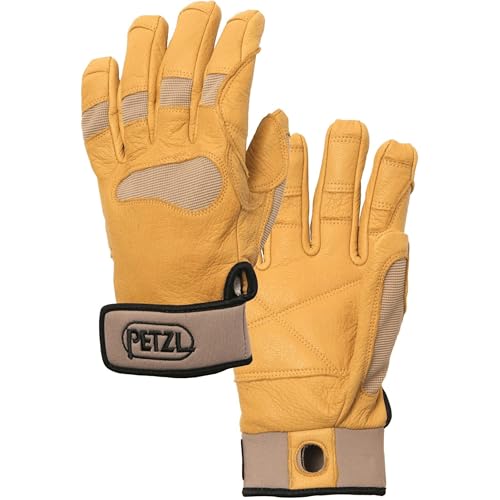
Petzl Cordex Lightweight Belay/Rappel Gloves
Light build, good dexterity
Frequent belay use

Heavy Duty Pick
Goatskin Climbing Gloves Rescue & Rock
Goatskin build, broad use
Rappelling and rope work

Feature Rich
Seibertron Full or Half Finger Climbing Rope Gloves
Flexible finger options
Mixed indoor and outdoor use
Premium Pick
Petzl Cordex Plus Reinforced Belay/Rappel Gloves
Reinforced palm support
Harder rope handling

Everyday Favorite
SIMARI Breathable Workout Gloves with Cushion Pad
Comfort-first crossover fit
Gym sessions and light rope work

Practical Pick
Climbing Gloves Full & Half Finger
Simple padded design
Indoor training basics

Upgrade Pick
EMEKIAN Indoor Outdoor Climbing Rope 10/12/14mm
Rope plus hand protection
Home drills and rescue practice

Compact Choice
SUJAYU Workout Gloves for Women & Men
Thin, breathable palm cover
Hot rooms and sweaty hands
More Details On Our Top Picks
Petzl’s Cordex lands in the sweet spot for indoor belay work, where glove bulk gets in the way fast. The lightweight build keeps rope handling nimble, and the short-fingered, purpose-built shape makes sense for gym walls where every clip and lower matters.
The trade-off is simple, less padding than a heavier-duty option like the Cordex Plus. For frequent route setters, instructors, or climbers who rack up long sessions at an indoor gym, that slimmer profile is the point rather than a flaw.
Strong Points
- Light construction supports steady dexterity during belays and lowers.
- Purpose-built shape keeps rope control more natural than bulkier gym gloves.
- Works cleanly for indoor sessions where grip feel matters more than thick cushioning.
Things To Consider
- Less reinforcement than the Cordex Plus, so abrasion tolerance is more modest.
- Very light gloves usually show wear sooner around the palm in heavy weekly use.
Feature Snapshot
Who It Suits Best
Indoor climbers who want a lighter glove for routine belaying and lowering will get the most from this model.
Where Another Pick Shines
PETZL CORDEX Plus Reinforced Belay/Rappel Gloves suits route staff and heavier rope users who want more palm support.
Goatskin changes the feel right away, since that leather is naturally more substantial than the lighter Cordex profile. In an indoor gym that sees a lot of rope traffic, the extra substance can be welcome for lowering, rappelling drills, or general work around abrasive hardware.
The material also gives this pick a more old-school, workwear character that suits instructors and rescue-oriented training. The honest read is that it gives up some of the airy feel of synthetic training gloves, so it makes more sense for durability-minded use than for the lightest possible touch.
Upsides
- Goatskin construction brings a tougher feel for repeated rope handling.
- Useful across rappelling, wall work, and tree-related rope tasks.
- More substantial palm feel can help during longer belay blocks.
- Broad use range makes it practical for mixed rope routines.
Softer Spots
- Heavier leather can feel less airy in warmer gym spaces.
- Leather usually asks for a bit more care than synthetic fabrics.
- Less nimble than the lighter Petzl Cordex for fast hand changes.
Core Details
Whose Shelf It Belongs On
Climbers and instructors who value durability over a featherweight feel will find this a sensible fit.
A Better Fit Elsewhere
Seibertron Full or Half Finger Padded Palm Lightweight Breathable Climbing Rope Gloves suits gym users who want more finger-flex choices and a lighter fabric feel.
Seibertron leans into flexibility more than the first two picks, with both full-finger and half-finger coverage in the same design family. That matters in a busy gym setting, where rope handling, belays, and short training circuits may call for a little more fingertip freedom than a full glove allows.
Its padded palm and breathable build make it a practical crossover option for mixed indoor use, including sessions that run warm. The trade-off is straightforward, more options usually mean a slightly less specialized feel than the leaner Petzl Cordex.
Best Bits
- Choice of full or half finger coverage adds fit flexibility.
- Padded palm helps soften repeated rope contact.
- Breathable build suits longer sessions in warmer climbing rooms.
- Works across climbing, rescue-style rope work, and other active use.
Areas To Watch
- More feature variety can mean a less specialized climbing feel.
- Comfort depends on selecting the finger style that matches the session.
Details At A Glance
Perfect Match For
Indoor climbers who want one glove style for several rope-heavy tasks will appreciate the flexible setup.
Swap It Out When
Petzl CORDEX Lightweight Belay/Rappel Gloves is the cleaner fit for anyone who wants a tighter, more purpose-built belay glove.
The Cordex Plus keeps the same climbing-first logic as the lighter Cordex, but the reinforced build gives it a more substantial feel. In an indoor wall environment with heavy rope turnover, that extra support can matter more than shaving every bit of bulk.
It suits climbing gyms, instructors, and belay stations that see repeated use across a week. The catch is that reinforced gear usually feels a touch less airy and a bit more deliberate in hand movement, which is the trade-off for added toughness.
Highlights
- Reinforced construction gives a firmer, more durable palm feel.
- Well suited to repeated belay and rappel handling.
- Works as a step up from the lighter Cordex when sessions run longer.
- Good fit for busy indoor gyms with steady rope traffic.
Worth Noting
- More reinforcement can reduce the airy feel of lighter gloves.
- Heavier structure may feel less nimble for fast, repeated hand changes.
Spec Overview
Built With In Mind
Frequent indoor belayers and rope staff will get the most value from the reinforced palm support.
Another Choice May Suit
PETZL CORDEX Lightweight Belay/Rappel Gloves is the easier all-day option for climbers who favor a lighter hand feel.
SIMARI sits outside the strict climbing category, yet the padded, breathable shape makes sense for cross-training days in the gym. For indoor climbers who also lift, cycle, or spend time on general conditioning, that crossover value is useful without feeling fussy.
It reads as a comfort-first glove rather than a rope-specialist tool, so the fit matters more for training than for technical belay work. The lighter construction should suit warm rooms and sweaty hands better than a thicker leather model, though it gives up some climbing-specific tailoring.
Positives
- Padded palm helps spread pressure during lifting and training.
- Breathable build suits sweaty gym sessions and warmer rooms.
- Useful crossover option for climbing warmups and general fitness work.
- Comfort-focused shape keeps the glove from feeling overly rigid.
Minor Gripes
- Less climbing-specific than the Petzl and Intra-FIT rope gloves.
- Best suited to gym work, not dedicated rope-heavy belay duty.
- Cushioning helps comfort, though it can reduce a direct bar feel.
Key Specs
Right Fit
Climbers who want one glove for training days, light grip work, and general gym sessions will find this the easiest crossover.
Where Shoppers Go Wrong
Intra-FIT Goatskin Climbing Gloves Rescue & Rock fits a more rope-focused routine and makes more sense for heavier belay or rappel use.
This Intra-FIT entry keeps things straightforward, with full-finger and half-finger coverage in the same family. That makes it a useful middle ground for indoor climbers who want some padding without leaning into a heavy, overbuilt glove.
The breathable feel should suit short training blocks, route work, and casual rope handling in a gym environment. Compared with the Petzl and Seibertron options, it looks more like an accessible generalist and less like a specialist tool.
Bright Spots
- Two finger-coverage styles offer flexibility in use.
- Padded palm helps with repeated contact on rope or bar.
- Breathable build supports indoor sessions that run warm.
- Simple setup keeps the glove easy to understand and use.
Room For Improvement
- General-purpose design gives up some precision to specialists.
- Full-finger and half-finger choice still requires the right fit for the task.
Feature Card
Who Should Grab It
Indoor climbers who want an easy, all-purpose glove for lighter rope duties and mixed training will find it sensible.
Look Elsewhere When
PETZL CORDEX Plus Reinforced Belay/Rappel Gloves is the stronger match for harder-use rope work and heavier gym traffic.
EMEKIAN changes the category a bit, since this is a static rope package with non-slip gloves rather than a standard climbing glove set. That makes it relevant for indoor practice spaces, rescue drills, or home setups where rope handling and hand protection are part of the same purchase.
The rope comes in multiple diameters and lengths, which gives it range for different practice environments, from shorter indoor drills to longer training runs. The trade-off is obvious, this is more specialized and less casual than the glove-only picks above, so the fit depends on a rope-centered routine.
Reasons To Buy
- Multiple rope diameters and lengths offer setup flexibility.
- Static construction suits controlled rope work and practice use.
- Included gloves add convenience for a rope-first purchase.
- Useful for indoor drills where line management matters.
Points To Note
- Not a standard indoor climbing glove, so the use case is narrower.
- Rope-focused gear asks for more storage space than a glove-only pick.
- Best suited to planned drills rather than casual wall sessions.
Core Details
The Right Fit
Training setups, rescue practice spaces, and rope-heavy home installations are the clearest matches for this package.
Skip It When
Petzl CORDEX Lightweight Belay/Rappel Gloves is the cleaner choice for climbers who only need hand protection, not a full rope system.
SUJAYU keeps the profile slim, with a full-palm layout and PU gel anti-slip padding aimed at gym comfort. For indoor climbers who want a light hand cover for warm rooms, conditioning work, or occasional grip support, that thin feel has real appeal.
The stretchy, breathable build helps the glove sit close without feeling stiff, which is useful when training hands are already warm and damp. The compromise is that this sits more naturally in fitness and lifting use than in technical climbing or heavy rope management.
Positives
- Full-palm coverage helps with general hand protection in the gym.
- PU gel grip pads add traction for repetitive gripping.
- Light, stretchy materials support a closer, less bulky fit.
- Thin back construction helps with heat flow during workouts.
- Works well for warm conditions and sweaty hands.
Small Caveats
- Less climbing-specific than the Petzl and Intra-FIT rope gloves.
- More at home in fitness work than in rope-heavy belay use.
- Thin gloves can show wear faster in rougher routines.
Feature Rundown
Made For
Gym-focused climbers and cross-trainers who want a slim glove for heat control and general grip support will find this the most straightforward fit.
Reach For A Different Pick When
Seibertron Full or Half Finger Climbing Rope Gloves suits anyone who wants more rope-oriented flexibility and finger-coverage choice.
How To Choose The Right Indoor Climbing Gloves
Match The Glove To The Task
Indoor climbing gloves do different jobs, even when they look similar on a product page. Belay and rappel gloves usually prioritize rope control and palm protection, while workout-style gloves lean toward padding, breathability, and a close gym fit. Route setters, instructors, and climbers who spend more time lowering others than hanging on the wall tend to value tougher palms first.
Finger coverage matters too. Full-finger designs give more coverage, half-finger styles open up more dexterity, and mixed designs try to split the difference. That choice shapes how natural the glove feels during clipping, pulling, and quick hand changes.
Materials Change The Feel
Leather, especially goatskin, usually feels more substantial and wears like work gear. Lighter synthetic builds often breathe better and dry faster, which helps in a crowded gym or a warm training room. The trade-off usually comes down to toughness versus agility, not a clean upgrade path.
Palm reinforcement is another key detail. Extra reinforcement helps when rope handling is frequent, but thicker palms can reduce tactile feedback. For indoor climbers, that trade often becomes obvious after a long belay block or a full session of rope work.
Fit And Breathability Shape Comfort
A glove that fits too loosely tends to bunch at the palm, while a tight fit can make rope handling awkward fast. Closely shaped cuffs and stretchy backs help more than flashy feature lists. In most gyms, a snug but not restrictive fit will feel better after the first few routes.
Breathable construction matters most in warm training spaces or on high-output sessions. Thin backs, airy knits, and lighter materials help reduce that sticky, overheated feel. That said, more ventilation usually means less structure, so the best balance depends on session length and rope intensity.
Choose For Your Real Routine
Indoor climbers who mainly belay should lean toward purpose-built climbing gloves. Cross-trainers who split time between the wall, the weight room, and general conditioning may prefer workout gloves with cushioning and grip pads. The right choice is the one that fits the most common part of the week, not the rare exception.
What To Weigh Before You Decide
Wrong Turns To Avoid
Many shoppers grab the thickest glove and assume more padding solves everything. In practice, overbuilt palms can make fine rope handling feel clumsy, especially during quick lowers or repeated clips. A glove should support the work, not take over the hand.
Another common miss is buying a gym glove for a rope-heavy climbing routine. Workout designs can be comfortable, but their shape and padding often track better with lifting than with belay duty. The better move is to match the glove family to the main job, then treat crossover use as a bonus.
The Upgrade Payoff
Higher-tier gloves usually cost more because of tougher materials, more careful palm reinforcement, and better shaping around the fingers and cuff. Those details show up in smoother rope handling and slower wear in busy settings. The price gap often reflects construction depth rather than cosmetic changes.
That upgrade makes the most sense for instructors, frequent belayers, and climbers who spend a lot of time around abrasive rope or hardware. For lighter weekly gym use, a simpler glove can still make sense and may feel easier out of the box. The right spend level is the one that matches session frequency and wear pattern.
Closing Thoughts
Indoor climbing gloves work best when the design matches the job, not just the sport. Petzl’s Cordex line stays closest to true belay use, Goatskin brings more rugged leather character, and the SUJAYU and SIMARI options make more sense for crossover gym work. A glove that feels precise in the hand and stays comfortable through a full session usually ends up being the better long-term choice.
