Book Appointment Now

8 Best Outdoor Basketball Systems with Tempered for 2026
Choosing an outdoor basketball system usually comes down to how much space you have, how often you play, and how much adjustment you want from the hoop. A driveway setup for quick family games asks for different hardware than a sturdier in-ground model for regular scrimmages, and the details matter more than the boxy marketing language around them.
This roundup keeps the focus on tempered glass backboard systems and the kinds of backyards, courts, and driveways where they make sense. You’ll see which picks suit portable convenience, which lean toward heavier in-ground stability, and which trade easier setup for a more fixed feel.
Quick Look At Our Top Picks
PickWhy We Picked ItBest ForAction
Compact Choice
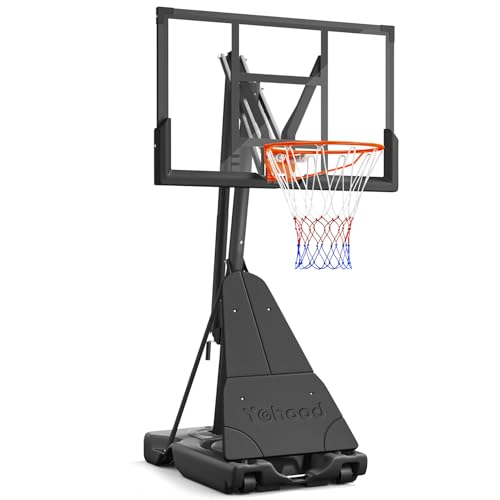
Yohood Basketball Hoop Outdoor Portable 44/48 Inch Backboard
Portable and adjustable
Driveways and patios

Heavy Duty Pick
Lifetime 71281 In Ground Power Lift Basketball System
Height changes with power lift
Regular home courts

Performance Leader
Storm Portable Basketball System with 36×60 Glass Backboard
Large glass backboard presence
Portable court setups

Everyday Favorite
Lifetime 1084 Height Adjustable In Ground Basketball System
Adjustable in-ground setup
Families and practice

Premium Pick
Goalrilla Basketball Hoops with Tempered Glass Backboard
Anchored backboard structure
Serious home courts

Feature Rich
Silverback 54 Inch Height Adjustable In-Ground Basketball Hoop
Rim and pad add comfort
Practice-focused installs

Refined Pick
LIFETIME Products Crank Adjust In Ground Basketball Tempered Glass Backboard
Crank-adjust height control
Hands-on setups

Balanced Choice
Goalrilla GS54 In Ground Basketball Hoop
Adjustable in-ground build
Backyard practice courts
Portable hoops live or die by ease of movement, and this Yohood model leans into that with wheels and a height range that reaches 10 feet. The 44/48 inch backboard size makes sense for a driveway or shared court space, especially where you want something more flexible than a fixed pole.
You may find it especially handy for family play, warmups, or a space that gets rearranged often. The trade-off is simple, portability usually means you give up some planted feel compared with the in-ground picks later in this list, so it suits casual games more than rough daily contact.
What We Like
- Wheels make repositioning less of a chore.
- 10-foot adjustment fits different ages and drills.
- Smaller backboard footprint works in tighter driveways.
- Useful for shared spaces that change often.
Points To Note
- Portable construction usually feels less planted than in-ground models.
- The backboard size suits casual play more than full-court practice.
- Outdoor wheeled bases often need regular checking for movement and wear.
Feature Snapshot
Who Should Grab It
Commuter-style household use and family play fit this model well, especially in a driveway that doubles as parking or a side yard that changes by season.
Where A Sibling Pick Shines
Lifetime 1084 Height Adjustable In Ground Basketball System suits you better when a steadier, more permanent home setup matters more than easy repositioning.
The power-lift system changes the tone right away, because you’re not climbing ladders or fussing with a hard-to-reach mount to change height. A 52-inch backboard is a solid middle ground for home courts, giving you a larger target than the Yohood portable while staying less imposing than the wider glass units below.
In a driveway used for drills, free throws, and weekend games, that kind of height control is handy. The honest read is that an in-ground system asks for a more committed install, but the payoff is a steadier playing feel and less day-to-day movement.
Highlights
- Power lift adjustment reduces manual height changes.
- 52-inch backboard offers a balanced playing area.
- In-ground setup usually feels steadier than portable designs.
- Well suited to households that use the hoop often.
Room For Improvement
- In-ground installation takes more planning than portable hoops.
- The larger footprint suits a committed court space.
- Moving it later is not a casual task.
Core Details
Best Suited To
Families and teens who want a dependable backyard practice hoop will get the most from this one.
A Better Fit Elsewhere
Yohood Basketball Hoop Outdoor Portable 44/48 Inch Backboard suits you better when you need a hoop that can move with a changing driveway layout.
This Storm setup stands out because the 36 by 60 glass backboard gives you a broad, court-like target on a portable base. That combination matters for practice-heavy households that want a bigger visual target without moving to a permanent pole.
Compared with the compact Yohood, this one feels more serious in scale, though it still keeps the portability angle alive through the base unit. For weekend training sessions or a shared driveway, that mix can make a lot of sense, just keep in mind that larger portable systems still need room to breathe.
Bright Spots
- Large 36 by 60 glass backboard creates a more substantial feel.
- Portable base keeps the system flexible in changing spaces.
- Good fit for practice drills and repeat shooting reps.
- Base padding adds a more finished setup.
Small Caveats
- The larger size asks for more floor space than compact portable hoops.
- Portable systems still need periodic base attention outdoors.
- The build suits practice use better than easy relocation.
Details At A Glance
Whose Shelf It Belongs On
You’ll likely appreciate this most in a practice-first driveway or side court where a larger target matters more than easy storage.
Another Choice May Suit
LIFETIME Products Crank Adjust In Ground Basketball Tempered Glass Backboard fits better for you if a fixed install with simple height changes matters more than portability.
Stepping down slightly in backboard size from the 52-inch Lifetime 71281, this 50-inch setup keeps the same in-ground confidence but trims a little bulk. That makes it a sensible middle path for families who want a more permanent hoop without pushing the backyard into court-install territory.
Height adjustability is the useful part here, especially in homes with mixed ages or changing drill needs. You may find the fixed install less convenient up front, but after that it usually becomes the sort of hoop that just stays ready.
Standout Traits
- 50-inch backboard lands in a practical middle size.
- Height adjustment supports mixed-age play.
- In-ground format helps the hoop feel settled.
- Good balance between size and footprint.
Areas To Watch
- In-ground installation takes more effort than portable hoops.
- The fixed setup fits best where the hoop will stay put.
- Backboard is slightly smaller than the 52-inch Lifetime 71281.
Quick Facts
The Right Fit
This suits households that want one backyard hoop for practice, casual games, and younger family play.
Where A Sibling Pick Shines
Storm Portable Basketball System with 36×60 Glass Backboard fits you better when you want a larger portable playing surface instead of a fixed post.
The black anodized frame gives this Goalrilla a more finished, less industrial look than the plain in-ground setups above it. More importantly, the anchor system points to a hoop that is meant to stay anchored and feel settled during stronger play, which suits a backyard court that gets regular action.
Compared with the Lifetime models, this one leans more toward a refined, court-style presence. The trade-off is that anchor-based installs are a commitment, so it fits best where the hoop’s spot is already decided and unlikely to move.
Reasons To Buy
- Tempered glass backboard gives a familiar court look and response.
- Black anodized frame adds a clean visual finish.
- In-ground anchor system supports a planted feel.
- Well suited to regular backyard games.
Minor Gripes
- Anchor-based installation takes planning and patience.
- Less convenient than a portable system in changing spaces.
- Best suited to a permanent court location.
Technical Sheet
Perfect Match For
Serious home courts and frequent pickup games fit this hoop better than casual weekend use.
Look Elsewhere When
Yohood Basketball Hoop Outdoor Portable 44/48 Inch Backboard suits you better when you need to move the setup often.
The Silverback name here makes sense, because this build pairs a 54-inch tempered glass backboard with a pro-style breakaway rim and a backboard pad. A breakaway rim flexes under pressure instead of staying rigid, which matters in everyday play where contact around the hoop is common.
That extra padding also helps the system feel more finished than the bare-bones in-ground models, and that’s useful in a family backyard where a little added protection is welcome. The honest read is that the feature set makes this a stronger fit for frequent use than for a quiet corner hoop.
Upsides
- 54-inch tempered glass backboard gives a roomy target.
- Pro-style breakaway rim adds a more flexible hoop feel.
- Backboard pad gives the setup a cleaner finish.
- Height adjustability helps suit mixed ages and drills.
- Good match for regular practice in a family court.
Things To Consider
- Feature set makes this more involved than simpler systems.
- In-ground installation takes planning and a fixed location.
- Larger backboard may feel oversized in smaller yards.
Spec Overview
Built With In Mind
This is a strong fit for households that play often and want a fuller court-style hoop.
Swap It Out When
LIFETIME Products Crank Adjust In Ground Basketball Tempered Glass Backboard makes more sense when you want height changes with a crank-style setup.
The crank adjust system is the main reason this Lifetime lands here, because it gives you a more controlled way to change height than a manual lift on many basic setups. That matters in a home where younger players and older players share the same hoop, and the tempered glass backboard keeps the feel in familiar court territory.
Compared with the Silverback, this one is less about added accessories and more about straightforward adjustment. You may prefer it if you care most about repeatable height changes and a classic fixed install, even though the crank mechanism adds one more moving part to think about over time.
Best Bits
- Crank adjustment gives you controlled height changes.
- Tempered glass backboard suits court-style play.
- In-ground build helps the hoop stay settled.
- Good for households with changing age groups.
Softer Spots
- Crank hardware adds mechanical complexity.
- Fixed install suits a dedicated location best.
- Less convenient than a portable hoop for moving around.
Feature Rundown
Who Will Love This
Households that want one reliable hoop for mixed ages and regular use will get the most from this setup.
Another Choice May Suit
Yohood Basketball Hoop Outdoor Portable 44/48 Inch Backboard fits you better when portability matters more than a fixed crank-style install.
The GS54 keeps the Goalrilla name in the mix with an adjustable height backboard and a pro-style breakaway rim, which puts it squarely in regular-use territory. Compared with the larger-feature Silverback, this one reads a little cleaner and more focused, which can be a good thing in a backyard where you want serious play without a lot of extra hardware.
For most backyards, that balance is the appeal, especially when the hoop will stay in one spot and see steady use. The trade-off is the same one you see with most in-ground systems, installation takes commitment, so it fits best where permanence is part of the plan.
Positives
- Adjustable height works well across age groups.
- Breakaway rim brings a more responsive feel.
- In-ground structure supports a settled playing base.
- Good blend of practice use and family games.
Worth Noting
- Installation is more involved than portable systems.
- Best fit comes from a fixed court location.
- Less flexible than a wheeled model like the Yohood.
Core Details
Whose Shelf It Belongs On
This fits households that want a dependable, no-fuss backyard hoop for regular practice and casual games.
Skip It When
Storm Portable Basketball System with 36×60 Glass Backboard makes more sense if you need a larger portable setup instead.
How To Choose The Right Outdoor Basketball Systems With Tempered Glass Backboard
Backboard Size And Rebound Feel
Backboard size changes the whole experience. A 44 or 48 inch board fits tighter spaces and casual shooting, while 52, 54, or 36 by 60 inches gives you more visual target area and a more court-like setup. Tempered glass matters because it usually brings a cleaner rebound feel than plastic, but it also tends to belong on more committed installs.
That trade-off is worth thinking through before you look at anything else. Smaller backboards are easier to place, easier to live with, and often friendlier for mixed-use driveways. Larger glass boards suit families that play often and want a hoop that feels closer to a school or park court.
Portable Versus In-Ground
Portable systems work best where the space changes often or the hoop needs to shift out of the way. Wheels and a movable base help, but they also introduce a little less planted feel than an anchored system. That’s fine for casual games and warmups, though harder contact around the rim usually feels better on a fixed install.
In-ground systems ask for more planning, usually concrete and a permanent spot, but they reward that effort with steadier play. The choice comes down to how often you’ll move the hoop, not just how much you like the look of it. For a home court that stays put, in-ground is usually the cleaner long-term fit.
Height Adjustment And Family Use
Height adjustment matters more than many people expect because it lets one hoop serve different ages and skill levels. Crank adjust and power lift systems offer easier changes than a basic manual setup, which can be useful in homes with growing kids or a mix of casual and serious play. The catch is that more moving parts usually means more hardware to maintain over time.
Simple adjustment can be enough for many backyards. More advanced mechanisms are worth the extra complexity only when the hoop will get used in lots of different ways, from younger practice sessions to full-speed scrimmages. That is where the price gap often starts making sense.
Install Space, Maintenance, And Long-Term Fit
Before you choose, look at the space around the hoop, not just the spot where the pole lands. Driveway width, overhead clearance, and room behind the backboard all affect day-to-day use. Outdoor systems also benefit from occasional hardware checks, especially around wheels, anchors, and height mechanisms.
Cleaning is straightforward, but the setup you choose should match how much upkeep you’re willing to handle. A portable hoop is easier to reposition, while an anchored hoop is usually easier to trust during play. The right answer is the one that fits your yard, your pace, and how often the system will actually be used.
What To Weigh Before You Click Through
Traps First Timers Fall Into
Shoppers often start with backboard size and forget the footprint around it. A large glass backboard can feel great, but it may crowd a narrow driveway or shared parking area. Another common miss is choosing a portable base for a spot that never changes, or a fixed hoop for a yard that still needs room to flex.
Height adjustment can also be overvalued in the wrong setup. A crank or power lift system is helpful, but only when multiple ages really share the hoop. Otherwise, a simpler system may be easier to live with and just as satisfying.
Where The Extra Money Goes
Higher-tier systems usually spend their budget on larger backboards, sturdier mounting, and more controlled adjustment hardware. Tempered glass, anchor systems, breakaway rims, and padding all add to the build, and each one usually brings a more polished playing feel. That extra spend makes the most sense for frequent play, older kids, or a hoop that stays in place year-round.
For lighter use, the upgrade may feel unnecessary. For daily practice or a dedicated home court, the better hardware can make the hoop feel less temporary and more like part of the yard. That difference matters more than glossy product photos suggest.
Final Thoughts
The right outdoor basketball system depends on how permanent you want the hoop to feel and how much the backboard size needs to match your space. Portable choices like the Yohood and Storm help when your driveway has to stay flexible, while in-ground models from Lifetime, Goalrilla, Silverback, and LIFETIME Products reward a more committed court setup. For tempered glass, the sweet spot is usually a hoop that matches your room, your routine, and how often the game starts at home.
