Book Appointment Now

8 Best Punching Bags for Home
Punching bags for home need to fit real rooms, real ceilings, and real routines. Some setups are better for cramped apartments, while others make more sense in garages, basements, or spare rooms that can take more space. The right match depends on whether the priority is bag feel, stand stability, assembly simplicity, or a cleaner footprint beside other training gear.
For daily boxing rounds, cardio work, or mixed martial arts practice, the differences matter fast. A freestanding design can save wall space, a separate stand can open up bag options, and a taller inflatable model can suit kick-focused drills. The shortlist below focuses on those practical trade-offs.
Shortlist At A Glance
PickWhy We Picked ItBest ForAction
Balanced Choice
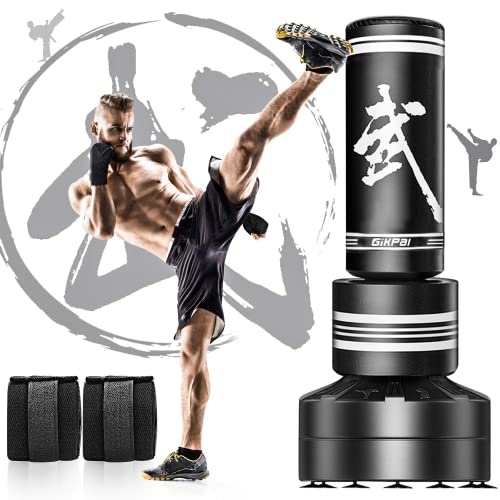
GIKPAL Freestanding Punching Bag 12-Suction-Cup Stable Base
Stable base, softer rebound
Home cardio training

Practical Pick
Fuel Pureformance Heavy Bag Stand Multiple Options
Simple stand-only setup
Garage bag mounting

Value Pick
Mesetast Punching Bag for Adults 4ft Heavy Boxing Bag Set with 12 OZ Gloves
Long bag, starter set
Fill-it-yourself setups

Reliable Runner Up
Everlast Freestanding Adjustable Punching Bag for Adults
Adjustable height range
Mixed martial arts drills

Everyday Favorite
JUOIFIP Freestanding Punching Bag for Adults 70 Boxing Bag with Stand
Full set, quick setup
Beginner home training

Compact Choice
JUOIFIP Punching Bag for Adults Teens Standing Boxing Bag
Inflatable kit package
Teens and beginners

Feature Rich
YORWHIN Heavy Punching Bag with Stand Adults Teens 70 Freestanding
Inflatable with pump
Mixed training spaces
Heavy Duty Pick
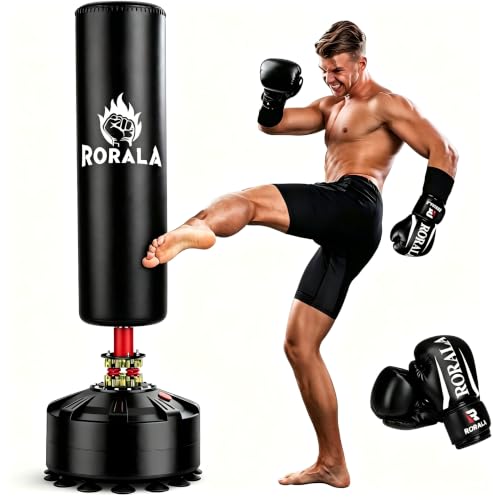
RORALA Punching Bag with Stand 70 203lbs Freestanding Heavy Boxing Bag
Multi-layer build, strong base
Heavier home gyms
More Details On Our Top Picks
GIKPAL leans on a freestanding layout with a suction-cup base, so it makes sense in rooms where drilling or heavy wall mounting is out of the question. The tear-resistant PU leather and no-spring rebound point toward a quieter setup, which matters in shared living spaces or evening training sessions.
The fillable base uses sand or water, so the final feel depends on how much weight gets added. That trade-off is familiar in this category, but the format suits home cardio work, kickboxing drills, and shorter boxing rounds better than a permanent commercial setup.
Strong Points
- Suction-cup footing helps it stay planted on smooth floors.
- No-spring rebound keeps impact noise more controlled than spring-heavy stands.
- PU leather shell is a sensible choice for frequent striking sessions.
- Sand or water fill lets the base be adjusted around the room and the routine.
Points To Note
- Base stability depends on proper filling and a smooth floor surface.
- Freestanding bags usually take up more floor space than a wall-hung bag.
- Cleaning the base area matters, since dust can weaken suction over time.
Feature Snapshot
Who It Suits Best
Apartment setups, garage gyms, and mixed cardio sessions suit this bag well, especially where floor-mounted gear is not practical.
A Better Fit Elsewhere
RORALA Punching Bag with Stand 70 203lbs Freestanding Heavy Boxing Bag suits heavier hitters who want a more substantial base and a denser, multi-layer build.
Fuel Pureformance shifts the focus from the bag itself to the support structure, which is useful in a garage or basement where a hanging setup already exists. That kind of stand-first approach gives more flexibility than a built-in freestanding bag, though the trade-off is obvious, the striking surface still has to be chosen separately.
The listing notes Amazon shipping and a 30-day return window, so the ownership picture stays straightforward. For home gyms that change over time, a stand can be the more adaptable path, especially beside a heavier model like the RORALA or a freestanding unit like the Everlast.
What We Like
- Stand-only format opens up more bag choices.
- Works well in a garage corner or open training room.
- Simpler structure can make layout planning easier.
Small Caveats
- The bag itself is not included, so setup takes an extra purchase.
- Footprint matters, especially in tighter rooms with other gym gear.
- Assembly and positioning usually take more planning than a compact freestanding bag.
Details At A Glance
Who Should Grab It
Garage gym owners and anyone already shopping for a separate heavy bag will get the most out of this stand.
Swap It Out When
GIKPAL Freestanding Punching Bag 12-Suction-Cup Stable Base suits home setups that need an all-in-one unit instead of a stand plus bag combination.
Mesetast takes a more complete-kit route, since the package includes the 4-foot bag and 12-ounce gloves. That matters for a first home setup, because there is less guesswork about what still needs to be sourced, though the unfilled bag means setup time is still part of the deal.
The 4-foot length makes it easier to work a wider range of punches and kicks than a shorter target. In a basement or spare room, that extra vertical coverage can feel more versatile than the compact JUOIFIP inflatable options, especially for mixed training styles.
Highlights
- Included gloves reduce the amount of separate gear to source.
- Four-foot length suits mixed punch and kick drills.
- Unfilled design lets the weight and feel be tuned to the room.
Worth Noting
- Bag filling is part of ownership, so setup takes extra time.
- The final feel depends on how evenly the bag is packed.
- Unfilled bags need storage space until they are prepared for use.
Core Details
The Right Fit
Beginners who want a bag-and-gloves package for home practice will find this layout straightforward.
Another Choice May Suit
JUOIFIP Freestanding Punching Bag for Adults 70 Boxing Bag with Stand works better for shoppers who want a ready-to-place freestanding model rather than a fill-it-yourself bag.
Everlast brings an adjustable freestanding format, which makes it easier to fit a range of training heights and strike zones. That is useful for homes where one bag has to serve more than one person, and the stand-based layout also keeps installation simpler than a ceiling mount.
The trade-off with adjustable designs is usually a little more compromise in footprint and base management. For Muay Thai, boxing, and MMA drills in a shared room, though, that flexibility tends to matter more than absolute minimalism.
Upsides
- Adjustable height helps the bag suit different users.
- Freestanding layout avoids drilling into walls or ceilings.
- Works across boxing, Muay Thai, and MMA-style sessions.
- Familiar brand presence may appeal to shoppers who want a known training name.
Room For Improvement
- Freestanding stands usually claim more floor area than hanging bags.
- Adjustment points add hardware that should be checked periodically.
- In tighter rooms, the base can limit footwork around the bag.
Technical Sheet
Best Suited To
Households with more than one striker, or anyone who wants an adjustable freestanding layout, are the natural fit here.
Look Elsewhere When
Fuel Pureformance Heavy Bag Stand Multiple Options works better for dedicated gym spaces that already need a stand-only support system.
JUOIFIP packages a 70-inch freestanding bag with gloves and an electric pump, so the setup lands closer to a ready-to-use home kit than a bare shell. That matters for beginners, because it removes a few common sourcing headaches and gets the training space closer to usable in one pass.
The thickened PVC body is meant to rebound quickly, which suits fast hand combinations and light kick work in a basement, den, or garage. Compared with the Mesetast bag, this one is more about convenience and less about customizing the fill from scratch.
Positives
- Included pump and gloves make the package more complete.
- Seventy-inch height gives a tall strike zone for mixed training.
- PVC construction supports a springy return for repeated rounds.
- Good match for households that want a faster setup path.
Points To Note
- Inflatable construction can feel different from a filled heavy bag.
- The bag’s long-term shape depends on proper inflation and care.
- Stored space is still needed for the pump and included gear.
Feature Rundown
Whose Shelf It Belongs On
Beginners who want a complete inflatable kit for home conditioning should find this a sensible starting point.
Where A Sibling Pick Shines
RORALA Punching Bag with Stand 70 203lbs Freestanding Heavy Boxing Bag suits stronger striking sessions and a heavier-feeling setup.
This JUOIFIP model takes a simpler route, with an inflatable standing bag, pump, gloves, and a manual in the box. That makes it a practical first purchase for teens or smaller home gyms where a full heavy-bag rig would be too much.
The set reads like a starter package rather than a premium build, and that is part of its appeal. For light boxing drills, basic kick work, and general fitness in a multipurpose room, the format stays approachable without demanding a larger hardware footprint.
Best Bits
- Package includes the main training pieces needed to start.
- Inflatable format keeps the setup lighter than many freestanding bags.
- Works for adults, teens, and smaller practice spaces.
Softer Spots
- Inflatable bags need attention to air pressure over time.
- Lightweight construction can feel less anchored than heavier stand bags.
- Storage for accessories matters because the kit includes multiple pieces.
At A Glance
Made For
Teens, beginners, and smaller homes benefit most from the lighter, kit-based approach here.
A Better Fit Elsewhere
Everlast Freestanding Adjustable Punching Bag for Adults suits households that want a more adjustable, mixed-user setup.
YORWHIN keeps the same 70-inch freestanding format as the JUOIFIP options, but it also includes boxing gloves and an electric pump. That makes it a tidy package for home users who want a more complete setup without piecing together accessories one by one.
The strongest appeal here is convenience, not complexity. In a room that doubles as a workout space and a storage area, a stand-up inflatable bag can be easier to place and move than a heavier, more permanent system.
Reasons To Buy
- Complete package cuts down on extra accessory shopping.
- Seventy-inch height works for adult and teen practice.
- Freestanding layout suits rooms where drilling is impractical.
Area To Watch
- Inflatable structures are more dependent on careful setup than solid filled bags.
- The bag may need occasional top-offs to keep the feel consistent.
- Shared spaces can require moving the unit between sessions.
Spec Overview
Built With In Mind
Home gyms that need a flexible, equipment-light training bag should find this a sensible fit.
Where Shoppers Go Wrong
RORALA Punching Bag with Stand 70 203lbs Freestanding Heavy Boxing Bag suits people who want a denser base and a more substantial feel.
RORALA stands apart through its layered build, suction-cup base, and 203-pound fill capacity. That combination points to a bag that suits a more committed home training area, especially where heavier punches and kicks are part of the routine.
The 10-millimeter EVA foam in the gloves and the shock-absorbing spring system round out the package, so the setup feels more complete than the leaner JUOIFIP inflatable choices. The honest read is that the bag asks for more room and more attention, but the payoff is a sturdier-feeling platform.
Positives
- Multi-layer construction gives the bag a more substantial feel.
- Large base and suction cups help it stay planted on smooth floors.
- Included 12-ounce gloves add padding for home striking sessions.
- Spring and absorber system supports fast return and reduced shake.
Honest Caveats
- Heavier fill and layered construction take more effort to set up.
- For less room-sensitive spaces, the larger base may still feel bulky.
- Spring parts and connection points should be checked during regular use.
Core Details
Perfect Match For
Heavier home gyms and more committed striking routines suit this bag especially well.
Reach For A Different Pick When
GIKPAL Freestanding Punching Bag 12-Suction-Cup Stable Base works better for smaller rooms that need a lighter, simpler footprint.
How To Choose The Right Punching Bags For Home
Space, Mounting, And Floor Reality
Room size shapes the decision before anything else. Freestanding models suit apartments, garages, and spare rooms because they avoid ceiling drilling and wall anchors. Heavy bag stands make sense in more permanent training spaces, but they need enough floor area and clearance for footwork.
Base type matters too. Suction cups help on smooth, flat flooring, while filled bases gain steadiness from sand or water. Uneven floors, rugs, and crowded corners usually change how stable a unit feels in practice.
Fill Style And Training Feel
Inflatable bags tend to feel lighter and quicker to set up. Filled freestanding models usually feel more planted and give a steadier target for combinations. Unfilled bags ask for more setup work, yet they let the final weight and firmness match the room.
That difference matters for training style. Faster cardio rounds and beginner sessions often suit lighter, more forgiving designs, while harder striking and more serious routines usually benefit from heavier bases and tougher outer materials.
Included Gear And Ownership Effort
Some packages arrive with gloves, pumps, or manuals, which can simplify the first week of ownership. A complete kit helps new setups get going faster, though it also means more pieces to store and keep track of. Stand-only products leave more control in the shopper’s hands, but they also require a separate bag choice.
Maintenance stays simple in most cases, yet it should not be ignored. Wipeable outer shells, tight fittings, and occasional checks on pumps, suction points, or spring joints help keep the setup consistent over time.
What To Weigh Before You Commit
Mistakes Worth Dodging
A common misstep is treating all home punching bags as interchangeable. A freestanding bag, a stand-only accessory, and an inflatable kit solve different problems. Another frequent miss is underestimating floor space, which becomes obvious fast once footwork starts.
Setup effort also gets overlooked. Unfilled models and heavier base systems bring more assembly work, while included pumps and gloves reduce extra sourcing. The cleanest choice is the one that matches the room, the training plan, and the amount of time available for setup.
The Case For Spending Up
Higher-tier models usually cost more because the structure is more complex. Layered shells, reinforced bases, stronger suction systems, and better shock absorption take more material and assembly work. That often translates into a steadier bag and a more refined strike feel.
The upgrade makes the most sense for regular training, heavier strikes, or households where the bag will be used often. For occasional conditioning, a simpler inflatable or starter kit can be enough. The extra spend is easiest to justify when stability and durability matter more than portability.
Final Thoughts
Punching bags for home work best when the design matches the room instead of fighting it. A freestanding unit fits tight spaces, a stand gives more bag flexibility, and a complete kit trims setup friction for beginners. RORALA and Everlast lean toward more substantial home training, while GIKPAL and JUOIFIP keep things simpler for everyday use. The right choice comes down to space, training style, and how much setup effort feels reasonable.
