Book Appointment Now

8 Best Punching Bags for Kids
Kids’ punching bags solve a familiar problem, especially in homes where energy runs high and floor space runs tight. The right setup can turn a corner of the playroom, basement, or patio into structured activity without much fuss. Some options lean playful, others feel closer to real training gear, and the gap matters more than the box art suggests. The list below focuses on fit, materials, stability, and age range.
The Shortlist At A Glance
PickWhy We Picked ItBest ForAction

Everyday Favorite
EagleStone 47″ Kids Inflatable Punching Bag with Gloves
Gentle, space-saving setup
Young kids at home
Heavy Duty Pick
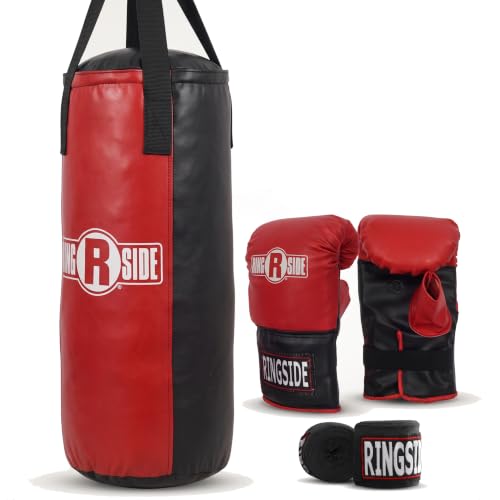
Ringside Youth 40 lb Heavy Bag Kit
More training-ready build
Older youth boxers

Balanced Choice
SpringFlower Big Punching Bag for Kids with 2 Gloves
Adjusts as kids grow
Mixed-age sibling use
Performance Leader
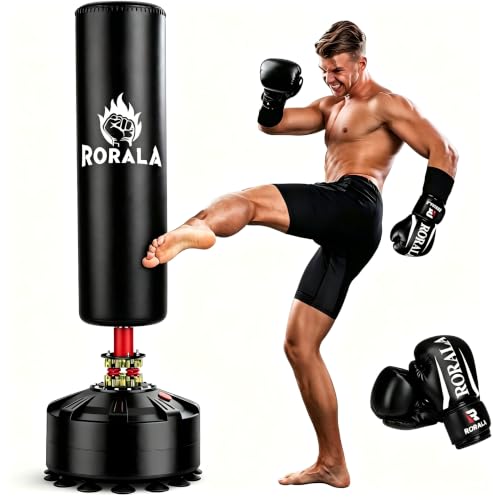
RORALA Punching Bag with Stand 70″-203lbs
Heavier freestanding feel
Serious home training
Feature Rich
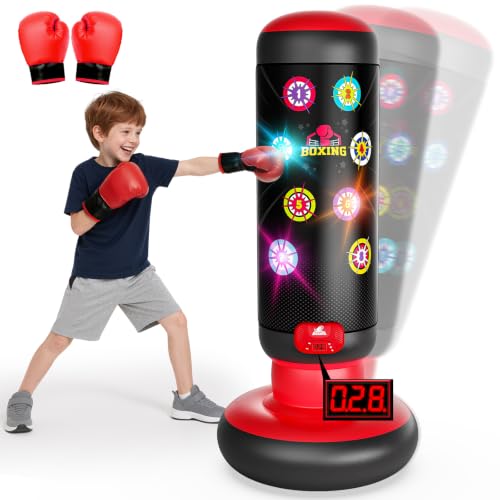
HopeRock Punching Bag for Kids with Scoring, Light, Music
Game-style activity loop
Play-focused households

Compact Choice
LoGest Punching Bag for Kids Boxing Set
Simple starter bundle
Smaller age range

Premium Pick
Everlast Elite Punching Bag
Heavier training lineage
Shared household use

Design Standout
SYNCFUN 47-Inch T.rex Inflatable Punching Bag for Kids
Animated dinosaur theme
Gift-oriented play
Inflatable construction keeps this EagleStone pick light on the room and easy to place in a play area or basement corner. The moving target suits younger children who want a softer, more playful outlet than a filled bag, and the included gloves help complete the set without extra hunting around.
The trade-off is obvious, though, because an inflatable shell will not feel as planted as a weighted freestanding unit. For ages 3 to 8, that lighter feel is often the point, especially in homes that want activity without a heavy floor footprint.
Strong Points
- Standing format keeps setup simple for small spaces.
- Inflatable body feels friendlier for younger hands and feet.
- Included gloves make the set more complete out of the box.
- Works for punching, kicking, and basic martial arts drills.
Things To Consider
- Lightweight design can shift more than filled-bag options.
- Inflatable gear usually asks for more care around sharp edges and rough surfaces.
Feature Snapshot
Who It Suits Best
Young children ages 3 to 8 who need a softer, space-conscious starter bag fit this model well.
Where A Sibling Pick Shines
SpringFlower Big Punching Bag for Kids with 2 Gloves suits households that want a height-adjustable stand and a more structured setup.
Ringside moves much closer to a true training setup than the inflatable picks above it. A 40 lb filled bag has enough mass to feel anchored for youth practice, and the included gloves, handwraps, and mounting hardware make the bundle more complete than a bare-bones bag.
That extra seriousness matters in a garage gym, basement, or shared training room where a child is already comfortable with contact-sport drills. The honest trade-off is footprint and permanence, since mounting hardware asks for a more committed install than any freestanding toy bag.
What We Like
- Filled bag construction brings a more training-focused feel.
- Handwraps and gloves reduce add-on shopping.
- Mounting hardware supports a more secure setup.
- Fits youth boxing, kickboxing, and martial arts practice.
- 40 lb build suits older kids who want more resistance.
Worth Noting
- Mounted bags require a suitable installation point.
- Heavier format is less convenient for quick room changes.
- Better aligned with trained movement than casual play.
Core Details
Made For
Youth boxers around ages 5 to 13 who need a more grounded contact-sport practice setup are the best match.
A Better Fit Elsewhere
EagleStone 47″ Kids Inflatable Punching Bag with Gloves suits younger children who need a lighter, softer first bag.
SpringFlower leans into adjustability, which makes sense for households where siblings share gear or one child is still growing into it. The stand height spans from 27.6 to 43.3 inches, so the bag can sit lower for a small child and rise as reach improves.
The base is designed around water or sand filling, and that matters for stability in a busy play area. Compared with EagleStone’s inflatable format, this one feels more structured and less toy-like, but the setup takes a little more effort.
Bright Spots
- Height-adjustable stand supports a wider age spread.
- Two pairs of gloves help shared use at home.
- Base can be filled for better floor grip.
- Works well for mixed punching and kicking play.
- Includes pump and setup accessories for a fuller bundle.
Minor Gripes
- More parts mean a longer first setup.
- Filled base adds weight, so moving it is less casual.
- Inflatable bag surfaces usually need gentle handling around pets and rough floors.
Quick Facts
Best Suited To
Families with kids ages 5 to 10 who want a grow-with-them starter set will get the most value from this one.
Another Choice May Suit
LoGest Punching Bag for Kids Boxing Set makes more sense for a tighter age bracket and a simpler starter bundle.
RORALA sits in a different tier from the kid-first inflatable bags, because this freestanding unit is built around mass, rebound control, and a more serious striking feel. The shell uses layered materials, including 3 mm PU leather, and the base can be filled for a stated 203 lb total, which gives the setup a planted stance in a home gym.
That added structure helps during longer sessions, especially for teens or adults sharing space with a younger athlete. The trade-off is size and complexity, since a taller stand and heavier base are less forgiving in small rooms or casual play corners.
Reasons To Buy
- Layered bag construction supports tougher day-to-day use.
- Freestanding base avoids wall mounting.
- Gloves are included, so the package feels more complete.
- Shock absorption and rebound features suit more active drills.
- Better fit for households that want one setup for multiple skill levels.
Softer Spots
- Large base demands more room than youth toy bags.
- Assembly and floor placement take more planning.
- Stronger rebound can feel like overkill for very young children.
Feature Rundown
Who Should Grab It
Homes that want a shared boxing station for older youth or adults are the strongest match for this model.
Look Elsewhere When
Ringside Youth 40 lb Heavy Bag Kit suits families that can support a mounted bag and want a more traditional training path.
HopeRock turns the basic bag idea into something closer to a game console with gloves. The scoring display, light effects, music, and four game modes give active kids more reasons to stay engaged, which can matter in homes where plain exercise gear loses attention quickly.
The catch is setup detail, because 3 AA batteries are required and the air pump is not included. For playrooms that already keep spare batteries and a pump nearby, the feature set can feel lively rather than cluttered.
Upsides
- Four modes create more variety than a plain inflatable bag.
- Lights and sound give the set a stronger play value.
- Scoring features can help keep short sessions engaging.
- Useful for karate, taekwondo, and kickboxing-style movement.
Small Caveats
- Batteries are required for the light and sound features.
- Pump is not included, so setup needs a separate tool.
- More electronics usually mean more pieces to keep track of.
At A Glance
Built With In Mind
Families with children ages 4 to 12 who respond well to interactive play will get the most from this set.
Swap It Out When
EagleStone 47″ Kids Inflatable Punching Bag with Gloves works better for households that want a simpler, lighter layout.
LoGest keeps the package lean, which is often the right call for younger children who only need a basic introduction to striking play. The source details point to included boxing gloves and hand wraps, and that pairing makes the bundle feel more training-minded than a lone toy bag.
Compared with SpringFlower’s adjustable stand, this one is the quieter choice for tighter spaces and simpler routines. The age range of 3 to 8 puts the focus squarely on early use, so older kids may outgrow it faster than the more adjustable sets on this list.
Best Bits
- Starter bundle keeps the setup straightforward.
- Gloves and hand wraps support a more complete first kit.
- Age fit centers on younger children.
- Pedestal bag format works in a bedroom or playroom.
Areas To Watch
- More limited age window than the adjustable options.
- Fewer extras than the feature-heavy HopeRock set.
- Hand wraps can need occasional re-rolling and storage care.
Feature Card
Right Fit For
Preschool and early elementary homes that want a no-fuss entry point into striking practice suit this set well.
Reach For A Different Pick When
SpringFlower Big Punching Bag for Kids with 2 Gloves makes more sense for families that want height adjustment and a broader age span.
Everlast sits outside the kid-first lane, and that distinction matters because the bag is framed for adult boxing, MMA, and Muay Thai use. For a shared home setup, that usually means a tougher feel, more concentrated use, and a less playful learning curve for children.
The listing also notes delivery to a room of choice, shipping from the retailer, and a 30-day return window. Those details make it easier to manage placement and post-purchase handling, which helps in homes where the bag may move between garage, gym, or spare room.
Positives
- Built for more serious striking disciplines.
- Fits adult use as well as older youth practice.
- Room-of-choice delivery can simplify placement.
- Return window and support notes add practical comfort.
Honest Caveats
- Not shaped around child-first play.
- May feel excessive for younger beginners.
- Shared spaces need enough room for a full-size bag.
Details At A Glance
Whose Shelf It Belongs On
Older teens, adults, and households planning around mixed training use will get the most out of this bag.
A Better Fit Elsewhere
Ringside Youth 40 lb Heavy Bag Kit suits children and youth athletes who need a more age-targeted training bundle.
SYNCFUN wins attention with the T.rex theme before a child throws the first punch. The 47-inch inflatable format is easy to understand, and the PVC body gives the bag a tougher play surface than the most basic soft toys in this category.
That dinosaur shape makes sense for birthday gifting or outdoor play, where a playful look can keep kids engaged longer. It is less about formal training and more about active movement, so the value sits in fun, not ring realism.
Highlights
- 47-inch size gives the bag a visible presence in a room or yard.
- PVC build supports active punch-and-kick play.
- Animal theme gives the toy stronger gift appeal.
- Indoor and outdoor use adds flexibility.
Points To Note
- Inflatable construction needs careful handling on rough ground.
- Play-first design is less suited to structured training.
- Big theme styling may not suit every room.
Core Details
The Right Fit
Gift-oriented households and energetic kids who want themed play more than strict training are the strongest match.
Skip It When
HopeRock Punching Bag for Kids with Scoring, Light, Music is the better choice for families that want interactive electronics and more game variety.
How To Choose The Right Punching Bags For Kids
Age Fit, Height, And Force Level
Age range matters because it shapes both reach and rebound. A 3 to 8 setup like LoGest or EagleStone suits younger children who need a lighter target, while Ringside and RORALA move closer to youth or mixed-age training use. Height-adjustable stands help the bag stay useful longer, especially in homes where one child is growing quickly and another is just starting out.
Force level matters just as much. Inflatable models absorb contact more softly, which works for play and early coordination, while filled or weighted bags give more resistance and a steadier return. The honest read is simple: lighter bags feel friendlier, heavier bags feel more disciplined.
Stability, Footprint, And Setup
Stability separates a toy from a training station. Freestanding bags with wide bases or suction cups, such as RORALA, tend to hold position better on smooth floors, while mounted kits like Ringside need a proper installation point. That trade-off shows up fast in a small home, because a bag that shifts or leans becomes annoying long before it becomes useful.
Footprint matters in bedrooms, basements, and shared playrooms. Inflatable choices store more easily and usually ask for less room, but they can need more care around rough surfaces and pets. Larger freestanding or mounted units suit a garage, rec room, or dedicated corner where the setup can stay in place.
Included Gear And Maintenance Load
Bundles feel more complete when gloves, wraps, pumps, or mounting hardware come in the box. SpringFlower and Ringside reduce the number of extra purchases, while HopeRock adds electronics that require batteries and a bit more attention. That kind of detail matters because the most convenient setup is usually the one that gets used consistently.
Maintenance is mostly about material choice. PVC and inflatable shells need gentler handling and careful storage, while PU leather, foam layers, and heavier bag construction ask for more space but usually feel more durable in everyday use. Matching the material to the room keeps the bag from becoming clutter.
Before You Click Through
Mistakes Worth Dodging
One common mistake is choosing by theme alone. A dinosaur print can be fun, but the useful question is whether the bag suits the child’s age, height, and space at home. Another slip-up is overlooking the base, since lightweight or underfilled units can move more than expected on slick floors.
Accessories deserve a close look too. Some sets include gloves and hand wraps, while others need batteries, a pump, or a mounting point that may not already exist. Skip the surprise later by matching the bundle to the room and the routine already in place.
The Case For Spending Up
Higher-tier models usually cost more because of structure, materials, and included hardware. RORALA brings layered construction, suction cups, shock absorption, and gloves with more padding, while Ringside adds a fuller training bundle and a heavier filled bag. Those details matter in a home gym because they change how planted and repeatable the setup feels.
Paying more makes sense for older kids, teens, or mixed-age households that want one station to last longer. For pure play, the upgrade can be unnecessary, and a simpler inflatable unit may fit the household rhythm better. The extra spend earns its keep only when the bag will see regular use.
Final Thoughts
Punching bags for kids split into two clear lanes, playful inflatable setups and more structured training gear. EagleStone, HopeRock, and SYNCFUN work best for lighter home activity, while Ringside and RORALA serve families that want more resistance and a steadier striking feel. SpringFlower and LoGest sit in the middle with compact, practical starter formats. The strongest choice is the one that matches the child’s age, the room, and the amount of use already expected.
