Book Appointment Now

8 Best Rock Climbing Equipment
Rock climbing setups are more about fit, grip, and reliability than flash. The right mix of chalk, harness, rope, gloves, tape, and rope-handling hardware matters in a busy gym, on a bouldering wall, or during longer days outdoors. This roundup keeps the focus on gear that matches specific climbing tasks, from basic hand protection to load-bearing support and rope control.
The list leans practical rather than dramatic. Some items suit beginners building a first kit, while others make more sense for climbers who already know the difference between comfort, adjustability, and specialized function.
The Shortlist At A Glance
PickWhy We Picked ItBest ForAction
Practical Pick
Old Blue Chalk Bag for Rock Climbing
Dual-pocket storage
Gym and bouldering

Balanced Choice
BLACK DIAMOND Men’s Momentum Rock Climbing Harness
Adjustable, organized fit
Beginner harness shoppers

Everyday Favorite
Intra-FIT Goatskin Climbing Gloves
Durable hand coverage
Rappelling and rescue

Heavy Duty Pick
NTR Climbing Rope 8MM Static Rope
Long-length rope options
Rigging and rappel use

Performance Leader
WILDKEN Climbing Ascender Rope Grab
Light alloy construction
Vertical rope work


Budget Friendly
HeeJo Half Body Climbing Harness
Simple adjustment hardware
Starter harness users

Compact Choice
Friction Labs Athletic Finger Tape
Easy-tear finger wrap
Skin-focused climbing use
More Details On Our Top Picks
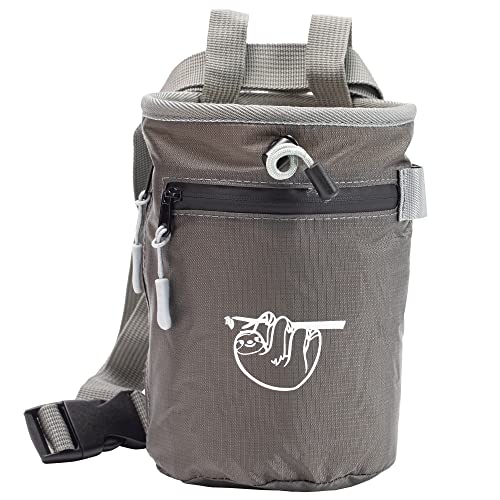
A chalk bag sounds simple, yet the details matter fast in a gym or on a crowded bouldering wall. Old Blue adds two zippered pockets, which gives space for tape, keys, or a small tool instead of stuffing everything into a pack.
The bag also makes sense for weightlifting and gymnastics, where grip turns into the main concern rather than rope work. The trade-off is straightforward, more storage usually means a little more bulk, so minimalists may prefer a plainer pouch like BG Climbing Chalkbags.
Strong Points
- Two zipper pockets keep small items separated from chalk.
- Works across climbing, gym training, and grip-heavy workouts.
- Useful for sessions where chalk, tape, and keys all need a place.
- Broad use case makes it easy to fold into a simple starter kit.
Things To Consider
- Extra pocketing can add a little carry bulk.
- Storage zippers need normal care to stay smooth over time.
- Climbers who want the plainest possible bag may find it busier than necessary.
Feature Snapshot
Who It Suits Best
Gym climbers and boulderers who like extra storage in one compact bag fit this model well.
A Better Fit Elsewhere
BG Climbing Chalkbags suits climbers who want a simpler, more playful carry piece without extra pocketing.
The Momentum harness sits in the part of the category where comfort and organization matter more than drama. Pre-threaded buckles simplify setup, while trakFIT leg loops are designed to adjust without the usual tug-and-reset routine.
Gear loops help keep quickdraws, cams, and belay tools from turning into a tangle at the belay station. For newer climbers, that kind of order is a real advantage, though the XS waist range means sizing needs attention before checkout.
What We Like
- Pre-threaded buckle layout keeps the waist system straightforward.
- Adjustable leg loops help fine-tune fit for different layers or body shapes.
- Gear loops support cleaner rack organization on sport or trad days.
- Clear size offering helps narrow the fit before a first purchase.
Worth Noting
- Men’s fit wording makes it less universal than a simple one-profile design.
- Harness fit remains highly personal, so size selection deserves care.
- Climbers who want a minimalist harness may find the gear loops more than they need.
Core Details
Who Should Grab It
Newer climbers and gym regulars who want a clear, adjustable harness with rack storage will get the most from it.
Where A Sibling Pick Shines
HeeJo Half Body Climbing Harness suits shoppers looking for a simpler, more casual setup for basic rope tasks.
Goatskin gives this pair a tougher, more workwear-like feel than the softer fabric gloves common in casual fitness kits. That matters on rappels, rope handling, or wall and mountain use, where palms and fingers take repeated contact.
The honest read is that gloves like this trade some sensitivity for protection, so delicate movement feels less direct than bare hands or tape alone. For rescue work, tree climbing, or long rope days, that trade makes sense, and it pairs naturally with Friction Labs Athletic Finger Tape for mixed hand protection.
Highlights
- Goatskin build suggests stronger wear resistance than lighter textile gloves.
- Useful across rappelling, tree work, wall climbing, and mountain travel.
- Helps reduce direct rope abrasion on palms during repeated handling.
- Practical for long sessions where hand coverage matters more than dexterity.
Softer Spots
- Thicker protection usually means less feel on the rope.
- Gloves need normal drying and storage care after sweaty sessions.
- Climbers focused on precision grip may prefer tape or bare-hand contact.
Quick Facts
Whose Shelf It Belongs On
Rappellers, rescue crews, and climbers who spend real time on rope systems fit this glove best.
Look Elsewhere When
Friction Labs Athletic Finger Tape suits climbers who want a lighter touch for fingertip support rather than full-hand coverage.
Static rope means the line is built to keep stretch low rather than behaving like a dynamic lead rope. That makes the NTR model better aligned with rappelling, hauling, and safety-escape tasks, especially where steadier rope feel is useful.
The length range is the key story here, because 10 meters works very differently from 50 meters on an outdoor rig or training tower. Two steel hooks also add straightforward attachment utility, though the right length still depends on the setup rather than the color choice.
Upsides
- Static construction fits rappel and rope-management tasks.
- Multiple length options cover short drills and longer runs.
- Steel hooks add practical connection points.
- Useful for outdoor work where controlled rope behavior matters.
Areas To Watch
- Static rope is task-specific and not a casual all-around climbing line.
- Length selection needs care so the rope matches the actual route or task.
- Rope storage and inspection matter more with longer cords and hardware ends.
Spec Overview
Best Suited To
Climbers and rope workers who need a controlled line for rappel or rigging tasks will find the fit strongest here.
Swap It Out When
BLACK DIAMOND Men’s Momentum Rock Climbing Harness suits people seeking wear-on-the-body support, not a standalone rope system.
Ascenders sit in a more technical corner of climbing gear, since the device is meant to move along a rope in a controlled way. WILDKEN uses magnesium alloy, which keeps the tool light enough for carry while still aiming at strength for vertical rope work.
That profile suits mountaineering, arborist tasks, caving, rescue, and other rope-heavy jobs more than casual gym climbing. The trade-off is special-purpose use, so climbers who only need basic wall sessions may never need this kind of hardware at all.
Reasons To Buy
- Magnesium alloy keeps the device light in a carry kit.
- Designed for rope-grab movement in vertical systems.
- Fits a long list of rope-based work scenarios.
- Useful where compact hardware matters in a larger kit.
Small Caveats
- Specialized hardware needs correct setup and familiar handling.
- Not a general-purpose substitute for a harness or rope.
- Rope-use gear should be stored clean and dry after work.
Details At A Glance
The Right Fit
Experienced rope users, arborists, and rescue-oriented climbers who need a dedicated ascender fit this piece best.
Another Choice May Suit
HeeJo Half Body Climbing Harness suits more casual rope users who want body support before specialized rope hardware.
BG leans into personality, and that matters more than many gear lists admit. The animal-edition styling gives the chalk bag a more playful feel, which suits gym use where a small, expressive carry item can make routine sessions feel less plain.
Functionally, this slot is close to Old Blue’s chalk bag, though the emphasis here is presentation rather than extra storage. Climbers who carry only chalk and a small minimum of items may find that cleaner approach a better fit.
Best Bits
- Animal-themed styling adds a distinctive look.
- Simple chalk-bag format stays easy to carry.
- Works well for casual gym climbing and bouldering sessions.
- Less feature-heavy feel suits minimal carry habits.
Room For Improvement
- Style-forward design may matter less to utility-first climbers.
- Minimalist carry setup means fewer organization features than Old Blue.
- Chalk bags still need regular cleaning to keep dust from building up.
Feature Card
Made For
Gym climbers who like a fun-looking chalk bag and straightforward carry use will get the most from this one.
Reach For A Different Pick When
Old Blue Chalk Bag for Rock Climbing suits anyone who wants extra storage pockets rather than a style-first pouch.
HeeJo is framed as beginner gear, and that explains most of its appeal. Doubleback metal buckles, reinforced stitching, and an easy adjust range give it a straightforward setup for casual climbing, rope training, and basic support tasks.
The broad use list runs from zipline and mountaineering to rescue, caving, and tower work, which points to a very versatile harness shape. The honest read is that versatility does not erase fit preferences, so the simpler profile may suit first-time harness shoppers better than climbers chasing more technical support.
Bright Spots
- Doubleback metal buckles support straightforward adjustment.
- Reinforced stitching adds confidence for casual rope use.
- Wide use range makes it versatile for training and outdoor tasks.
- Beginner-oriented design lowers the learning curve for a first harness.
Points To Note
- Half-body format will not suit every climbing preference.
- Versatility can also mean a less specialized feel.
- Harness storage should stay dry and flat to reduce wear over time.
At A Glance
Built With In Mind
Beginners and casual rope users who want a simple half-body harness with broad activity coverage fit this model well.
Where Shoppers Go Wrong
BLACK DIAMOND Men’s Momentum Rock Climbing Harness suits climbers who want a more conventional full harness with gear loops and leg-loop adjustment.
Finger tape lives in the smallest corner of the kit, yet it can make the most sense on days when skin takes a beating. Friction Labs uses zinc oxide tape, a common tape base known for its firm feel, and the 1.5-inch width keeps it practical for wrapping fingers or small support areas.
The easy-tear format helps on the wall or at the trailhead, where scissors are not always close at hand. Packaging is recyclable, which is a neat detail, but the bigger value is simple: this is a tiny, purpose-built add-on rather than a bulky accessory.
Positives
- Easy-tear format keeps use quick between climbs.
- 1.5-inch width suits finger wraps and small contact points.
- Zinc oxide base gives the tape a familiar athletic feel.
- Compact roll size makes it easy to keep in a chalk bag or pocket.
Honest Caveats
- Tape is a support item, not a substitute for sound technique.
- Adhesive feel can vary with sweat, chalk, and skin prep.
- Repeated wrapping creates routine consumable use, so planning ahead helps.
Feature Rundown
Perfect Match For
Sport climbers, boulderers, and gym regulars who want fingertip support in a small roll fit this tape well.
Not Your Match When
Intra-FIT Goatskin Climbing Gloves suit climbers who need larger-area hand coverage instead of finger-level wrapping.
How To Choose The Right Rock Climbing Equipment
Match Gear To The Discipline
Rock climbing equipment works best when the category matches the job. Chalk bags and finger tape fit bouldering and gym sessions, while harnesses and ropes belong to rope-climbing systems that need load support and control.
Static rope is a technical term worth understanding here, it means low stretch compared with a dynamic rope, so it suits rappel and rigging tasks more than fall-catching lead climbing. Gloves, ascenders, and half-body harnesses also sit in separate lanes, and that separation matters more than branding.
Focus On Fit And Adjustability
Harness fit can make or break comfort on a long climbing day. Waist sizing, leg-loop adjustment, and buckle style affect how cleanly the harness settles, especially during gym laps or long belay sessions.
For beginners, simpler hardware often feels easier to manage, while experienced climbers may want gear loops, faster adjustment systems, or task-specific rope hardware. A harness that fits well on paper can still feel wrong once layered over seasonal clothing or worn for an extended session.
Look At Material And Wear Points
Materials tell a useful story about longevity and feel. Goatskin gloves bring tougher palm coverage, magnesium alloy lowers carry weight in an ascender, and zinc oxide tape gives a familiar athletic wrap texture.
Storage and upkeep matter as much as the material itself. Chalk bags benefit from dust control, ropes need inspection and careful coiling, and harnesses last longer when kept dry and flat instead of stuffed into a damp pack.
Choose By Ownership Pattern
Regular gym climbers usually want compact, easy-to-carry gear with minimal setup friction. Outdoor climbers, rope workers, and rescue-oriented users tend to need more specialized hardware, clear sizing, and sturdier materials.
The right purchase often comes down to frequency and task mix. A small, tidy accessory can cover weekly sessions, while a higher-spec item makes sense only when the climbing style demands it.
Things Worth Knowing First
Mistakes Worth Dodging
Many first-time shoppers focus on the broad category and skip the task type. That leads to rope hardware being compared with body support, or a chalk bag being judged as though it should do the work of gloves.
Fit errors are common too, especially with harnesses. Waist range and leg-loop design deserve attention before anything else, because comfort and security depend on both.
The Upgrade Payoff
Higher-tier gear usually costs more because of material choice, adjustment hardware, and task-specific engineering. A magnesium alloy ascender, goatskin gloves, or a harness with more refined buckle and loop systems takes more to build than a basic accessory.
The upgrade is worth it when use is frequent, the route is technical, or the job asks for durability over convenience. For casual gym use, simpler gear often makes more sense and keeps the kit lighter.
Closing Thoughts
Rock climbing equipment works best as a system, not a pile of unrelated items. Old Blue and BG cover chalk carry, BLACK DIAMOND and HeeJo handle body support, and NTR, WILDKEN, Intra-FIT, and Friction Labs fill more specialized roles. The smartest choice usually comes from matching the tool to the session, then accepting the trade-off that comes with that match.
