Book Appointment Now

7 Best 3 Year Old Scooters for 2026
Getting a scooter for a three-year-old sounds simple until you sort out balance, handlebar height, deck grip, and how much growing room you actually need. The right pick should feel steady in the driveway, easy to steer at the park, and forgiving enough for wobbly first rides. That’s where this shortlist helps, because each model here leans toward a different kind of everyday use, from foldable convenience to a sturdier first ride.
Quick Look At The Shortlist
PickWhy We Picked ItBest ForAction

Editor's Choice
Micro Kickboard Mini LED Toddler Scooter
Confident first-ride balance
New scooter starters

Value Pick
TONBUX Kids Scooter, Light Up 3 Wheel Kick Scooters
Folding range for growth
Families with tall kids
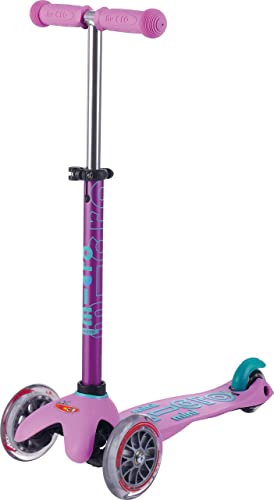
Balanced Choice
Micro Kickboard Mini Kids Scooter
Smooth, stable handling
Everyday neighborhood rides

Design Standout
HighMaster Kids Scooter with LED Wheel Lights
Light-up fun, simple control
Indoor-outdoor play

Heavy Duty Pick
DEROFIT LED Lighted 3 Wheel Scooter
Metal build with larger wheels
Rougher playground routes

Premium Pick
Micro Kickboard Mini LED Kids Scooter
LED wheels, familiar Micro feel
Shoppers wanting the upgrade

Traveler's Choice
Micro Kickboard Mini Foldable LED Kids Scooter
Folding build for storage
Small homes and travel
More Details On Our Top Picks
The three-wheel layout gives this Micro a calm, forgiving feel that works well for a three-year-old’s first scooter. The adjustable T-bar matters because it leaves room for growth, so you’re not replacing it after a single season of backyard laps.
The LED PU wheels add a bit of visibility and a lot of kid appeal, which helps keep interest high on short neighborhood rides. The trade-off is that this kind of scooter feels more like a confidence builder than a fast cruiser, and that suits most toddlers just fine.
Strong Points
- Lean-to-steer control helps new riders make smaller, gentler turns.
- Height-adjustable handlebar gives you more usable months before the fit feels short.
- Motion-activated LED wheels make evening driveway play easier to spot.
- Up to 110 lb capacity leaves headroom for growing kids and shared family use.
- PU wheels usually roll more quietly than harder plastic wheels on smooth pavement.
Things To Consider
- The three-wheel setup is steady, but it still favors smooth pavement over rough ground.
- LED wheels are fun, yet they add little value for families who want a plain no-frills ride.
Feature Snapshot
Who It Suits Best
Young toddlers who are just learning balance and steering get the most out of it.
A Better Fit Elsewhere
The Micro Kickboard Mini Foldable LED Kids Scooter suits families who want folding storage and the same familiar Micro feel in a more space-conscious package.
TONBUX leans harder into growth range than the Micro picks above, which makes sense for homes covering preschool years and early grade-school use. The folding frame helps with car trunks and small closets, and that kind of convenience matters more than flashy extras for many families.
The adjustable height range from 24.5 to 34 inches gives you room to fine-tune fit as your child grows. The honest read is that this broader span is useful, but the scooter still needs a child who’s comfortable with a slightly more upright, structured ride.
What We Like
- Folding design makes storage and car trips less awkward.
- Wide height range helps the scooter stay useful across multiple growth stages.
- Lean-to-steer control is a sensible match for early balance practice.
- Anti-slip deck gives little feet a steadier standing surface.
- Light-up wheels add visibility and keep short rides interesting.
Room For Improvement
- The taller size range is useful, but the scooter may feel oversized for the smallest three-year-olds.
- Folding hardware is another moving part to keep an eye on during storage and repeated use.
- Style choices are more practical than premium, so the finish feels straightforward rather than polished.
Core Details
Built With In Mind
Families who want one scooter that can stretch across several years of growth will appreciate the fit range.
Where A Sibling Pick Shines
The Micro Kickboard Mini LED Toddler Scooter is the better match for a smaller three-year-old who needs a steadier, more compact first ride.
This Micro keeps the same three-wheel, lean-to-steer idea as the first pick, but it strips the formula down to the basics. That makes it a sensible middle ground for families who want stable handling without extra visual flourishes.
The adjustable T-bar and smooth-riding PU wheels make it a practical everyday scooter for sidewalks, driveways, and short park loops. You may find it especially appealing if you want a simple setup that feels durable enough for repeat use without looking overbuilt.
Upsides
- Stable three-wheel design supports early confidence.
- Adjustable T-bar helps the fit stay useful longer.
- PU wheels usually keep rides smoother on hard surfaces.
- Up to 110 lb support gives the scooter more staying power as kids grow.
Softer Spots
- It does not bring the light-up wheel flair some kids expect.
- The simpler layout is practical, though less playful than LED-heavy options.
Details At A Glance
Whose Shelf It Belongs On
This works well for families who want a straightforward, confidence-building scooter for routine neighborhood rides.
A Better Fit Elsewhere
The TONBUX Kids Scooter is the better call for families who need a folding frame and a taller height range.
HighMaster puts the lights up front, and that makes it a natural fit for kids who care as much about the ride looking fun as it feels steady. The adjustable handlebar, anti-slip deck, and rear brake keep the design grounded, so it’s not just a light show on wheels.
The ride profile makes sense for park paths, patios, and indoor play spaces where a three-wheel scooter can move without much drama. The trade-off is that it feels more playful than premium, which is fine for many households but worth keeping in mind.
Bright Spots
- Light-up wheels add energy without needing batteries.
- Adjustable handlebar helps the scooter keep pace with growth.
- Anti-slip deck supports a steadier stance for small feet.
- Rear brake gives a simple stopping point for newer riders.
Minor Gripes
- The playful styling may matter more than build refinement for some shoppers.
- LED excitement helps on short rides, though it does little for older kids who want a plain scooter.
Quick Facts
Perfect Match For
Kids who love visible lights and parents who want a steady three-wheel scooter will get the most out of it.
Swap It Out When
The Micro Kickboard Mini Kids Scooter is a better choice for families who want a quieter, less playful look with a more classic Micro feel.
DEROFIT feels built for the rough-and-tumble side of early childhood, thanks to its metal construction and larger 4.5-inch PVC wheels. That combination should suit sidewalks, driveways, and playground paths better than the lightest plastic-feeling scooters, though it also makes the scooter look and feel a bit more substantial.
The handlebar adjusts from 25 to 28 inches, which keeps the fit centered on younger kids rather than spanning a huge age range. That narrower window is useful for a three-year-old, especially if you want a steadier stance and don’t need the broad growth range of the TONBUX option.
Best Bits
- Heavy-duty metal frame gives the scooter a sturdier feel.
- Large PVC wheels help smooth out small bumps on harder surfaces.
- Light-up wheels keep the ride visible and fun.
- Anti-slip deck supports steadier footing for little riders.
Points To Note
- The height window is useful, but it is narrower than some growing-room picks.
- Heavier construction can feel less nimble for very small children.
- LED wheels keep things exciting, yet they add little value for plain daytime use.
At A Glance
Who Should Grab It
This suits younger kids who want a sturdier-feeling scooter for driveway and playground use.
Look Elsewhere When
The TONBUX Kids Scooter makes more sense for families that need the widest growth range and folding convenience.
This Micro keeps the toddler-friendly shape of the earlier model, but the LED wheel setup gives it a little more visual appeal for kids who like motion and light. For families already leaning toward the brand, that makes it feel like a gentle step up rather than a big leap into a different scooter style.
The same 2-to-5 sizing and 110 lb limit still make sense for a young child, and the lean-to-steer setup stays easy to understand. The trade-off is that the value here comes from refinement and fit, not from a long list of extras.
Reasons To Buy
- LED PU wheels add visibility and a bit of fun to short rides.
- Lean-to-steer handling keeps the learning curve friendly.
- Adjustable T-bar helps the scooter last through growth spurts.
- Micro’s design language tends to feel tidy and well put together.
Worth Noting
- The upgrade appeal is subtle, so it suits families who value refinement over novelty.
- LED wheels are nice, but they do not change the scooter’s basic toddler-first character.
Feature Rundown
The Right Fit
Families who want a polished first scooter with a little extra visual flair will feel right at home with this one.
Reach For A Different Pick When
The Micro Kickboard Mini Kids Scooter makes more sense if you want a simpler version without the LED wheel emphasis.
The foldable frame is the main reason this Micro stands apart, especially in homes where gear storage is tight or the scooter needs to travel in a trunk. It keeps the same stable three-wheel feel as the other Micro choices, so the folding feature feels practical rather than gimmicky.
That makes it a smart match for apartments, smaller mudrooms, and families who bring a scooter along on weekends. The catch is that folding convenience matters most when space is tight, so it’s less compelling in a garage with room to spare.
Positives
- Foldable build makes storage simpler.
- Three-wheel lean-to-steer handling stays friendly for beginners.
- Adjustable T-bar helps the fit evolve with your child.
- LED PU wheels add some visibility and extra fun.
Areas To Watch
- The folding mechanism adds another moving part to keep clean and stored properly.
- Space savings matter most in small homes, not in larger garages.
Feature Card
Made For
This is a strong fit for families who need scooter storage to be easy and compact.
Another Choice May Suit
The Micro Kickboard Mini LED Toddler Scooter suits families who want the same stable feel but do not need the folding frame.
How To Choose The Right 3 Year Old Scooters
Balance, Deck Feel, And Steering Style
Three-year-olds usually do best on a three-wheel scooter because the extra wheel support makes slow-speed riding feel less twitchy. Lean-to-steer designs matter here, since they teach steering through body weight rather than quick handlebar jerks. A wider deck with some grip also helps little shoes stay planted during starts and stops.
That combination is especially helpful in driveways, sidewalks, and flat park paths where young kids are still learning how much lean is enough. The smoother the deck and wheel feel, the easier it is for your child to stay interested without getting frustrated.
Fit Range And Growth Room
Handlebar height is more important than many shoppers expect, because a scooter that sits too low gets awkward fast. Adjustable T-bars solve that by letting you match the bar to your child’s reach and keep the ride comfortable as legs and torsos grow. For a three-year-old, a shorter starting range is often more useful than a huge height spread.
That said, wider adjustment ranges help families who want one scooter to last through preschool and beyond. TONBUX leans into that flexibility, while Micro’s toddler-focused models keep the fit tighter and easier for the youngest riders.
Wheel Type, Light Features, And Everyday Use
PU wheels, which are polyurethane wheels, usually roll more quietly and feel smoother on hard pavement than basic plastic wheels. LED wheels add visibility and a little excitement, and they can help a child keep asking for another ride instead of wandering off after one loop around the driveway. The trade-off is that lights matter less to families who want a plain, low-fuss scooter.
Think about where the scooter will live most of the time. A foldable model helps in apartments and car trunks, while a heavier metal build suits rougher play spaces and more repeated abuse from daily use.
Weight Limit, Storage, And Real-World Longevity
Weight capacity gives you a clue about how long the scooter may stay useful, especially once a child grows into a more confident rider. A limit around 110 pounds gives plenty of breathing room for most small kids, even though the scooter is still sized for preschool use. Storage matters too, because a scooter that tucks away neatly tends to get used more often.
For most families, the sweet spot is a scooter that feels steady now and still makes sense after a growth spurt or two. That’s the real balance to chase, not the flashiest wheel lights or the longest feature list.
Things Worth Knowing First
Common Shopping Slip Ups
One common mistake is choosing a scooter that looks fun but sits too tall or feels too loose for a three-year-old. That can turn first rides into a wobble-fest, which nobody wants on a busy sidewalk. Another easy miss is overlooking deck grip, since slippery footing makes balance feel harder than it should.
Cleaning and storage deserve attention too. Foldable scooters are handy, but the folding parts need a little more care than a simple fixed frame.
What The Higher Tier Buys
More expensive scooters usually bring stronger materials, cleaner wheel feel, and details that make daily use less annoying. On models like the Micro picks, you’re often paying for tighter fit, more polished handling, and a design that feels better after repeated use. That sort of upgrade matters most when the scooter will be used often, not just on occasional sunny afternoons.
The extra spend makes sense for families who want a more durable first scooter and fewer compromises. For casual use in a small backyard, a simpler model can still be a sensible choice.
Frequently Asked Questions
What size scooter works best for a three-year-old?
A three-year-old usually does best with a three-wheel scooter and a handlebar that adjusts low enough to keep posture relaxed. Stability matters more than speed or a long list of extras.
Are light-up wheels useful or just fun?
They’re mostly fun, but they also add visibility during dusk rides or driveway play. That small benefit is handy for families who ride outside near evening.
Should you choose foldable or fixed-frame?
Foldable works well for small storage spaces and car travel. Fixed-frame often feels a little simpler and can be one less moving part to think about.
How important is the weight limit?
A higher limit usually means the scooter can stay in use longer as your child grows. It does not replace the need for a child-sized handlebar and deck.
What matters more, lights or steering design?
Steering design matters more because it affects balance and confidence from the first ride. Lights are a nice bonus, but steady handling is the part that shapes the experience.
Final Verdict
The best 3 year old scooters feel steady, fit small bodies well, and make short rides easy to enjoy without a steep learning curve. Micro’s toddler models stand out for calm handling, while TONBUX gives you more growth room and DEROFIT leans sturdier. HighMaster and the LED Micro options add more visual appeal, and the foldable Micro is the smartest choice for cramped storage. Pick the one that matches your child’s size and your everyday space, and the ride usually goes much smoother.
