Book Appointment Now

Choosing the Right Baseball Glove for Performance
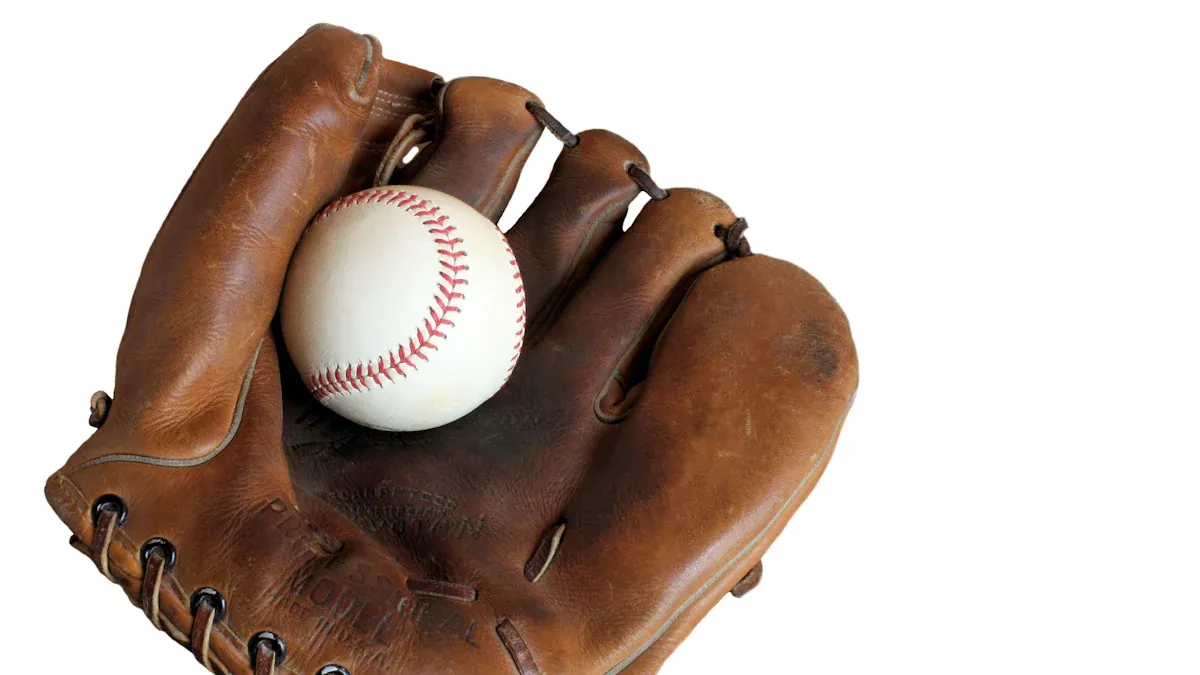
A quality baseball glove can make all the difference in your performance on the field. You might not realize it, but approximately 75% of infield players say that using the right glove boosts their confidence. The right glove can enhance your grip, improve your catch, and even reduce errors.
When choosing a baseball glove, consider factors like fit, comfort, and material. These elements play a crucial role in how well you perform during games and practices.
Baseball Glove Types
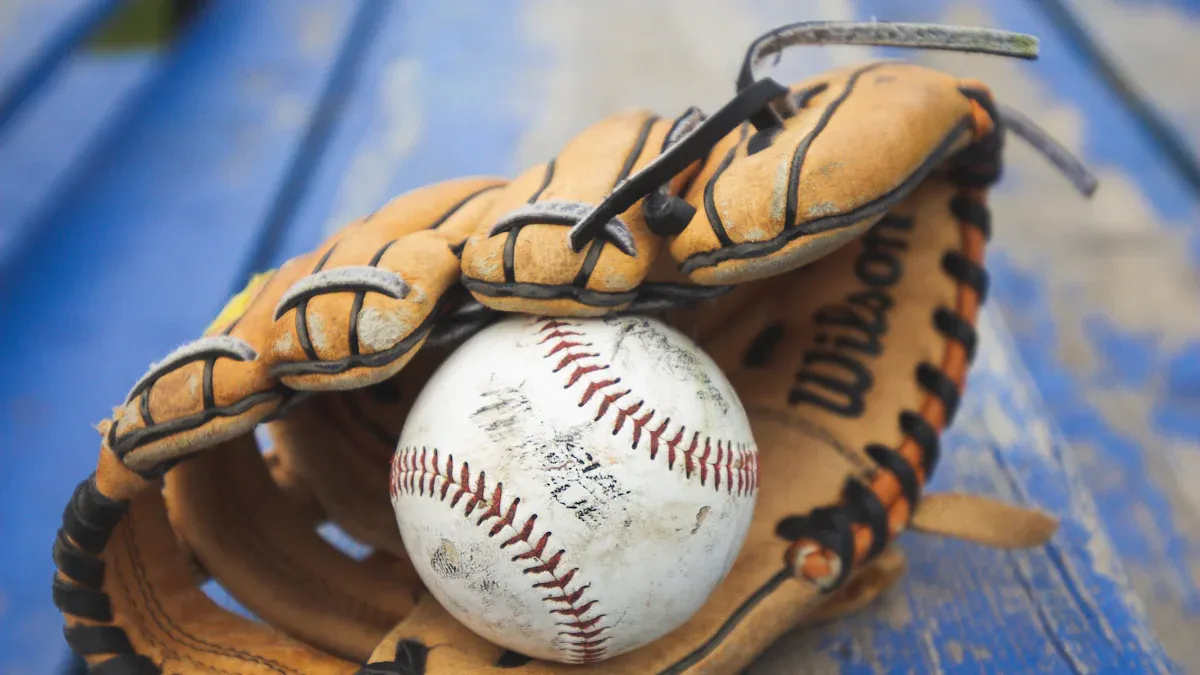
Choosing the right baseball glove depends on your position on the field. Each type of glove serves a specific purpose, enhancing your performance during games. Here’s a breakdown of the main types of baseball gloves:
Infield Gloves
Infield gloves are designed for quick plays and fast ball transfers. They typically have a shallower pocket, allowing you to retrieve the ball swiftly. Here are some key features:
Size: Infield gloves usually range from 11.25″ to 12″. This size helps you maintain control while fielding.
Pocket Depth: A shallower pocket facilitates quicker transitions, essential for making fast plays.
Web Design: Open web designs, like H-webs or I-webs, help dirt escape, preventing slips during fielding.
Glove Size | Description |
|---|---|
11.25″ | Ideal for middle infielders with a shallow pocket for quick reactions. |
11.5″ | Baseline length for most MLB middle infielders, offering a balance of control and reach. |
11.75″ | Preferred by players like Manny Machado and Francisco Lindor. |
12″ | Too large for infield positions, leading to control issues and deep pocket problems. |
Outfield Gloves
Outfield gloves are larger than infield gloves, designed for players covering more ground. They feature a deeper pocket to secure fly balls effectively. Here are some characteristics:
Size: Outfield gloves typically range from 12.25″ to 13″. The larger size aids in catching pop flies.
Pocket Depth: A deeper pocket helps secure catches, even during high-reaching plays.
Webbing Design: Common web types like H-web and trapeze improve visibility when tracking fly balls.
Glove Size Range | Most Popular Size |
|---|---|
12.25″ – 13″ | 12.75″ |
Catcher’s Mitts
Catcher’s mitts are unique, designed specifically for the demands of catching. They have no separated fingers and substantial padding for protection against fast pitches. Here are some features:
Size Range: Typically ranges from 31 to 34 inches, with smaller sizes for youth players and larger for adults.
Padding Type: Padding made from materials like foam or gel absorbs impact effectively.
Webbing Design: Common types include two-piece for flexibility and control, and single post for a secure pocket.
Feature | Description |
|---|---|
Size Range | Typically ranges from 31 to 34 inches, with smaller sizes for youth players and larger for adults. |
Padding Type | Padding made from materials like foam or gel, varying in thickness for impact absorption. |
Webbing Design | Common types include two-piece (flexibility and control) and single post (secure pocket). |
Pitcher’s Gloves
Pitcher’s gloves are crafted to help conceal your grip on the ball. They often feature closed webbing to keep your hand positioning hidden from batters. Here are some important aspects:
Size: Most pitchers prefer gloves ranging from 11.75″ to 12″. This size allows for a comfortable fit while maintaining control.
Web Design: Closed web designs conceal the grip of the ball, making it difficult for batters to predict pitches.
Customization: Many pitchers opt for glove customization to enhance comfort and fit.
Size Range | Characteristics |
|---|---|
11.75″ – 12″ | Most popular size for pitchers; typically similar to infielders; prefers closed pockets or Modified Traps to conceal grip; must avoid predominantly white or grey gloves as they are illegal. |
Choosing the right type of glove can significantly impact your performance on the field. Each glove type is tailored to meet the specific needs of players in different positions, ensuring you have the best tools for success.
Key Factors for Baseball Glove Selection
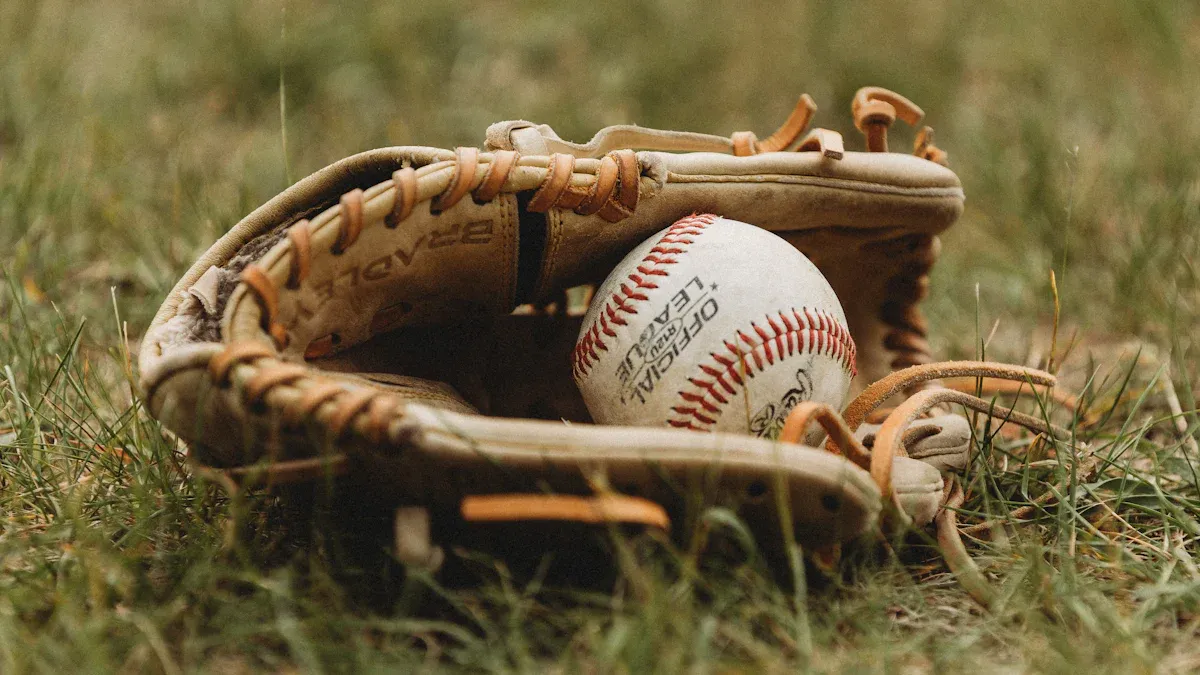
Choosing the right baseball glove involves several key factors that can significantly influence your performance and comfort on the field. Understanding these factors helps you make an informed decision.
Fit and Comfort
A proper fit is crucial as it directly influences your performance. A glove that fits well enhances control over the ball, allows for quick movements, and provides necessary protection against hard-hit balls. Here are some important aspects to consider:
Safety: Poorly fitting equipment can lead to accidents on the field.
Performance: A well-fitted glove is essential for optimal performance.
Focus: Good fit allows you to concentrate on skill development rather than adjusting to ill-fitting gear.
When your glove fits correctly, you experience better control and precision during play. You also enjoy increased comfort throughout the game, which reduces the risk of injury, especially in competitive play.
Position-Specific Needs
Each baseball position has unique requirements that influence glove selection. For example, infielders need gloves that allow for quick movements and ball transfers, while outfielders require larger gloves to cover more ground. Here’s a quick overview of position-specific glove features:
Position | Glove Type/Features |
|---|---|
Catchers | Fingerless mitt with heavy padding; claw-like shape for catching pitches. |
Pitchers | Closed webbing to conceal the ball; less padding for better control. |
First Basemen | Long, wide mitt for scooping grounders; deeper pocket for secure ball reception. |
Infielders | Five-fingered glove with shallow pocket for quick transfer and release. |
Outfielders | Deeper pocket for catching fly balls; longer glove for extended reach. |
Understanding these position-specific needs helps you select a glove that enhances your performance on the field.
Material Considerations
The material of your baseball glove plays a significant role in its durability and performance. Different types of leather, such as cowhide, kip, and steerhide, offer unique benefits. Here’s a breakdown of common materials:
Glove Material | Characteristics | Ideal For |
|---|---|---|
Leather Gloves | Molds to hand, durable, requires break-in period, long-lasting | Advanced and professional players |
Synthetic Gloves | Lightweight, user-friendly, little to no break-in period, less durable | Beginners and younger players |
Hybrid Gloves | Mix of leather and synthetic, balances cost and durability | Intermediate players |
Choosing the right material affects your glove’s responsiveness, flexibility, and overall comfort. For instance, cowhide is soft and breaks in quickly, making it suitable for recreational players. Kip leather is lightweight and molds well to the hand, favored by competitive players. Steerhide, while taking longer to break in, offers unmatched strength and durability, ideal for those prioritizing longevity.
By considering fit, position-specific needs, and material, you can select a baseball glove that enhances both your performance and comfort on the field.
Baseball Glove Maintenance
Maintaining your baseball glove is essential for its performance and longevity. Regular care keeps the glove comfortable and prevents damage. Here are some effective maintenance practices to follow:
Cleaning Techniques
To keep your glove in top shape, clean it regularly. Here are some recommended cleaning techniques:
Use specialized cleaning products like Ball Player’s Balm Cleaner or Sarna Baseball cleaner for deep cleaning.
Apply a small amount of water when using these products to create bubbles and foam for effective cleaning.
For surface cleaning, use a dry or slightly damp rag. A toothbrush can help remove dirt from seams and crevices.
After cleaning, consider using glove moisturizers categorized as oils or conditioners. Conditioners evaporate without leaving damaging residues.
Storage Tips
Proper storage is crucial to prevent damage to your glove. Follow these tips to store your glove correctly:
Store the glove in an upright position to maintain its shape.
Keep your glove away from extreme temperatures to prevent damage.
Ensure the glove is stored in a well-ventilated area to avoid moisture buildup.
Avoid prolonged exposure to direct sunlight, which can cause fading and brittleness.
Use a baseball or softball in the glove’s pocket when not in use to help maintain its shape.
Longevity Practices
To extend the lifespan of your baseball glove, consider these longevity practices:
Regularly clean the glove to keep it comfortable and reliable.
Avoid over-conditioning, as too much oil can make the glove heavy or slippery.
Apply glove oil lightly at the end of the season to prevent brittleness. Allow the oil to absorb into the leather for 24 hours in a warm area.
Inspect the laces every six months and replace them as needed.
Store the glove in a cool, dry place with a ball in the pocket when not in use.
By following these maintenance tips, you can ensure your baseball glove remains in excellent condition, enhancing your performance on the field.
Choosing the right baseball glove is vital for your performance on the field. Here are some key takeaways to remember:
Position-Specific Design: Select a glove that matches your position for optimal performance.
Proper Fit: Ensure a snug fit for better control and injury prevention.
Material Matters: Consider durable materials like full-grain leather for longevity.
Webbing Style: Choose web designs that support quick catches and secure grips.
By considering these factors, you can enhance your game and enjoy a more comfortable playing experience. Make an informed choice to elevate your performance!
FAQ
What size glove should I choose?
Choose a glove size based on your position. Infielders typically use gloves between 11.25″ and 12″, while outfielders prefer sizes from 12.25″ to 13″. Catchers and pitchers have specific sizes based on their unique needs.
How do I break in my new glove?
To break in your glove, play catch regularly. You can also apply glove conditioner and gently flex the leather. Some players place a ball in the pocket and wrap the glove overnight to help shape it.
How often should I clean my glove?
Clean your glove after every few games or practices. Regular cleaning prevents dirt buildup and maintains its performance. Use a damp cloth and specialized glove cleaner for best results.
Can I use a baseball glove for softball?
While you can use a baseball glove for softball, it’s not ideal. Softball gloves are larger and designed for the bigger ball. Using the correct glove enhances your performance and comfort.
What materials are best for durability?
Leather gloves, especially steerhide, offer the best durability. They mold to your hand over time and withstand wear. Synthetic gloves are lighter but may not last as long as leather options.